Yakima SkyBox 16 Vs SkyBox 18: Best Roof Box Choice
The SkyBox 18 offers more room, while the SkyBox 16 is easier to fit and often better for daily use.
Choosing between the Yakima SkyBox 16 vs SkyBox 18 comes down to cargo needs, vehicle size, roof space, and ease of handling. Both roof cargo boxes offer secure storage, dual-side access, and a sleek design, but their size differences matter on long trips. This guide compares their capacity, fit, weight, price, fuel use, and real-world value so you can choose with confidence.

Yakima SkyBox 16 vs SkyBox 18: Quick Comparison
The Yakima SkyBox 16 and SkyBox 18 are hard-shell rooftop cargo boxes made for travel, camping, skiing, and family road trips. The number in each name refers to its approximate cargo volume in cubic feet.
| Feature | Yakima SkyBox 16 | Yakima SkyBox 18 |
|---|---|---|
| Cargo volume | About 16 cubic feet | About 18 cubic feet |
| Best for | Small families and regular trips | Large families and bulky gear |
| Typical length | About 83 inches | About 92 inches |
| Typical width | About 34 to 36 inches | About 36 inches |
| Typical weight | About 47 pounds | About 52 pounds |
| Typical load limit | Up to 165 pounds, depending on model | Up to 165 pounds, depending on model |
| Roof space needed | Less | More |
| Ease of handling | Easier | More difficult |
| Fuel impact | Usually slightly lower | Usually slightly higher |
Exact measurements can change between SkyBox Carbonite, SkyBox NX, and older versions. Always check the label and current fit guide before buying.
The extra two cubic feet in the SkyBox 18 may sound small. In practice, it can hold another duffel bag, several jackets, or extra camp gear. However, the longer body can create fit problems on shorter vehicles.
Cargo Capacity and Interior Space
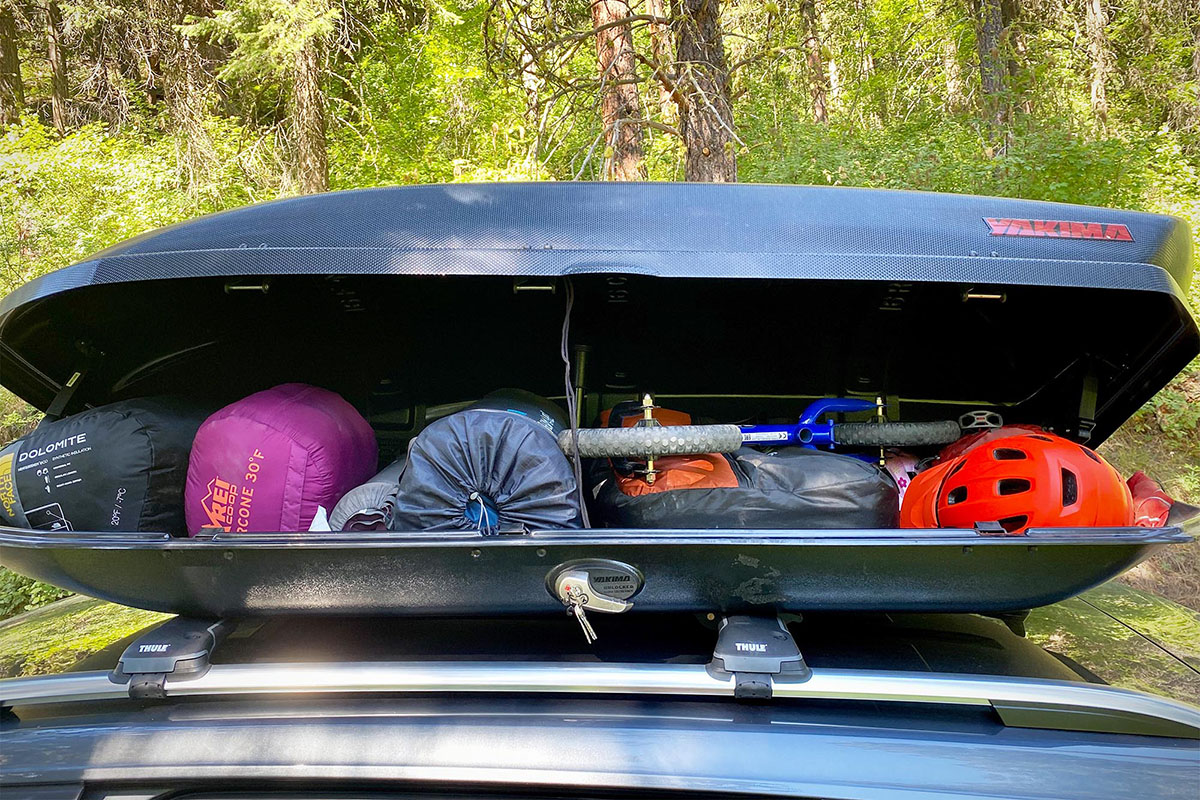
The biggest difference in the Yakima SkyBox 16 vs SkyBox 18 comparison is storage space. The SkyBox 16 gives you about 16 cubic feet of room. The SkyBox 18 gives you about 18 cubic feet.
That extra space is useful when several people share one vehicle. A family of four may fit sleeping bags, coats, boots, and soft luggage in the SkyBox 18. The SkyBox 16 can carry much of the same gear, but you may need to pack with more care.
What fits in a SkyBox 16?
The SkyBox 16 works well for common travel loads, such as:
• Two to three medium suitcases
• Several soft duffel bags
• Ski or snowboard gear
• Camping sleeping bags and tents
• Strollers and light outdoor equipment
• Holiday gifts and seasonal clothing
Soft bags make the best use of the space. Hard suitcases can waste room because they do not bend around the box’s curved edges.
What fits in a SkyBox 18?
The SkyBox 18 provides more space for:
• Three to four medium suitcases
• Large family camping loads
• Multiple sleeping bags and camp chairs
• Skis, snowboards, and winter clothing
• Bulky pillows, blankets, and coats
• Extra bags for long vacations
The SkyBox 18 is not a magic solution for unlimited cargo. You still need to respect the box weight rating, the roof rack limit, and the vehicle’s total roof load limit.

Size, Vehicle Fit, and Roof Clearance
Physical fit is just as important as cargo volume. A cargo box can hold everything you need but still be a poor choice if it blocks your hatch or sits too far forward.
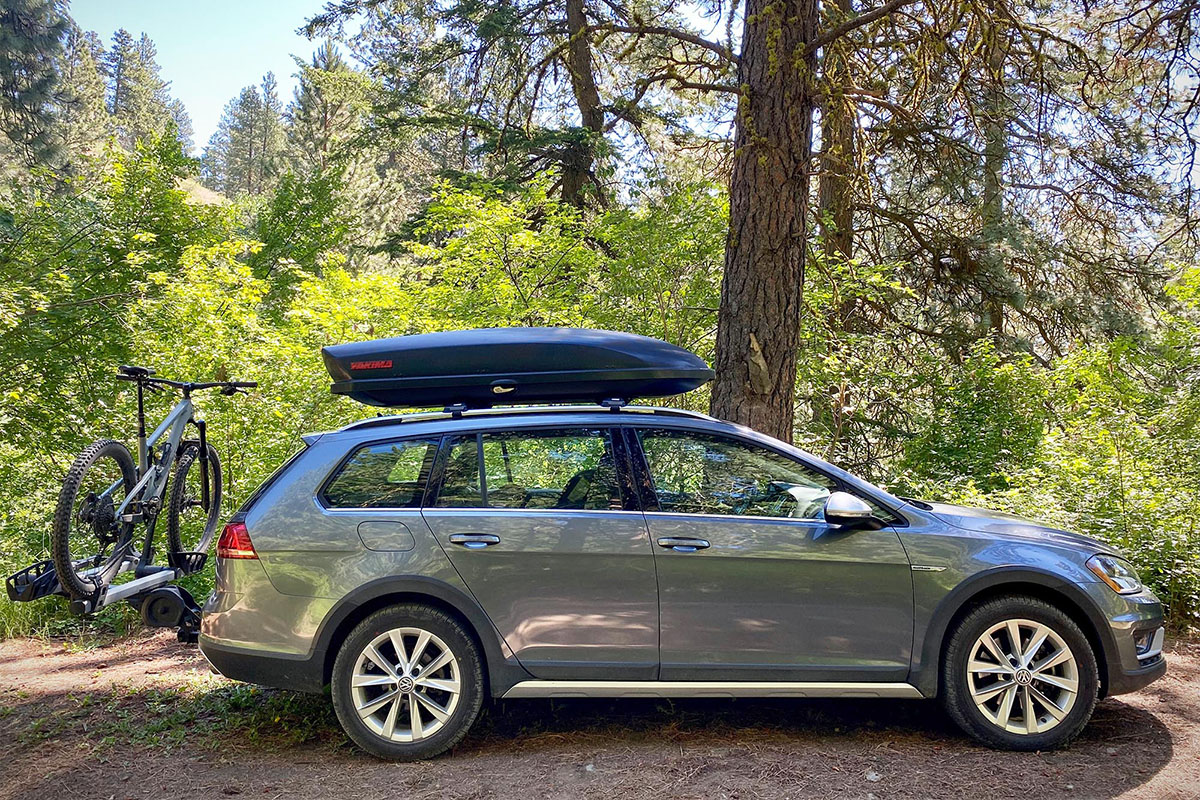
The SkyBox 16 is the safer option for many compact SUVs, wagons, and crossover vehicles. Its shorter length leaves more room between the box and the rear hatch. It also gives you more freedom when placing crossbars.
The SkyBox 18 is longer. That length helps with storage, but it can cause clearance issues on smaller vehicles. On some cars, the rear hatch may touch the box when opened. On others, the box may need to sit farther forward, which can affect windshield clearance and driving noise.
Before buying either model, check these points:
• Measure the distance from the front crossbar to the open rear hatch.
• Confirm the crossbar spread meets Yakima’s requirements.
• Check the weight limit of the vehicle roof and towers.
• Make sure the box does not block the front sunroof.
• Confirm that the box does not extend too far beyond the windshield.
• Test the hatch with the box mounted, if possible.
A dealer or Yakima fit guide can help. Vehicle roof shape differs even among cars with the same model name.
Installation and Ease of Use
Both boxes use Yakima mounting hardware designed for quick installation. The exact system depends on the model year. Some versions use a tool-free clamp system, while older models may use different tightening hardware.
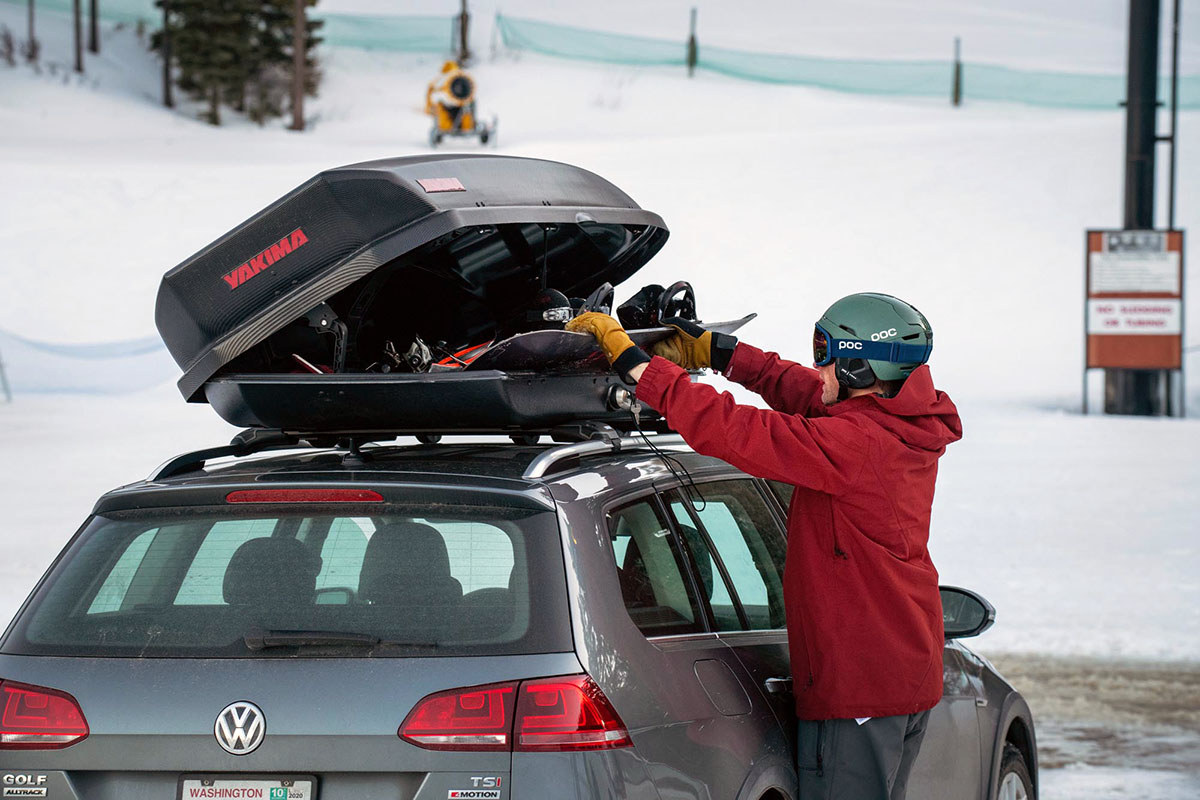
The SkyBox 16 is easier for one person to lift and position. Its shorter body is less awkward in a garage or driveway. This matters if you remove the box after every trip.
The SkyBox 18 is still manageable, but its extra length adds leverage. It can feel unwieldy when you carry it above shoulder height. I have found that a second person makes installation much safer, especially when the box must be moved onto a tall SUV.
A simple installation routine helps:
-
Place the crossbars at the recommended locations.
-
Lift the box with help rather than dragging it across the roof.
-
Center the box from side to side.
-
Check rear hatch and front clearance.
-
Tighten each mount evenly.
-
Open and close the box before loading it.
-
Recheck the mounts after driving a short distance.
Never use a damaged cargo box or loose mounting hardware. A rooftop box must stay secure during sudden braking, strong wind, and rough roads.

Weight Limits and Safe Loading
Cargo volume is not the same as load capacity. A large box may hold many items, but the roof and box still have weight limits.
Yakima commonly lists a maximum cargo rating of up to 165 pounds for these SkyBox models. That does not mean every vehicle can carry 165 pounds on its roof. Your vehicle’s roof rating may be lower, especially when the roof rack, box, and cargo are counted together.
Use this formula:
Vehicle roof limit = cargo box weight + crossbar and tower weight + cargo weight
For example, if your vehicle allows 165 pounds and the rack weighs 30 pounds, a 50-pound SkyBox leaves about 85 pounds for cargo. Always follow the lowest rating in the system.
Good items for a rooftop box include light, bulky gear:
• Sleeping bags
• Coats and sweaters
• Pillows
• Soft luggage
• Towels
• Camping tents
Avoid placing dense, heavy items in the box when possible. Tools, cast iron cookware, large coolers, and heavy liquids belong lower in the vehicle.
Spread cargo evenly. Keep the center of the box balanced, and use soft bags to stop items from moving during turns.
Aerodynamics, Noise, and Fuel Economy
Any rooftop cargo box can affect fuel use. It adds height, weight, and wind resistance. The impact depends on speed, weather, vehicle shape, crossbar design, and how often you drive with the box installed.
The SkyBox 18 has a larger surface area, so it may create slightly more drag than the SkyBox 16. The difference is often modest, but it can become noticeable on long highway trips. A well-positioned SkyBox 16 may be quieter and a little more efficient.
Wind noise also depends on the crossbars. Aero-style bars usually produce less noise than square bars. An empty box can still create sound, especially if the mounts or bars are not aligned.
To reduce noise and fuel loss:
• Remove the box when you do not need it.
• Keep the box centered.
• Tighten all hardware correctly.
• Avoid overloading the front or rear.
• Use aerodynamic crossbars.
• Keep the lid fully closed and locked.
Real-world fuel results vary. It is not accurate to promise a fixed mileage loss for every vehicle.
Security, Access, and Weather Protection
The Yakima SkyBox 16 vs SkyBox 18 models both provide a lockable hard shell. This helps protect luggage from rain, snow, dust, and casual access. A locked box is not a substitute for a secure garage or careful parking, but it adds useful protection during travel.
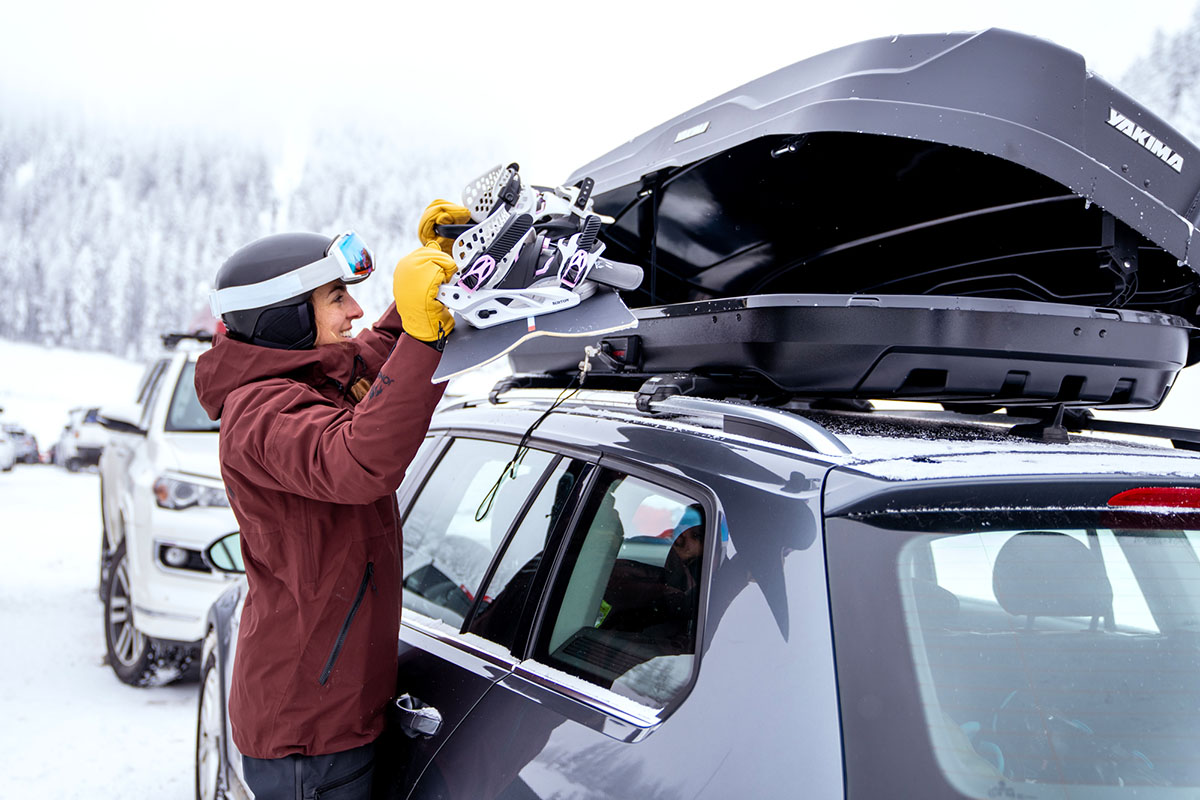
Dual-side opening is one of the best features of the SkyBox range. You can load from the curb side or the driver side. This is helpful when a wall, another car, or a campsite blocks one side.
The SkyBox 18 gives you more room to organize gear, but the deeper load can make small items harder to reach. The SkyBox 16 is often easier to manage because you can see and access the contents more quickly.
Use packing cubes or soft bags. Keep a small amount of space near the opening for items you may need during the trip. Do not force the lid closed. Pressure on the lid can damage the shell or make the lock hard to operate.
Weather protection is strong for normal travel, but no rooftop box should be treated as completely waterproof. Use sealed bags for electronics, documents, food, and other moisture-sensitive items.
Ski and Snowboard Use
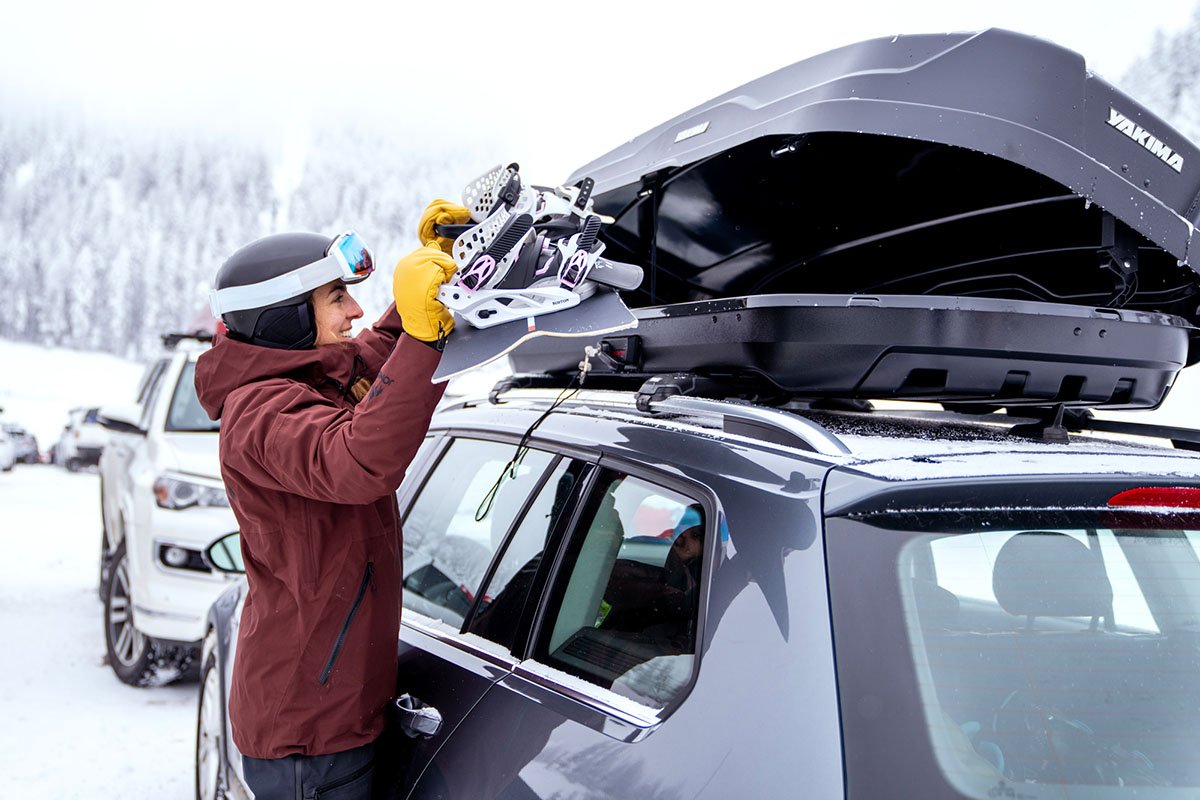
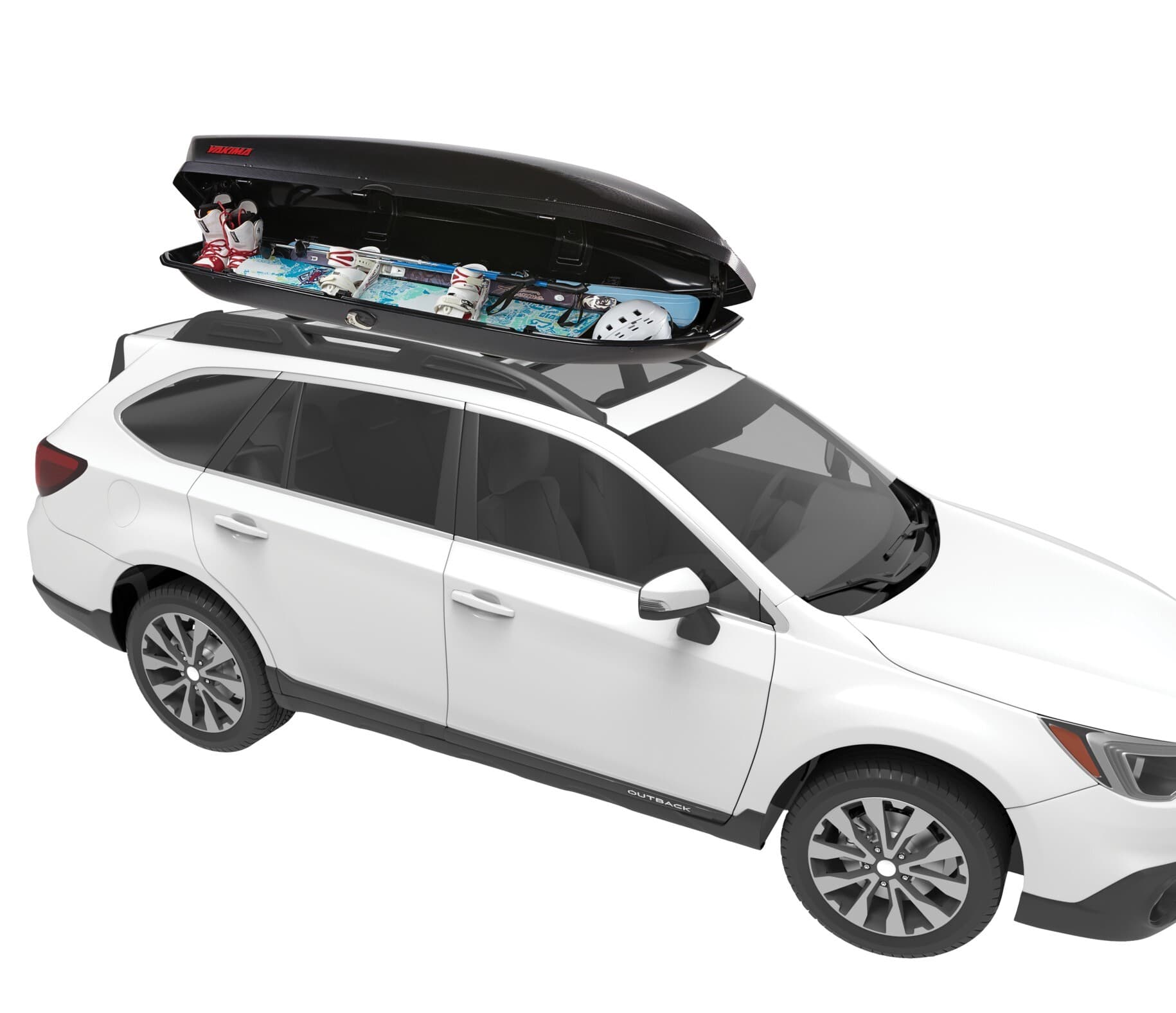
Both models can carry winter sports gear, but the SkyBox 18 offers more room for a large group. The long shape is helpful for skis and snowboards, especially when you also need space for boots and clothing.
The SkyBox 16 may be enough for one or two skiers. It can carry skis, helmets, boots, and jackets if the load is packed carefully. For a family, the SkyBox 18 reduces the need to stack gear tightly.
Before placing skis or boards inside:
• Remove loose snow and ice.
• Use bags to protect the box interior.
• Place sharp edges away from the shell.
• Keep boots and hard gear from pressing against the lid.
• Check the box length against your ski length.
A dedicated ski rack may be better if you only carry skis. A cargo box is more flexible because it protects clothing and other gear too.
Price and Long-Term Value
The Yakima SkyBox 18 usually costs more than the SkyBox 16, though discounts and model years can change the final price. The larger box also may require more storage space when it is not on the vehicle.
The best value depends on how often you need the extra capacity. If you take one large family trip each year, renting a larger box may be more cost-effective. If you travel often, the SkyBox 18 can pay for itself through convenience.
The SkyBox 16 may offer better value for:
• Couples
• Small families
• Compact vehicles
• Weekend travelers
• Drivers who remove the box often
The SkyBox 18 may offer better value for:
• Families of four or more
• Long road trips
• Ski groups
• Campers with bulky equipment
• Drivers who want to keep the cabin clear
Do not choose the largest box simply because it has more space. Extra size brings extra cost, weight, storage needs, and possible clearance issues.
Yakima SkyBox 16 vs SkyBox 18: Which One Should You Buy?
Choose the SkyBox 16 if you want a balanced box for normal travel. It is easier to handle, easier to fit on smaller vehicles, and large enough for many family trips.
Choose the SkyBox 18 if you regularly carry bulky gear or travel with several people. Its extra space can make long trips more comfortable because coats, bags, and camp items stay out of the passenger area.
Here is a simple decision guide:
• Choose SkyBox 16 for a compact SUV, sedan, wagon, or small family.
• Choose SkyBox 18 for a larger SUV, minivan, or full family load.
• Choose SkyBox 16 if one person will install and remove it.
• Choose SkyBox 18 if maximum storage matters more than easy handling.
• Choose SkyBox 16 if rear hatch clearance is limited.
• Choose SkyBox 18 if your roof and crossbars have enough room.
The right answer in the Yakima SkyBox 16 vs SkyBox 18 debate is not always the bigger box. It is the box that fits your car, cargo, and travel habits without creating new problems.
Common Mistakes to Avoid
Many rooftop cargo problems come from poor fit or poor loading rather than a product defect. A few simple checks can prevent most issues.
Avoid these mistakes:
• Buying by cubic feet alone.
• Ignoring the open hatch clearance.
• Exceeding the vehicle roof limit.
• Putting heavy items in the box.
• Leaving the box mounted all year.
• Forgetting to lock the box before driving.
• Using damaged or missing mounting parts.
• Packing items higher than the lid allows.
• Failing to check the box after the first few miles.
One mistake I often see is loading the heaviest items first because they seem stable. This raises the center of gravity and adds stress to the roof. Light, soft items work better in the box, while heavy items should stay inside the vehicle and sit low.
Frequently Asked Questions of Yakima SkyBox 16 vs SkyBox 18
Is the Yakima SkyBox 18 much bigger than the SkyBox 16?
The SkyBox 18 adds about two cubic feet of storage, but it is also longer and slightly heavier. That extra length can matter more than the volume difference when checking hatch clearance and roof fit.
Is the Yakima SkyBox 16 better for a small SUV?
Usually, yes. The SkyBox 16 is shorter and easier to position on many compact SUVs, but you must still confirm the vehicle’s crossbar spread and rear hatch clearance.
Can the Yakima SkyBox 18 hold skis and snowboards?
Yes, the SkyBox 18 is well suited to skis, snowboards, boots, and winter clothing. Check the interior length against your equipment before purchase, since ski sizes and box generations vary.
Which box is easier for one person to install?
The SkyBox 16 is generally easier because it is shorter and lighter. A second person is still recommended for either model, especially when installing on a tall vehicle.
Does the SkyBox 18 use more fuel than the SkyBox 16?
It may use slightly more fuel because it has a larger aerodynamic profile. Actual results depend on the car, speed, crossbars, wind, cargo, and whether the box is removed when not needed.
Can I put heavy luggage in either SkyBox model?
You can place luggage inside, but heavy items should remain in the vehicle when possible. Always stay below the lowest load limit from the vehicle, roof rack, and cargo box.
Are all SkyBox 16 and SkyBox 18 models the same size?
No. Measurements and hardware can vary between older SkyBox versions, Carbonite models, and NX models. Check the product label and current manufacturer specifications before confirming fit.
Conclusion
The Yakima SkyBox 16 vs SkyBox 18 choice is mainly a decision between easier handling and greater storage. The SkyBox 16 suits smaller vehicles, couples, and everyday road trips. The SkyBox 18 is better for large families, bulky camping loads, and frequent winter travel.
Measure your roof, check the hatch, confirm every weight limit, and think about how often you truly need the extra space. Once you match the box to your vehicle and packing style, your next trip can feel less crowded and far more relaxed. Share your vehicle and typical cargo list in the comments, or explore Yakima’s current fit information before making your purchase.