Maxshine Vs Rupes: Which Polisher Wins?
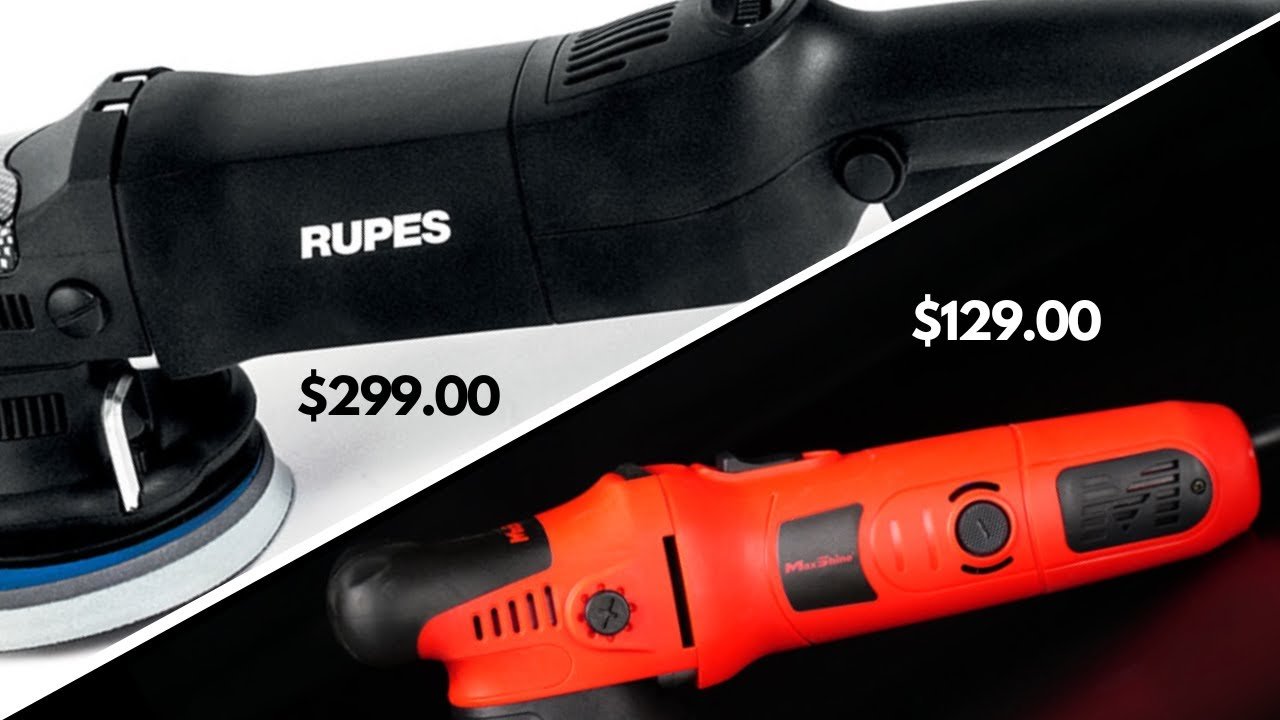
Rupes leads in refinement and control, while Maxshine offers strong value, useful features, and broad tool choices.
Choosing between Maxshine vs Rupes is not simply a matter of picking the more expensive polisher. Both brands make tools for paint correction, polishing, sanding, and professional detailing, but they serve different priorities. Rupes is known for refined systems, smooth operation, and long-term shop use. Maxshine focuses on practical design, competitive pricing, and a wide range of detailing equipment.
This guide compares Maxshine vs Rupes by performance, ergonomics, price, reliability, pad systems, user skill, and real-world value. It also explains which brand suits beginners, mobile detailers, hobbyists, and busy professional shops.
Maxshine vs Rupes: Brand Overview
Rupes is an Italian company with a long history in professional tools. Its BigFoot polishing system helped make long-throw random orbital polishers popular in modern paint correction. The brand is strongly associated with controlled movement, matched pads, and polished system design.
Maxshine is a detailing-focused brand with a broad product range. Its catalog includes dual-action polishers, rotary polishers, pads, brushes, lights, towels, storage items, and other shop tools. This wider focus makes Maxshine appealing to people who want to build a complete detailing setup from one brand.
In simple terms:
• Rupes is often viewed as a system-first brand.
• Maxshine is often viewed as a value-first and range-first brand.
• Both brands offer tools for beginners and professionals.
• Product quality can vary by model, so brand reputation alone should not decide the purchase.
A fair Maxshine vs Rupes comparison must look at the exact polisher. A compact random orbital tool is not directly comparable with a large forced rotation machine. Always compare stroke size, backing plate size, speed range, power, warranty, and intended use.
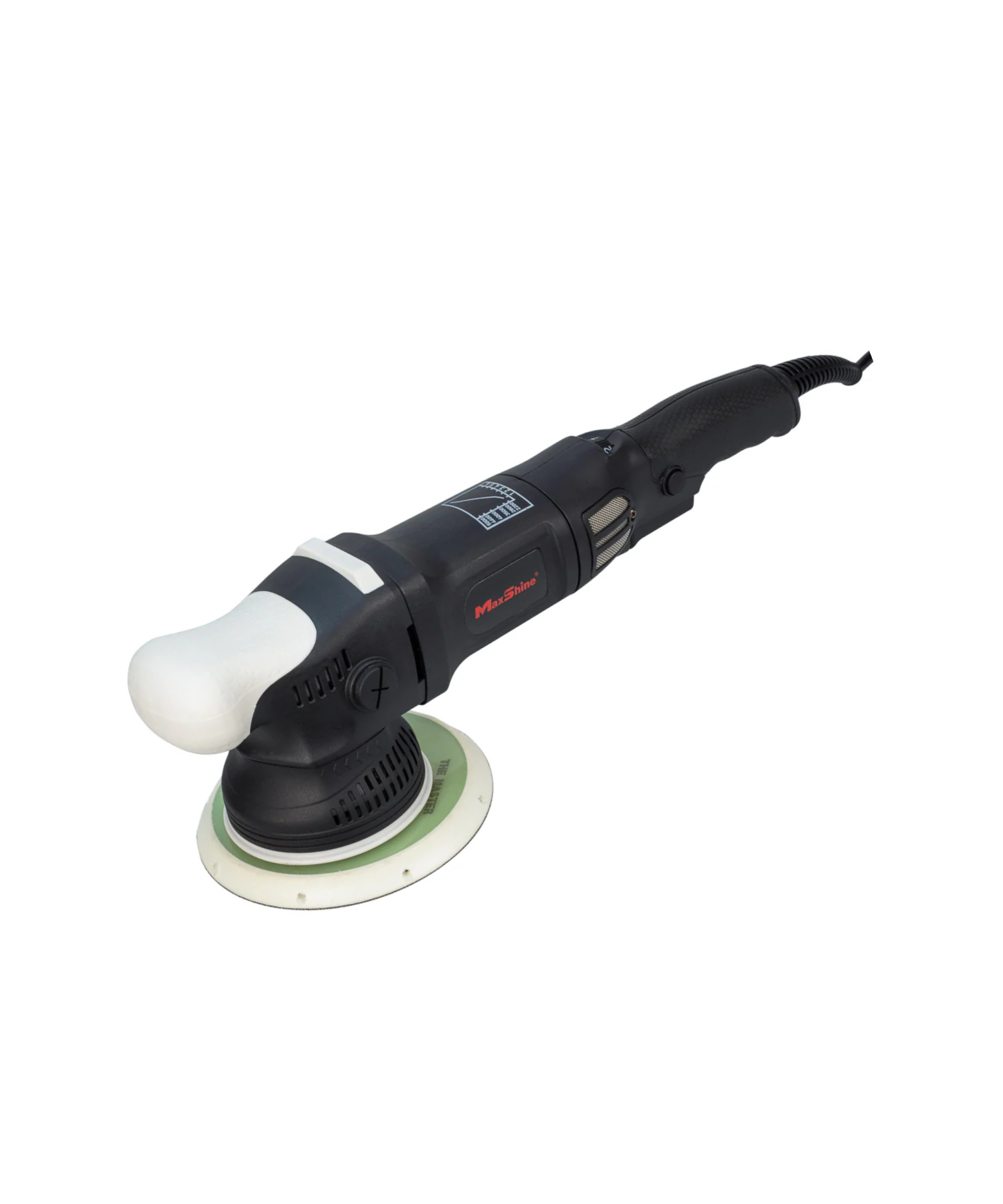
Maxshine vs Rupes Polisher Performance
Polisher performance depends on more than motor power. The tool must maintain stable movement, transfer energy to the pad, control heat, and remain comfortable during long work sessions.
Rupes polishers are known for smooth correction and predictable movement. Their long-throw random orbital models can correct defects quickly while leaving a refined finish when paired with the correct pad and compound. The movement feels controlled, which helps reduce user fatigue and mistakes.
Maxshine polishers can also deliver strong correction, especially when the operator selects the right pad and compound. Some models provide high power and useful speed control at a lower price than comparable premium tools. For many users, the difference in finished paint is smaller than the difference in technique.
The main performance factors include:
• Stroke length: A longer stroke can improve correction speed, but it may feel less stable on curved panels.
• Backing plate size: A smaller plate works well around mirrors, bumpers, and tight body lines.
• Motor control: Consistent speed under pressure helps the pad maintain useful cutting action.
• Balance: A balanced machine is easier to guide and less tiring.
• Heat control: Good ventilation and sensible speed use help protect the tool and paint surface.
The Rupes BigFoot range includes different machine types, such as free-spinning random orbital, gear-driven, and rotary polishers. Maxshine also sells several machine types, including dual-action and rotary designs. These tools should not be judged as if they perform the same job.

Cutting and Finishing Ability
A polisher does not correct paint by itself. The pad, compound, pressure, arm speed, paint hardness, and defect depth all affect the result.
Rupes has an advantage for users who want a carefully matched pad and liquid system. Its polishing products are designed to work together, which can make testing easier. A new user can follow a clear process instead of mixing many unrelated products.
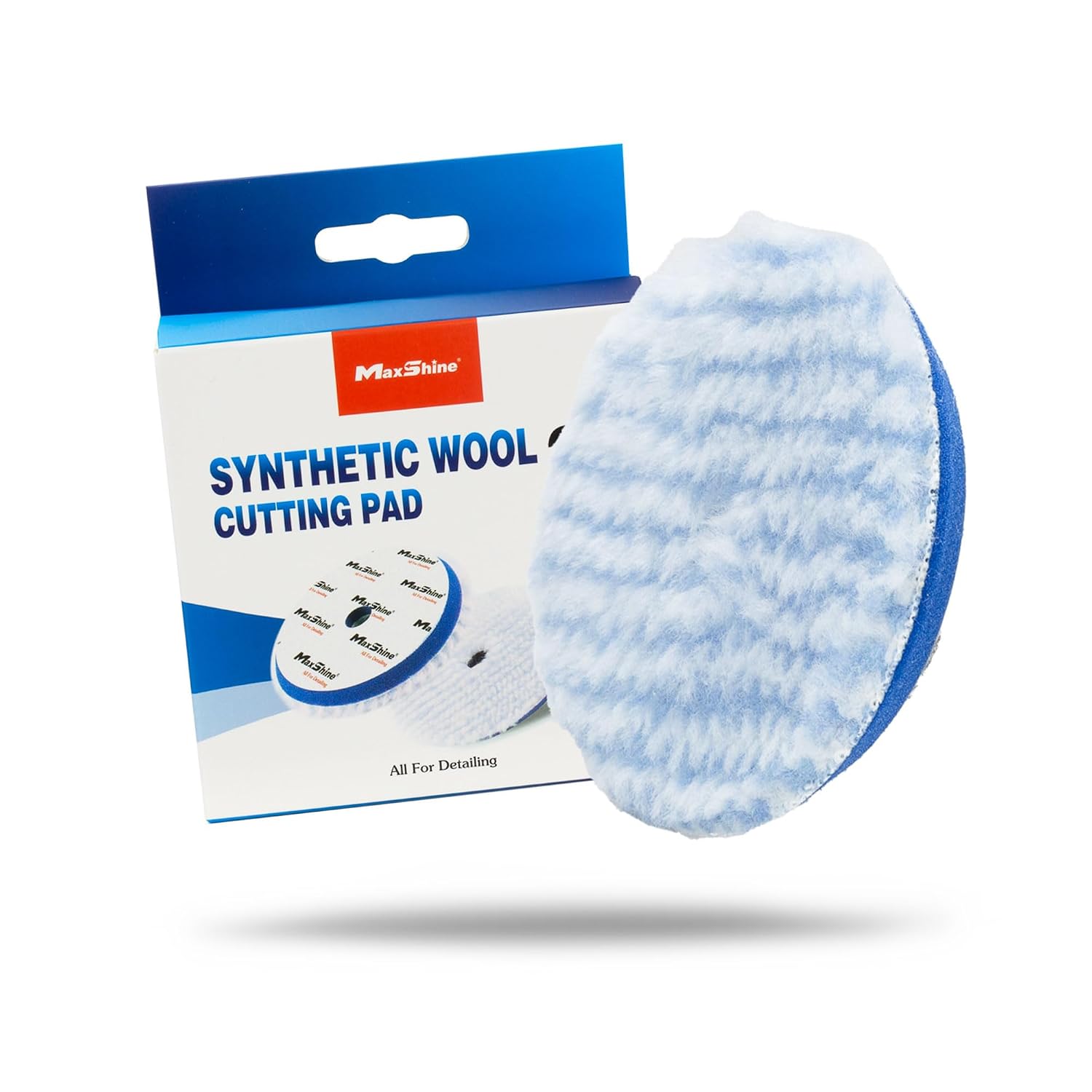
Maxshine offers more flexibility. You can use its machines with foam, microfiber, or wool pads from many brands. This is helpful for detailers who already have products from different suppliers or who want to test lower-cost combinations.
For heavy defects, a larger stroke and firm pad can remove scratches faster. For final finishing, a soft foam pad and fine polish matter more than maximum machine power. Both brands can produce a high-gloss finish when used correctly.
A useful test method is simple:
-
Wash and decontaminate the panel.
-
Measure or inspect the paint when possible.
-
Select a small test area.
-
Try the least aggressive pad and polish first.
-
Increase cutting power only when needed.
-
Check the result under strong, neutral lighting.
This approach prevents a common mistake: using the most aggressive combination before understanding the paint. More cutting can create extra haze, remove more clear coat, and increase finishing work.
Ergonomics, Noise, and User Comfort
A polisher can feel excellent for ten minutes and tiring after four hours. Ergonomics matter greatly for professional detailers and anyone correcting a full-size truck or SUV.
Rupes machines generally have a refined feel. Their handles, controls, and weight distribution are designed for repeated use. Many experienced detailers appreciate the stable grip and smooth motion during long correction jobs.
Maxshine machines often provide comfortable handles and practical controls at a lower purchase price. However, the exact feel differs between models. Some may feel heavier or produce more vibration than a comparable Rupes tool.
Consider these points before buying:
• Weight: A lighter machine helps on vertical panels and roofs.
• Grip shape: A secure grip reduces hand strain.
• Trigger and speed dial: Controls should be easy to adjust while wearing gloves.
• Vibration: Less vibration usually means better comfort during long jobs.
• Cord length: A longer cord can reduce the need for extension cables.
• Noise: Lower noise makes the work area more pleasant, especially indoors.
In a working shop, comfort is not a luxury. A machine that causes less fatigue can help you maintain steady pressure and consistent arm speed. That can improve the final finish more than a small difference in peak motor power.

Build Quality and Reliability
Rupes has a strong reputation for professional build quality. Its machines are widely used in detailing shops, body shops, and training environments. Replacement parts, accessories, and service support are important advantages in many regions.
Maxshine has improved its presence in the detailing market and offers practical tools for many budgets. Its reliability depends on the model, usage level, maintenance, and local support. A tool used occasionally by a hobbyist may last for years, while a busy shop may place much greater demand on the motor and bearings.
No machine is maintenance-free. Good habits include:
• Keep vents clear of dust and compound residue.
• Avoid pressing the tool hard enough to stop pad movement.
• Use the correct backing plate size.
• Inspect the cord and plug before use.
• Store the polisher in a dry place.
• Replace worn pads before they become unstable.
A warranty is also part of reliability. Before buying, check the warranty period, repair process, replacement parts, and seller reputation. A lower-priced tool may not be a bargain if repairs require long shipping times or overseas service.

Price and Overall Value
Price is one of the clearest differences in Maxshine vs Rupes. Rupes machines often cost more because of brand development, engineering, system support, dealer networks, and professional positioning. Maxshine usually makes it easier to enter the market without spending as much.
The best value depends on how often you detail and what you expect from the tool.
Rupes may offer better value when:
• You polish vehicles every week.
• You want a complete pad and compound system.
• You value refined balance and low fatigue.
• You need strong dealer and service support.
• You plan to use one machine for many years.
Maxshine may offer better value when:
• You are starting a detailing business.
• You need several machine sizes.
• Your budget must also cover pads, compounds, lights, and towels.
• You detail cars part-time or as a hobby.
• You want strong performance without paying for a premium platform.
Remember to calculate the full cost. Include backing plates, pads, compounds, extension cords, storage, shipping, taxes, and possible replacement parts. A cheaper polisher with poor pads may deliver worse results than a mid-priced machine with a well-matched system.

Which Brand Is Better for Beginners?
For many beginners, Maxshine can be an accessible starting point. The lower entry cost may leave room for practice panels, extra pads, paint inspection lights, and quality cleaning products. A beginner can learn the basics without making a major investment.
Rupes can also be beginner-friendly, especially when purchased as part of a matched polishing system. Clear pad and compound recommendations can reduce guesswork. The main challenge is the higher initial cost.
Your first machine should be easy to control. A free-spinning dual-action polisher is usually safer for new users than a rotary polisher. It is less likely to create severe holograms or burn through thin paint when used with care.
New users should remember:
• Start on a test panel.
• Use moderate pressure.
• Keep the pad flat.
• Clean the pad often.
• Avoid sharp edges until your technique improves.
• Inspect the paint after each pass.
A premium machine will not replace good technique. In my practical comparison framework, the biggest beginner gains usually come from pad selection, lighting, and controlled movement rather than from buying the most expensive tool.

Which Brand Is Better for Professionals?
Professional detailers often choose tools based on speed, comfort, service, and repeatability. Rupes has a strong advantage for shops that want a recognized professional system and a consistent workflow across several technicians.
Maxshine can make sense for growing shops that need multiple machines or backup tools. A business might use a higher-end polisher for finishing and correction, then keep Maxshine machines for smaller panels, spot repairs, or employee training.
A professional setup does not need to use one brand for everything. Many shops mix brands based on the task. For example:
• A long-throw Rupes machine can handle broad paint correction.
• A compact Maxshine machine can work around door handles and narrow sections.
• A rotary polisher can handle selected heavy-cut jobs.
• Different pad brands can be chosen for paint hardness and finish goals.
The best professional choice is the one that keeps quality high while protecting productivity. If two machines create the same finish, the lighter or less costly option may be the smarter business tool.

Maxshine vs Rupes for Mobile Detailers
Mobile detailers must consider transport, power access, storage, and repair risk. A compact and lighter machine can be easier to carry between driveways, garages, and commercial sites.
Maxshine may appeal to mobile operators because it offers several affordable machine options. Saving money on the main polisher can help fund a generator, battery system, lighting, water tank, or canopy.
Rupes may be a better choice when the detailer relies on daily polishing and wants reduced fatigue. Its professional reputation can also help when presenting a premium service to customers.
Mobile detailers should prioritize:
• Low weight.
• Compact storage.
• A reliable power cord.
• Easy access to replacement pads.
• A local warranty option.
• Good performance at moderate electrical loads.
Do not buy only by advertised wattage. A machine’s real usefulness depends on how well it maintains pad movement under normal working pressure. A balanced tool with steady control may outperform a stronger but harder-to-manage machine.

Common Mistakes to Avoid
Many poor comparisons of Maxshine vs Rupes focus only on speed or price. That misses the details that shape real results.
Avoid these mistakes:
• Comparing different polisher types as if they were equal.
• Choosing a long-throw machine for tight, curved panels without practice.
• Using a dirty or overloaded pad.
• Applying too much pressure and stopping pad rotation.
• Ignoring paint thickness and clear-coat limits.
• Buying a machine without checking local warranty support.
• Expecting one pad and compound to work on every vehicle.
• Judging gloss under weak or warm indoor lighting.
Paint correction removes a small amount of clear coat. It is not a process to repeat aggressively without reason. The safest correction is the least aggressive method that produces the desired improvement.
Recommended Buying Checklist
Before deciding between Maxshine vs Rupes, write down your real needs. This takes only a few minutes and prevents an expensive mismatch.
Use this checklist:
-
How many vehicles will you polish each month?
-
Are you correcting light swirls or deep defects?
-
Do you need a full-size, compact, or both types of polishers?
-
Will you work mainly on flat panels or complex body shapes?
-
How important are low vibration and reduced fatigue?
-
Can you access local warranty service?
-
What is your total budget after buying pads and compounds?
-
Do you already use a specific polishing system?
-
Will other people use the tool?
-
Do you need a recognized professional brand for your business?
For a hobbyist, a good Maxshine dual-action polisher may provide all the power needed. For a high-volume shop, a Rupes system may justify its higher cost through comfort, repeatability, and support. For many users, the best answer is a mixed setup rather than complete brand loyalty.
Frequently Asked Questions About Maxshine vs Rupes
Is Rupes better than Maxshine?
Rupes is often better for users who want refined ergonomics, matched polishing systems, and strong professional support. Maxshine can offer similar real-world results at a lower price when the operator uses suitable pads, compounds, and technique.
Is Maxshine a good brand for polishing cars?
Yes, Maxshine offers capable polishers and detailing accessories for beginners, enthusiasts, and professionals. Check the exact model, warranty, backing plate size, and user reviews because performance can differ across the product range.
Which is better for a beginner, Maxshine or Rupes?
Maxshine may be easier on a beginner’s budget, while Rupes can provide a more guided system with matched products. A free-spinning dual-action polisher from either brand is usually a sensible first choice.
Can Maxshine pads be used with Rupes polishers?
In most cases, yes. Pads and polishers use common backing plate sizes, but you must match the pad diameter, backing plate, machine type, and intended speed range.
Does Rupes remove scratches faster than Maxshine?
Not automatically. Correction speed depends on the machine stroke, pad, compound, paint hardness, defect depth, pressure, and arm speed. A skilled operator with a Maxshine machine may correct paint faster than an inexperienced operator with a Rupes tool.
Which brand lasts longer?
Rupes has a strong reputation for long-term professional use, but service life depends on maintenance and workload. A well-maintained Maxshine polisher used within its limits can also provide years of service.
Is a rotary polisher better than a dual-action polisher?
A rotary polisher can cut quickly, but it requires more skill and can create holograms or excessive heat. A dual-action polisher is generally easier and safer for beginners and most general paint correction work.
Conclusion
Maxshine vs Rupes is a comparison between two useful but different approaches to detailing tools. Rupes stands out for refined design, system support, and professional comfort. Maxshine stands out for value, variety, and accessible performance.
Choose Rupes if you polish often, want a polished workflow, and value long-term comfort. Choose Maxshine if you need capable equipment at a lower cost or want to build a flexible detailing setup. Whichever brand you select, invest in proper pads, good lighting, safe technique, and regular maintenance.
Start with the machine that fits your work, not the logo that looks most impressive. Compare current model specifications, check warranty coverage, and practice on a test panel before correcting valuable paint. Share your own Maxshine vs Rupes experience or explore more detailing guides to refine your setup.