How To Use A Fluid Transfer Pump: Easy Step-By-Step Guide
A fluid transfer pump moves liquid safely by creating suction, then pushing it through a hose or line.
If you want to move water, fuel, oil, coolant, or other liquids without making a mess, learning how to use a fluid transfer pump is a smart place to start. I’ve used these pumps in workshops, garages, and small equipment jobs, and the big lesson is simple: the right setup matters more than speed. When you understand priming, hose placement, flow control, and safety, a fluid transfer pump becomes one of the most useful tools you can own.
What a fluid transfer pump does and when to use one
A fluid transfer pump is a device that moves liquid from one place to another. It may be manual, electric, air-powered, or battery-powered. In practice, people use a fluid transfer pump for tasks like draining tanks, refilling containers, moving water after flooding, or handling fuel and oils in maintenance work.
The main job of a fluid transfer pump is simple: pull fluid in and push it out in a controlled way. That sounds basic, but it saves time, reduces spills, and lowers the risk of contamination. In my experience, it is one of those tools that feels small until you need it, and then it suddenly becomes the star of the job.
Common uses include:
- Transferring water from barrels, tanks, or flooded areas
- Moving gasoline, diesel, or kerosene in approved settings
- Pumping oils, coolants, and other shop fluids
- Emptying aquariums, basins, or small storage containers
- Supporting irrigation and light industrial tasks
A good rule is to match the pump to the fluid. Clean water, fuel, and thick oil do not behave the same way. If you choose the wrong pump type, the flow may be weak, the seals may fail, or the pump may clog.

Types of fluid transfer pumps
Not every fluid transfer pump works the same way. The type you choose depends on the liquid, the distance, and the amount you need to move. Knowing the main categories helps you avoid a lot of frustration.
Manual pumps
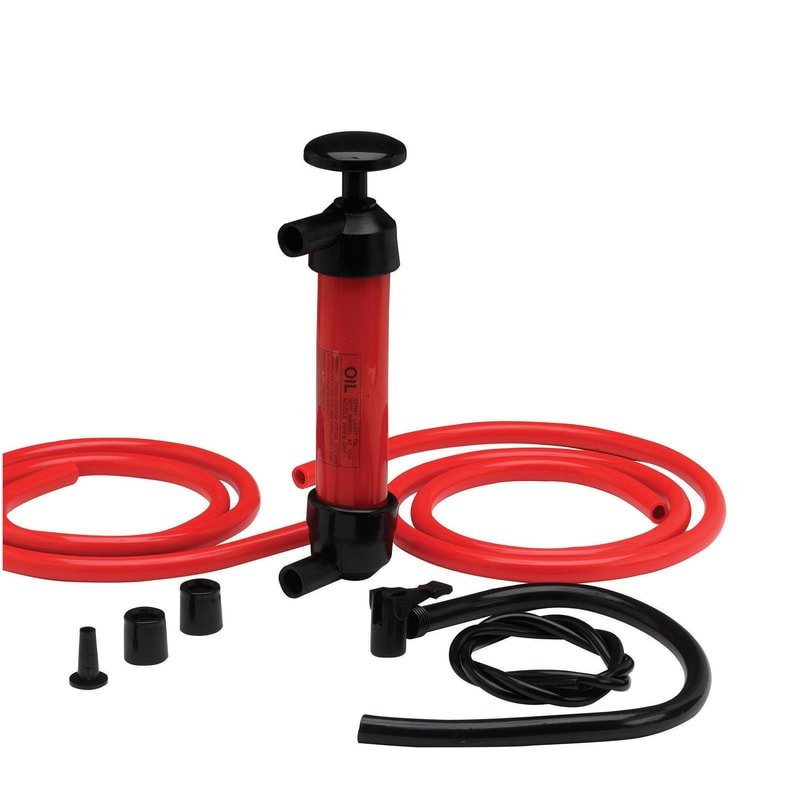
Manual pumps use hand force. They are common for small jobs and emergency use. They are simple, low-cost, and easy to carry, but they are not ideal for large volumes.
Electric pumps
Electric fluid transfer pumps are popular for home, garage, and light commercial use. They are faster and require less effort, which makes them useful for repeated tasks. They do need a power source, so planning matters.
Battery-powered pumps
Battery models are handy when you need mobility. I’ve found them useful in places where extension cords are a pain or power is not nearby. They usually work best for moderate flow and shorter jobs.
Air-powered pumps
Air-operated pumps are common in industrial or workshop environments. They can handle certain viscous or hazardous fluids well, but they require compressed air. These are often chosen for durability and steady output.
Siphon pumps
Siphon-style tools rely on gravity and pressure difference. They are simple and useful for basic liquid movement, but they are not suited for every fluid or every setup. If the hose routing is wrong, the siphon may fail.
How to use a fluid transfer pump step by step
Using a fluid transfer pump is not hard, but the order matters. A neat setup prevents leaks, wasted fluid, and equipment damage. This is the process I recommend for most common transfer jobs.
1. Check the pump and fluid type
Before you start, confirm that the pump is rated for the fluid you plan to move. Some pumps are built for water only, while others are safe for fuel, oil, or chemicals. Never assume one pump can handle everything.
Look at:
- Fluid compatibility
- Maximum temperature
- Viscosity limits
- Hose size and connection type
- Electrical rating, if powered
2. Inspect the pump before use
A quick inspection can save a full cleanup later. Check hoses for cracks, loose fittings, and buildup inside the line. Make sure the seals are intact and the intake screen is clean.
I once skipped this step on a small fuel transfer job and paid for it with a slow leak at the clamp. It was a simple mistake, but it reminded me that most pump problems start with tiny issues.
3. Place the pump and hoses correctly
Set the pump on a stable, level surface. Keep the intake hose in the source container and the discharge hose in the receiving container. Make sure both ends are secure so they do not slip out during operation.
Helpful setup tips:
- Keep the intake hose fully submerged when needed
- Avoid sharp bends or crushed hoses
- Use a container that can handle the fluid safely
- Keep the discharge line aimed into the center of the target container
4. Prime the pump if required
Some pumps need priming before they can move fluid. Priming means filling the pump or intake line so air does not block the flow. If the pump runs dry too long, it may lose suction or wear out faster.
Follow the manufacturer’s instructions for priming. For self-priming models, the process is easier, but it still helps to remove trapped air when possible.
5. Start the pump and watch the flow
Turn the pump on and check that fluid is moving steadily. Do not walk away right away. Watch for air bubbles, leaks, vibration, or strange noise.
If the flow is weak, stop and check:
- Air in the line
- Blocked intake screen
- Low battery or weak power supply
- Loose fittings
- Pumping height that exceeds the pump’s limits
6. Monitor the transfer until it is done
Stay near the pump while it runs. Overfilling a container is one of the easiest ways to create a mess. Use a marked container or a fill-level sensor if the job is large.
A fluid transfer pump works best when you treat it like a helper, not a babysitter. It still needs your attention.
7. Shut down and clean up properly
Once the transfer is complete, shut off the pump and disconnect it carefully. Drain any leftover fluid from the hoses if the fluid type requires it. Clean the pump body, inspect the parts again, and store it in a dry place.
If the pump handled fuel, oil, or another residue-heavy fluid, cleaning is even more important. Leftover buildup can harden and reduce performance the next time you use it.

Safety tips when using a fluid transfer pump
Safety is not optional here. Moving liquid may seem harmless, but the risks can include slips, spills, burns, fire, and contamination. A careful setup protects both you and the equipment.
Keep these safety habits in mind:
- Wear gloves and safety glasses when needed
- Work in a well-ventilated area, especially with fuel or solvents
- Keep ignition sources away from flammable liquids
- Use the right container for the fluid
- Never exceed the pump’s pressure or flow rating
- Disconnect power before cleaning or adjusting hoses
- Keep absorbent pads or towels nearby for small spills
If you are transferring gasoline or similar fuels, extra caution is essential. Static electricity, vapor buildup, and poor grounding can create serious hazards. For that reason, always follow the manufacturer’s safety instructions and local rules for fuel handling.
Common mistakes to avoid
Even experienced users make mistakes with a fluid transfer pump. The good news is that most of them are easy to prevent. I’ve seen the same issues come up again and again, especially in rushed jobs.
Here are the most common ones:
- Using the wrong pump for the fluid
- Forgetting to prime the pump
- Letting the intake hose suck air
- Running the pump dry for too long
- Ignoring hose wear or cracked fittings
- Transferring into an unstable container
- Leaving the pump unattended during filling
- Failing to clean the system after use
One of the biggest lessons I’ve learned is this: problems with a fluid transfer pump usually come from setup, not from the pump itself. A five-minute check often prevents a 30-minute cleanup.
How to choose the right fluid transfer pump
Choosing the right fluid transfer pump depends on the job, not just the price. A cheap pump that is wrong for the fluid will usually cost more in the long run. The best choice is the one that matches your task cleanly and safely.
Look at these factors:
- Fluid type: water, fuel, oil, coolant, or chemical
- Flow rate: how fast you need the transfer to happen
- Lift height: how far the liquid must travel vertically
- Hose length: the distance between source and destination
- Power source: manual, electric, battery, or air
- Durability: materials like plastic, aluminum, stainless steel, or cast iron
- Portability: whether you need a fixed or mobile setup
For home use, a compact electric or battery-powered pump often works well. For thicker fluids or repeated industrial use, a stronger pump with better seals and more robust parts is usually worth it.
Maintenance tips for longer pump life
A fluid transfer pump lasts longer when you treat it well. Like any tool, it performs better with simple, regular care. Most maintenance is easy and takes only a few minutes.
Good maintenance habits include:
- Rinse or flush the pump after compatible use
- Check seals and gaskets for wear
- Store hoses without kinks
- Keep dust and debris away from connectors
- Replace damaged clamps or fittings early
- Test the pump before a major job
- Follow the service schedule from the manufacturer
In my experience, regular cleaning is the cheapest insurance you can buy for this kind of tool. A clean pump starts easier, flows better, and fails less often.
Real-world examples of fluid transfer pump use
A fluid transfer pump shows up in a lot of everyday situations. That is part of why it is such a practical tool. Here are a few common examples.
- A homeowner uses a transfer pump to empty a rain barrel before winter
- A mechanic moves engine oil into a waste container during service
- A farmer shifts water between storage tanks for irrigation
- A boater pumps out bilge water before docking
- A contractor transfers fuel on a remote site where equipment is spread out
These jobs look different, but the basic process stays the same: match the pump to the fluid, set up the hoses well, and keep an eye on the flow.

Frequently Asked Questions of How to use a fluid transfer pump
How do I prime a fluid transfer pump?
Priming usually means filling the pump or suction line with fluid so air does not block the flow. Some pumps self-prime, while others need manual filling before startup. Always check the user manual because the method depends on the pump design.
Can I use one fluid transfer pump for water and fuel?
Only if the pump is specifically rated for both. Many pumps are made for water only and may not be safe for flammable liquids or petroleum products. Using the wrong pump can damage seals and create a safety risk.
Why is my fluid transfer pump losing suction?
The most common causes are air leaks, a clogged intake, a loose fitting, or a hose that is not submerged enough. Low fluid level, a worn seal, or a pump that is too weak for the job can also cause suction loss. Start with the hose and connections before assuming the pump is broken.
How do I know if my pump is running too dry?
If you hear unusual noise, see no flow, or notice overheating, the pump may be running dry. Many pumps should not be operated without fluid because it can wear parts quickly. Stop the pump right away and check the intake before restarting.
What size fluid transfer pump do I need?
The right size depends on the volume you need to move, the fluid type, and the height and distance involved. A small home job may only need a compact pump, while a larger task may require a higher flow rate and stronger motor. If you are unsure, choose based on the toughest part of the job, not just the amount of liquid.
Conclusion
Using a fluid transfer pump is really about control, safety, and the right setup. Once you understand the fluid type, prime the system properly, and keep an eye on hoses and flow, the job becomes much easier. That small bit of preparation is what separates a smooth transfer from a messy one.
If you use a fluid transfer pump regularly, make the habit of checking compatibility, cleaning the unit, and watching for wear. The more careful you are at the start, the more reliable the pump will be later. Try these tips on your next job, and if you want to keep learning, explore more maintenance guides or leave a comment with your own pump experience.