Yakima Vs Thule Cargo Box: Best Choice For Your Car
Yakima and Thule cargo boxes both offer safe, sleek storage, but the best choice depends on fit, price, and features.
Choosing between Yakima and Thule is not just a brand decision. It affects how much gear you can carry, how easy the box is to use, and how well it fits your vehicle. After comparing their mounting systems, shapes, security features, warranties, and real-world use cases, this Yakima vs Thule Cargo Box guide will help you make a confident choice without paying for features you do not need.
Yakima vs Thule Cargo Box: Quick Comparison
Yakima and Thule are two of the best-known roof cargo box brands in the United States. Both make durable, aerodynamic boxes for road trips, skiing, camping, and family travel.
The main difference is often not basic quality. Both brands make strong products. The better choice depends on your roof rack, budget, cargo needs, and preferred design.
| Feature | Yakima Cargo Box | Thule Cargo Box |
|---|---|---|
| Best known for | Easy use, bold design, practical value | Refined design, strong fit, premium details |
| Popular product lines | SkyBox, GrandTour, CBX | Force, Motion, Vector |
| Mounting system | SuperLatch on many models | PowerClick on many models |
| Opening style | Many models open from both sides | Many models open from both sides |
| Price range | Mid-range to premium | Mid-range to premium |
| Best for | Families, outdoor users, and value shoppers | Frequent travelers and premium buyers |
| Key concern | Model size and hatch clearance | Higher price on premium models |
Both brands offer models in several lengths and volumes. A small box may suit daily travel, while a long box may be better for skis and snowboards.
.jpg)
Yakima Cargo Box Overview
Yakima has a strong reputation among outdoor users. Its cargo boxes often have a rugged look, simple controls, and useful space for camping gear, strollers, luggage, and winter equipment.
The Yakima SkyBox line is a common choice for families and road travelers. The GrandTour line adds a more polished shape and finish. The CBX line focuses on modern styling and premium features, though exact features vary by model year.
Yakima strengths
Yakima cargo boxes stand out in several areas:
• Simple installation on compatible crossbars
• Wide handles and clear locking systems on many models
• Good interior space for soft bags and camping gear
• Strong outdoor image and practical design
• Several sizes for cars, SUVs, and crossover vehicles
Many Yakima boxes use the SuperLatch system. It helps confirm that the box is closed and attached correctly. Still, you should always check the clamps by hand and follow the installation guide.
Yakima also tends to offer a useful balance between price and features. A mid-range Yakima box can provide most of what a typical family needs without moving into the highest price tier.
Yakima limitations
A Yakima box is not automatically the best fit for every vehicle. Some larger models may sit close to a rear hatch, especially on short SUVs or vehicles with tall liftgates.
The finish can also affect your choice. Glossy surfaces may look sharp but can show dust, road film, and small marks more easily than textured finishes.
Before buying, check:
• Roof rack bar spread
• Maximum crossbar load
• Vehicle roof weight limit
• Rear hatch clearance
• Box length compared with your skis or boards
• Distance between the box and the vehicle roof
Yakima provides good options, but the model number matters more than the logo on the lid.
Thule Cargo Box Overview
Thule has built a global reputation for roof racks, bike carriers, ski carriers, and cargo boxes. Its products often have a clean shape, smooth hardware, and a premium feel.
The Thule Force line is a popular choice for everyday travel. The Motion line usually adds improved styling, more refined hardware, or extra convenience. The Vector line sits near the premium end and is designed for buyers who want a high-end finish and a polished interior.
Thule strengths
Thule cargo boxes are known for:
• Clean aerodynamic designs
• Smooth opening and closing on many models
• Strong interior finishing
• Useful dual-side access on many products
• Broad compatibility with Thule and other roof racks
Many Thule models use PowerClick mounting hardware. The system is designed to make installation easier and provide a clear indication when the clamps are tight.
Thule also pays close attention to shape. A well-designed cargo box can reduce wind noise compared with a poorly shaped or poorly loaded box. However, no roof box is silent. Noise depends on the box, vehicle, crossbars, speed, load, and installation.
Thule limitations
The biggest drawback in a Yakima vs Thule Cargo Box comparison is often price. Premium Thule models can cost more than similar-size Yakima boxes.
A higher price may bring better finishing, smoother controls, or a more refined shape. It does not always mean the box will carry more gear or protect cargo better.
Thule boxes also come in many sizes. This creates choice, but it can make shopping confusing. Compare internal length and usable width, not only the advertised volume.

Yakima vs Thule Cargo Box: Size and Cargo Space
Cargo volume is one of the first numbers shoppers see. It is also one of the easiest numbers to misunderstand.
A box with more liters is not always better. A wide, medium-length box may hold more family luggage than a narrow, long box. A long box may be ideal for skis but less useful for bulky camping bins.
Choose the size by cargo type
Use this simple guide:
• Small boxes work well for extra luggage, coats, and small travel bags.
• Medium boxes suit most couples and small families.
• Large boxes help families carry strollers, coolers, luggage, and outdoor gear.
• Long boxes are useful for skis and snowboards.
• Narrow boxes leave room for a bike rack or another roof accessory.
A long cargo box can hold skis, but you should measure the actual equipment. Some modern skis and snowboards are wide, and bindings can require extra height.
Soft duffel bags are easier to pack than hard suitcases. They can fill curved corners and reduce empty space. A few large bags often work better than many small items.
Volume is not the whole story
Manufacturers measure box volume under controlled conditions. Real cargo may not fit the same way because of curves, hinges, clamps, and lid shape.
When comparing the Yakima vs Thule Cargo Box options, look for:
• Usable interior length
• Interior height
• Opening width
• Position of mounting clamps
• Space needed for bindings or tall bags
• Clearance from the rear hatch
A box that barely fits your cargo can be more frustrating than a smaller box packed well.
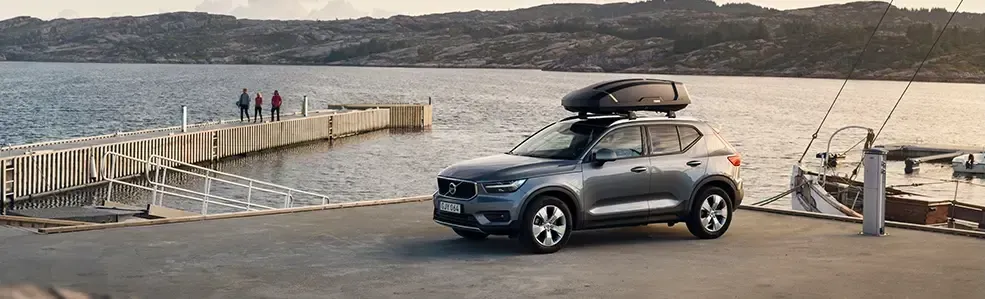
Yakima vs Thule Cargo Box: Installation and Fit
A cargo box should be easy to install, but fit remains the most important factor. A box that mounts quickly is still a poor choice if it blocks the hatch or exceeds your roof limit.
Both brands make models that attach to common crossbars. Compatibility depends on bar shape, spacing, clamp width, and the design of the box.
What to check before installation
Follow these steps:
-
Read the vehicle owner’s manual for the roof weight limit.
-
Check the roof rack manual for its own weight limit.
-
Confirm that the crossbars support the box clamps.
-
Measure the distance between the bars.
-
Check the front and rear clearance.
-
Test the hatch with the empty box installed.
-
Tighten each clamp evenly.
The lowest weight limit controls the setup. For example, if your vehicle allows 165 pounds but the roof rack allows 150 pounds, use the lower figure. Remember that the cargo box and crossbars count toward the total.
Hatch clearance matters
Hatch clearance is a common mistake. The box may fit the roof but still interfere with the liftgate.
To reduce this risk:
• Place the box as far forward as the rack allows without touching the roof or antenna.
• Keep the rear clamps clear of the hatch path.
• Test the hatch slowly.
• Do not force the liftgate against the box.
Some vehicles have adjustable crossbar positions. Moving the bars may solve a clearance issue, but never place them outside the approved range.

Ease of Use and Daily Convenience
A roof box can look impressive in a showroom and still be annoying on a rainy travel day. The small details matter when your hands are full of bags.
Both Yakima and Thule offer boxes with dual-side opening. This lets you load from the curb side or passenger side. It also helps when a wall, another vehicle, or a roof accessory blocks one side.
Features worth considering
Look for:
• Two-sided opening
• Large lid handles
• Lock confirmation
• Easy-to-see clamp indicators
• Gas struts that hold the lid open
• Interior light on select premium models
• Low-profile mounting hardware
Thule often feels more polished in the way its lid and hardware operate. Yakima models can feel more direct and practical. The difference is real, but it may not justify a higher price for occasional users.
One practical lesson is to pack the box before leaving home. Do not wait until the driveway is crowded and the family is ready to go. An organized box saves time and helps prevent overloading.

Security and Weather Protection
A cargo box adds protection from rain, snow, dust, and road spray. It does not make cargo completely waterproof.
Both Yakima and Thule boxes use sealed lids and locking systems. Their performance depends on proper closing, clean seals, and correct loading.
Improve weather protection
Use these habits:
• Place wet items in sealed bags.
• Keep sharp tools away from the lid seal.
• Do not overfill the box.
• Close the lid evenly on both sides.
• Clean the seal before winter trips.
• Check that the lock fully engages.
A cargo box is also a theft deterrent, not a vault. The lock may discourage casual access, but valuable items should not remain inside the box overnight.
Never store passports, cameras, laptops, or expensive equipment in an unattended roof box for long periods.
Wind Noise, Fuel Use, and Driving Feel
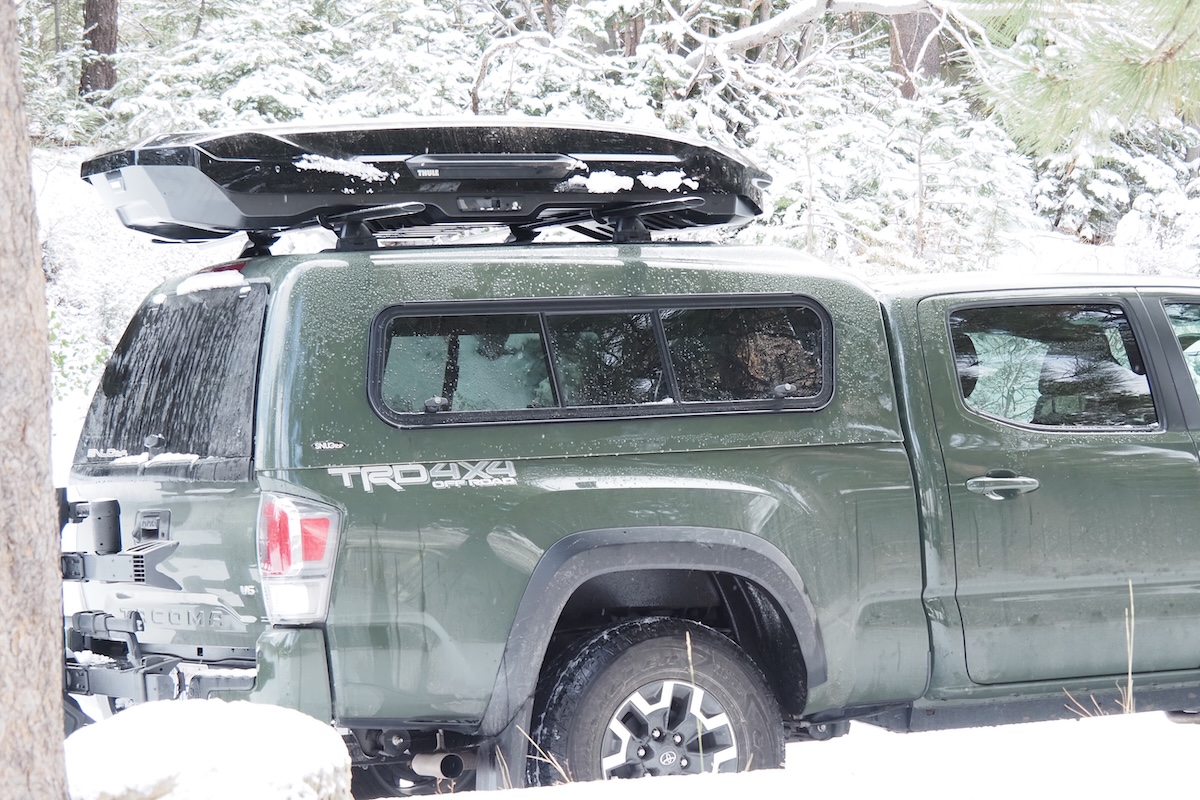
Any roof cargo box can change the way a vehicle feels and sounds. Air moves over the box at highway speed, which can create wind noise and increase fuel use.
The amount varies by:
• Box shape
• Crossbar design
• Vehicle roofline
• Driving speed
• Cargo weight
• Box position
• Crossbar overhang
A sleek box does not guarantee a quiet ride. In some vehicles, the crossbars create more noise than the box.
A roof box also raises the vehicle’s center of gravity. The change is small, but you may notice more wind effect on open roads. Drive smoothly, slow down in strong crosswinds, and allow more space when changing lanes.
Fuel use may increase because of added weight and aerodynamic drag. Independent road tests and engineering studies show that roof-mounted equipment can affect fuel economy, especially at highway speeds. The exact impact varies, so treat any advertised fuel estimate as a general guide rather than a promise.

Yakima vs Thule Cargo Box: Durability and Warranty
Modern cargo boxes from both brands use tough plastic shells designed for outdoor use. Durability depends on sunlight, temperature, loading habits, storage, and installation.
A box can last for many years if you:
• Avoid dragging it across the ground.
• Store it supported on its side or in a proper holder.
• Keep it away from extreme heat when stored.
• Wash road salt from the hardware.
• Do not exceed the weight limit.
• Tighten the clamps correctly.
Warranty terms vary by product and region. They can also change between model years. Review the current warranty before buying, especially if you are comparing a premium box with a lower-priced model.
Warranties usually do not cover damage from misuse, accidents, improper installation, normal wear, or overloading. Keep your receipt and record the model number.
Yakima vs Thule Cargo Box: Price and Value
Price matters, but the cheapest box is not always the best value. The right question is how often you will use it and what type of gear it must carry.
Yakima often appeals to shoppers who want practical features at a competitive price. Thule may appeal to buyers who value refined design, premium controls, and a strong product ecosystem.
Yakima may be the better value when
• You take several road trips each year.
• You need extra family storage.
• You want simple mounting hardware.
• You prefer a rugged, useful design.
• You are buying a mid-range box.
Thule may be worth the extra cost when
• You use a cargo box often.
• You want a smooth, premium user experience.
• You care about finish and styling.
• You already own Thule roof equipment.
• You plan to keep the box for many years.
Do not forget extra costs. You may need crossbars, locks, a storage lift, replacement hardware, or professional installation. Include these items in the total budget.
Which Cargo Box Is Better for Skis and Snowboards?
For skis and snowboards, length is usually more important than total volume. Measure your longest item, then compare it with the box’s internal length.
A box should also offer enough height for bindings. Some equipment can fit in a long box but still press against the lid. Never force the lid closed around skis or boards.
Thule and Yakima both offer long cargo boxes designed for winter gear. The best model depends on your equipment, roof rack, hatch clearance, and need for extra luggage space.
For winter trips:
• Dry snow gear before storing it.
• Use soft bags to stop movement.
• Keep sharp edges away from the shell.
• Check the lid seal in freezing weather.
• Open the box carefully if ice forms around the seal.
Which Cargo Box Is Better for Families?
Families often need flexible space rather than maximum length. A medium or large box can hold coats, soft luggage, blankets, sports gear, and lightweight camping items.
A wide opening helps when you need to load quickly. Dual-side access is useful in parking lots and crowded driveways. Low-profile clamps can also leave more room inside the box.
In a family-focused Yakima vs Thule Cargo Box comparison, focus on:
• Easy opening for different users
• Space for soft bags
• Hatch clearance
• Locking convenience
• Safe weight capacity
• Interior shape
Pack heavy items low and near the center. Keep light items near the top. Secure loose gear so it does not slide when you brake.
Common Buying Mistakes to Avoid
Many cargo box problems begin before the box reaches the highway. A few minutes of planning can prevent an expensive return.
Avoid these mistakes:
• Buying by exterior size alone
• Ignoring the vehicle roof weight limit
• Assuming every crossbar fits every clamp
• Forgetting rear hatch clearance
• Packing heavy tools in the roof box
• Overfilling until the lid bends
• Leaving valuable items inside overnight
• Failing to check clamps after the first short drive
Another common mistake is buying the largest model available. Bigger is not always better. A large box may add noise, drag, weight, and parking problems when a medium model would meet your needs.
I recommend placing your usual travel bags on the garage floor and measuring the pile. This simple step gives you a better idea of the required size than guessing from liters alone.
How to Choose Between Yakima and Thule
Use this decision process before you buy:
-
Measure your vehicle and roof rack.
-
Set your total budget, including crossbars.
-
List the gear you carry most often.
-
Decide whether you need ski or snowboard length.
-
Compare internal dimensions.
-
Check the opening direction and mounting design.
-
Confirm hatch clearance.
-
Review the current warranty.
-
Read the installation and loading instructions.
-
Choose the smallest box that safely fits your normal cargo.
The best Yakima vs Thule Cargo Box is the one that fits your vehicle and habits. Brand loyalty should come after fit, safety, and real storage needs.
Yakima vs Thule Cargo Box: Safety Tips
A cargo box changes your vehicle’s height, weight, and airflow. Treat it as part of the vehicle, not as a simple suitcase on the roof.
Before every trip:
• Check that all clamps are tight.
• Confirm the lid is locked.
• Inspect the shell for damage.
• Keep the load within the stated limit.
• Make sure the cargo cannot slide.
• Check total vehicle height before parking.
• Recheck the box after the first short drive.
Never place people, pets, or unsecured heavy items inside a cargo box. Follow the vehicle and cargo box manuals even when advice from another owner seems reasonable.
Roof rack safety guidance from vehicle and rack manufacturers consistently emphasizes weight limits, correct attachment, and regular inspection. Those steps matter more than choosing one brand over another.
Frequently Asked Questions About Yakima vs Thule Cargo Box
Is Yakima better than Thule for a cargo box?
Neither brand is always better. Yakima often offers strong value and practical features, while Thule is known for refined design and premium hardware.
Are Yakima and Thule cargo boxes interchangeable?
Many Yakima and Thule boxes can fit crossbars from different brands if the bar shape, width, and spacing are compatible. Always check the specific model instructions before installation.
Which is quieter, Yakima or Thule?
Noise depends on the vehicle, crossbars, box position, speed, and load. A well-shaped Thule may be quieter in some setups, but a correctly installed Yakima can also perform very well.
Can a cargo box damage my car roof?
A correctly installed box should not damage the roof. Damage can occur when the rack is overloaded, clamps are installed incorrectly, dirt is trapped under contact points, or the box touches the vehicle.
What size cargo box should I buy?
Choose a size based on your longest gear and your normal luggage volume. Measure skis, snowboards, strollers, and bags before comparing box dimensions.
Can I leave a Yakima or Thule cargo box on all year?
You can, but removing it when you do not need it may reduce wind noise, fuel use, and exposure to weather. Store it clean and supported when it is off the vehicle.
Conclusion
The Yakima vs Thule Cargo Box decision is mainly about fit, use, and value. Yakima is a strong choice for practical features, outdoor use, and competitive pricing. Thule is appealing when you want refined hardware, clean styling, and a premium ownership experience.
Start by checking your vehicle roof limit, crossbar compatibility, hatch clearance, and cargo measurements. Then choose the model that fits your real gear, not the largest box or the most expensive logo. Explore the current model specifications, compare total costs, and share your cargo box experience in the comments.