Armor All Vs VacLife: Which Car Vacuum Wins?
Armor All suits deep car cleaning, while VacLife favors quick, cordless jobs and easy everyday use.
Choosing between Armor All vs VacLife depends on how you clean, where you clean, and how much power you need. Armor All is best known for compact wet/dry shop vacs made for strong suction and larger messes. VacLife focuses more on lightweight handheld and cordless car vacuums.
I have found that the biggest mistake is comparing brand names alone. The better choice comes from checking suction, battery life, attachments, storage, noise, and the type of dirt inside your vehicle. This guide breaks down Armor All vs VacLife in clear terms so you can buy with confidence.

Armor All vs VacLife: Main Differences
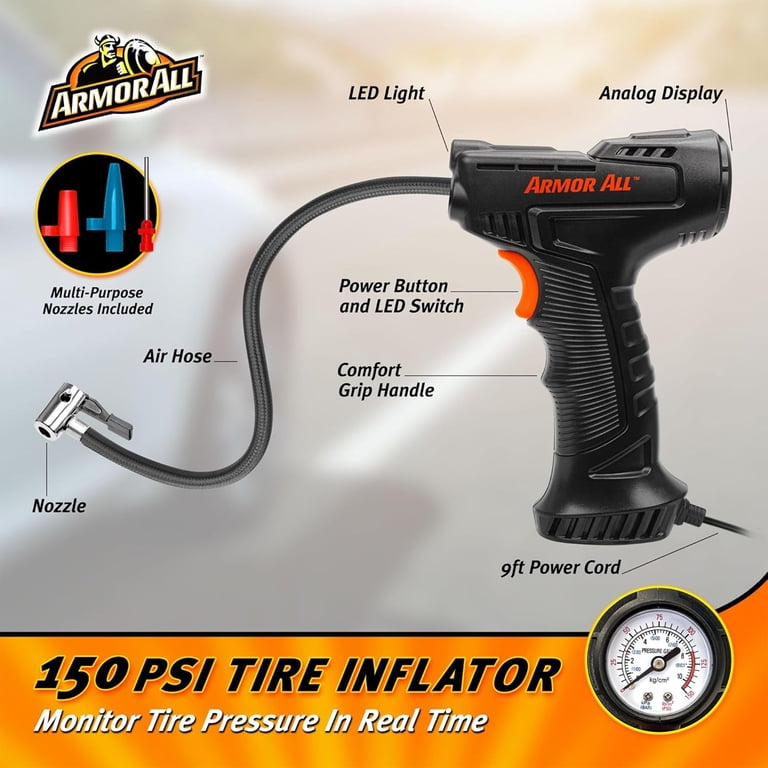
Armor All and VacLife target different cleaning needs. Armor All’s popular car vacuums often use a cord and connect to a vehicle outlet or household power. Many models also offer wet and dry cleaning.
VacLife usually sells small handheld vacuums. Many are cordless and use rechargeable batteries. They are easy to carry, but their smaller motors and dust bins may limit long cleaning sessions.
| Feature | Armor All | VacLife |
|---|---|---|
| Main design | Compact wet/dry or corded vacuum | Lightweight handheld vacuum |
| Best use | Deep cleaning and larger messes | Fast spot cleaning |
| Power source | Car outlet, wall outlet, or cord | Rechargeable battery on many models |
| Wet pickup | Available on select models | Usually dry pickup only |
| Dust capacity | Often larger | Usually smaller |
| Portability | Good, but needs a cord | Excellent on cordless models |
| Cleaning time | Long with a power source | Limited by battery life |
| Attachments | Hose, crevice tool, brush, blower tools on some models | Crevice tools, brushes, and pet tools vary |
| Ideal buyer | Drivers who want strong and steady cleaning | Drivers who want quick, simple cleaning |
The exact features depend on the model. For example, an Armor All AA255 is a small wet/dry shop vacuum, while VacLife offers several handheld designs with different batteries and tools. Always check the product label before buying.

Armor All vs VacLife for Car Cleaning
For full car cleaning, Armor All often has the advantage. Its hose and larger tank make it easier to clean seats, floor mats, door pockets, and the space under the seats. You can work for a longer time without emptying the bin.
VacLife is more convenient for light cleaning. You can grab it from a drawer, clean a few crumbs, and put it away in minutes. There is no cord to pull across the driveway.
Here is how each brand performs on common car messes:
• Crumbs: Both brands handle crumbs well.
• Sand: Armor All usually performs better because it can run longer and maintain steady suction.
• Pet hair: Both need a brush tool and slow passes. Neither vacuum can remove deeply woven hair without effort.
• Liquid spills: Select Armor All wet/dry models can handle small liquid spills. Most VacLife handheld models are for dry dirt only.
• Fine dust: Both can collect fine dust, but the filter must stay clean.
• Coins and small objects: Both may pick them up, but remove large items first to prevent blockages.
In my own comparison work, I treat a car vacuum like a kitchen tool. A cordless model is like a quick sponge wipe. A wet/dry shop vacuum is more like a deep scrub. Both have value, but they serve different moments.

Suction Power and Cleaning Performance
Suction power is one of the most important parts of the Armor All vs VacLife debate. However, advertised motor ratings do not always tell the full story. Airflow, hose design, filter condition, nozzle shape, and battery strength also affect real cleaning results.
Corded Armor All models can provide steady power while plugged in. This helps when removing sand from carpet or dirt from deep floor mats. A wet/dry model can also give you more flexibility after a drink spill.
VacLife models can still clean well when the battery is full. Their compact size makes them useful for seats, dashboards, cup holders, and small areas. As the battery loses charge, suction may weaken on some models.
For better performance:
- Remove large objects before vacuuming.
- Shake out floor mats first.
- Use the crevice tool around seat rails.
- Move slowly over fabric.
- Empty the dust bin before it becomes full.
- Wash or replace the filter as the manual allows.
A common mistake is judging a vacuum after one poor session with a clogged filter. In many cases, the filter—not the motor—is the problem. This is true for both Armor All and VacLife.
Portability, Cord Length, and Battery Life
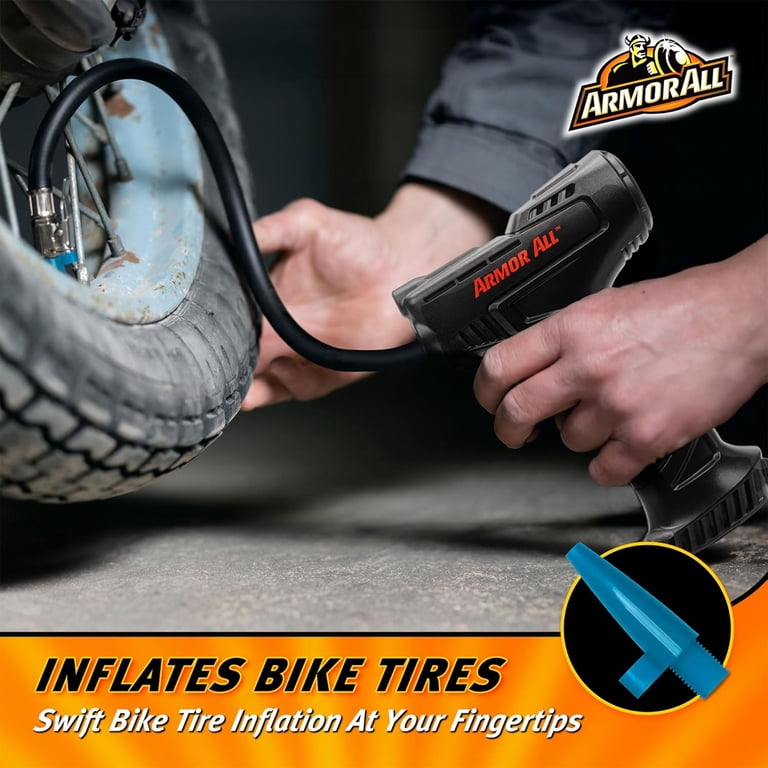
VacLife wins the portability part of the Armor All vs VacLife comparison. A cordless handheld vacuum is simple to carry from the house to the car. It also works well in tight spaces where a power cord becomes annoying.
Armor All corded models need more planning. You must park near an outlet or use the correct vehicle power connection. The benefit is steady operation without waiting for a recharge.
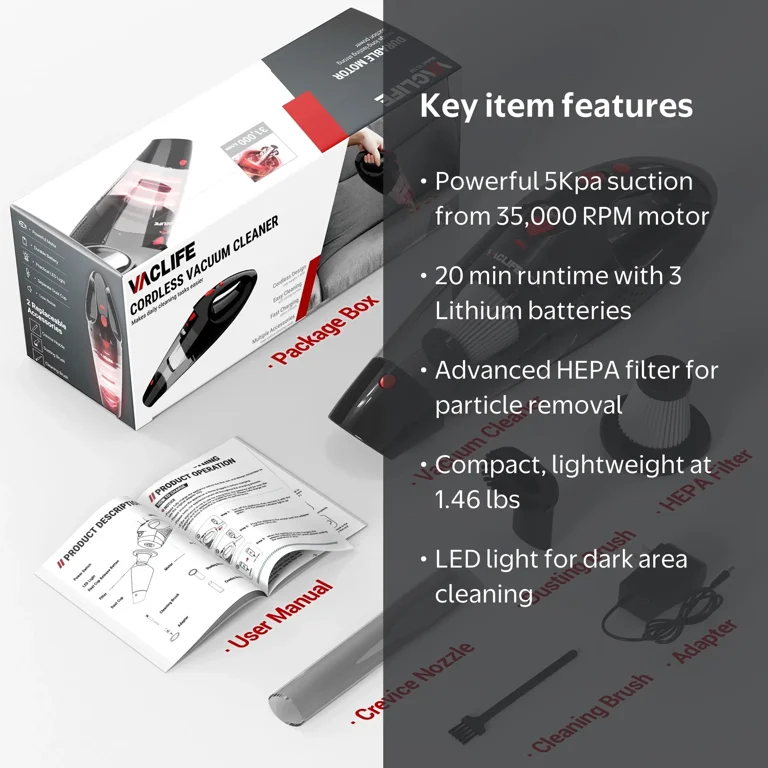
Battery life varies by VacLife model and cleaning mode. A small battery may last long enough for a few seats and floor areas, but not for several vehicles. Charging time also matters. A vacuum that needs hours to recharge may be less useful for busy families.
Before choosing a cordless model, check:
• Stated runtime and whether it applies to low or high power
• Charging time
• Battery replacement options
• Charge indicator
• Storage method
• Whether the charger uses a car outlet or a wall outlet
If you clean your car once a week, VacLife may feel more convenient. If you clean several vehicles in one session, Armor All may save time.

Wet and Dry Cleaning Features
This is a major point in the Armor All vs VacLife decision. Some Armor All vacuums are designed for both wet and dry debris. That means they can collect small amounts of water, spilled drinks, and normal dry dirt when used as directed.
Most VacLife handheld vacuums are designed for dry debris. Using one on liquid can damage the motor, create an electrical hazard, and void the warranty. Never assume a vacuum is wet-safe just because it has strong suction.
Wet/dry use still has limits. A compact shop vacuum is not meant to remove a large flood from a vehicle. You should blot the spill first, follow the manual, and empty and dry the tank after use.
For a wet spill:
- Turn off the vehicle and move electrical items away.
- Blot as much liquid as possible with a towel.
- Confirm that the vacuum supports wet pickup.
- Use the correct nozzle.
- Empty and clean the tank after use.
- Let all parts dry before storage.
If wet cleaning is not important to you, a VacLife dry vacuum may be the simpler choice.
Filters, Dust Bins, and Maintenance
A vacuum works only as well as its maintenance. This lesson comes up often when comparing Armor All vs VacLife. A full bin reduces airflow, while a dirty filter makes the motor work harder.
Armor All wet/dry models may use foam filters for wet pickup and cartridge filters for dry debris. The correct filter depends on the model and task. VacLife models often use washable or replaceable filters, but the care instructions vary.
Good maintenance includes:
• Emptying the bin after each major cleaning
• Tapping dust from the filter outdoors
• Washing only filters marked as washable
• Letting a washed filter dry fully
• Checking the hose for clogs
• Keeping hair away from the brush head
• Replacing damaged filters
Do not run a vacuum with a wet filter unless the manual clearly allows it. Moisture can damage the motor and may cause mold or odor.
A practical tip is to keep a spare filter. This small purchase can prevent downtime, especially if you have pets or clean dusty floor mats.

Attachments and Ease of Use
Attachments can change the entire Armor All vs VacLife experience. The main vacuum body matters, but the right tool helps you reach places your fingers cannot.
Armor All commonly includes a hose, crevice tool, brush, and utility nozzle on selected models. Some units may also support blower use. These tools are useful for floor mats, seat seams, vents, and under-seat areas.
VacLife often includes a crevice nozzle, brush, extension tube, or specialized tool. The compact design makes these attachments easy to use for small jobs. However, some kits have fewer parts than a wet/dry shop vacuum.
The most useful tools are:
• Crevice tool: Reaches between seats and along trim
• Soft brush: Cleans vents and dashboards
• Wide nozzle: Covers mats and fabric faster
• Extension tube: Helps reach under seats
• Pet tool: Helps lift hair from upholstery
During testing, I learned not to judge a tool by its appearance. A narrow crevice tool may look basic, yet it can save several minutes around seat tracks. Store the attachments together so they do not disappear in the garage.
Noise, Storage, and Build Quality
Neither Armor All nor VacLife is completely silent. Stronger motors often create more noise, while smaller cordless vacuums may sound less intense but still produce a sharp motor tone.
Armor All shop-style models can take more storage space. Their hose, cord, tank, and tools need a shelf or garage corner. VacLife models are easier to store in a drawer, trunk, or cabinet.
Build quality depends on the exact model and how you use it. Look for:
• Firm connections between parts
• A dust bin that locks securely
• A filter that is easy to remove
• A cord that does not feel loose
• A charging port that stays stable
• A handle that feels comfortable
Do not pull a vacuum by its hose or power cable. This is a simple habit, but it can prevent early damage. Also, avoid leaving a cordless vacuum in extreme heat inside a parked car.

Armor All vs VacLife: Price and Long-Term Value
Price changes with sales, bundles, and model features. In general, VacLife often appeals to shoppers who want a low-cost cordless vacuum. Armor All may offer more value when you need wet pickup, a larger tank, or longer continuous use.
The cheapest vacuum is not always the best deal. A low-cost model may become expensive if filters are hard to find or the battery cannot be replaced. A slightly more expensive model may last longer and offer better parts support.
Consider the total cost:
• Purchase price
• Replacement filters
• Battery replacement
• Extra attachments
• Warranty coverage
• Energy or charging needs
• Time saved during cleaning
For occasional crumbs, VacLife can provide strong value. For regular deep cleaning, Armor All may justify its price through capacity and steady power.
Product warranties and replacement parts can change over time. Check the current policy before purchase, and keep your receipt.
Which One Should You Buy?
The best answer in the Armor All vs VacLife comparison depends on your routine.
Choose Armor All if:
• You want wet and dry cleaning on a supported model.
• You clean deep floor mats often.
• You need steady power for long sessions.
• You want a larger dust tank.
• You clean more than one vehicle at a time.
• You prefer a hose and several attachments.
Choose VacLife if:
• You want a light cordless vacuum.
• You clean small messes often.
• You have limited storage.
• You dislike cords.
• You mainly remove crumbs, dust, and hair.
• You want a vacuum that is quick to grab.
For many households, the smartest setup is not either-or. A VacLife can handle daily crumbs, while a larger Armor All wet/dry vacuum can handle seasonal deep cleaning. Think of one as a daily toothbrush and the other as a full dental cleaning.
How to Get Better Results From Either Vacuum
Even the best vacuum struggles when used too quickly. Car carpet holds dirt like a rough towel, so slow movements matter.
Use this simple method:
- Remove trash, toys, and loose items.
- Take out the floor mats.
- Shake or brush the mats outside.
- Vacuum the seats from top to bottom.
- Move the seats forward and backward.
- Clean cup holders and door pockets.
- Use a crevice tool around the console.
- Vacuum the mats on both sides.
- Check the filter and empty the bin.
- Wipe hard surfaces after vacuuming.
For pet hair, use short strokes and a rubber brush before vacuuming. For sand, let the carpet dry first. Wet sand can stick to fibers and clog a small nozzle.
Avoid vacuuming hot ash, sharp glass, large screws, or flammable liquids. These materials can harm the machine or create a safety risk.
Common Buying Mistakes to Avoid
Many buyers focus only on suction claims. That can lead to disappointment. A vacuum may have strong suction at the nozzle but poor performance through a narrow hose or clogged filter.
Other mistakes include:
• Buying a dry-only VacLife model for liquid spills
• Expecting a small cordless vacuum to clean several cars
• Ignoring battery replacement support
• Forgetting to check plug compatibility
• Using the wrong filter for wet pickup
• Storing a vacuum with dirt inside
• Assuming every Armor All model has the same features
Model names can look similar, but specifications may differ. Read the manual, product dimensions, included tools, and customer warranty terms before ordering.
Also, be careful with peak horsepower ratings on shop vacuums. That number does not directly equal real-world suction at the floor. Airflow, sealed suction, and nozzle design are more useful when judging cleaning ability.
Frequently Asked Questions About Armor All vs VacLife
Is Armor All better than VacLife for car cleaning?
Armor All is often better for deep cleaning, larger messes, and wet/dry use on compatible models. VacLife is often better for quick dry cleaning because it is lighter and easier to grab.
Can a VacLife vacuum pick up water?
Most VacLife handheld models are made for dry debris only. Check the exact manual before using any VacLife vacuum on liquid, because wet use can damage a dry-only motor.
Is the Armor All car vacuum wet and dry?
Some Armor All models are wet/dry vacuums, while others may support dry cleaning only. Confirm the model number and filter instructions before collecting liquid.
Which is more powerful, Armor All or VacLife?
A corded Armor All shop-style vacuum often provides steadier power than a small cordless VacLife model. Actual results depend on the specific model, filter condition, battery charge, hose, and nozzle.
Which vacuum is easier to store?
VacLife is usually easier to store because its handheld body is small and cordless. Armor All may need more room for its hose, cord, tank, and attachments.
Can either vacuum remove pet hair?
Both can remove loose pet hair, especially when paired with a brush tool. Hair woven deep into fabric may need a rubber brush, fabric tool, or manual loosening before vacuuming.
How often should I clean the vacuum filter?
Check the filter after every major cleaning and clean it when airflow drops. Follow the model manual, and never reinstall a washable filter while it is still damp.
Conclusion
Armor All vs VacLife is not simply a contest between two brands. It is a choice between deep, steady cleaning and fast, cordless convenience.
Armor All is the stronger fit for wet/dry cleaning, heavy dirt, long sessions, and larger vehicle jobs. VacLife is the better match for crumbs, dust, small spaces, and people who want a lightweight vacuum ready in seconds.
Before buying, compare the exact model, power source, runtime, filter system, attachments, warranty, and intended use. Choose the vacuum that fits your real cleaning habits, then maintain it well for better performance. Explore the latest model details, compare current prices, and share your own Armor All vs VacLife experience in the comments.