Griot’s Vs Adam’s Polisher: Which Is Best?
Griot's and Adam's polishers both work well, but the best choice depends on power, comfort, pad size, and your paint goals.
Choosing between Griot's vs Adam's Polisher can feel confusing because both brands offer capable dual-action machines for beginners and skilled detailers. After comparing their designs, drive sizes, controls, correction ability, and common user feedback, the key difference is simple: Griot's often has the edge in value and support, while Adam's focuses strongly on comfort, styling, and package options.
Griot's vs Adam's Polisher: What Are You Comparing?
Griot's Garage and Adam's Polishes both sell dual-action, or DA, polishers. A DA polisher spins the pad while moving it in a small orbit. This motion spreads heat and lowers the risk of damaging clear coat compared with a traditional rotary polisher.
Still, “Griot's polisher” and “Adam's polisher” can describe several models. A fair comparison must match similar machines.
Common models include:
• Griot's G8 mini polisher for tight areas and spot correction
• Griot's G9 long-throw polisher with an 8 mm orbit
• Griot's G15 long-throw polisher with a 15 mm orbit
• Adam's Swirl Killer 12 mm and 15 mm polishers
• Adam's mini and 3-inch polishers for small panels and intricate areas
The Griot's vs Adam's Polisher debate is not only about brand quality. It is also about the machine’s orbit, pad size, speed range, vibration, warranty, and the type of work you plan to do.
Griot's vs Adam's Polisher: Main Differences
The two brands are closer than many buyers expect. Both offer random-orbital polishers that can remove light swirls, oxidation, water spots, and mild scratches when paired with the right compound and pad.
The main differences usually appear in five areas:
• Griot's often offers a strong power-to-price ratio.
• Adam's commonly provides attractive kits with pads, compounds, towels, or storage bags.
• Griot's controls tend to feel practical and easy to understand.
• Adam's machines often place more focus on grip shape and user comfort.
• Griot's has a long reputation among hobby detailers and professional technicians.
Here is a simple comparison of typical full-size machines:
| Feature | Griot's G9 | Adam's 12 mm or 15 mm DA |
|---|---|---|
| Polisher type | Random orbital | Random orbital |
| Typical orbit | 8 mm | 12 mm or 15 mm |
| Best use | General polishing and correction | Faster correction on larger panels |
| Learning curve | Low | Low to moderate |
| Strength | Torque and value | Comfort and package choices |
| Ideal user | Beginner to advanced detailer | Beginner to advanced detailer |
Product specifications can change between model years and special editions. Always check the current product page before buying, especially for warranty terms, included parts, and backing plate size.
Orbit size matters
The orbit is the distance the pad travels from the center point. A larger orbit can correct paint faster on broad, flat panels. A smaller orbit gives more control and works better near trim, edges, and curved surfaces.
A 15 mm polisher can save time on a large hood. However, it may feel less smooth on narrow body lines. An 8 mm or 12 mm machine can be easier to control for general home use.
The Griot's vs Adam's Polisher choice becomes much easier once you select the right orbit for your vehicle.

Correction Power and Paint Safety
Correction power depends on more than the machine. Pad type, compound strength, arm speed, pressure, paint hardness, and the number of passes all matter.
A firm microfiber or foam cutting pad can remove more defects than a soft finishing pad. A strong compound can also create more haze, especially on soft black paint. The machine is only one part of the system.
For most enthusiasts, both brands offer enough power to correct:
• Light to medium swirl marks
• Fine wash scratches
• Oxidized paint
• Water spot stains
• Dull clear coat
• Light scuffs that have not cut through the clear coat
Neither polisher can safely fix every scratch. If a mark has reached the base coat, primer, or metal, polishing will not restore the missing paint. A good test is to run your fingernail across the scratch. If your nail catches strongly, the damage may need touch-up paint or professional repair.
Which brand corrects faster?
A larger-orbit machine may correct faster on large, flat panels. That does not mean it is always better. Correction speed also depends on the pad and compound combination.
In my experience, new users often blame the polisher when the real issue is poor technique. They move the machine too fast, use too much product, or work on a dirty panel. Slow arm movement and a clean pad often improve results more than buying a stronger machine.
The Griot's vs Adam's Polisher comparison is therefore about control as much as raw power. A machine that feels stable will usually produce better results than one that looks powerful but feels tiring.

Ease of Use, Vibration, and Comfort
A car can take several hours to polish. Comfort matters because tired hands lead to rushed work, uneven pressure, and missed defects.
Griot's full-size DA polishers are known for a solid feel and useful control layout. The adjustable speed dial is easy to reach, and the machine has enough torque for common correction work. Some users may find the body a little bulky during long sessions.
Adam's polishers often feel friendly in the hand. Grip areas and machine balance can make them appealing to beginners. The experience may vary by model, pad, and backing plate, so comfort is personal.
Before choosing between Griot's vs Adam's Polisher, consider these questions:
• Will you polish one car twice a year?
• Will you detail several vehicles each month?
• Do you have wrist, shoulder, or hand pain?
• Will you work on large trucks or small sports cars?
• Do you need a mini polisher for bumpers and pillars?
A compact machine is easier to control in tight areas. A full-size polisher is better for doors, roofs, hoods, and quarter panels. Many serious detailers eventually use both.

Build Quality, Warranty, and Long-Term Value
A polisher should last for years when used correctly. Keep the vents clear, avoid pulling the machine by its cord, clean pads often, and do not press so hard that the motor struggles.
Griot's has built a strong reputation for offering practical detailing tools with dependable support. Its lifetime warranty on many machines has been a major selling point, though terms may differ by product and region. Verify the current policy before purchase.
Adam's also provides support and sells replacement parts and accessories for many models. Its frequent bundles can offer good value when you need pads and compounds at the same time. The real value depends on what the kit contains and whether you would buy those items anyway.
When comparing Griot's vs Adam's Polisher prices, include the full setup:
• Polisher
• Backing plate
• Foam or microfiber pads
• Compound and polish
• Extension cord
• Pad cleaning brush or pad washer
• Safety glasses and lighting
A cheap machine can become expensive if it requires immediate upgrades. On the other hand, a large kit may waste money if half the included products sit unused.

Griot's vs Adam's Polisher: Which One Is Better for Beginners?
Both are beginner-friendly when used with a random-orbital design. The safest approach is to start with a mild polish and a polishing pad. This removes light defects while giving you time to learn how the machine behaves.
Griot's may suit beginners who want a simple, sturdy machine with strong correction ability. The G9 is a popular choice for general vehicle polishing because its orbit is useful on many panel shapes.
Adam's may suit beginners who prefer a complete package. A bundle with pads, polish, and towels can reduce the guesswork. The brand’s product instructions and visual guides can also make the first project less intimidating.
For a first detail, follow these steps:
-
Wash the vehicle with a pH-balanced car shampoo.
-
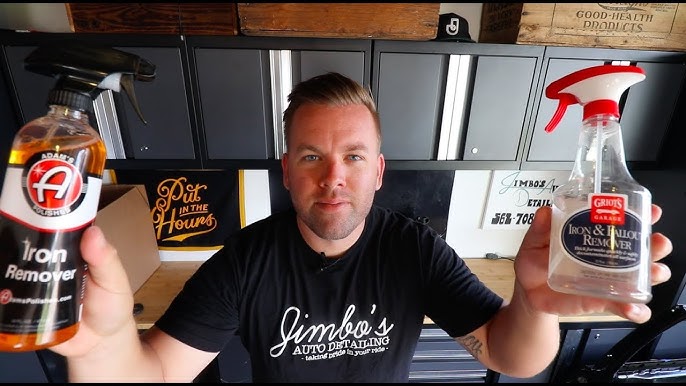
Remove bonded contamination with an iron remover and clay product when needed.
-
Mask rubber trim and delicate edges.
-
Test a small area with a mild polish and soft pad.
-
Use slow, overlapping passes.
-
Wipe the panel with a clean microfiber towel.
-
Check the result under strong lighting.
-
Increase cutting strength only if the first test does not work.
The Griot's vs Adam's Polisher decision matters less than this process. Good preparation and a test spot prevent most beginner mistakes.

Which Polisher Should You Buy?
The best choice depends on your goals, not just the logo on the box.
Choose Griot's if:
• You want strong value and dependable correction power.
• You prefer a proven tool for home detailing.
• You want a machine with a practical control layout.
• You may need a warranty with clear long-term value.
• You plan to polish more than one vehicle.
The Griot's G9 is a strong all-purpose option. The G8 mini is useful for headlights, bumpers, door pillars, and narrow sections. A G15 makes more sense when speed on large panels matters.
Choose Adam's if:
• You value grip comfort and appearance.
• You want a kit with pads and chemicals included.
• You already use Adam's compounds and accessories.
• You prefer a 12 mm or 15 mm long-throw option.
• You want one brand for much of your detailing setup.
Adam's mini machines can also be useful for small areas. Its larger-orbit models may reduce work time on broad panels, but they still require careful pad control.
My practical recommendation
For most first-time buyers, I would compare the Griot's G9 with an Adam's 12 mm machine rather than comparing a mini polisher with a full-size model. These machines occupy a similar role.
Choose the Griot's option when long-term value and correction strength are your top concerns. Choose Adam's when the kit contents, grip design, or existing product lineup fit you better.
There is no universal winner in the Griot's vs Adam's Polisher comparison. Both brands can produce excellent results in trained hands.

Technique Tips That Protect Your Paint
A DA polisher is safer than a rotary machine, but it is not risk-free. Heat can build up on thin paint, sharp edges, and damaged panels.
Use these habits:
• Keep the pad flat against the paint.
• Use light to moderate pressure.
• Work in sections about 2 feet by 2 feet.
• Clean or change the pad when it becomes loaded.
• Avoid polishing dry dust or sand.
• Keep the machine moving at a slow, steady pace.
• Reduce pressure near edges and body lines.
• Check the panel temperature with your hand.
• Use proper lighting instead of guessing at the finish.
Do not chase every scratch. Removing too much clear coat can shorten the life of the finish. Professional detailers often aim for safe improvement rather than perfect correction, especially on older vehicles.
One lesson I have seen repeatedly in detailing work is that patience beats pressure. A beginner may push harder because the paint is not changing fast enough. That can overheat the panel and create more work. A clean pad, fresh compound, and slower passes usually provide a safer solution.

Common Mistakes to Avoid
Many poor polishing results come from preparation errors rather than weak equipment.
Avoid these common problems:
• Skipping the wash and polishing grit into the paint
• Using one dirty pad for the entire vehicle
• Applying too much compound
• Working in direct, hot sunlight
• Choosing a cutting pad before testing a mild pad
• Letting the backing plate touch the paint
• Ignoring deep scratches that need paint repair
• Applying wax or ceramic protection over a poorly cleaned surface
The pad should stay clean enough to work. Compressed air, a pad brush, or a fresh pad can restore cutting ability. Always follow the compound maker’s instructions because products differ in working time and lubrication.
A paint thickness gauge can help professionals make safer decisions, but it cannot replace skill. It measures thickness, not the exact amount of safe clear coat available. When in doubt, polish lightly and protect the paint.
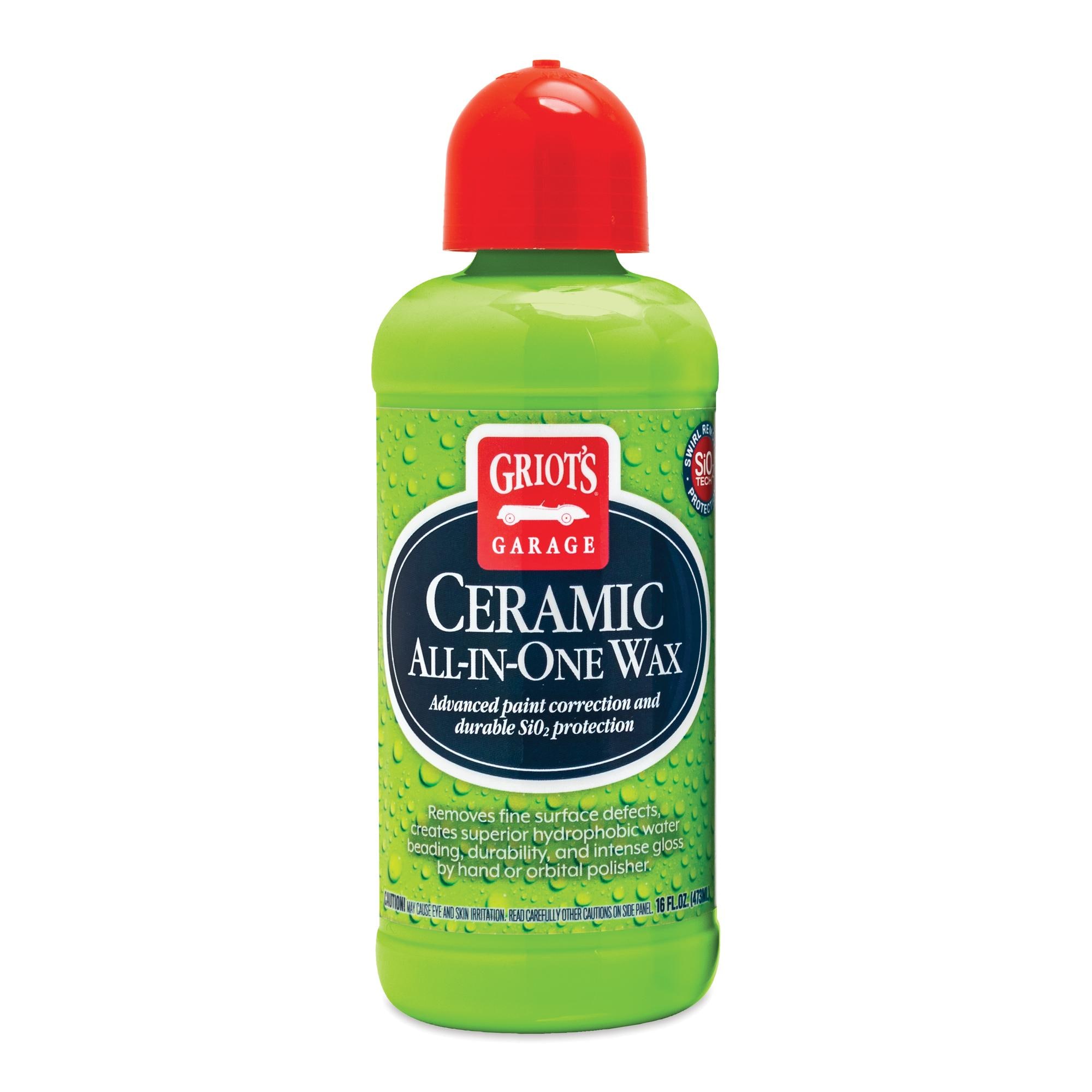
Griot's vs Adam's Polisher: Final Buying Checklist
Use this checklist before placing an order:
• Match the machine size to the panels you will polish.
• Compare the orbit size, not only the motor wattage.
• Check the backing plate and pad diameter.
• Review the warranty in your country.
• Confirm what comes in the kit.
• Budget for several pads.
• Buy a mild polish for the first test.
• Plan for good lighting and safe paint preparation.
• Read current product specifications because models can change.
The Griot's vs Adam's Polisher choice should fit your work style. A well-balanced 8 mm machine may be better for a full beginner than a powerful 15 mm tool that feels difficult to control. Likewise, an experienced detailer may value the time saved by a long-throw machine.
Frequently Asked Questions About Griot's vs Adam's Polisher
Is Griot's or Adam's better for a beginner?
Both brands make beginner-friendly dual-action polishers. Griot's often appeals to users who want strong value and simple controls, while Adam's may appeal to buyers who want a complete kit.
Does Adam's polisher remove scratches better than Griot's?
Not automatically. Scratch removal depends on the orbit, pad, compound, paint hardness, and technique, so a properly matched Griot's or Adam's polisher can deliver similar results.
Is the Griot's G9 better than an Adam's 15 mm polisher?
The Griot's G9 offers more control on varied panel shapes, while an Adam's 15 mm machine may correct large panels faster. The better model depends on whether you value control or speed.
Can a Griot's or Adam's polisher damage car paint?
Yes, damage is possible if you use excessive pressure, a dirty pad, an aggressive compound, or too much heat. A dual-action machine lowers risk, but safe technique still matters.
What size polisher should a new detailer buy?
A full-size machine with an orbit between 8 mm and 12 mm is a practical first choice for most cars. Add a mini polisher later if you often work on tight spaces.
Do I need a special compound for either brand?
No. Most automotive compounds and polishes work with both brands when the pad and speed are suitable. Always follow the product instructions and test a small area first.
Conclusion
Griot's and Adam's both make capable dual-action polishers for home detailers and professionals. Griot's often stands out for value, torque, and long-term reputation, while Adam's offers comfortable designs, useful kits, and a broad product ecosystem.
The right Griot's vs Adam's Polisher is the one that matches your paint, panel size, experience, and budget. Start with a safe test spot, use clean pads, and focus on controlled passes instead of chasing every defect. Compare current models and bundle contents before buying, then share your polishing results or questions in the comments.