Why Is My Jeep Consuming Too Much Oil?
That moment when you see your Jeep's oil light flicker, or worse, stay on, can be unnerving. If you're asking yourself "Why is my Jeep consuming too much oil?", you're not alone; it's a question many Jeep owners face. It means the engine isn't holding onto its lifeblood the way it should.
Don't let it spiral into worry. In our research, we've found that most oil consumption issues stem from a few common, often diagnosable, problems. Manufacturer specifications, like those found in owner’s manuals, typically indicate that consuming up to one quart of oil every 1,000 miles can be considered normal for some engines, but anything beyond that warrants a closer look.
Quick Insight: Where Your Jeep's Oil Might Be Going
Your Jeep's oil is likely disappearing because it's either being burned by the engine, escaping through a leak, or both. The most common reasons include worn internal engine components like piston rings or valve seals, leading to oil getting into the combustion chambers and burning off. Alternatively, external leaks from gaskets or seals can cause oil to drip out, creating puddles under your vehicle.
Common Culprits: Burning Oil Inside Your Jeep's Engine
When your Jeep is burning oil, it means that lubricant is making its way into the combustion chambers, where it gets ignited and expelled as exhaust. This is often a sign of wear and tear within the engine itself. The key is identifying which component is allowing this oil to bypass its intended path.
Worn Piston Rings and Valve Seals
These are the primary suspects when oil is being burned internally. Piston rings act like seals between the pistons and the cylinder walls, preventing oil from entering the combustion chamber. Over time, these rings can wear down, lose their tension, or become damaged, allowing oil to seep past.
Similarly, valve seals surround the valve stems, and when they degrade, oil can drip down the valve guides into the cylinders.
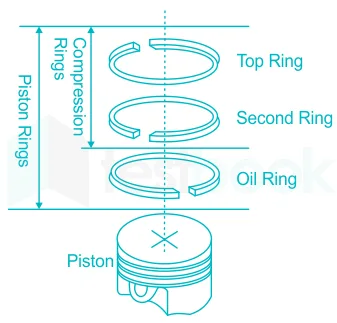
Image source: Bing (Web (fair-use with source credit))
Clogged PCV System: A Hidden Drain
The Positive Crankcase Ventilation (PCV) system is designed to relieve pressure inside the engine crankcase and re-route blow-by gases back into the intake manifold to be burned. If the PCV valve itself becomes clogged with sludge or carbon deposits, or if the associated hoses are blocked, pressure can build up. This excess pressure can then force oil past seals and gaskets, pushing it into the intake or combustion chambers, where it gets burned.
A malfunctioning PCV system is a relatively common and often overlooked cause of increased oil consumption. Per the Society of Automotive Engineers (SAE) standards for engine emissions control, a properly functioning PCV system is crucial for minimizing oil waste.
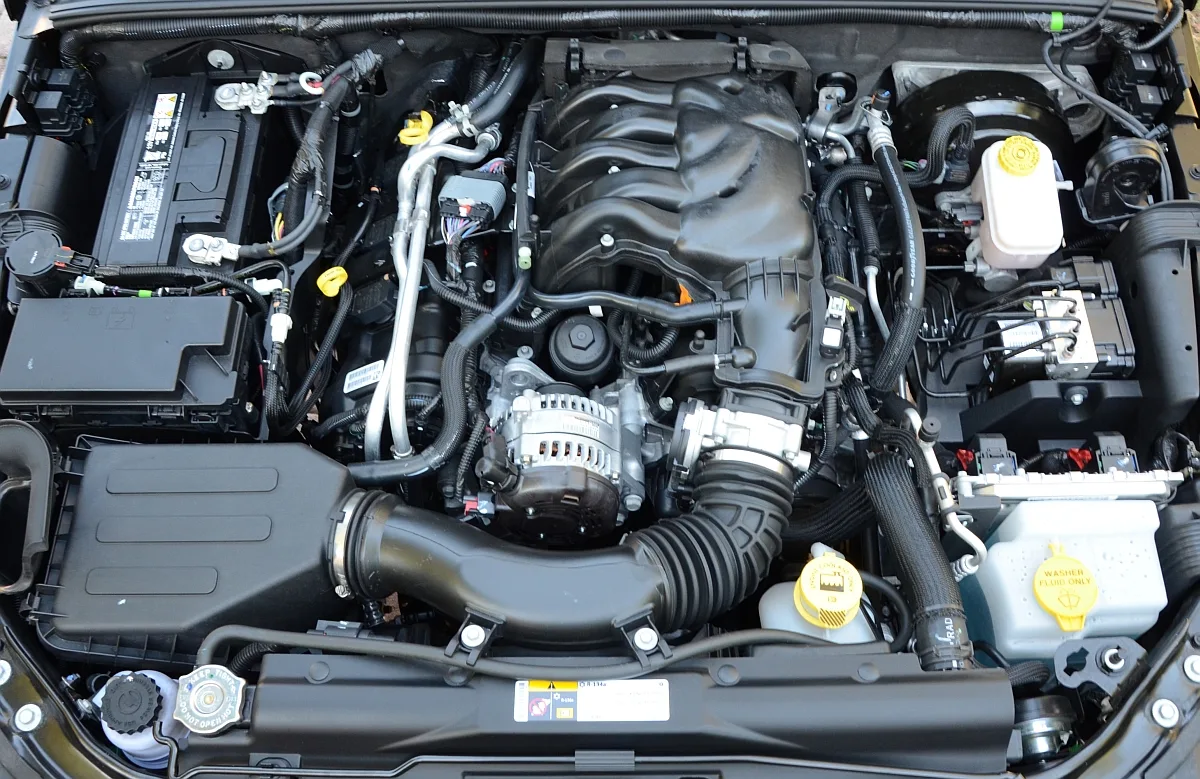
Image source: Web (Bing) / storage.googleapis.com (Web image (fair-use with source credit))
Spotting the Signs: Is It Leaking or Burning?
Differentiating between oil being burned and oil leaking is the first major step in diagnosing your Jeep’s oil consumption issue. Each scenario often presents different symptoms, which can guide your investigation.
The Tell-Tale Blue Smoke
Blue smoke emanating from your Jeep's exhaust is the most significant indicator of oil being burned. You might notice this when you first start the engine after it's been sitting, or when you accelerate after coasting or braking. The presence of unburnt oil in the combustion chamber creates this distinct bluish hue in the exhaust gases.
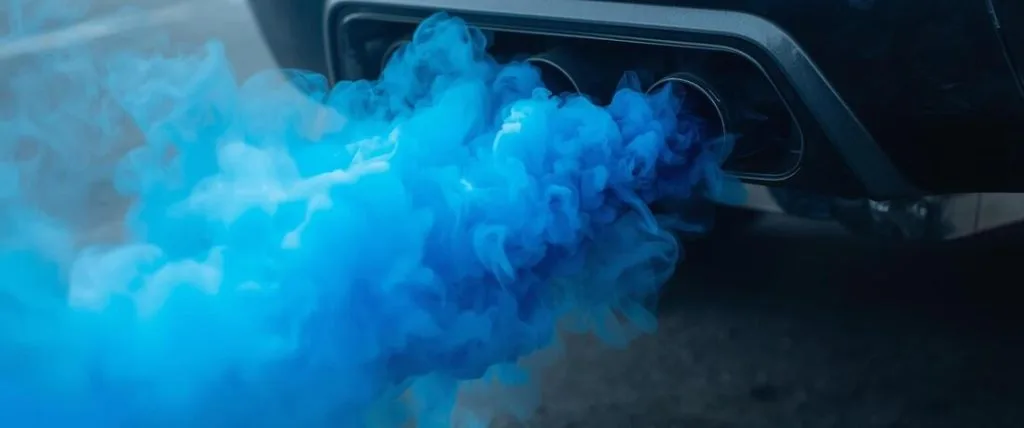
Image source: Bing (Web (fair-use with source credit))
Finding Oil Puddles and Smears
If you're not seeing blue smoke, the oil is likely escaping externally. This means you'll be looking for evidence of oil leaks. Regularly check the ground where you park your Jeep for fresh oil spots.
Also, conduct a visual inspection of the engine bay and the underside of the vehicle for oily residue on components, the firewall, or the oil pan. As of 2026, these visual clues remain primary indicators for leak detection.
Your Diagnostic Workflow: A Step-by-Step Approach
Troubleshooting oil consumption in your Jeep can be broken down into a practical, step-by-step process. By systematically checking the most common areas, you can often pinpoint the cause yourself, or at least gather enough information to explain the problem clearly to a mechanic.
Step 1: Check the Dipstick Like a Pro
This sounds basic, but it's your primary tool.
- Ensure the Engine is Warm and Off: For the most accurate reading, let your Jeep run for a few minutes to warm up, then shut it off and wait about 5, 10 minutes for the oil to settle back into the oil pan.
- Locate and Pull the Dipstick: It's usually a brightly colored loop or handle.
- Wipe It Clean: Use a clean rag or paper towel.
- Re-insert Fully: Push the dipstick all the way back in.
- Pull and Observe: Check the oil level against the markings. Is it low? Significantly low? Note how far down the oil level is.
- Check Oil Condition: Is the oil dark and sludgy, or does it look clean? This can offer clues.
Step 2: Inspect for External Oil Leaks
This is where you become a detective under the hood and chassis.
- Park on a Clean Surface: A large piece of clean cardboard or a light-colored mat placed under where you usually park can reveal dripping leaks quickly.
- Visual Scan of the Engine Bay: With the engine off and cool, use a strong flashlight. Look for any wet, oily areas on:
- Valve covers (the top of the engine)
- The oil pan (at the very bottom)
- Around the oil filter
- The front and rear of the engine (where crankshaft seals are)
- Check the Underside: Look for streaks or drips on the transmission, exhaust components, and suspension parts.
Step 3: Monitor Your Exhaust Habits
Pay close attention to what your Jeep's tailpipe is telling you.
- Observe Smoke Color:
- Blue Smoke: Almost always means oil is burning in the combustion chamber. This is a critical sign.
- White Smoke: Usually indicates coolant is burning, which is a different problem.
- Black Smoke: Typically points to a rich fuel mixture.
- Note When Smoke Appears: Is it only on startup, during acceleration, or at idle? This can help narrow down the component responsible. For instance, smoke on startup might point to valve seals, while smoke during acceleration could indicate worn piston rings.
When to Trust a Professional Mechanic
While these steps can help you diagnose the issue, sometimes you'll reach a point where professional help is necessary. If you're consistently seeing blue smoke, if you can't locate an obvious external leak after a thorough inspection, or if your oil pressure warning light comes on, it's time to call in the experts. Mechanics have specialized tools and experience to accurately diagnose internal engine problems that you might not be able to identify.
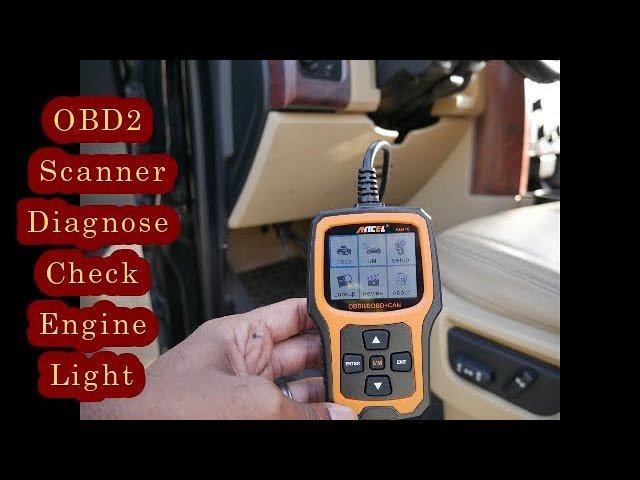
They can perform tests like compression checks or leak-down tests, which provide definitive answers about the health of your engine's internal seals and components. Can an OBD2 scanner diagnose ABS problems? Yes, but it might not pinpoint specific internal oil consumption issues without additional diagnostics.
Common Mistakes Jeep Owners Make with Oil Consumption
Some common pitfalls can either lead to premature oil consumption or complicate the diagnostic process. One frequent error is neglecting regular oil checks, allowing the level to drop critically low, which can cause severe engine damage. Another mistake is assuming any oil loss is normal without understanding the specific consumption rate for your Jeep model and year.
Overfilling the engine with oil during a change can also cause it to be expelled, creating a false alarm of consumption. Finally, ignoring the appearance of blue smoke from the exhaust is a critical oversight that can lead to much more extensive and expensive engine repairs down the line.
Frequently Asked Questions About Jeep Oil Consumption
What is the normal oil consumption for a Jeep?
Normal oil consumption varies by Jeep model and engine, but generally, up to one quart every 1,000 miles can be considered within normal parameters for many engines as of 2026. Exceeding this rate typically indicates an issue.
Can a bad oil filter cause oil consumption?
A faulty oil filter itself won't typically cause the engine to burn oil, but a damaged seal or improper installation of the oil filter can lead to external oil leaks, making it appear as if the vehicle is consuming oil.
How long does it take to diagnose an oil consumption problem?
A basic visual inspection and dipstick check might take 15, 30 minutes. However, a professional diagnosis involving specialized tests could take anywhere from an hour to several hours, depending on the complexity of the suspected issue.
Is it safe to drive a Jeep with high oil consumption?
Driving a Jeep with significant oil consumption is risky. The primary concern is low oil pressure, which can lead to catastrophic engine damage. It's best to address the issue promptly, especially if you notice blue smoke or the oil light illuminates.