Is the Jeep Commander Good for Off-Roading?
Thinking about hitting some trails with a Jeep Commander? It’s a fair question, as Jeeps usually bring off-road prowess to mind. However, the Commander is a bit of a mixed bag when you compare it to its more rugged siblings.
While it can handle some light off-roading, it’s not built for serious rock crawling or extreme adventures right off the lot.
Our research shows that while the Jeep Commander (model years 2006-2010) offers available four-wheel-drive systems, its design prioritizes a comfortable ride and family hauling. For context, many dedicated off-road SUVs boast significantly higher ground clearance and more robust suspension articulation than the Commander typically provides. Let's break down what that means for your adventures.
Jeep Commander's Off-Road Package: What You Get
The Jeep Commander, in its production run from 2006 to 2010, offered configurations that aimed to provide some level of off-pavement capability. It wasn't marketed as an extreme rock crawler, but rather a more family-oriented SUV with Jeep's rugged image attached. When equipped with its optional four-wheel-drive systems, it could tackle more than just a paved road.
Four-Wheel Drive Systems Explained
Jeep offered a couple of different four-wheel-drive (4WD) systems on the Commander. The standard system was generally a capable part-time 4WD, good for slippery conditions and some light trails. However, for those wanting more, an optional system called Quadra-Drive II was available on higher trims.
This system was more advanced, often including electronic limited-slip differentials (ELSD) front and rear. These ELSDs are crucial off-road because they can send power to the wheel with the most traction, helping you climb over obstacles or out of mud when other wheels might be spinning freely. Manufacturer specifications indicate that Quadra-Drive II was designed to significantly enhance off-road performance by actively managing torque distribution.
Ground Clearance and Angles Matter
Ground clearance is a pretty straightforward metric: it's how much space there is between the lowest point of your vehicle's underbody and the ground. For off-roading, more is generally better. It helps you clear rocks, logs, and other trail debris without scraping or getting stuck.
The Jeep Commander typically offered around 8 inches of ground clearance in its standard configuration, though this could vary slightly by model year and trim. While 8 inches is decent for an SUV, dedicated off-road vehicles often boast 9-10 inches or more. Equally important are the approach, departure, and breakover angles.
These angles determine how steep an obstacle your vehicle can climb over or descend from without its bumpers or underbody hitting the ground. The Commander’s angles were respectable for its class but generally less extreme than those found on vehicles designed for severe off-road use.
Tires, Skid Plates, and Drivetrain
The tires fitted to a Jeep Commander play a huge role in its off-road capability. While many Commanders came with all-season tires suitable for light duty, for any real off-roading, upgrading to all-terrain tires is a must. All-terrain tires offer better grip on loose surfaces like gravel, dirt, and mud.
Beyond tires, some higher trims of the Commander came with protective skid plates underneath. These metal shields protect vital components like the oil pan, transfer case, and fuel tank from damage caused by impacts on the trail. The drivetrain itself, including the transfer case and differentials, is what delivers power to the wheels.
While the Commander's drivetrain was reasonably robust for its intended use, it wasn't built with the same heavy-duty resilience as that found in Jeep's more trail-focused models, meaning aggressive, prolonged use on very challenging terrain could stress its components.
Evaluating the Commander's Off-Road Strengths
When we look at the Jeep Commander's off-road capabilities, it's important to set realistic expectations. It's a Jeep, and that name carries weight, but the Commander was designed with a broader audience in mind than, say, a Wrangler. Our research indicates it leans more towards comfort and utility for everyday driving and occasional light adventures.
Where it Shines on Trails
The Commander's strengths off-pavement lie in its ability to handle everyday driving challenges with ease and then step up for lighter off-road situations. If you're talking about driving on unpaved access roads to a campsite, navigating a snowy driveway, or tackling a mildly rutted dirt track, the Commander with its 4WD system, especially the optional Quadra-Drive II, performs commendably. The available V8 engines provide ample power for climbing moderate inclines.
Aggregated user reviews often highlight its competent performance in these less demanding scenarios, making it a capable vehicle for those who need a little extra assurance for less-than-perfect road conditions.
What Holds it Back from Serious Rock Crawling
Where the Commander struggles is when you move beyond light trails into more challenging off-road environments. Its suspension articulation, which is how much the wheels can move independently to stay in contact with uneven ground, is limited compared to dedicated off-roaders. This means that on very bumpy terrain, you're more likely to have wheels lifting off the ground, reducing traction.
Furthermore, its factory ground clearance and breakover angles aren't sufficient for clearing larger rocks or logs that are common on serious trails. Aggressive off-roading can also put undue stress on its unibody construction and less robust underbody protection, increasing the risk of damage. This is why it’s not typically considered a prime candidate for extreme off-road modifications or expeditions.
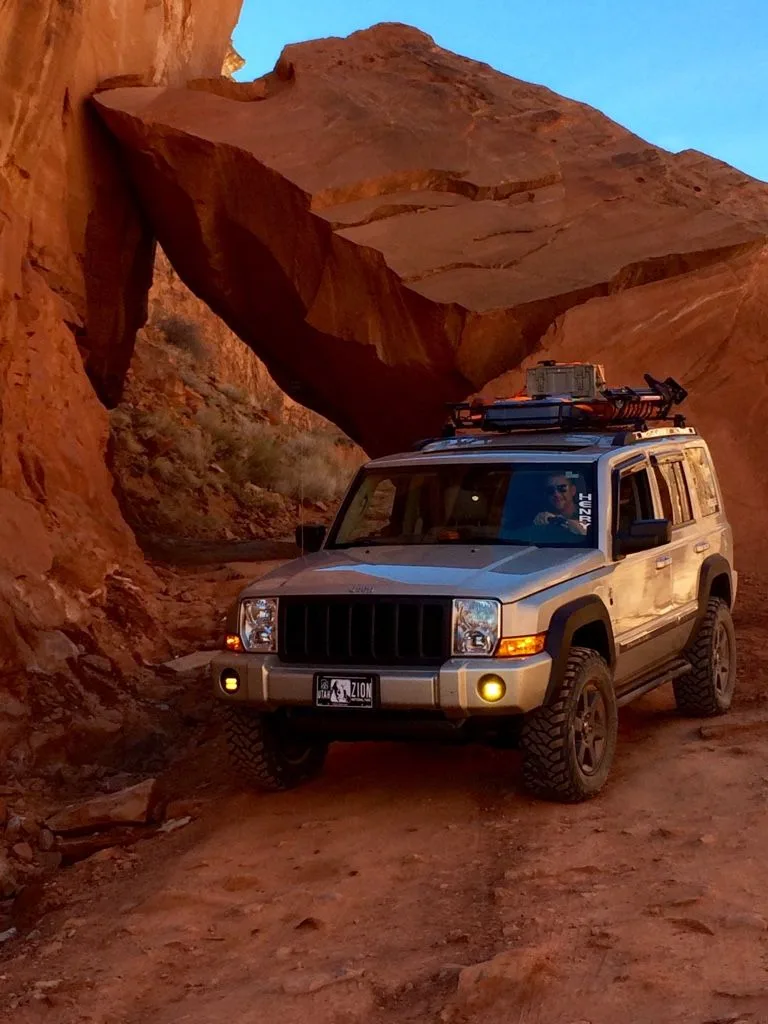
Image source: Web (Bing) / pinterest.com (Web image (fair-use with source credit))
Real-World Off-Road Scenarios for the Commander
Let's talk about where the Jeep Commander actually fits in when you're looking at different kinds of adventures. It’s not the kind of vehicle you’d see tackling the Rubicon Trail, but that doesn't mean it’s useless off the pavement. Understanding its sweet spot is key to enjoying it without risking damage.
Light Trails and Backcountry Roads
The Commander excels on what you might call "soft-roading" or "overlanding lite." Think of those gravel roads leading to national parks, dirt paths into remote fishing spots, or even just unpaved rural roads in winter. If you've got the 4WD system engaged, it provides a significant confidence boost. You're less likely to spin your wheels or get high-centered on moderately uneven surfaces.
This is its natural habitat, providing a secure feeling when the pavement ends, but before the serious obstacles begin. The ride quality remains relatively comfortable, too, so it doesn't beat you up like some stiffer off-roaders might on these less demanding routes.
Family Adventures and Camping Trips
This is arguably where the Commander truly shines. Imagine packing up the family, loading all your gear, and heading out for a weekend camping trip. The spacious interior offers plenty of room for passengers and cargo, which is a big plus for families.
When the paved road turns to dirt or gravel as you approach the campground, the Commander’s available 4WD can handle it without fuss. It provides that extra security for reaching more secluded spots that might be inaccessible to a standard sedan or front-wheel-drive crossover. It strikes a balance between being a practical daily driver and a capable vehicle for family excursions that venture slightly off the beaten path.
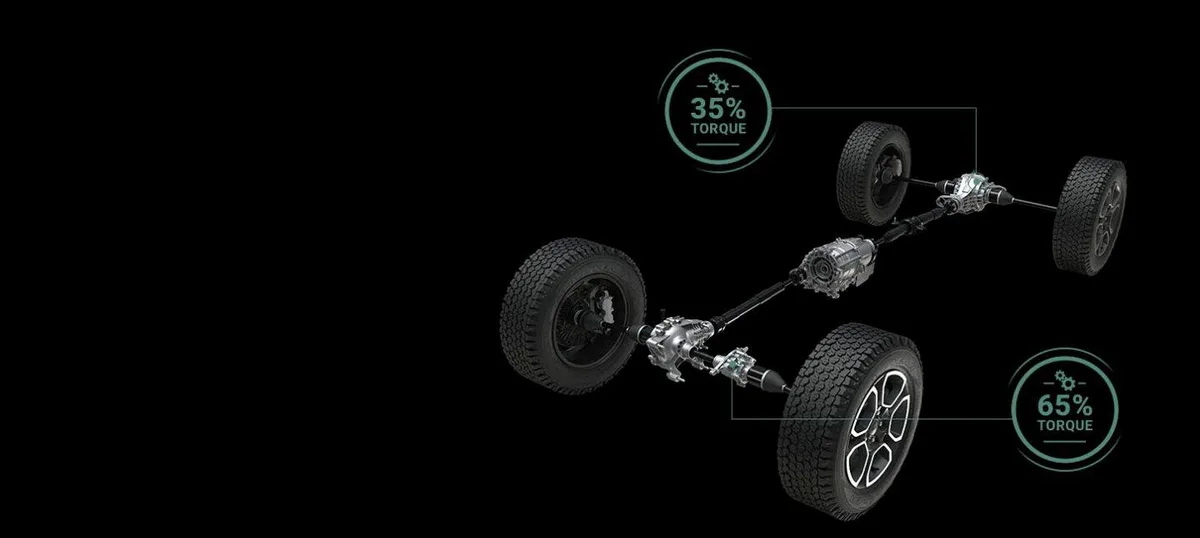
Image source: Web (Bing) / joecooperdodgeyukon.com (Web image (fair-use with source credit))
Common Off-Roading Mistakes with the Commander (and Any SUV)
Even with a vehicle that has some off-road chops, it’s easy to make mistakes that can lead to frustration, damage, or getting stuck. The Jeep Commander, while capable for its class, is particularly susceptible to these missteps if its limitations aren't understood. Being aware of these common errors can save you a lot of headaches.
Pushing Beyond its Limits
One of the biggest mistakes owners make is assuming that because it's a Jeep, it can do anything a Wrangler can. The Commander, with its unibody construction and less extreme suspension geometry, is not built for hard-core rock crawling, deep mud bogs, or steep, technical descents. Trying to navigate obstacles that require significant suspension articulation, extreme ground clearance, or aggressive tire grip will likely result in getting stuck, damaging underbody components, or even breaking a drivetrain part.
It's crucial to assess the trail difficulty and honestly evaluate whether your Commander, in its stock or lightly modified form, is up to the task.
Neglecting Pre-Trip Checks
Before heading out on any off-road adventure, even a mild one, a thorough pre-trip inspection is essential. This means checking tire pressure and condition, ensuring all fluids are topped off (engine oil, coolant, brake fluid, differential fluid), inspecting the suspension for any worn components, and verifying that any underbody protection is securely in place. Skipping these checks on a vehicle like the Commander could mean a minor issue that would be manageable on the road becomes a major problem miles from help.
For instance, low tire pressure that might be fine for a short, slow trail can lead to a tire coming off the bead if pushed too hard or too fast.
Commander vs. Other Mid-Size SUVs for Off-Pavement Fun
When considering the Jeep Commander for off-roading, it’s helpful to see how it stacks up against its peers from the same era and segment. While Jeeps generally have a reputation for off-road prowess, the Commander’s place in the lineup meant it had to balance capability with everyday usability and a more family-friendly design.
Comparing Capability and Comfort
Compared to other mid-size SUVs from the mid-2000s, the Jeep Commander with its optional Quadra-Drive II system offered a competitive package for light to moderate off-roading. Its available V8 engines also provided more power than many competitors. However, it generally trailed vehicles specifically designed with more robust off-road suspensions and higher ground clearance, like the Toyota 4Runner.
These competitors often offered better articulation and more durable underpinnings for tackling tougher terrain right out of the factory. The Commander often provided a more comfortable on-road ride than many of its more trail-focused rivals, making it a good compromise for those who didn't want to sacrifice daily comfort for occasional adventure.

Image source: Bing (Web (fair-use with source credit))
When to Consider a Grand Cherokee Instead
Often, the more direct comparison within Jeep's own lineup reveals the Commander's positioning. The Jeep Grand Cherokee from the same generation shared many components with the Commander but was typically engineered with a greater emphasis on off-road capability. The Grand Cherokee, especially in its more off-road-oriented trims, usually offered better ground clearance, more robust suspension options, and more advanced traction control systems designed for more challenging terrain.
If your primary goal is significant off-roading, or you plan on modifying the vehicle for serious trails, a Grand Cherokee would generally be a more suitable starting point than a Commander. This is because its design intent leans more heavily towards the off-road aspect from the factory.
Tips for Getting the Most Out of Your Commander Off-Road
Making sure your Jeep Commander is ready for off-road duty involves a few key maintenance steps and smart driving habits. It’s not about major overhauls but rather optimizing what’s already there and being mindful of how you operate the vehicle. Our editorial analysis of user feedback suggests these practices significantly enhance the off-road experience and help prevent common issues.
Essential Maintenance and Upgrades
Before you even think about hitting a trail, ensure your Commander is up to date on routine maintenance. This includes checking the condition and pressure of your tires; all-terrain tires are a worthwhile upgrade for better grip. Inspecting your suspension for any worn components, like bushings or ball joints, is also critical, as these can fail under stress.
For those planning more than just occasional light use, consider adding aftermarket skid plates to protect the vulnerable underbody components, such as the transfer case and fuel tank.
Smart Driving Techniques
When you're actually off-road, your driving technique matters just as much as the vehicle's hardware. Smooth inputs are key; avoid jerky acceleration or braking, as this can upset the vehicle’s balance and reduce traction. When climbing obstacles, maintain a steady, slow speed, allowing the 4WD system and tires to do their work.
On descents, use low-range gearing if available and engine braking to control your speed, rather than relying solely on the brakes. In challenging terrain, it's often better to maintain momentum than to stop completely, but always be prepared to stop if you encounter an unexpected obstacle.
Frequently Asked Questions About the Jeep Commander Off-Road
Can a Jeep Commander handle rough terrain?
Yes, a Jeep Commander equipped with its available four-wheel-drive systems can handle moderately rough terrain, such as unpaved roads, gravel paths, and light trails. It is not designed for extreme rock crawling or severe off-road conditions.
What is the ground clearance of a Jeep Commander?
The Jeep Commander typically has around 8 inches of ground clearance, though this can vary slightly by model year and trim. This is sufficient for light off-roading but less than dedicated off-road vehicles.
Are there specific trims of the Jeep Commander better for off-roading?
Trims equipped with the optional Quadra-Drive II four-wheel-drive system, which includes electronic limited-slip differentials, offer enhanced off-road capability compared to models with standard 4WD.
What kind of tires should I use on a Jeep Commander for off-roading?
For improved off-road performance, consider upgrading from standard all-season tires to all-terrain tires. These offer better traction on loose surfaces like dirt, gravel, and mud.
Can the Jeep Commander be modified for serious off-roading?
While some modifications are possible, the Commander's unibody construction and design focus make it less suited for extreme off-road modifications compared to body-on-frame SUVs. Significant modifications might compromise its on-road comfort and reliability.
Final Verdict: Is the Commander Right for Your Adventures?
In summary, the Jeep Commander can be a capable vehicle for light off-roading and general adventuring, especially if equipped with the proper 4WD system. It offers a decent blend of on-road comfort and family utility with the ability to tackle unpaved roads and less demanding trails. However, it's crucial to understand its limitations.
For serious rock crawling, extreme trail riding, or demanding expeditions, you'll likely find more suitable options in Jeep's lineup or from other manufacturers that are built with more robust off-road hardware. If your adventures typically involve reaching remote campsites or navigating challenging weather conditions rather than tackling technical off-road obstacles, the Commander might just fit the bill.