Are Exercise Bikes Worth It
Are exercise bikes worth it? That depends less on the bike and more on you, your space, and your habits. A stationary bike is one of the most popular home fitness purchases, but it's also one of the most likely to end up collecting dust in a corner.
The truth is, it can be a brilliant investment or a complete waste of money, and the deciding factor is usually how you approach it.
The CDC's physical activity guidelines recommend 150 minutes of moderate-intensity cardio each week, and an exercise bike is one of the easiest ways to hit that target without leaving your living room. As of 2026, the home fitness market is packed with options, from basic $200 upright bikes to $2,000+ smart trainers. Before you browse, you need to know which branch of the decision tree you're on.
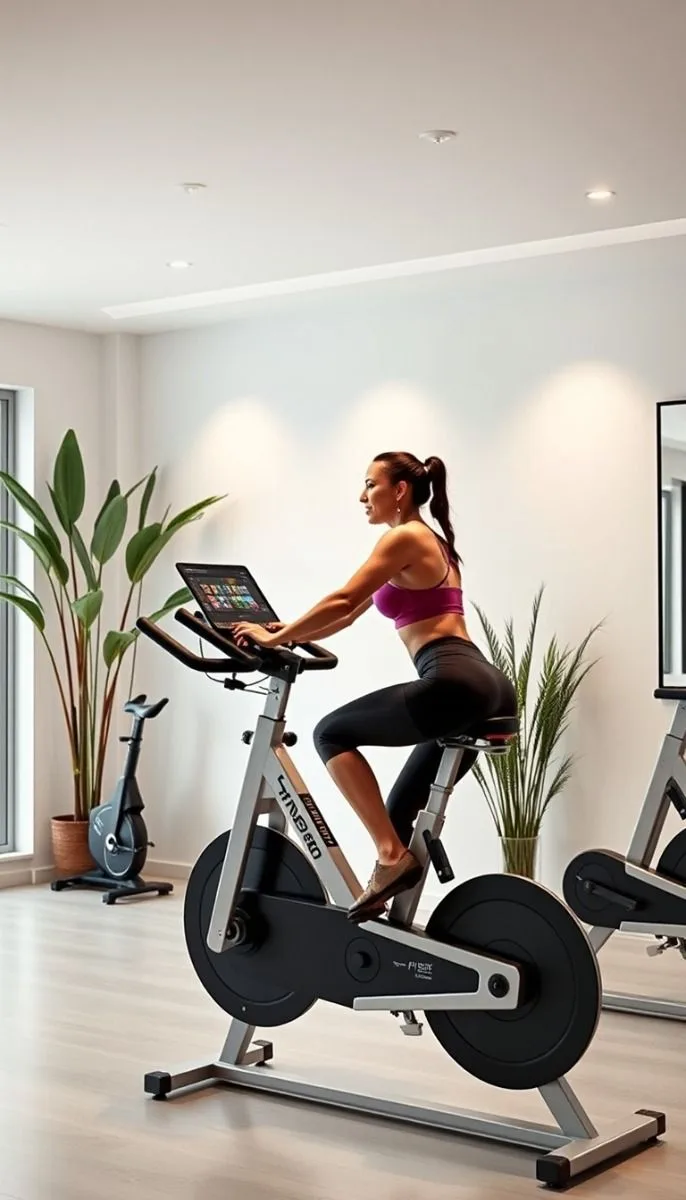
Image source: Bing (Web (fair-use with source credit))
Quick Answer
Yes, exercise bikes are worth it for people with clear goals, a workout routine they can stick to, and a bike that fits their space and body. They offer low-impact cardio, convenience, and quiet operation. They're not worth it if you're buying on motivation alone or haven't exercised consistently before.
Before You Even Look at Bikes, Answer These 4 Questions
Most people buy an exercise bike because they think they "should" exercise more. That's not a good enough reason. You need a clear, honest answer to these four questions before spending a cent.
1. What's your actual goal? Are you trying to lose weight, recover from a knee injury, build cardio endurance, or just move more during a desk job? Each goal points to a different type of bike.
Weight loss wants an upright or spin bike. Joint rehab wants a recumbent bike. General movement might be solved with an under-desk bike that costs a fraction of the price.
2. Will you actually use it? Skip the "I'll use it every day" optimism. Look at your real schedule.
If mornings are chaos and evenings are spent exhausted on the couch, a bike won't magically fix that. The people who succeed are those who already have a consistent workout habit, just not one they can do at home.
3. Where is it going to live? Measure the space. A typical spin bike takes about 4 by 2 feet of floor space, plus room to get on and off.
It also needs to stay out of the way, or it becomes an obstacle and then a storage shelf. If you live in a small apartment, a compact foldable bike might be the difference between daily use and never touching it.
4. What's your real budget? Not just the purchase price. Factor in delivery, a mat, maintenance, and possibly a subscription if you want a smart bike.
The $2,000 bike with a $44 monthly subscription is a different commitment than the $300 bike with no ongoing fees.
These four answers determine everything that follows. Write them down before you continue.
The Exercise Bike Worth-It Decision Tree
Here's the framework that cuts through all the marketing noise. Match your situation to the branch, and you'll know whether a bike is worth it.
Branch A: You're recovering from an injury or dealing with joint pain. A recumbent exercise bike, with its reclined seat and forward pedals, is genuinely worth it. It provides low-impact cardio that's easy on the knees and hips. The CDC's physical activity guidelines confirm that adults with chronic conditions can benefit from regular moderate activity.
This is one of the safest ways to get it.
Branch B: You're training for outdoor cycling or want high-intensity intervals. A spin bike is worth it, particularly one with a heavy flywheel and adjustable resistance. You can replicate sprint intervals, hill climbs, and endurance rides without ever leaving your living room. The data tracking on smart bikes helps you structure those sessions properly.
Branch C: You just want to stay active and don't need fancy features. A basic upright bike under $400 is worth it, but only if you can pair it with something that keeps you engaged. That could be Netflix, a podcast, or a simple interval timer. Without that, boredom will kill the habit within a month.
Branch D: You're not sure you'll stick with it. A cheap under-desk bike or a used bike from a resale site is the smarter starting point. You get the movement benefits without the financial guilt. Research from the National Institutes of Health suggests that even light physical activity, like pedaling while working, improves metabolic health.
Upright, Spin, Recumbent, or Smart: Which Bike Fits Your Branch?
Each bike type answers a different problem. Here's the honest breakdown.
| Bike Type | Best For | Trade-offs |
|---|---|---|
| Upright bike | General cardio, weight loss, beginners | Compact, affordable, but can get uncomfortable on long rides |
| Spin bike | Intense intervals, cycling training, those who want a studio feel | Heavier, takes more space, needs proper seat adjustment |
| Recumbent bike | Seniors, joint pain, back issues, low-impact recovery | Wider footprint, less intense, doesn't mimic real cycling |
| Smart bike | Tech integration, live classes, structured training | Expensive, subscription required, screen can fail |
The biggest mistake is picking a spin bike because it looks cool when you're actually a recumbent candidate. Or picking a smart bike because you love the idea of live classes when you've never been to a spin class in your life.
Here's a quick rule of thumb. If you're over 60 or have a knee problem, go recumbent. If you're under 40 and want a sweat-session without leaving home, go spin.
If you're in between and just want to move more, go upright.
Smart bikes are wonderful tools, but the subscription cost adds up fast. If you already pay for a gym membership, adding a $44 monthly class subscription on top of a $2,000 bike is a real commitment. That's a decision, not an impulse buy.
The True Price of Owning One: Bike Costs, Subscriptions, and Hidden Fees
The sticker price is only the beginning. Let's break down the real numbers.
| Cost Item | Price Range | Frequency |
|---|---|---|
| Basic upright bike | $200–$400 | One-time |
| Mid-range spin bike | $500–$900 | One-time |
| Premium smart bike | $1,500–$2,500 | One-time |
| Subscription (Peloton, etc.) | $24–$44/month | Monthly |
| Exercise mat | $30–$60 | One-time |
| Delivery and setup | $0–$200 | One-time |
| Replacement parts | $20–$100 | Occasional |
That mid-range spin bike isn't $700. It's $700 plus a $40 mat, possibly $100 delivery, and if you opt for virtual classes, $528 a year in subscriptions. Over two years, the total jumps to nearly $2,000.
But there's a way to cut that. The used market is solid. Exercise bikes depreciate fast because so many people buy them, use them for three weeks, and sell them at a loss.
A quality used spin bike for $300 is one of the best values in home fitness.
Also, don't forget maintenance. Belt-driven bikes are quieter and require less upkeep than chain-driven ones. You'll still need to check bolts, clean the frame, and occasionally tighten tension.
A neglected bike is a creaky, wobbly bike that you'll stop using.
How to Set Up and Actually Stick With a Bike (What Works)
Setup matters more than people think. A poorly adjusted bike causes discomfort within minutes, and that discomfort is the top reason bikes get abandoned.
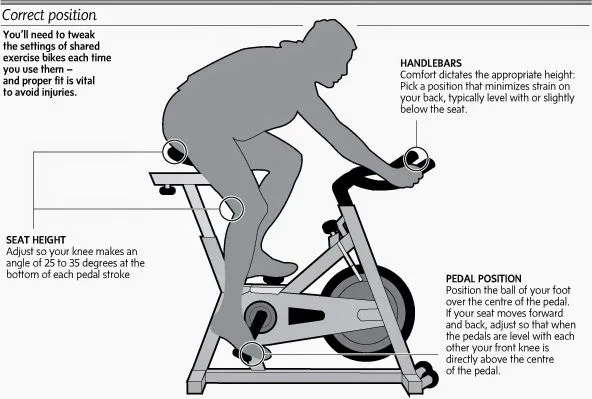
Start with the saddle height. Stand next to the bike and set the saddle at hip height. When you sit and place your foot on the pedal at its lowest point, your knee should have a slight bend.
Too low, and your knees ache. Too high, and your hips rock side to side.
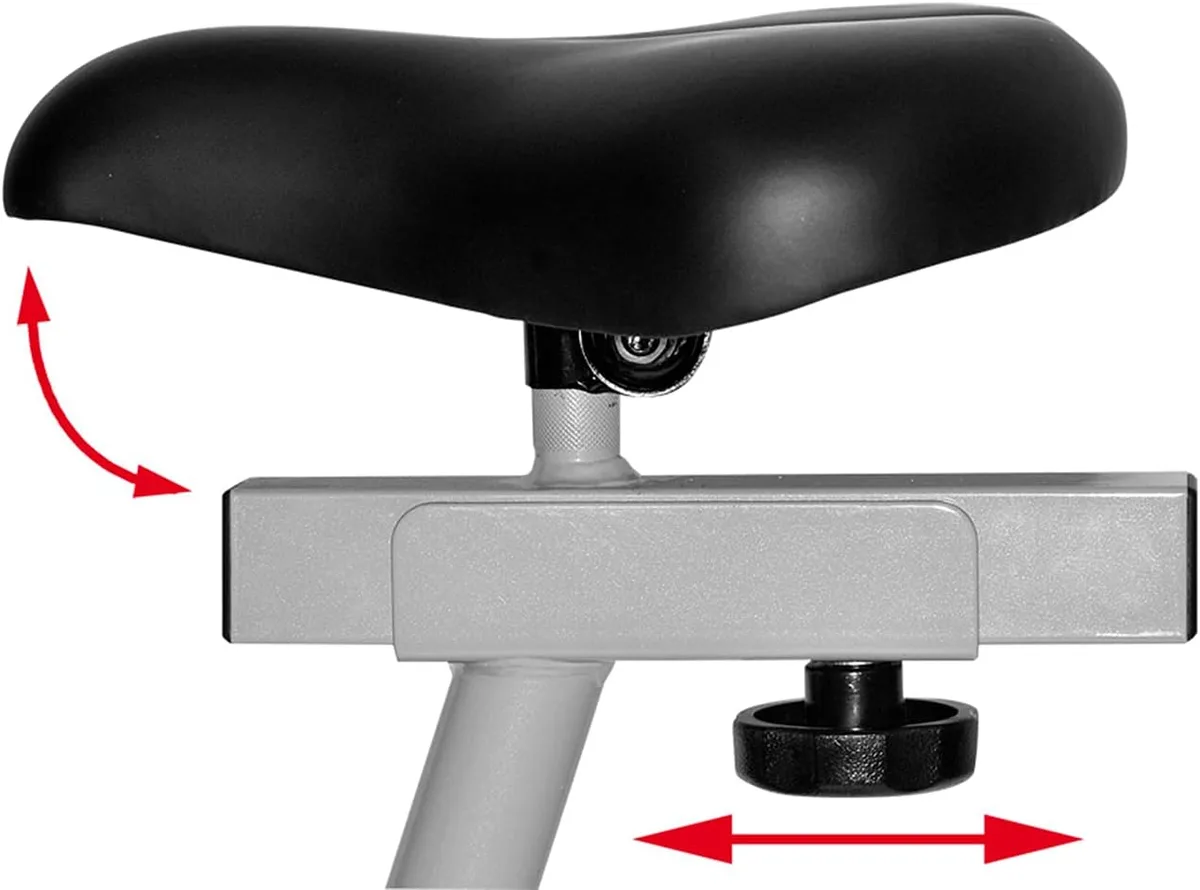
Image source: Bing (Web (fair-use with source credit))
Next, adjust the handlebars. They should be at a height that lets you ride with a relaxed, slightly forward posture. You shouldn't be reaching, and you shouldn't be hunched.
The seat-to-handlebar distance matters just as much. Make small adjustments and test for a few minutes before locking everything in.
Then, create a routine that makes skipping harder than doing it. Put the bike somewhere you pass daily, not in the garage. Set a calendar reminder for the same time each day.
Start with just 10 minutes, not an hour. Research from behavioral psychology consistently shows that tiny, consistent actions beat sporadic bursts of motivation.
Pair the bike with something you already enjoy. A favorite podcast that's only for riding. A TV show you only watch while pedaling.
That mental association turns a chore into something you look forward to.
And if you're a natural skeptic, look at the comparison between biking and rowing workouts. Both are excellent low-impact cardio options, but they serve different goals and use different muscle groups. Understanding that difference helps you commit to the right one for you.
Keep the bike visible, keep the adjustments dialed in, and keep your sessions laughably short at first. That's how it sticks.
The Biggest Mistakes That Turn an Exercise Bike Into a Clothes Rack
The biggest mistake isn't the bike you buy. It's assuming motivation will outlast the novelty. Most buyers are optimistic.
They envision early morning rides and instantly toned legs. That vision fades after the first week.
If you don't have a plan, the bike dies in the corner. Here are the four most common self-sabotage moves.
Mistake 1: Buying on motivation rather than habit. If you've never exercised consistently, the bike won't build the habit for you. Start with a used bike and a 10-minute daily goal. Success breeds consistency.
Mistake 2: Ignoring bike fit. A saddle that's too low or too high causes pain within minutes. That pain becomes an excuse to stop. Use the manufacturer's fit guide before your first ride.
Mistake 3: The subscription trap. That $44 monthly class fee adds up to $528 a year. When the classes stop, the bike stops. You can build a free interval routine with nothing more than a timer.
Mistake 4: No accountability. Without a schedule, "tomorrow" never arrives. Attach the bike to something you already enjoy, like a favorite podcast that's only for riding.
Here's the truth. If you want a full-body workout instead of leg-only cardio, a rowing machine is worth a look. But for most people, the bike isn't the problem.
The lack of a routine is.
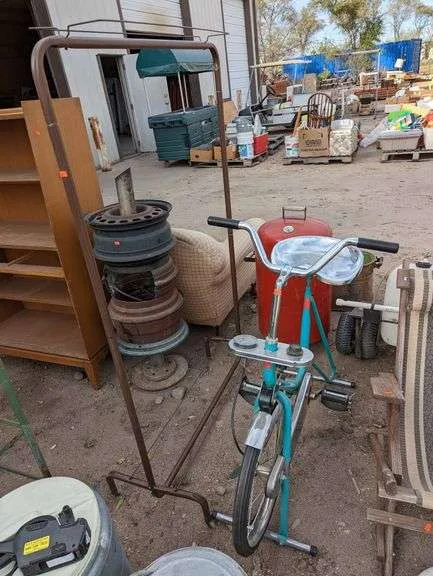
Image source: Bing (Web (fair-use with source credit))
Your Verdict: Is It Worth It for You?
Let's settle this with a simple checklist.
Worth it if you have a clear goal. Weight loss, cardio endurance, joint rehab. If you can name it in one sentence, you're ahead of most buyers.
Worth it if you can schedule it. Thirty minutes, three times a week. You don't need to be a morning person. You need a recurring time that sticks.
Worth it if the bike fits your space and your body. A recumbent bike in a tiny apartment is a logistics nightmare. A spin bike with one good leg is the same.
Not worth it if you're buying on hope. If you've never maintained a home workout habit, the bike becomes a $700 coat rack.
Not worth it if you already ignore your gym bag. A bike at home doesn't fix a motivation problem. It just moves the guilt from the gym to your living room.
If you're still weighing your options, the home cardio setups guide is a good starting point. It covers treadmills, ellipticals, and bikes side by side. For apartments, small-space picks highlight machines that fold or fit tight corners.
And rowing machines remain a strong alternative for a full-body session.
Frequently Asked Questions
How long does it take to see results from an exercise bike?
Most people notice better stamina within two to three weeks. Visible weight loss usually appears after four to six weeks with consistent riding and a balanced diet. The CDC physical activity guidelines suggest 150 minutes of moderate cardio weekly.
Is an exercise bike better than a treadmill?
It depends on your joints and goals. Bikes are gentler on knees and ankles. Treadmills provide more impact and calorie burn per minute.
For runners, a bike complements their training. For beginners with joint pain, a bike is the safer starting point.
How many days a week should I ride an exercise bike?
Aim for 30 minutes, five days a week, which hits the CDC's recommended 150 minutes of moderate activity. Beginners should start with three shorter sessions and gradually increase. Rest days matter for recovery, even on a low-impact machine.
Are cheap exercise bikes worth buying?
Yes, if your expectations are realistic. A $200 bike suits beginners and gentle daily movement. Expect a shorter warranty, noisier operation, and basic resistance.
If you plan serious intervals or heavier riders, invest in a $500-plus model with a heavier flywheel.