What Is the Difference Between Air and Magnetic Rowing Machines
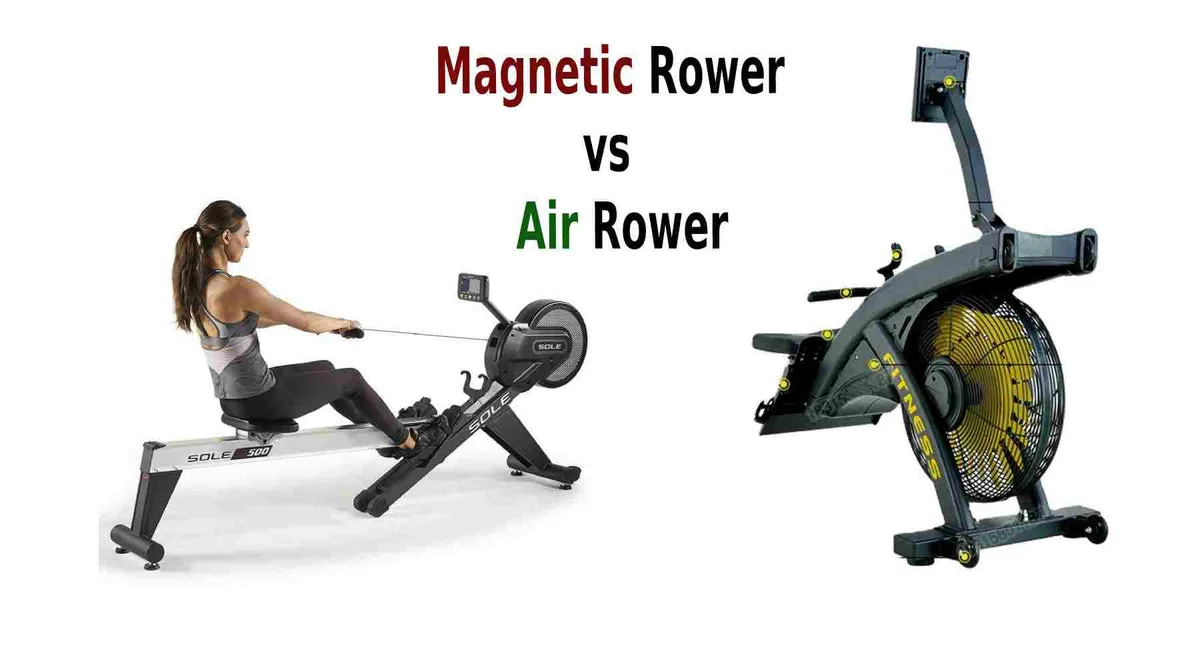
Image source: Bing (Web (fair-use with source credit))
What is the difference between air and magnetic rowing machines
If you're thinking about getting a rowing machine, you've likely come across two main types: air and magnetic. Deciding between them can feel a little tricky because they both look and feel like rowers, but their internal mechanics are quite different, leading to distinct workout experiences. Our research indicates that understanding these core differences is key to choosing the right machine for your home gym or fitness routine.
The primary distinction lies in how they generate resistance. Air rowers use a fan system, where your effort directly dictates the resistance, much like a bike's pedals. Per manufacturer specifications, magnetic rowers, on the other hand, employ electromagnets to control resistance, offering a more controlled and often quieter experience.
Let's dive into how each works to help you decide.
How Air and Magnetic Rowers Create Resistance
At their heart, both air and magnetic rowing machines aim to simulate the resistance you'd feel rowing on water. The way they achieve this, however, is fundamentally different and impacts everything from workout feel to noise levels. This difference is crucial for understanding the user experience and suitability for various environments.
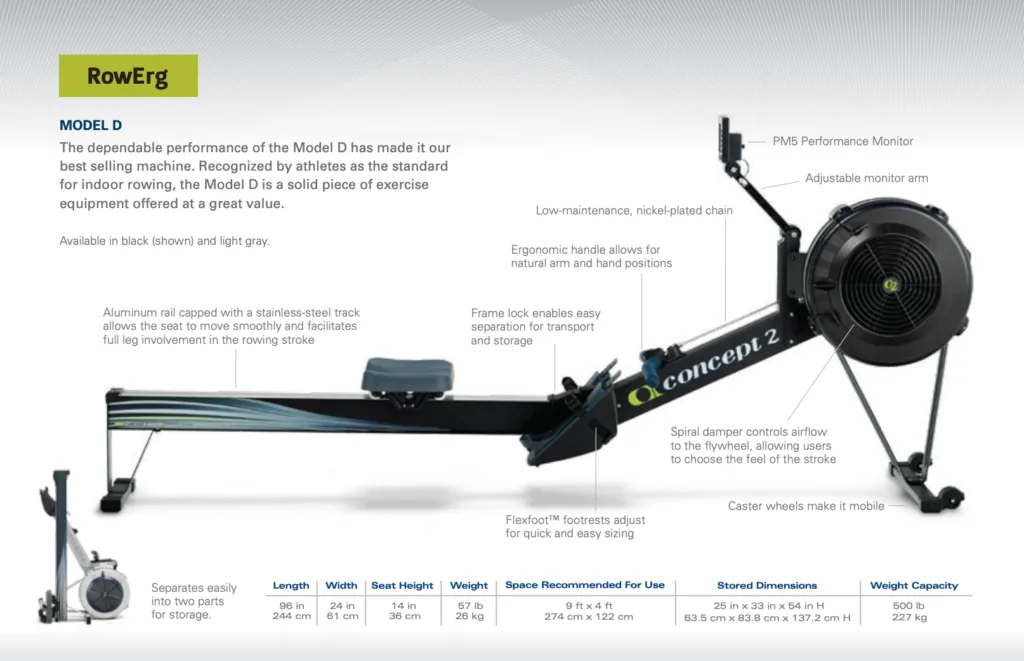
Image source: Bing (Web (fair-use with source credit))
Air rowers leverage a simple yet effective principle: kinetic energy. When you pull the handle, you spin a fan housed within a flywheel. The faster the fan spins, the more air it moves, and this air resistance is what pushes back against your stroke.
It's a direct relationship, more force from you means more resistance.
Magnetic rowers take a different approach, using the power of electromagnetism. They also feature a flywheel, but instead of air, the resistance comes from magnets positioned close to or far from it. This distance is electronically controlled, allowing you to select specific resistance levels.
This means the resistance remains constant regardless of your stroke speed, offering a predictable challenge.
Air Rowers: What You Need to Know
Air rowing machines are popular for their natural feel and responsive resistance. They're often favored by those who appreciate a more authentic simulation of on-water rowing, where every aspect of your effort translates directly into the challenge you face.
The Fan and Your Effort
The core of an air rower is its fan or flywheel system. As you pull the handle, the fan spins, moving air. This creates a smooth, progressive resistance that increases with your speed.
Aggregate reviews report that this dynamic resistance feels very much like rowing on open water. There are no pre-set levels to choose; your intensity dictates the challenge. This makes it an excellent tool for interval training or for users who prefer their workout to adapt entirely to their output.
Noise Factor
Because air rowers use a fan to create resistance, they do produce a noticeable sound. This isn't typically a mechanical clanking or grinding noise, but rather a whooshing or whirring sound as the fan spins. Some users find this sound motivating, likening it to the sounds of water and movement.
However, for those in apartments or who prefer a very quiet workout environment, this can be a significant consideration. Manufacturer specifications often don't list decibel ratings, but user feedback consistently highlights this as a key differentiator.
Magnetic Rowers: What You Need to Know
Magnetic rowing machines are known for their quiet operation and precise control over resistance levels. They are a popular choice for home users who need to be mindful of noise or who prefer a more structured, predictable workout experience.
Image source: Web (Bing) / bangkokbiznews.com (Web image (fair-use with source credit))
Magnets and Flywheels
Instead of a fan, magnetic rowers use a system of permanent magnets and a metal flywheel. The resistance is generated by adjusting the proximity of the magnets to the flywheel. This is typically done via an electronic console, often with a dial or buttons.
This mechanism allows for a consistent level of resistance throughout your workout, meaning that if you set it to level 5, it stays at level 5, regardless of how hard or fast you row.
Quiet Operation and Adjustable Settings
The primary advantage of magnetic rowers is their near-silent operation. Because there are no moving parts like a fan creating air displacement, the rowing motion is very quiet. This makes them ideal for shared living spaces or early morning workouts.
Furthermore, the ability to precisely adjust resistance levels allows users to easily follow training programs or target specific muscle groups with varying intensity. This controlled resistance is a key feature that sets them apart from air rowers.
Air vs. Magnetic: Key Differences Side-by-Side
Understanding the core differences between air and magnetic rowing machines boils down to a few key areas that directly impact your workout experience, the machine's performance, and its suitability for your home.
Resistance Feel and Control
Air rowers offer a fluid, natural resistance that scales directly with your effort. The harder you pull, the more resistance you feel, mimicking on-water rowing very closely. This makes them feel organic, but it also means resistance can vary significantly from stroke to stroke based on your power output.
Magnetic rowers, conversely, provide a set, consistent resistance. You choose a level (e.g., 1-10), and that level remains constant throughout your session. This offers predictable challenge, which is great for structured training plans but can feel less dynamic than an air rower.
Noise Comparison
This is perhaps the most significant practical difference for home users. Air rowers are inherently noisier due to the spinning fan, producing a whooshing sound. While not a mechanical clatter, it can be considerable, especially during intense workouts.
Magnetic rowers, by contrast, are remarkably quiet. Their resistance mechanism involves magnets and a flywheel with minimal friction, resulting in a very low noise level, often barely audible. This makes magnetic rowers a prime choice for apartments or situations where noise is a concern.
Maintenance and Durability
Both types generally require minimal maintenance, which is a plus for home fitness equipment. Air rowers' main components are the fan and the chain/seat mechanism. Occasional cleaning of the fan housing may be necessary to remove dust.
Magnetic rowers have fewer moving parts in their resistance system, primarily the flywheel and magnets, and thus often require even less direct maintenance for the resistance mechanism itself. However, electronic consoles on magnetic rowers can be a point of failure if not well-manufactured. Per industry reports from appliance and fitness equipment repair services, mechanical failures on air rowers tend to be simpler to address than potential electronic issues on magnetic models.
Who Is Each Rower Best For?
Choosing between an air and a magnetic rower ultimately depends on your personal preferences, workout goals, and living situation. Each type excels in different areas, making one a better fit for certain users than the other.
Air Rowers: The Realistic Rower's Choice
If you're chasing the most authentic rowing experience possible outside of a boat, an air rower will likely satisfy your needs. These machines are fantastic for users who want their workout resistance to mirror the direct cause-and-effect of pushing water. Experienced rowers often prefer them for this reason.
They're also great for those who enjoy a more visceral, engaging workout and don't mind the accompanying sound. If you're looking to train for actual rowing or simply love the feel of dynamic, effort-driven resistance, consider an air rower. This type of machine also pairs well with a focus on building foundational strength, similar to the benefits gained from 12 Best Dumbbells for Full-body Workouts.
Magnetic Rowers: The Quiet, Controlled Workout
Magnetic rowers shine for their quiet operation and consistent resistance. If you live in a shared space, have neighbors close by, or simply prefer a peaceful home gym environment, a magnetic rower is a clear winner. Their adjustable resistance levels also make them ideal for users who follow specific training programs or want to precisely control the intensity of each workout.
For beginners who might feel intimidated by the unpredictable resistance of air rowers, the predictable nature of magnetic resistance can be more approachable. They're also a good option if you're exploring other equipment that offers quiet resistance, like certain 12 Best Exercise Bike With Magnetic Resistance models.
Common Questions About Air and Magnetic Rowers
Do air rowers require more maintenance than magnetic rowers?
Generally, air rowers may require slightly more upkeep, primarily due to the fan mechanism. Dust can accumulate on fan blades, requiring occasional cleaning to maintain optimal performance. Magnetic rowers typically have fewer moving parts in their resistance system, so maintenance often focuses on the drive belt and general cleaning.
Manufacturer specifications from leading brands as of 2026 indicate both types are designed for durability with minimal user intervention.
Can you get a full-body workout on both types of rowers?
Yes, absolutely. Both air and magnetic rowing machines provide excellent full-body workouts. They engage your legs, core, and upper body with every stroke, targeting major muscle groups.
The primary difference lies in how the resistance is applied and felt, not in the overall muscle engagement achieved. For users seeking to supplement their cardio with strength, pairing a rower with 12 Best Dumbbells for Home Gym can offer a comprehensive fitness approach.
Which type of rower is better for interval training?
Air rowers are often preferred for high-intensity interval training (HIIT). Their resistance naturally scales with your effort, making it easy to ramp up intensity for short bursts and recover. The dynamic response means that as you push harder during intervals, the resistance increases proportionally, providing a challenging and effective workout.
Magnetic rowers can also be used for intervals, but you'll need to manually adjust the resistance level between sets, which can sometimes interrupt the flow.
Are air or magnetic rowers better for people with joint issues?
Both types can be gentle on the joints because rowing is a low-impact exercise. However, the smoother, more controlled resistance of magnetic rowers might be slightly more forgiving for individuals with very sensitive joints or certain pre-existing conditions. The consistent resistance means less jarring impact.
It’s always wise for individuals with specific health concerns to consult with a healthcare professional before starting any new exercise regimen. For those focusing on low-impact cardio, exploring options like 12 Best Recumbent Exercise Bike could also be beneficial.
Can I change the resistance on an air rower?
You can't change the resistance on an air rower via a dial or button as you would on a magnetic machine. The resistance is entirely determined by how hard and fast you pull the handle. If you want more resistance, you simply row harder.
If you want less, you ease up. This is the defining characteristic of an air rower's resistance system, it's driven by your physical output, not electronic settings.
Making Your Choice: Air or Magnetic?
Deciding between an air and a magnetic rowing machine isn't about which one is objectively "better," but rather which one is better for you. Your living situation, training style, and personal preferences play the biggest role in this decision.
If you’re drawn to the authentic feel of rowing on water and don't mind a bit of ambient noise, an air rower will likely satisfy your needs. Its resistance adapts directly to your effort, making every stroke a true reflection of your power. This makes it an excellent choice for serious rowers or anyone seeking a dynamic, engaging workout.
Those looking for a full-body cardio solution that can be paired with other equipment might also consider it, perhaps alongside a set of 12 Best Dumbbells for Strength Training for a complete home gym setup.
On the other hand, if quiet operation is a priority, or if you prefer the control of setting specific resistance levels for structured training, a magnetic rower is probably your ideal pick. They offer a smooth, silent workout that won't disturb others, making them perfect for apartments or early morning sessions. The consistent resistance also appeals to many users who value predictability in their fitness routine.
If you’re looking for a quieter cardio option that provides similar benefits, exploring different types of exercise bikes might also be worthwhile, especially those with quiet resistance like 12 Best Exercise Bike With Magnetic Resistance.