How to Juice Carrots
So you’re looking into how to juice carrots at home? That’s a fantastic move towards getting more vibrant, nutrient-rich goodness into your daily routine. It might seem like a big task, but when you focus on the visual cues and simple steps, it really comes down to understanding your tools and the produce.
Our research shows that for most home users, clarity on carrot preparation and juicer operation is key to success. Understanding what to look for, from the freshness of your carrots to the way your juicer works, makes the whole process smooth and rewarding.
Quick Answer
To juice carrots, wash and trim them, then feed them into a suitable juicer. Centrifugal juicers are fast and affordable, while masticating models offer higher yields and quieter operation. Ensure carrots are cut to fit your juicer's chute.
Clean all parts thoroughly after use.
Why Visuals Make All the Difference for Carrot Juice
When you're trying to figure out how to juice carrots, reading words is one thing, but seeing it happen is another level entirely. Think about it: there's a subtle art to washing and chopping carrots so they glide into your juicer without a hitch. Likewise, understanding the differences between a centrifugal and a masticating juicer becomes much clearer when you can see how their internal mechanisms work.
Visual guides help you spot the small details that make a big impact. You can learn what a perfectly fresh carrot looks like versus one that's seen better days, or how to tell if your juicer’s pulp is too wet, indicating an issue. This hands-on visual approach cuts down on guesswork.
Choosing Your Carrot Juicer: A Visual Rundown
Deciding which juicer is right for you often comes down to what you see and how it operates. There are two main types you'll encounter for carrot juicing: centrifugal and masticating. Each has its own way of getting the job done, and seeing them in action really highlights their differences.
Centrifugal juicers use a fast-spinning basket with a grater-like blade. They're super quick, but can be noisy and might introduce more heat into the juice. Masticating juicers, also called slow juicers, use a screw-like auger to crush and press the carrots.
They’re generally quieter, yield more juice, and produce less heat, which can help preserve more nutrients.
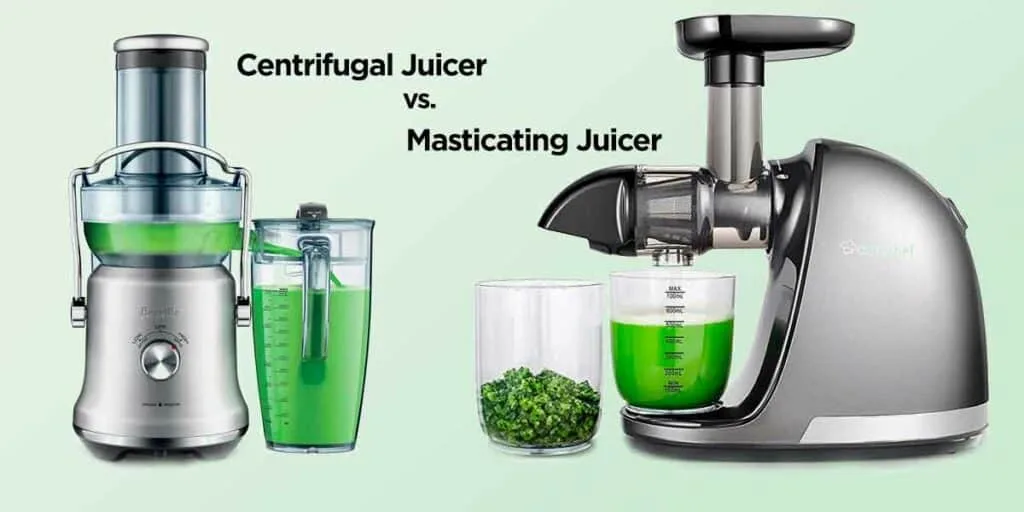
Image source: Bing (Web (fair-use with source credit))
Centrifugal Juicers:
- Pros: Fast operation, generally more affordable.
- Cons: Louder, can create more foam, potentially less juice yield.
- Visual Cue: You'll see a fast spin and a lot of pulp being flung outwards.
Masticating Juicers:
- Pros: Quieter, higher juice yield, less oxidation, better for leafy greens too.
- Cons: Slower operation, typically more expensive.
- Visual Cue: A slow, steady grinding and pressing motion of the auger.
Manufacturer specifications often detail motor power (measured in Watts) and RPMs (rotations per minute), but seeing how these translate to juice extraction is where the real understanding comes in. For as little as $50, you can find a basic centrifugal model, while quality masticating juicers often start around $150 and go up.
Getting Those Carrots Ready: Prep Work You Can See
Before your carrots even meet the juicer, proper preparation is key. This isn't just about washing; it's about how you cut them to suit your specific machine. Seeing the right size and shape makes feeding your juicer much easier and more efficient.
Most carrots can be juiced without peeling, especially if they're organic. However, if your carrots are heavily waxed, dirty, or have tough skin, a quick scrub with a vegetable brush is a good idea. You'll want to trim off both ends: the leafy green top and the very tip of the root.
- Washing: Use a vegetable brush under cool running water to remove any soil.
- Trimming: Cut off the green stems at the top and the root tip at the bottom.
- Chopping: This is where visuals are crucial.
- For centrifugal juicers, carrots typically need to be cut into pieces that fit comfortably down the feed chute. You don't need them tiny, just small enough to be easily swallowed by the machine. Imagine pieces about 1-2 inches long.
- For masticating juicers, the pieces often need to be smaller, sometimes even diced, especially if the chute is narrow. This helps the auger grab and process them effectively without jamming. Aim for pieces roughly ½ to 1 inch.
Seeing how a carrot piece fits into your juicer’s chute is the best guide. If you have to force it, it’s likely too big.
The Carrot Juicing Process: Step-by-Step Visual Cues
Now for the main event: turning those prepared carrots into delicious juice. The process itself is straightforward, but paying attention to a few visual cues ensures you get the best results every time. It’s about a steady rhythm and observing what’s happening in your juicer.
First, assemble your juicer according to its manual. Ensure all parts are clean and securely in place. Then, plug it in and turn it on.
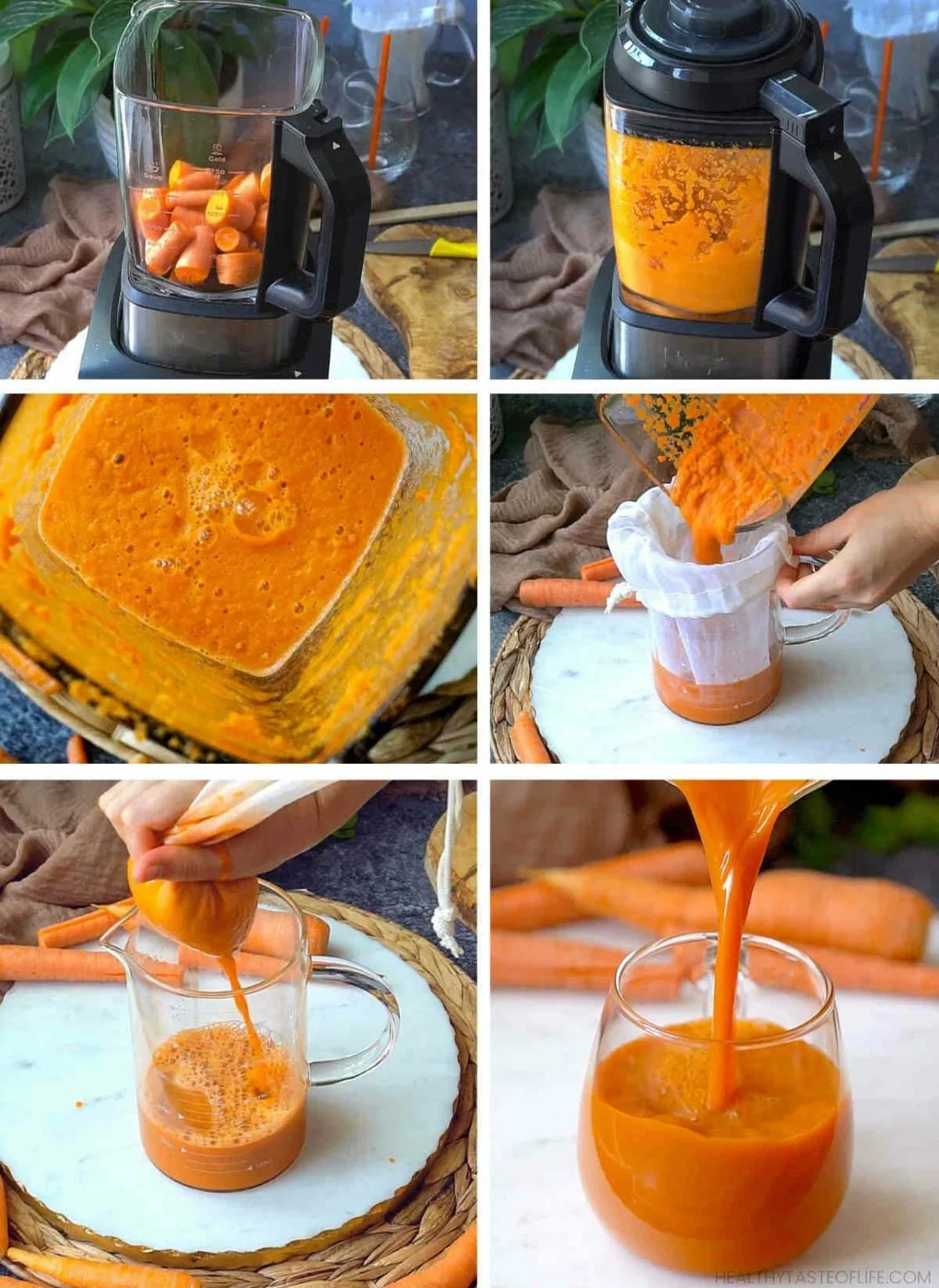
Image source: Bing (Web (fair-use with source credit))
- Feeding the Carrots: Start feeding the prepared carrot pieces into the juicer's chute, one by one or in small batches. For centrifugal juicers, you can often feed them fairly quickly. For masticating juicers, a steadier, more deliberate pace is usually better. Use the provided pusher if necessary, but avoid forcing the carrots.
- Observing the Output: As the juicer runs, watch for the juice flowing into your container and the pulp being ejected into its bin.
- Good Juice: You want a steady stream of juice. Some froth is normal, especially with centrifugal models.
- Good Pulp: The ejected pulp should look relatively dry. If it’s very wet and mushy, your juicer might be struggling, or the carrots might be past their prime.
- Stopping the Juicer: Once you've juiced all your carrots, turn off the juicer. If you're making a large batch, you might want to empty the pulp bin partway through to prevent overflow.
As of 2026, most reputable juicers are designed for straightforward operation, but visual confirmation of pulp dryness is a key indicator of efficiency.
Common Carrot Juicing Pitfalls (And How to Spot Them Visually)
Even with the best intentions, sometimes things don't go perfectly when you're juicing carrots. Recognizing these common issues by how they look or sound can save you a lot of frustration. It’s all about what your eyes and ears tell you during the process.
One of the most common problems is the juicer clogging. Visually, this looks like carrots piling up at the top of the chute, or the juicer slowing down significantly and making a strained noise. This usually means the carrot pieces are too large for the chute, or you’re trying to push too many through too quickly.
Another sign of trouble is excessive foam. While some foam is normal, a huge, overflowing amount might indicate your juicer is working too hard or that you're using a juicer that's not ideal for high-volume carrot juicing, like some older centrifugal models.
- Clogging:
- Visual: Carrots backing up in the feed chute; juicer straining.
- Fix: Turn off the juicer, clear the chute, cut carrots smaller, and feed them slower.
- Excessive Foam:
- Visual: Juice container overflowing with foam; frothy juice.
- Fix: Try a different juicer type, let juice sit for a minute to settle, or use a sieve.
- Wet Pulp:
- Visual: Pulp is soggy, holds together like a wet ball, and seems to contain a lot of liquid.
- Fix: Ensure carrots are fresh, try a different juicer, or re-juice the pulp (though this is less efficient).
If your juicer starts making unusual grinding noises, it's also a visual (and auditory!) cue that something might be wrong. Always refer to your juicer’s manual for specific troubleshooting steps.