How to Clean Kitchen Utensils
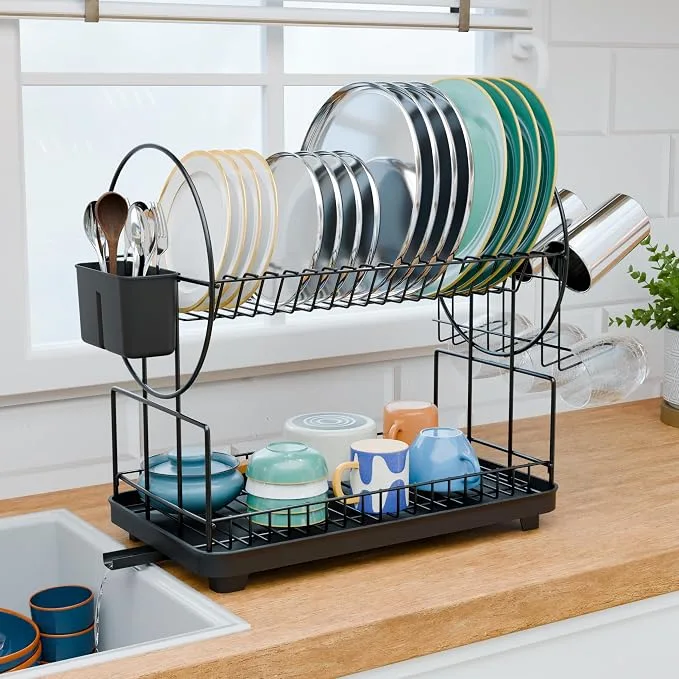
Image source: Bing (Web (fair-use with source credit))
When that sticky, burnt-on food refuses to budge or your wooden spoons start looking a little worse for wear, figuring out how to clean kitchen utensils can feel like a chore in itself. Getting it right keeps your tools safe, functional, and ready for your next culinary adventure.
Our research indicates that different materials require distinct approaches to cleaning and maintenance. For instance, stainless steel might need a different treatment than a delicate chef's knife, with manufacturer specifications often recommending specific cleaning agents and methods to preserve longevity, as noted by materials science guidelines from organizations like ASME.
Quick Answer
Properly cleaning kitchen utensils involves matching the method to the material. Scrape off excess food, then wash with hot, soapy water. For tough residue, try soaking or specialized cleaners like baking soda paste.
Always dry thoroughly to prevent rust or mold.
Stubborn Food Residue? The Starting Point
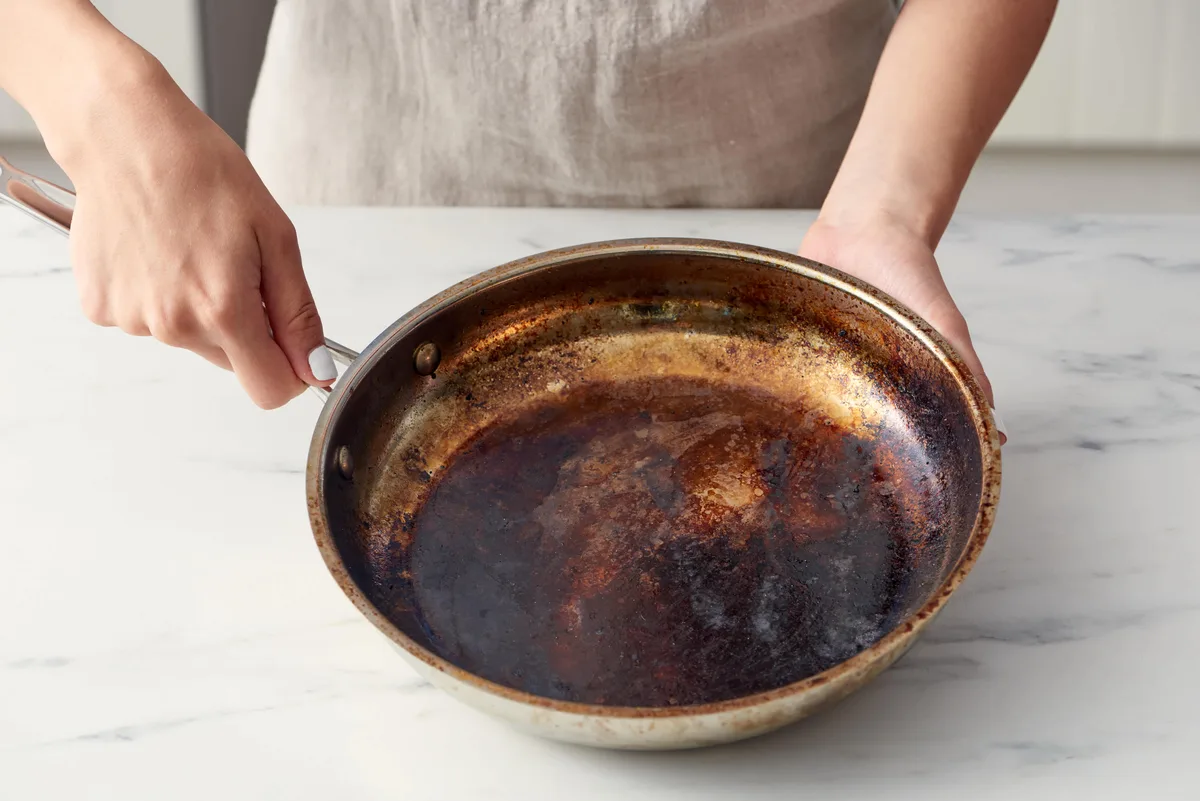
That feeling when you've finished cooking, but the thought of cleaning the pots and pans ahead is daunting, we've all been there. Stubborn food residue is the number one headache when it comes to kitchen utensil maintenance. Burnt-on cheese, dried pasta sauce, or seared meat remnants can cling to surfaces like a second skin.
This isn't just about appearances; it's about hygiene and the lifespan of your tools. Letting food particles linger can lead to bacterial growth, affecting food safety. Plus, repeated scrubbing with harsh methods can damage non-stick coatings or scratch delicate metals.
Identifying the type of residue and the utensil's material is your first step to figuring out the best cleaning path forward.
Material Matters: Your Utensil's Needs
The material your kitchen utensils are made from is the most critical factor in determining the correct cleaning method. What works for a robust cast iron skillet can damage a fine chef's knife or warp a plastic spatula. Understanding these differences prevents damage and ensures your tools last longer and perform better.
Stainless Steel & Cast Iron Care
Stainless steel and cast iron are workhorses in the kitchen, but they require specific care to avoid damage. For stainless steel, hot, soapy water is usually sufficient. For more challenging situations, a paste made from baking soda and water can help lift stuck-on food without scratching.
Avoid abrasive steel wool on polished stainless steel, as it can leave fine scratches that dull the finish.
Cast iron is a bit different. Aggressively scrubbing it can remove its seasoned protective layer, making it prone to rust. After use, scrape out any large food bits, then rinse with hot water.
A stiff brush or a specialized cast iron scraper works well. If rust does appear, it can often be scrubbed off with steel wool, but remember to re-season the pan immediately afterward by coating it with a thin layer of cooking oil and heating it in the oven. Manufacturer specifications for cast iron cookware, like those from Lodge, often detail this re-seasoning process.
Wood & Bamboo Wisdom
Wooden spoons, cutting boards, and other bamboo utensils are porous and can harbor bacteria if not cleaned and dried properly. Never soak wood or bamboo in water; this can cause the material to swell, crack, or warp. Instead, wash them with warm, soapy water and a sponge or dish brush.
For cutting boards, a quick scrub with a mixture of salt and lemon can help remove odors and stains. Always rinse them thoroughly and dry them completely with a towel or let them air dry upright. For tougher stains or to sanitize, a diluted vinegar solution can be effective, but always rinse well afterward.
Plastic & Silicone Strategies
Plastic and silicone utensils are generally quite forgiving. Most can go into the dishwasher, though check manufacturer guidelines to confirm. High heat in a dishwasher can sometimes warp cheaper plastics over time.
For hand washing, warm, soapy water and a sponge or brush are all you typically need. Silicone is excellent at resisting stains and odors, but if it does pick up a strong smell, a soak in diluted vinegar or a baking soda paste can usually eliminate it. Be cautious with abrasive scrubbers on plastic, as they can create tiny scratches that can trap food particles.
Delicate Knives & Tools
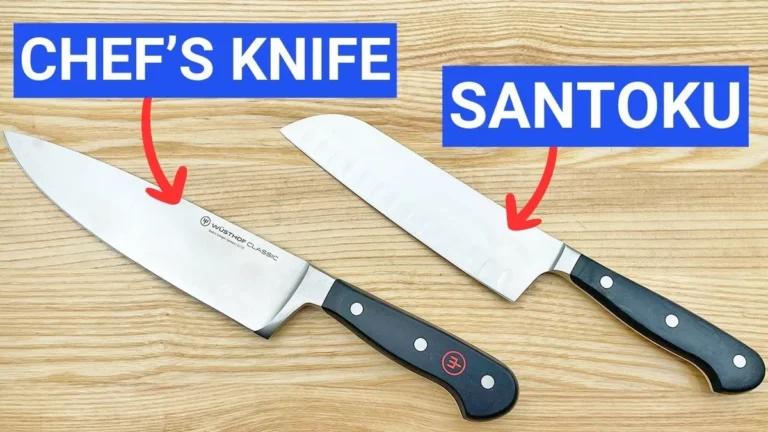
Sharp knives, graters, and mandolines require a different approach due to their sharp edges and often finer materials, like high-carbon stainless steel. Safety is paramount here. Always wash knives by hand immediately after use, keeping the blade away from your other hand and the sponge.
Never leave them soaking in the sink where they can be accidentally bumped or cut. Use a soft sponge and mild dish soap, cleaning the blade from the spine towards the edge. For graters and mandolines, a small brush is invaluable for getting into all the tiny holes and crevices without risking a cut.
Dry them immediately and thoroughly with a clean towel to prevent water spots or rust.
The Cleaning Workflow: Step-by-Step
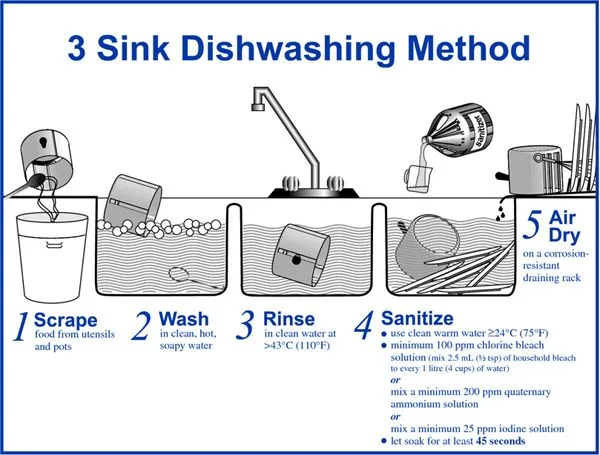
Achieving sparkling clean kitchen utensils isn't a single action, but a logical sequence of steps designed to remove food, kill germs, and preserve your tools. Following this workflow ensures thorough cleaning, regardless of the specific utensil. This process is foundational for maintaining kitchen hygiene and extending the life of your cookware and tools.
Prepping for a Deep Clean
Before you even turn on the tap, a little prep work makes a big difference. Start by scraping off any large pieces of food with a spatula or spoon. This prevents your sink from becoming clogged and makes the actual washing much easier.
For heavily soiled items, a quick soak can be incredibly effective. Fill a sink or basin with hot water and a squirt of dish soap, then submerge the offending utensils for 15-30 minutes. This loosens dried-on food particles, saving you from excessive scrubbing later.
Washing Methods: Hand vs. Dishwasher
The choice between hand washing and using a dishwasher depends on your utensils, your time, and your equipment.
- Hand Washing: This is often the safest bet for delicate items like wooden spoons, knives with non-stainless steel handles, or non-stick pans that manufacturers advise against putting in a dishwasher. It allows for more targeted cleaning and control. Use hot water, a good quality dish soap, and an appropriate cleaning tool (sponge, brush, or scrubber).
- Dishwasher: For many stainless steel, glass, and some plastic or silicone items, a dishwasher is a time-saver. Ensure your items are dishwasher-safe according to manufacturer instructions. Load them properly so water and detergent can reach all surfaces. Using a rinse aid can help prevent water spots. Research from appliance manufacturers indicates that most modern dishwashers operate efficiently with water temperatures between 120°F and 140°F (49°C to 60°C).
Dealing with Tough Stains and Burns
Sometimes, even soaking doesn't fully tackle burnt-on food or stubborn stains like tomato sauce or coffee. For these situations, a mild abrasive is your best friend. A paste made from baking soda and a little water is excellent for this.
Apply the paste to the stained area, let it sit for 10-15 minutes, then scrub gently with a sponge or brush. For stainless steel, a bit of Bar Keepers Friend can be very effective on tough stains and discoloration. For cast iron, you might need a bit more elbow grease and possibly even some steel wool, followed by immediate re-seasoning.
Never use harsh chemicals like oven cleaner on cookware unless explicitly instructed by the manufacturer for a specific purpose, as they can be corrosive and leave harmful residues.
Drying and Storage Done Right
Proper drying is crucial for preventing rust, water spots, and the growth of mold or mildew, especially on porous materials like wood and sponges. Air drying on a drying rack is ideal for many items, allowing air to circulate freely. Make sure utensils are placed so water can drain away.
For items like knives or wooden spoons that can be damaged by prolonged moisture, a quick wipe-down with a clean, dry microfiber cloth is best. Store utensils in a clean, dry place. Utensil crocks should be cleaned regularly, and drawers should be free of crumbs or moisture.
Common Utensil Cleaning Mistakes to Sidestep
Even with the best intentions, a few common slip-ups can hinder your cleaning efforts or even damage your kitchen tools. Being aware of these pitfalls can save you time, frustration, and the cost of replacing damaged utensils.
- Ignoring Manufacturer Instructions: This is a big one. Many items, especially those with special coatings or materials, come with specific care guidelines. Overlooking these can lead to premature wear or irreversible damage. For example, putting a "hand-wash only" pan in the dishwasher can ruin its non-stick surface.
- Using the Wrong Scrubber: Reaching for steel wool on a delicate non-stick pan or a polished stainless steel pot is a recipe for scratches. Conversely, using only a soft sponge on a heavily burnt-on cast iron pan won't be effective. Always match the scrubber's abrasive level to the utensil's material and the severity of the mess.
- Letting Things Soak Too Long (Especially Wood): While soaking helps loosen food, leaving wooden or bamboo utensils submerged in water for hours can cause them to swell, warp, and eventually crack. This also applies to some metal utensils that can develop rust if left wet for extended periods.
- Not Drying Thoroughly: This is particularly important for metal items, which can rust, and for wooden items, which can develop mold or mildew. Leaving moisture behind is an invitation for bacteria to grow and for materials to degrade. Always ensure utensils are completely dry before storing them away.
- Putting Dirty Utensils Straight into the Dishwasher: A quick scrape of excess food is essential. Otherwise, larger food particles can clog your dishwasher’s filter or spray arms, reducing its efficiency and potentially transferring food residue to other items.
Expert Tips for Sparkling Utensils
Drawing from established kitchen practices and material science insights, here are some pro-level tips to keep your utensils in top shape and your kitchen sparkling clean. These aren't just about making things look nice; they're about efficiency, hygiene, and longevity.
- Clean as You Go: This is the golden rule of professional kitchens. Tackling messes immediately, even if it's just a quick rinse and wipe, prevents food from hardening and makes the final cleanup significantly easier. It also maintains a cleaner workspace.
- Baking Soda is Your Best Friend: Our research confirms that baking soda is a remarkably versatile cleaner. It's a mild abrasive for scrubbing, an odor absorber, and can even help lift stubborn stains from most utensil materials, including stainless steel and plastic. Mix it with a little water to form a paste for targeted cleaning.
- Vinegar for Deodorizing and Sanitizing: A diluted white vinegar solution (about 1 part vinegar to 3 parts water) can be used to wipe down surfaces for a gentle sanitizing effect and to neutralize odors, especially on cutting boards and wooden utensils. Always rinse thoroughly with plain water afterward.
- The Right Tools for the Job: Invest in a good set of brushes. A stiff-bristled dish brush is great for most pots and pans, while a smaller detail brush can get into the nooks and crannies of graters and whisks. A dedicated pan scraper, often made of tough plastic or silicone, is invaluable for removing burnt-on bits without scratching.
- Seasoning for Cast Iron is Non-Negotiable: If you cook with cast iron, re-seasoning after cleaning, especially after any rust removal, is vital. This creates a natural non-stick surface and protects the metal from rust. Manufacturer guidelines, such as those from Lodge, consistently emphasize this step.
- Deep Clean Your Dishwasher: Just like your utensils, your dishwasher needs cleaning to perform optimally. Regularly clean the filter and run an empty cycle with a dishwasher cleaner or a cup of white vinegar to remove grease and mineral buildup. This ensures cleaner dishes and extends the appliance's lifespan.
How to Clean Kitchen Utensils: A Decision Guide
Figuring out the best way to clean kitchen utensils depends on the material they're made from and the type of mess you're dealing with. This guide helps you make the right choice at each step. If you have a specific problem, the material of your utensil will often dictate the solution.
- If you have burnt-on food:
- On Stainless Steel or Cast Iron: Try soaking in hot, soapy water for 15-30 minutes, then use a non-scratch scrubber or a baking soda paste. For cast iron, steel wool might be needed, followed by re-seasoning.
- On Non-Stick or Plastic: Soak in hot, soapy water. Avoid abrasive scrubbers; use a soft sponge or a plastic scraper. If residue remains, try a baking soda paste applied gently.
- On Wood or Bamboo: Gently scrape off excess food. If residue persists, a paste of salt and lemon juice can help, followed by a quick wash and thorough drying. Never soak these materials.
- If you have tough stains (e.g., tomato sauce, coffee):
- On Stainless Steel: Use a baking soda paste or a specialized cleaner like Bar Keepers Friend.
- On Plastic or Wood: A diluted vinegar solution can help lift stains. For wood, ensure it dries completely afterward.
- If you have rust on metal utensils:
- On Stainless Steel: A paste of baking soda or Bar Keepers Friend usually removes light rust. For deeper rust, fine-grit steel wool may be necessary, but always polish afterward.
- On Cast Iron: Scrub with steel wool until rust is gone, then immediately re-season the pan by applying a thin coat of cooking oil and heating it in the oven.
- If your utensil smells strongly:
- Wood or Bamboo: A soak in a diluted vinegar solution or a baking soda paste can help neutralize odors. Ensure thorough rinsing and drying.
- Plastic or Silicone: A similar vinegar or baking soda treatment should work. Sometimes, leaving them to air out in sunlight can also help dissipate odors.
- For general daily cleaning:
- Most Utensils: Hot water, a good dish soap, and a sponge or dish brush are usually sufficient.
- Dishwasher Safe Items: Load them properly and run the dishwasher. Always check manufacturer guidelines.
Choosing the right cleaning method for your kitchen utensils is key to maintaining their performance and ensuring food safety. By understanding material properties and following these steps, you'll keep your kitchen tools in excellent condition for years to come.
Maintenance & Long-Term Optimization
Keeping your kitchen utensils in top shape isn't just about cleaning after each use; it's also about consistent, long-term care. This prevents minor issues from becoming major problems and ensures your tools remain functional and safe. For items like knives, regular maintenance like sharpening is as crucial as cleaning.
A dull knife isn't just inefficient; it's more dangerous because it can slip more easily.
For cast iron cookware, periodic re-seasoning, even when there's no rust, helps maintain the protective layer. This process typically involves applying a very thin layer of cooking oil, like vegetable oil or flaxseed oil, to the entire surface (inside and out) and then heating the pan in an oven at a high temperature (around 400-450°F or 200-230°C) for about an hour. This polymerizes the oil, creating a hard, non-stick surface.
Many manufacturers suggest doing this at least once or twice a year for regularly used cast iron.
Frequently Asked Questions
How often should I clean kitchen utensils?
You should clean kitchen utensils immediately after each use. This prevents food particles from drying on and potentially harboring bacteria. For items like cutting boards, a quick rinse and wash after every use is essential for food safety.
Can I put all my kitchen utensils in the dishwasher?
No, not all utensils are dishwasher-safe. Always check the manufacturer's recommendations. Items with wooden handles, delicate knives, non-stick coatings, or cast iron should typically be hand-washed to prevent damage, rust, or wear.
What's the best way to remove burnt-on food from pots and pans?
For most materials, soaking in hot, soapy water for 15-30 minutes helps. If that doesn't work, a baking soda and water paste applied to the burnt area can be scrubbed gently. For stubborn cases on stainless steel or cast iron, a specialized cleaner or steel wool (used carefully) might be necessary, followed by immediate rinsing and drying.
How can I prevent rust on my metal utensils?
Ensure all metal utensils are thoroughly dried immediately after washing. Storing them in a dry environment, away from moisture, also helps. For cast iron, a properly maintained seasoning layer is your best defense against rust.
If rust does appear, address it promptly by cleaning and re-seasoning.
Are natural cleaning agents like vinegar and baking soda effective?
Yes, vinegar and baking soda are highly effective and eco-friendly cleaners for many kitchen tasks. Baking soda acts as a mild abrasive and deodorizer, while vinegar is excellent for cutting grease, deodorizing, and a gentle sanitizing effect. Always rinse well after using them, especially on items that come into direct contact with food.