How to Choose a Microwave
Choosing a microwave can feel surprisingly complex with all the options available, but getting it right just means matching it to your kitchen and your needs. Our research indicates that most households can find a perfect fit by considering just a few key factors.
Understanding how much power you need and what size will actually fit your space are crucial first steps. For instance, manufacturer specifications confirm that microwaves typically range from 700 to over 1000 watts, with 900 to 1000 watts being a common sweet spot.
Picking the Right Microwave for Your Kitchen
This is where we break down the decision-making process for finding your next microwave. It’s not about having the most features, but the right ones for how you’ll actually use it. We’ll look at the different types, what specs really matter, and what common pitfalls to steer clear of.
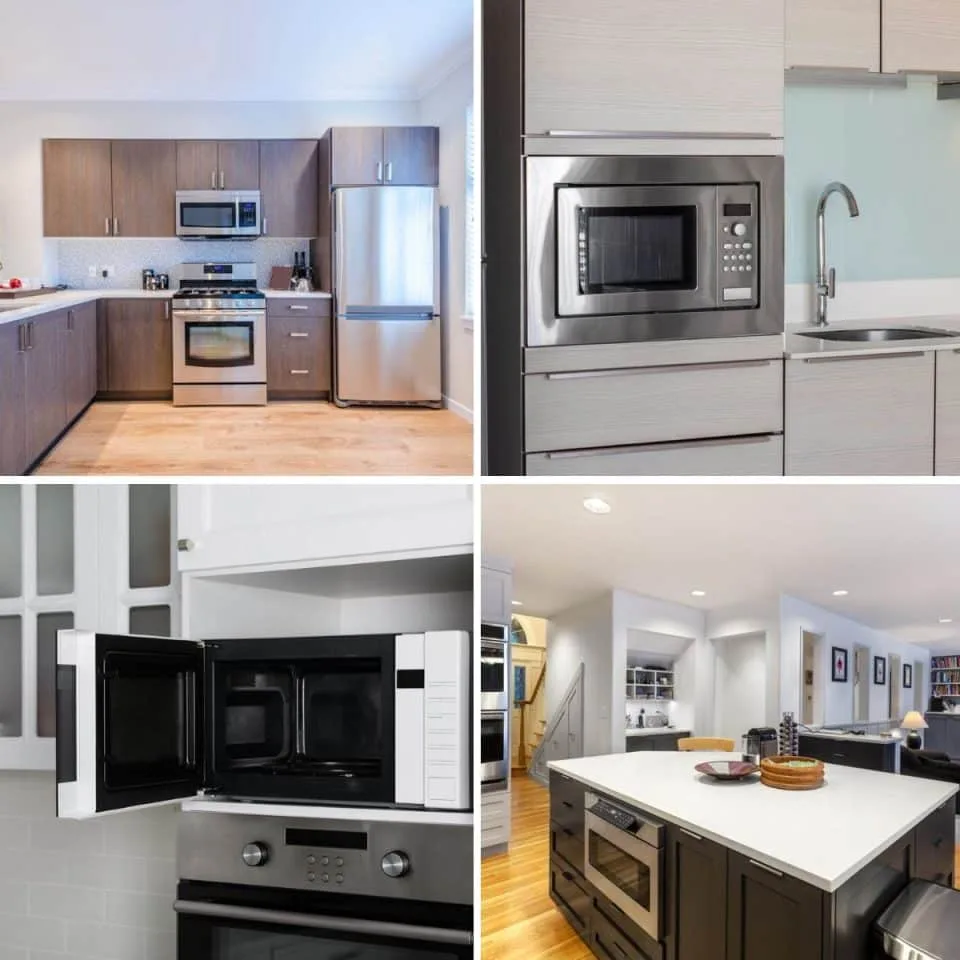
Image source: Bing (Web (fair-use with source credit))
What Kind of Microwave Do You Need?
Microwaves aren't all the same; they're designed for different kitchen setups and cooking styles. Knowing the basic types upfront will save you a lot of head-scratching later.
Countertop vs. Over-the-Range vs. Built-in vs. Drawer
The main distinction comes down to where and how the microwave integrates into your kitchen.
- Countertop Microwaves: These are the most common and flexible. You just place them on your kitchen counter. They’re usually the most affordable and offer the widest variety of sizes and features. If you have ample counter space and don't need to save it, this is often the easiest choice.
- Over-the-Range Microwaves: These mount above your stove, freeing up counter space. They often double as a vent hood for your cooktop and include a light. This is a great space-saving solution if you're remodelling or have limited counter real estate. Installation can be a bit more involved than a countertop model.
- Built-In Microwaves: These are designed to be installed within your cabinetry, often looking like a wall oven. They provide a sleek, seamless appearance for a high-end kitchen. They typically require a specific cutout size and can be more expensive due to the integrated look and installation needs.
- Drawer Microwaves: A more premium option, these slide out from beneath your counter like a drawer. They offer a very modern, minimalist aesthetic and are excellent for accessibility. They are generally the most expensive type.
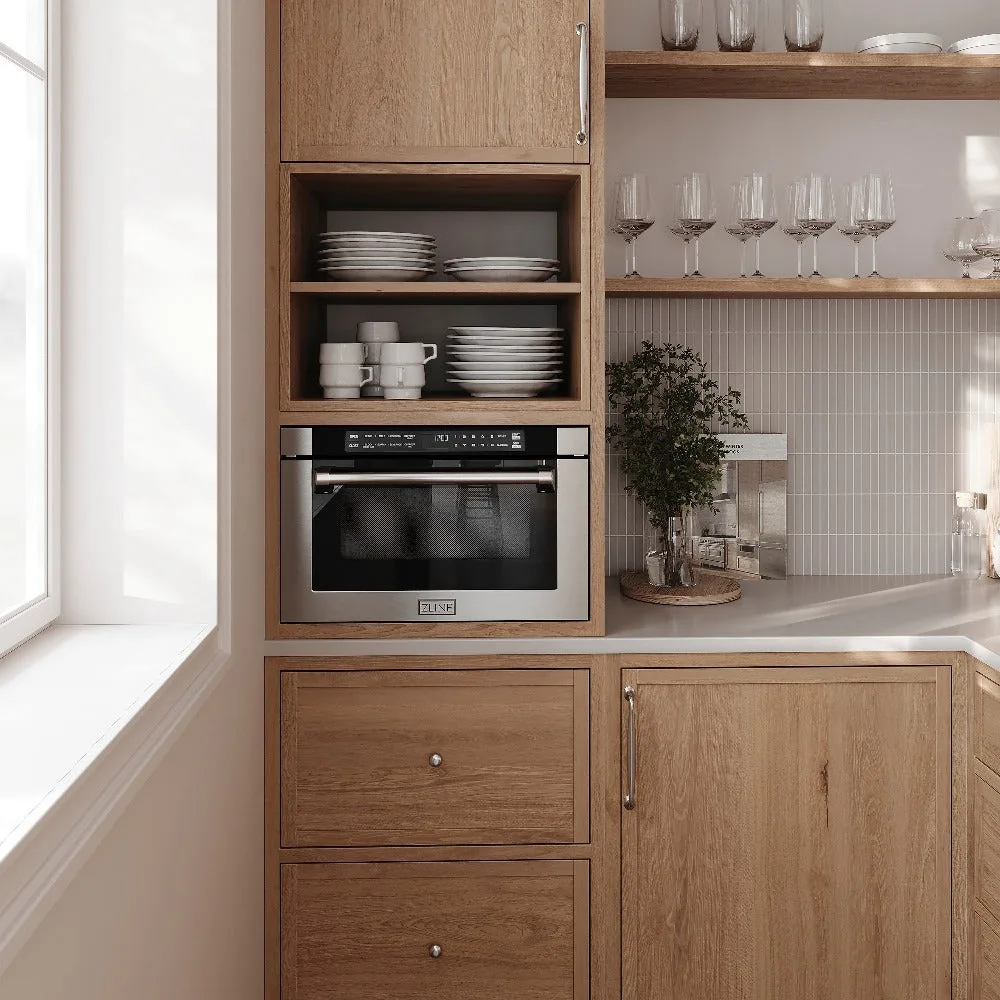
Image source: Bing (Web (fair-use with source credit))
Wattage: How Power Affects Your Cooking
Wattage is a direct indicator of a microwave's cooking power. Higher wattage means faster heating and cooking times.
Manufacturer specifications for microwaves typically list wattage from as low as 700 watts to well over 1000 watts. For most everyday tasks like reheating leftovers or defrosting, a microwave in the 900-1000 watt range provides a good balance of speed and efficiency. If you frequently cook larger meals or need food heated very quickly, a model with 1000 watts or more might be worth considering.
For basic popcorn popping or warming a mug of water, lower wattage models can suffice, though they will take longer.
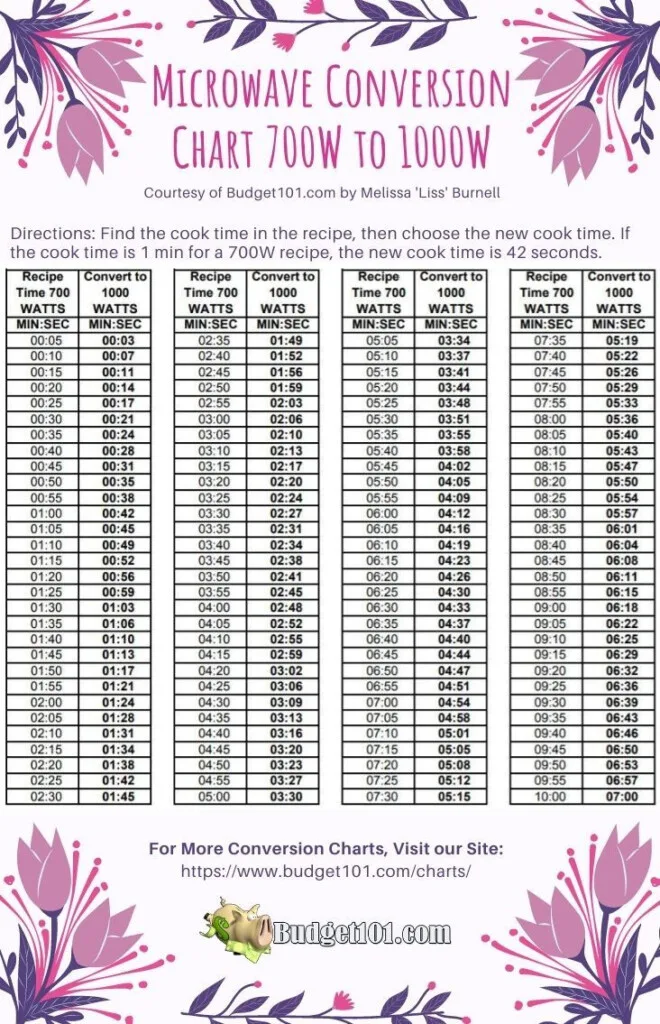
Image source: Bing (Web (fair-use with source credit))
Size Matters: Matching Capacity to Your Needs
The interior capacity of a microwave, measured in cubic feet, dictates what you can actually fit inside. This is a critical factor, especially if you plan to heat larger dishes or meal-prep.
How Much Space Do You Really Need?
- 0.5 to 0.9 cubic feet: These compact models are ideal for small kitchens or for individuals who only need to heat small items like a mug or a single plate. They can fit a standard dinner plate but might be a tight squeeze for larger casserole dishes.
- 1.0 to 1.5 cubic feet: This is the most common size range for many households. It’s generally large enough to accommodate most standard dinner plates, casserole dishes, and even some smaller baking pans, making it versatile for reheating meals or cooking small recipes.
- 1.6 cubic feet and larger: If you frequently cook for a family, need to fit multiple items, or regularly heat large platters, a larger capacity microwave will be essential. These models offer ample room for even the biggest microwave-safe dishes.
Before buying, measure your largest dinner plate or go-to casserole dish to ensure it will comfortably fit and still have room to rotate on the turntable.
Interior Features: What Makes Cleaning Easy and Cooking Better
Beyond raw power and size, the interior design and features significantly impact your user experience, especially when it comes to maintenance and cooking performance.
Coating Types and Smart Functions
- Interior Coatings: Most microwaves feature an interior coating designed for durability and ease of cleaning.
- Enamel: Often found in more budget-friendly models, enamel is a common and effective coating that wipes clean easily.
- Stainless Steel: This offers a sleek look and is quite robust, though it can sometimes be prone to smudges and requires regular wiping to maintain its shine.
- Ceramic Enamel: A more premium option, this coating is known for its scratch resistance and exceptional ease of cleaning, often repelling grease and food splatters effectively.
- Smart Functions: Many microwaves come equipped with preset cooking functions that automatically adjust time and power for specific foods like popcorn, potatoes, or beverages. More advanced models may offer sensor cooking, which detects humidity levels and adjusts cooking time accordingly, preventing overcooking.
Key Features to Compare: What to Look For in a Microwave
When you're sifting through the options, a few specific features can make a big difference in day-to-day use and overall satisfaction.
Preset Functions, Convection, and More
- Preset Buttons: These are convenient shortcuts for common items. If you eat a lot of popcorn or regularly heat up frozen meals, these can simplify operation. However, their accuracy can vary, and sometimes manual control yields better results.
- Convection Cooking: Some higher-end microwaves include a convection feature, essentially turning them into a small oven. This allows for browning, roasting, and baking, greatly expanding the microwave’s capabilities beyond simple reheating. This is a significant upgrade if you want more versatility from a single appliance.
- Turntable vs. Turntable-Free: Most microwaves use a rotating turntable to ensure even cooking. Turntable-free models use an internal antenna system to distribute microwaves. While turntables are common and effective, some prefer turntable-free designs for easier cleaning and fitting larger rectangular dishes.
- User Interface: Consider how you interact with the microwave. Some have simple dial controls, while others feature digital keypads and touch screens. Choose what feels most intuitive for you. As of 2026, many newer models also integrate with smart home ecosystems.
Common Microwave Mistakes to Avoid
Picking the wrong microwave often comes down to overlooking a few key details or making assumptions. Being aware of these common missteps can help you choose a unit that actually fits your life.
- Ignoring Interior Dimensions: You might look at the external size and think it's fine, but forget to check if your go-to casserole dish can actually spin inside. Always verify the internal dimensions against your largest items.
- Overestimating Wattage Needs: While high wattage means faster cooking, many household tasks don't require the absolute maximum power. A 900-watt unit is perfectly sufficient for most people, and opting for significantly more might not offer a noticeable benefit for your typical use.
- Forgetting Ventilation: If you're considering an over-the-range microwave, don't underestimate the importance of its built-in ventilation system. Ensure it has adequate CFM (cubic feet per minute) for your cooking habits, especially if you do a lot of high-heat cooking.
- Skimping on Cleaning Features: A microwave that's hard to clean will quickly become a frustrating appliance. Look for interior coatings that resist grease and are easy to wipe down.
Microwaves for Every Kitchen: Use Cases and Who They're For
The best microwave for you depends entirely on how you plan to use it and who will be using it. Considering these scenarios can help clarify your priorities.
- For the Busy Professional or Student: A compact countertop model with simple presets for reheating and popcorn is often ideal. Speed and ease of use are paramount here. If space is extremely limited, a small over-the-range unit could also work.
- For Families with Young Children: A mid-size countertop or over-the-range microwave (1.0-1.5 cu. ft.) is usually best. Look for models with child-lock features and straightforward controls that older kids can also operate safely. Easy-to-clean interiors are a big plus when dealing with little ones.
- For the Home Chef or Entertainer: If you use your microwave for more than just reheating, consider a convection model. These offer greater versatility for baking, roasting, or crisping food, functioning as a secondary oven. A larger capacity might also be necessary to accommodate more ambitious meal prep.
- For Small Apartment Dwellers: Counter space is often at a premium. An over-the-range model can be a lifesaver, or a smaller, high-efficiency countertop unit can fit without dominating your workspace. Some look for models that can also be built into cabinetry if they have the space.
Frequently Asked Questions About Choosing a Microwave
How long does it take to install an over-the-range microwave?
Installation typically takes between 1 to 3 hours, depending on your DIY skill level or the complexity of your kitchen's existing setup. It involves mounting the unit securely to the wall and connecting it to electrical and ventilation systems.
Can I replace my old range hood with an over-the-range microwave?
Yes, in many cases. You'll need to ensure the mounting height and electrical connections are compatible, and that the new microwave's venting matches your existing setup or can be adapted.
What's the difference between microwave wattage and cooking power?
Wattage directly measures the microwave's power output. Higher wattage means more energy is delivered to the food, resulting in faster cooking or heating times. It's the primary indicator of cooking speed.
How do I know if a microwave will fit my countertop space?
Measure the width, depth, and height of your intended microwave location. Then, compare these measurements to the microwave's external dimensions, ensuring you leave a few inches of clearance around the sides and back for ventilation.
Are built-in microwaves difficult to install?
Installation requires precise cabinetry work and electrical connections. It's often recommended to have a professional installer handle built-in microwaves to ensure proper fit, safety, and ventilation, which can add to the overall cost.