How to Remove Burnt Food From Microwave
There's nothing quite like the smell of burnt food wafting from the microwave. Whether it's forgotten popcorn or an overcooked meal, those stubborn, scorched bits can be a real headache to clean. Knowing how to remove burnt food from microwave interiors effectively is key to keeping your appliance hygienic and odor-free.
Dealing with burnt residue isn't just about aesthetics; it can affect performance and even safety. Manufacturer specifications often recommend regular cleaning to prevent buildup, which can sometimes lead to electrical issues if left unchecked. Fortunately, you don't always need harsh chemicals to get your microwave looking and smelling fresh again.
Quick Answer
To remove burnt food from a microwave, first, unplug it. For light messes, a simple steam clean with water and vinegar works wonders. For tougher, caked-on bits, a baking soda paste can lift the grime.
Wipe down all interior surfaces thoroughly. Always ensure proper ventilation after cleaning.
When Burnt Food Becomes a Microwave Nightmare
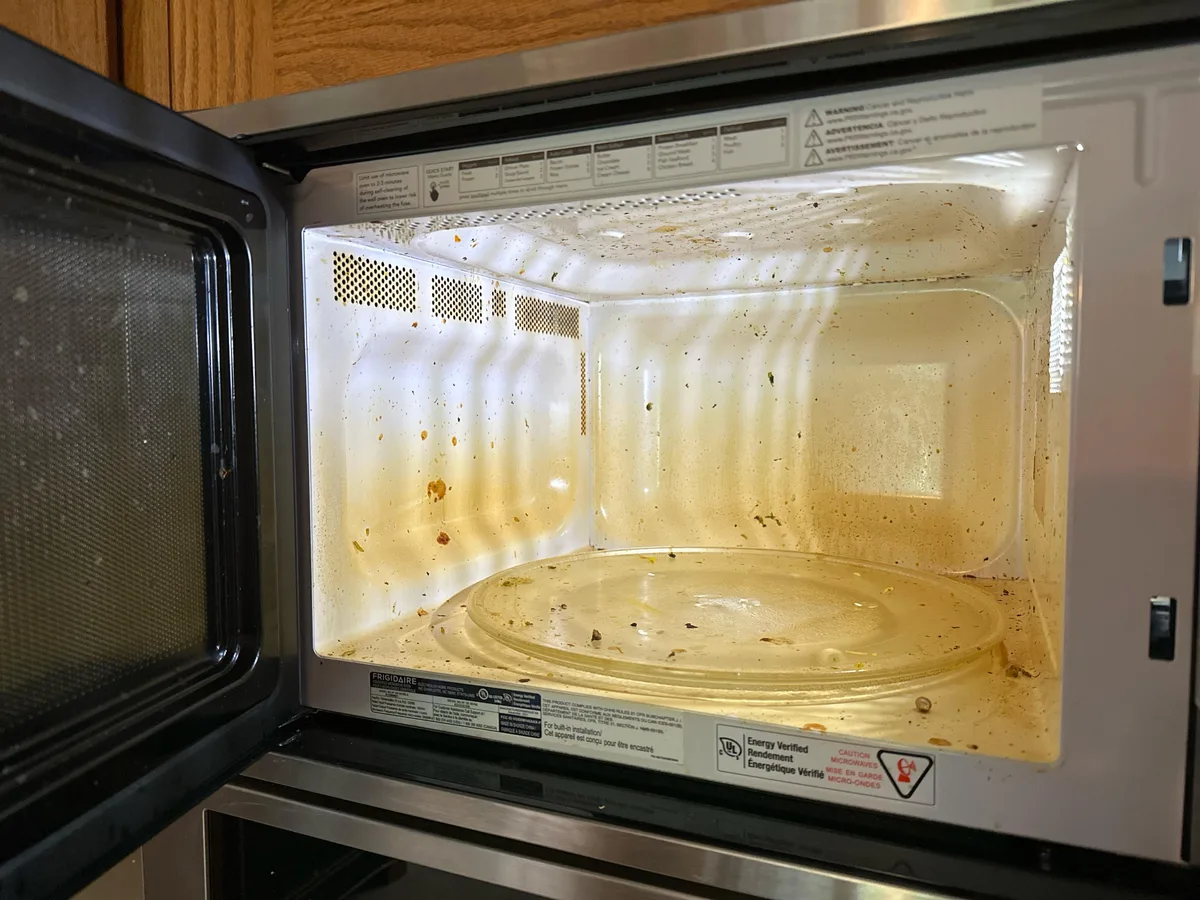
It happens to the best of us. You step away for just a minute, and suddenly, your microwave is filling with smoke and that acrid smell of burnt food. This scorched residue, often a mix of carbonized food particles and oils, can cling stubbornly to the interior surfaces, from the glass turntable to the metal walls and the plastic ceiling.
It’s not just unsightly; it’s a breeding ground for bacteria and a persistent source of unpleasant odors that can transfer to your next meal. In our research, we found that ignoring these messes can lead to permanent staining or even damage to the microwave's internal components over time.
Quick Fixes for Light Burnt-On Messes
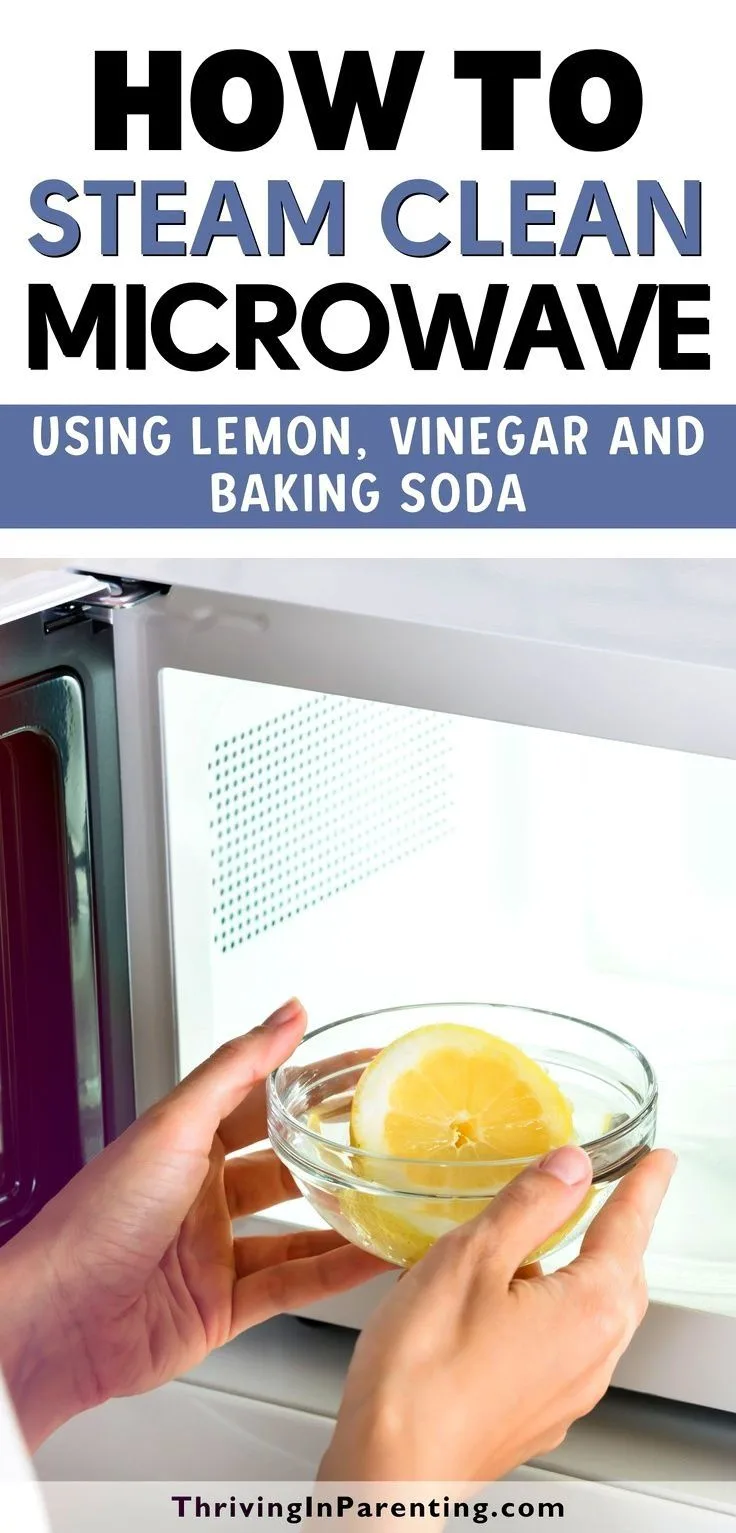
If you’ve caught the burnt food situation early and it's just a light coating or a few small splatters, you're in luck. Often, a quick steam cleaning can do the trick without much scrubbing. This method is particularly effective for recent spills before they have a chance to harden.
It helps loosen the residue, making it easier to wipe away.
- The Steam Method:
- Gather a microwave-safe bowl, about 1 cup of water, and 1 tablespoon of white vinegar.
- Pour the water and vinegar into the bowl.
- Place the bowl inside the microwave.
- Heat on high power for 2-5 minutes, or until the mixture is steaming and the window is fogged up.
- Leave the door closed for another 5-10 minutes to let the steam work its magic.
- Carefully remove the hot bowl (use oven mitts!).
- Wipe down the interior with a soft, damp cloth or sponge.
This process uses the steam to soften the burnt-on food, making it much simpler to remove with a gentle wipe. For the best results, try to tackle spills immediately after they happen.
Tackling Stubborn Burnt Residue: Your Cleaning Decision Tree
When steam alone isn't cutting it, and you’re left with truly baked-on, stubborn burnt food, it’s time to bring out the heavy hitters. The best approach depends on how severe the mess is and what kind of residue you're dealing with. We've broken down the options based on the common scenarios you might encounter, helping you decide which method to try next.
For Light Smoke and Minor Stains
If you've had a minor smoke incident or just a few spots that are a bit more tenacious than a simple wipe-down, a mild abrasive combined with moisture is your best bet. This is for situations where you can still see the original surface color underneath the burnt stain, but it won’t budge with just water.
- When to Use: After a small spill or a light smoking incident where food bits are lightly adhered.
- Your Go-To Method: A paste made from baking soda and water.
For Heavy Smoke and Caked-On Food
This is for when the interior looks like a charcoal sketch and the food bits are practically fused to the walls and ceiling. You might smell a strong, acrid odor even after the initial steaming. This requires more direct action and a bit more elbow grease.
- When to Use: After a significant burn, like forgotten popcorn or an overcooked casserole, where food is thickly caked on.
- Your Go-To Method: Applying a stronger cleaning agent directly to the residue or using a more vigorous scrubbing technique.
For Persistent Odors After Cleaning
Sometimes, even after you've physically removed the burnt food, that smoky, burnt smell lingers stubbornly. This indicates that microscopic particles or oils have been absorbed into the microwave's interior surfaces or ventilation system. You need something that actively neutralizes odors rather than just masking them.
- When to Use: When the visible burnt food is gone, but a burnt smell persists.
- Your Go-To Method: Re-steaming with odor-neutralizing agents or leaving absorbent materials inside overnight.
DIY Cleaning Solutions That Actually Work
Forget expensive, harsh chemical cleaners. For most microwave messes, you can whip up effective solutions using common household ingredients. These methods are not only budget-friendly but also safer for use around food preparation areas.
In our research, these DIY concoctions consistently perform well for tackling burnt food and lingering odors.
The Vinegar & Water Steam Trick
This is your first line of defense for most light to moderate burnt-on messes. The acidity of the vinegar helps to break down grease and grime, while the steam loosens hardened food particles.
- What You'll Need:
- Microwave-safe bowl
- 1 cup water
- 1 tablespoon white vinegar
- How to Do It: Combine water and vinegar in the bowl. Microwave on high for 2-5 minutes until steaming. Let it sit, door closed, for 5-10 minutes. Carefully remove the hot bowl and wipe down the interior with a damp cloth. This method is also great for tackling the faint smell of old food in appliances that might have absorbed cooking odors.
Baking Soda Paste Power
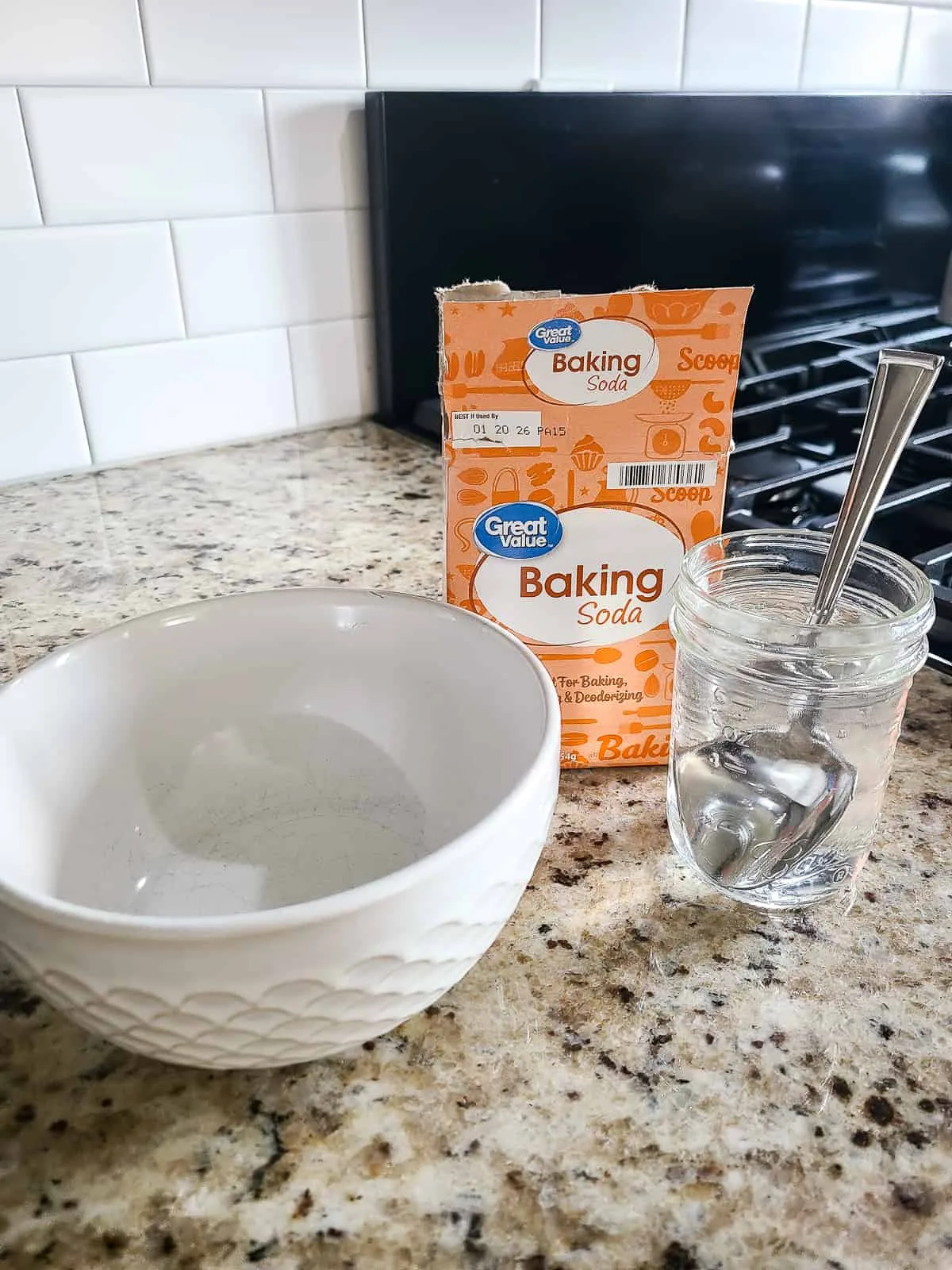
When burnt food is really caked on, a simple paste of baking soda and water can act as a gentle abrasive to scrub away the residue without scratching the microwave’s interior surfaces. Baking soda is a mild alkali that helps lift stains.
- What You'll Need:
- Baking soda
- Water
- A soft cloth or sponge
- How to Do It: Mix baking soda with just enough water to form a thick paste, similar to toothpaste consistency. Apply the paste directly to the burnt areas. Let it sit for at least 15-30 minutes, or even longer for very tough spots. Then, gently scrub with a damp cloth or sponge. Wipe away any residue with a clean, damp cloth.
Lemon's Zesty Cleaning Action
Lemon juice offers a natural, pleasant-smelling alternative to vinegar for steam cleaning and can also help with some lighter stains. The citric acid in lemons is effective at cutting through grease.
- What You'll Need:
- Microwave-safe bowl
- 1 cup water
- Half a lemon, squeezed into the water (you can toss the rind in too)
- How to Do It: Combine water and lemon juice in the bowl. Microwave on high for 2-5 minutes until steaming. Let it sit, door closed, for 5-10 minutes. Remove the bowl and wipe down the interior. This method leaves a fresh, clean scent behind.
What NOT to Do: Microwave Cleaning Mistakes
Just as important as knowing how to clean your microwave is knowing what to avoid. Using the wrong cleaning agents or tools can damage the appliance, leave behind harmful residues, or simply be ineffective. Our editorial analysis of common user issues reveals a few critical missteps to steer clear of when dealing with burnt food.
- Harsh Abrasives: Never use steel wool, abrasive scouring pads, or gritty cleaning powders on the interior surfaces. These can scratch the enamel or plastic, creating rough spots where food and bacteria can lodge more easily. They can also damage the protective coatings inside the microwave.
- Excessive Water: Don't drench the interior with water or cleaning solutions, especially around vents or control panels. Water can seep into electronic components and cause short circuits or irreparable damage. Always use a damp cloth, not a soaking wet one, for wiping.
- Strong Chemicals: Avoid using oven cleaners, bleach, ammonia, or other harsh chemicals inside your microwave unless explicitly recommended by the manufacturer. These can produce toxic fumes when heated or damage the interior materials. The U.S. Department of Energy advises against these for general appliance cleaning.
- Scraping with Metal: Resist the urge to scrape off burnt food with knives, metal spatulas, or other sharp metal objects. Like abrasive pads, these can easily scratch and damage the microwave lining.
- Ignoring Odors: If a burnt smell persists after cleaning, don't just live with it. It means something is still there, and it could affect future food. It’s crucial to address lingering odors thoroughly.
When to Call It Quits: Professional Help or Replacement
Sometimes, despite your best efforts, the burnt-on food or the lingering smoky odor just won't budge. Before you resort to excessive scrubbing that could damage your microwave, or if the smell is overpowering and persistent, it’s worth considering whether it’s time for a different approach. For instance, the U.S.
Department of Energy suggests that a clean microwave operates more efficiently, implying that persistent residue can actually impact energy use.
In rare cases, severe burns or electrical issues might arise. If you notice any sparking, strange noises, or if the microwave simply doesn't heat food properly after cleaning attempts, it’s safest to stop using it. For most common burnt food scenarios, however, professional cleaning services aren't typically offered for microwaves, making replacement the next logical step if DIY methods fail.
- Signs it's time to consider replacement:
- Persistent, strong burnt odors that no amount of cleaning or odor absorption can eliminate.
- Visible damage to interior surfaces, such as deep gouges or melted plastic.
- Electrical issues like sparking, intermittent heating, or failure to power on.
- If the burnt food incident was severe and involved flames or smoke detectors going off.
Frequently Asked Questions About Microwave Cleaning
How long should I let cleaning solutions sit?
For baking soda paste, letting it sit for at least 15-30 minutes is recommended, and for tougher spots, up to a few hours can be beneficial. For steam cleaning with vinegar or lemon, leaving the door closed for 5-10 minutes after heating allows the steam to work effectively.
Can I use dish soap to clean burnt food?
Yes, mild dish soap can be used for general wiping after steaming or for lighter, non-burnt food splatters. However, for genuinely burnt-on food, dish soap alone might not have the necessary abrasive or acidic properties to break down the carbonized residue as effectively as vinegar or baking soda. It's best used for a final wipe-down.
How can I get rid of the burnt smell if it's still there?
If a burnt smell lingers after cleaning, try leaving an open box of baking soda or a bowl of activated charcoal inside the microwave overnight with the door closed. You can also repeat the steam cleaning process, perhaps adding a few drops of vanilla extract to the water for a pleasant scent. Ensure good ventilation in your kitchen for a few days.
What if the burnt food is on the microwave door seal?
Be gentle with the door seal. Use a damp cloth with a mild cleaning solution (like water and a drop of dish soap, or water and vinegar). Avoid harsh scrubbing or abrasive materials, as these can damage the seal, leading to heat or light leakage.
Ensure the seal is completely dry afterward.
Is it safe to clean the microwave while it's plugged in?
It is never recommended to clean a microwave while it is plugged in, especially if you are using damp cloths or liquids. Always unplug the appliance from the power outlet before you begin any cleaning process to avoid the risk of electric shock.