How to Steam Vegetables in a Rice Cooker
If you’ve ever wondered how to steam vegetables in a rice cooker, the answer is simpler than you’d think. It’s not a special feature or a fancy setting. Any rice cooker can do it, even the $20 one with a single switch.
You just need to know the right water level and the right timing.
In our research across basic single-switch models, digital cookers, and official manufacturer manuals, the biggest variable is the machine itself. Many entry-level cookers still have only a cook/warm toggle and no dedicated steam button. As of 2026, that’s true of most budget models sold in North America.
But every one of them can steam vegetables well, and the right method depends on what you own.
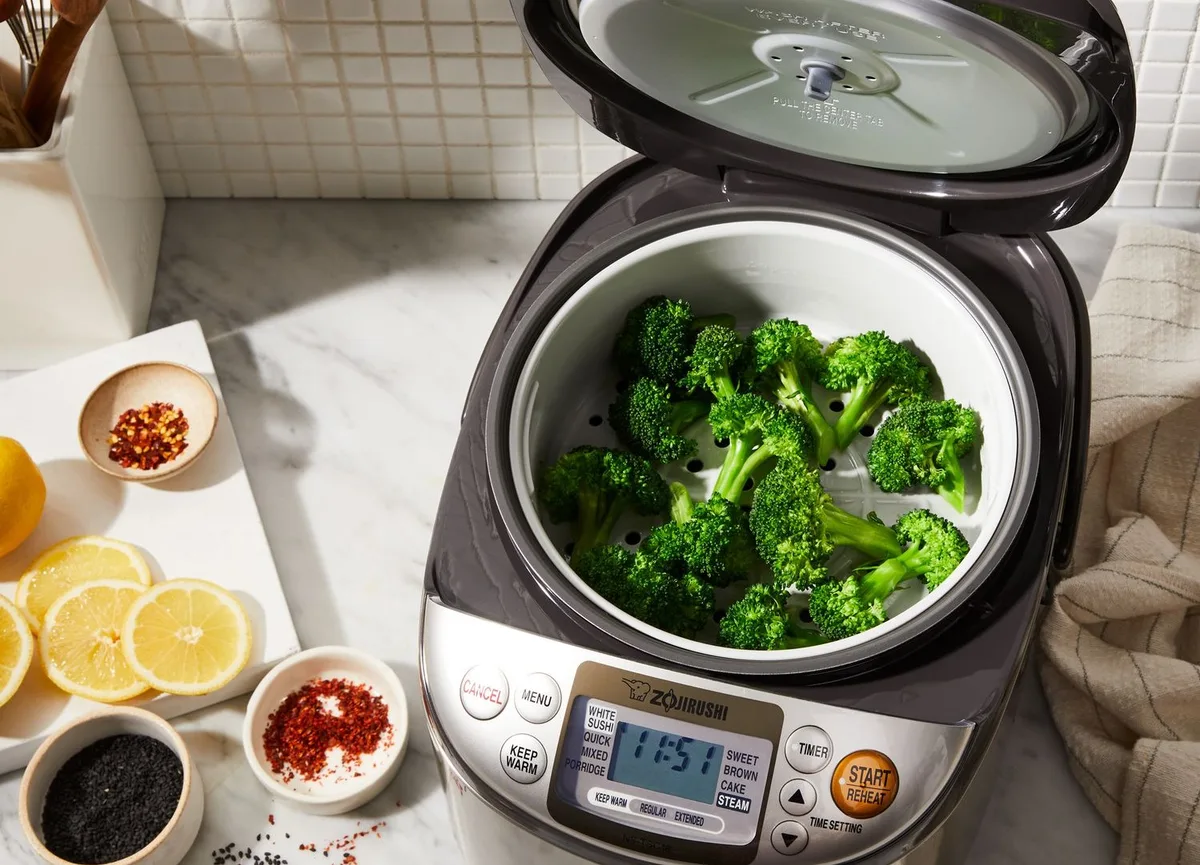
Image source: Bing (Web (fair-use with source credit))
Quick Answer: The 30-Second Summary
Add ½ to 1 cup of water to the empty rice cooker pot. Place a steamer basket above the water and add cut vegetables. Close the lid and turn the cooker on.
Steam for 3 to 7 minutes, depending on vegetable density. For cook/warm models, time it manually and flip to off when done.
How the Rice Cooker Steams (and Why the Type of Cooker Matters)
A rice cooker works like a small electric kettle attached to a pot. It boils water into steam, then that steam cooks whatever sits above the water line. That’s the whole secret.
The machine’s job is to control the heat, and the way it does that changes your method.
Basic Cook/Warm Switch Models
If your cooker has one button and a warm light, you are in full control of timing. The switch clicks over to warm when the bottom sensor gets too hot. With enough water in the pot, that won’t happen before your vegetables are done.
With too little water, it will happen fast and leave you with sad, half-cooked broccoli.
Digital Models with a Dedicated Steam Button
If your cooker has a steam program, you don’t need to think as hard. Fill the pot with water, place the basket inside, press the steam button, and the machine sets a default time. Most digital models let you adjust that time, usually anywhere from 5 to 20 minutes.
The manual often lists presets for rice, grains, and fish, but not vegetables. You can still use the same timing chart below.
When You Have a Steamer Basket vs. When You Don’t
The included basket changes everything. If you have it, use it. Vegetables stay above the standing water, and steam gets full access to every side.
If you don’t have a basket, grab a heatproof bowl instead. Set an inverted bowl in the bottom of the pot to act as a stand. Then place a second heatproof plate or dish on top of that.
Add water below, put your vegetables on the plate, and close the lid. It’s a little clunkier than a proper basket, but it works fine.
Use this rule of thumb. If your cooker has a basket, keep it simple. If it doesn’t, build a DIY platform.
If it has a steam button, let the machine handle the counting. If it’s a single-switch model, you bring the timing.
The Two-Step Process for Any Rice Cooker
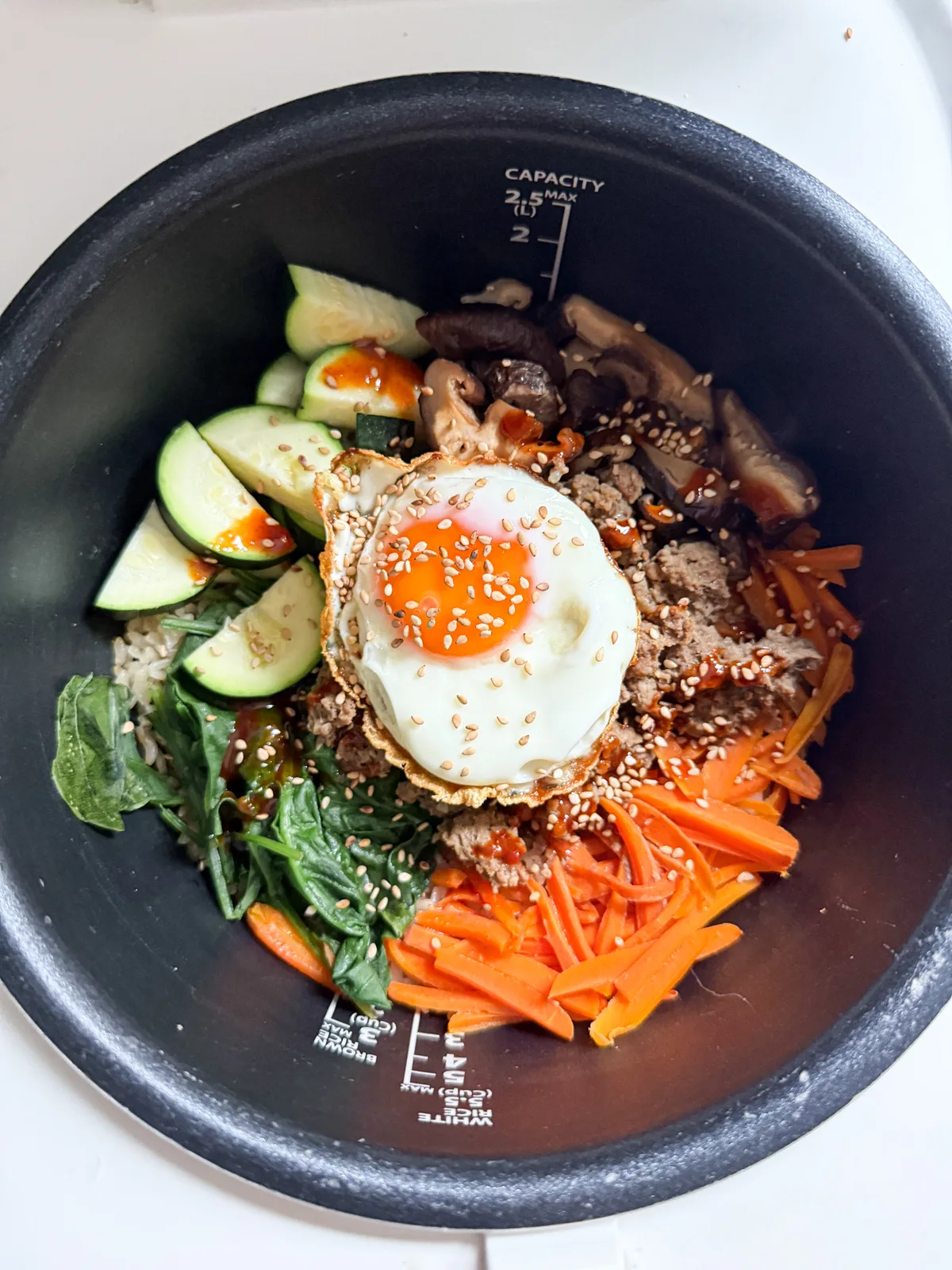
Image source: Bing (Web (fair-use with source credit))
Once you understand your cooker, the actual process comes down to two moves: prep, then time. That’s it. No stirring, no watching a pot.
Just careful vegetable prep and a timer you actually respect.
Step 1: Prep the Vegetables (Cutting and Layering Rules)
Wash everything first. Running water removes the gritty dirt and most surface bacteria. The FDA’s food safety guidance recommends rinsing produce before cutting, and that applies here too.
Then cut the vegetables into uniform pieces. Carrots and other dense veg should be smaller than soft ones, so they finish at the same time. Don’t pile the basket too high.
Overlapping pieces steam unevenly, and the ones in the middle can stay raw.
If you’re steaming more than one type, put the dense pieces at the bottom and delicate ones on top. Broccoli florets can sit above sliced carrots without issue. Leafy greens need the top layer, or a separate batch entirely.
Step 2: Time It Right (The "Flip the Switch" Trick and the Bowl Hack)
For a basic model, set a timer the moment you switch it on. For a digital model, set the steam program and let it count down. If the basic model trips to warm before the timer goes off, flip the switch straight back to cook.
That’s the flip trick.
The bowl hack is for cookers without a basket. Use an inverted heatproof bowl as a stand in the bottom. Set a second heatproof plate or bowl on top.
Add ½ to 1 cup of water to the pot, put your vegetables on the plate, close the lid, and run the cooker. Steam will still reach everything.
If you’re making rice and vegetables together, start the rice first. Add the vegetables only in the last 5 to 8 minutes of the cooking cycle. That prevents mushy veg and keeps both finished at the same time.
The rice bed also acts as a natural steamer platform. Just set a heatproof dish on top of the rice, and you’ve got a one-pot meal without a second pot.
Steaming Times for Common Vegetables (and Frozen Versions)
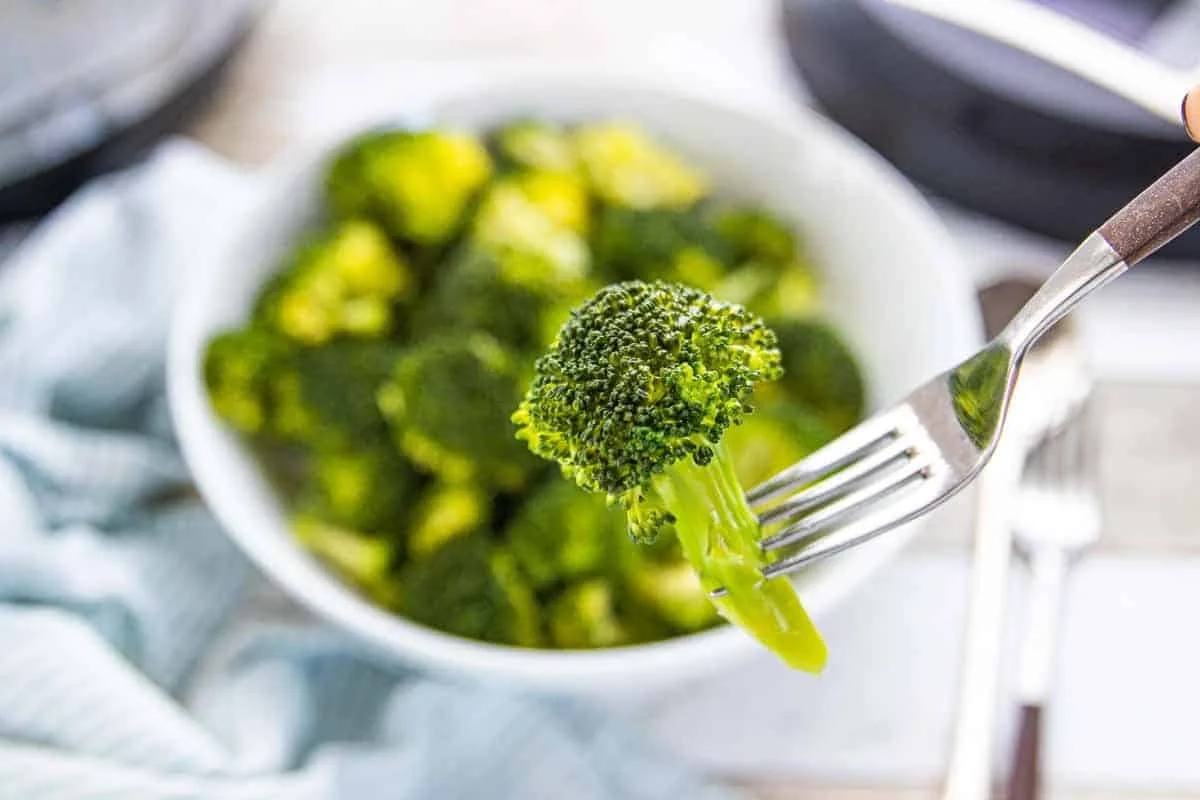
Image source: Bing (Web (fair-use with source credit))
Check your vegetable, find its row, and set your timer. These times assume average-sized pieces in a loose layer. Start the timer when the cooker turns on, not when steam appears.
Most rice cookers take a few minutes to heat the water first.
| Vegetable | Fresh Time | Frozen Time | Doneness Cue |
|---|---|---|---|
| Broccoli | 3–5 minutes | 5–6 minutes | Bright green, fork slides in |
| Carrots (sliced) | 5–7 minutes | 6–8 minutes | Fork-tender, no crunch in center |
| Cauliflower florets | 4–6 minutes | 6–8 minutes | Knife enters stem easily |
| Green beans | 4–6 minutes | 5–7 minutes | Crisp-tender, slight bend |
| Asparagus | 3–4 minutes | 4–5 minutes | Bends slightly, not floppy |
| Zucchini rounds | 3–4 minutes | 4–6 minutes | Translucent edges, soft center |
Frozen vegetables are the easiest shortcut. No cutting, no seasoning needed. Just dump them in and add two minutes to the fresh time.
The only trick is not to thaw them first. Thawed frozen veg turns to mush.
How to Judge Doneness
Skip the guesswork. Poke the thickest piece with a fork. It should slip in with a little resistance but not fall apart.
For leafy greens, look for a bright color and a tender stem. If you want crunch, pull it a minute early. If you want soft veg for soup or baby food, leave it a minute longer.
Six Mistakes That Ruin Rice Cooker Vegetables (and How to Avoid Them)
Here’s where most people go wrong, and every single one is easy to fix.
- Using too little water. The steam runs out mid-way and the pot starts to burn. Fix: use at least ½ cup of water, up to 1 full cup for longer cooks.
- Piling the basket too full. Steam needs room to circulate. Overlapping vegetables cook unevenly, with raw spots in the middle. Fix: keep pieces in one loose layer.
- Cutting everything the same size. Dense vegetables like carrots take longer than soft ones like zucchini. Fix: cut dense veg smaller, delicate veg larger.
- Lifting the lid to peek. Every lift releases steam and resets your timing. Fix: trust the timer, or use a cooker with a transparent lid.
- Ignoring the warm click. On basic models, that click means the cooker thinks it’s done. Your vegetables might not be. Fix: flip the switch back to cook and finish the timer.
- Using a non-heat-safe basket or bowl. A cheap aftermarket plastic steamer can soften or melt at 212°F. Fix: stick with the included basket, or use borosilicate or ceramic dishes.
That last one matters more than people expect. The included basket is designed for the heat. A random collapsible basket from a drawer may not be, and melted plastic in your dinner is not a risk worth taking.
Rice Cooker vs. Stovetop vs. Microwave Steaming
If you’re trying to decide which method to use for your veggies, here’s a quick comparison based on time, effort, and cleanup.
| Method | Time | Effort | Cleanup | Best For |
|---|---|---|---|---|
| Rice cooker | 5–10 minutes | Very low | One pot + basket | Batch cooking, one-pot meals |
| Stovetop | 4–8 minutes | Medium | Pot + colander | Small portions |
| Microwave | 3–5 minutes | Low | One bowl + cover | Quick side dishes |
The rice cooker wins for convenience because it needs no watching. Set the timer and walk away. The stovetop gives you more control over doneness.
The microwave is fastest if you’re making one serving.
The tradeoff is texture. A stovetop steamer keeps vegetables crisp and bright. A rice cooker can turn them softer if you lose track of the clock.
For most home cooks, the rice cooker is the hands-off winner.
Frequently Asked Questions
How much water do I need to steam vegetables in a rice cooker?
Use ½ to 1 cup of water for a standard 5-cup cooker. Less water means faster steaming but a higher risk of drying out. More water means longer steam time, which works well for dense vegetables like carrots.
Always keep water below the basket.
Can I cook rice and vegetables together in a rice cooker?
Yes, you can add vegetables on top of the rice in the last 5 to 8 minutes of cooking. Put a heatproof dish directly on the rice bed, or use the steamer basket if it fits. This makes a full one-pot meal with no extra pot.
Why does my rice cooker click to warm too early?
That happens when the bottom sensor gets too hot, which means your water has boiled off too quickly. Add more water, or cut veggies into smaller pieces. If it still clicks early, flip the switch back to cook and finish the timer manually.
Can I steam frozen vegetables straight from the bag?
Yes, you don’t need to thaw them first. Frozen veg releases extra water, so use a bit less added water. Add a few minutes to the fresh time and check for doneness with a fork.
Thawed frozen veg turns mushy, so skip that step.
Is it safe to use a plastic steamer basket in a rice cooker?
Only if the basket is designed for your cooker or rated for high heat. Check the manufacturer’s manual first. Many aftermarket plastic baskets are not heat-safe.
Look for BPA-free, heat-resistant labels, or use a ceramic and borosilicate bowl instead. Melted plastic ruins food quickly.
Final Verdict: Who This Method Is Really Best For
Steaming vegetables in a rice cooker is for anyone who values a low-effort side dish. It’s perfect for meal preppers, dorm cooks, and parents who want tender veg without watching a pot.
This method is genuinely useful if you already own a rice cooker. It’s less helpful if you want professional, crisp-tender vegetables every time. For that, a dedicated stovetop steamer is better.
If you’re regularly making rice anyway, adding vegetables on top costs almost nothing. You get a full meal with one pot, one lid, and no extra energy burning on the stove. That’s the hidden superpower of the humble rice cooker.