OBD2 Scanner Vs Code Reader: Key Differences Explained
An OBD2 scanner gives deeper vehicle data and diagnostics, while a code reader only reads and clears basic codes.
If you have ever seen a check engine light pop up and wondered what tool you actually need, you are not alone. I have worked with both tools enough to know that the difference between an OBD2 scanner and a code reader can save you time, money, and a lot of guesswork. The short version is simple, but the real choice depends on how much detail you want, how often you work on cars, and whether you just want a fast fix or a full diagnosis.

What Is an OBD2 Scanner?
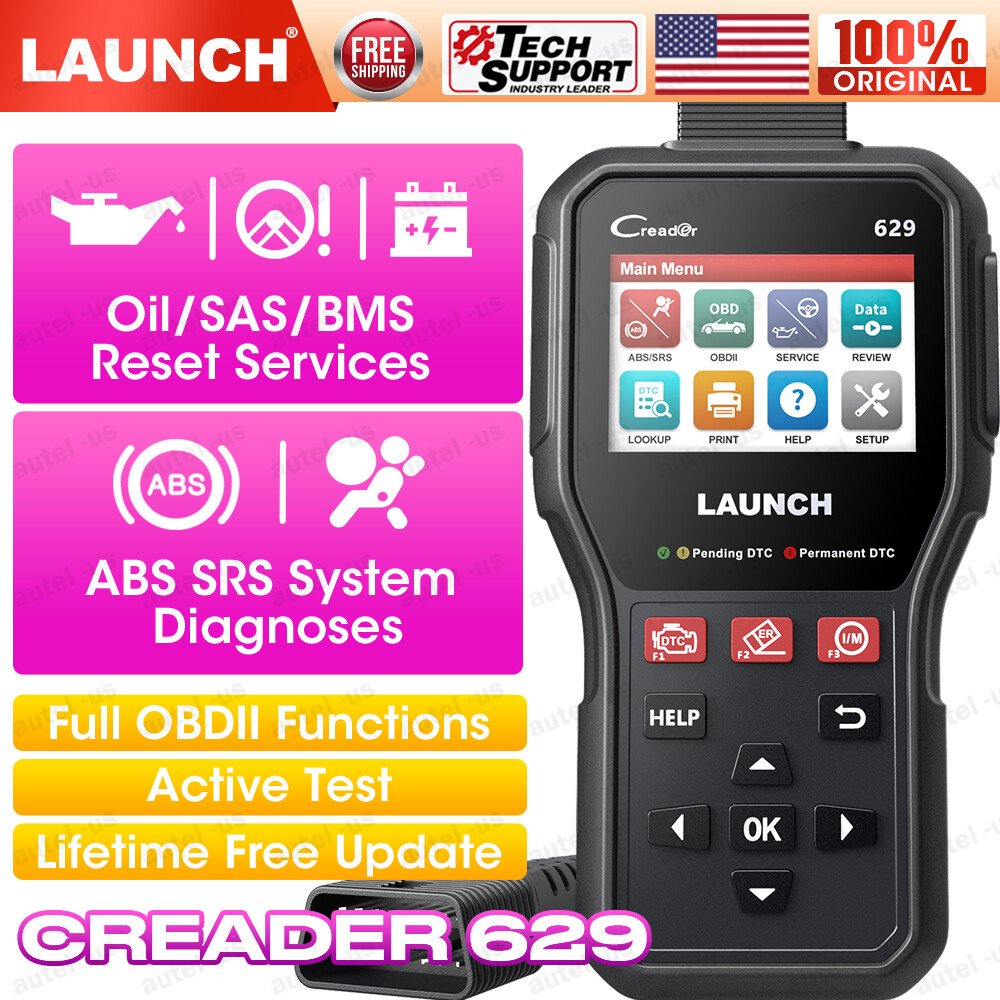
An OBD2 scanner is a diagnostic tool that connects to your vehicle’s onboard computer through the OBD2 port. It can read fault codes, clear them, and often show live data from sensors and systems in real time. Many scanners also test readiness monitors, read freeze frame data, and access manufacturer-specific codes.
Think of an OBD2 scanner like a doctor’s full exam kit. It does not just tell you that something is wrong. It helps you see how the engine, emissions system, and other components are behaving.
In my experience, this is where people start to see real value. A scanner can show whether a misfire is happening at idle, under load, or only when the engine warms up. That kind of detail can turn a wild guess into a clear plan.
What Is a Code Reader?
A code reader is a simpler tool that reads diagnostic trouble codes, or DTCs, and usually clears them. It is often used for basic check engine light issues, especially when you just want to know what triggered the warning. Most code readers do not show live sensor data or advanced test functions.
A code reader is more like a flashlight than a full toolbox. It helps you see the problem code, but it usually does not help you dig deeper into the cause. That is fine for many drivers who only need a quick answer.
I have seen a lot of people buy a code reader because it is cheap and easy. That makes sense if you only plan to check a warning light once in a while. But if you want to diagnose a tricky issue, the limits show up fast.
The Main Difference Between an OBD2 Scanner and a Code Reader
The core difference between an OBD2 scanner and a code reader is depth. A code reader tells you what code is stored. An OBD2 scanner tells you much more about how the vehicle is behaving and why the code may have appeared.
Here is the practical breakdown:
- Code reader: Reads and clears basic trouble codes
- OBD2 scanner: Reads codes, clears codes, and often shows live data, freeze frame data, readiness status, and more
- Code reader: Good for simple check engine light checks
- OBD2 scanner: Better for real diagnosis and repair decisions
- Code reader: Usually cheaper
- OBD2 scanner: Usually more expensive, but far more capable
If you only remember one thing, remember this: a code reader tells you what happened, while an OBD2 scanner helps you understand what is happening now.

How OBD2 Works in Modern Vehicles
OBD2 stands for On-Board Diagnostics, second generation. It became standard in the United States for 1996 model year vehicles and newer. The system monitors emissions-related parts and many engine functions. When it detects a problem, it stores a fault code and turns on the check engine light or another warning lamp.
The code itself is only part of the story. For example, a P0171 code may point to a lean fuel condition, but that does not tell you if the cause is a vacuum leak, a bad sensor, a fuel delivery issue, or something else. A better OBD2 scanner can help you inspect live fuel trims, oxygen sensor readings, and related data to narrow it down.
That is why technicians rely on more than just the code. The code is the clue. The live data is the evidence.
Features You Get With an OBD2 Scanner
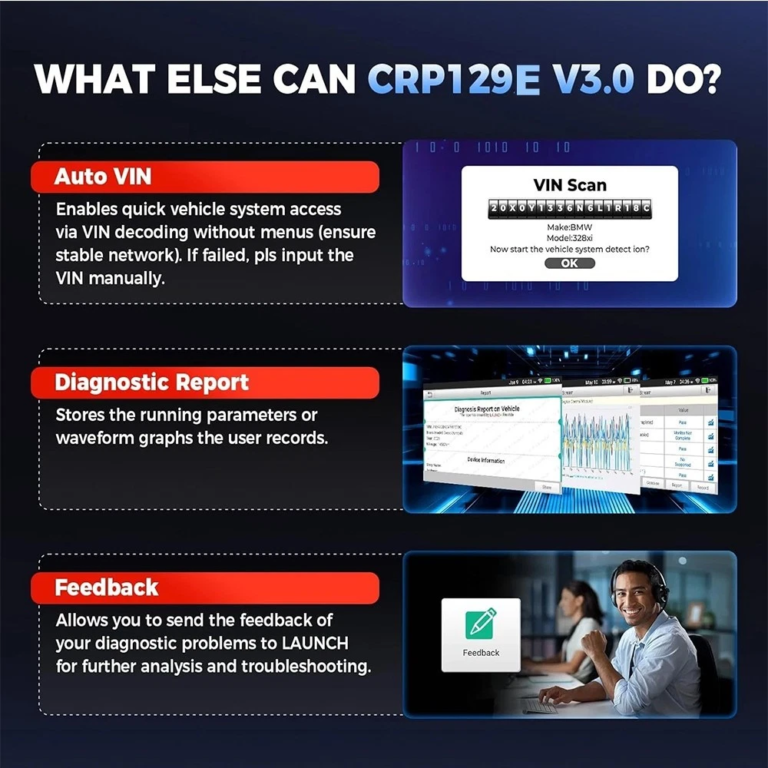
A good OBD2 scanner can do much more than just pull codes. Depending on the model, you may get:
- Live data from engine sensors
- Freeze frame data, which captures conditions when the fault occurred
- Readiness monitor status for emissions testing
- Enhanced diagnostics for certain brands
- ABS, airbag, transmission, or body system access on advanced models
- Bi-directional control on some professional tools
- Smog check support and I/M readiness checks
These features matter because modern cars are complex. A check engine light may involve fuel, air, ignition, emissions, or even software-related issues. Live data helps you see patterns instead of guessing.
From real-world use, I can say this: once you learn to read live data, you stop replacing parts too early. That alone can save a lot of money.
Features You Get With a Code Reader
A code reader keeps things simple. Most basic models give you:
- Generic trouble code reading
- Code clearing
- Check engine light reset
- Basic code definitions
- Sometimes battery voltage or limited vehicle info
That is enough for many drivers who just want to know if the gas cap, an oxygen sensor, or an ignition issue may be involved. It is also useful if you are helping a family member or checking a used car quickly.
But the simplicity is also the limit. If the code returns after clearing it, a code reader will not tell you much about the cause. You may still need a better scanner or a mechanic’s diagnosis.
When a Code Reader Is Enough
A code reader makes sense when you want a low-cost, simple tool for basic use. It is a good fit if you:
- Only need to check a check engine light once in a while
- Want to read a code before visiting a shop
- Plan to do very light DIY maintenance
- Need a compact and easy tool for emergencies
For example, if your gas cap was loose and the check engine light came on, a code reader may be enough to confirm the issue and clear the code after you fix it. If the light comes back, you know the problem is not that simple.
I usually tell casual drivers this: if your goal is “What is the code?”, a code reader may do the job. If your goal is “Why is this happening?”, you probably want a scanner.
When You Should Buy an OBD2 Scanner Instead
An OBD2 scanner is the better choice if you want to save time on diagnosis or work on cars more often. It is especially useful if you:
- Fix your own vehicles
- Want to troubleshoot intermittent problems
- Need more than just basic code reading
- Own more than one vehicle
- Want to prepare for emissions testing
- Work on newer cars with more systems and sensors
A scanner is also worth it if you have ever cleared a code only to have it come right back. That usually means the problem was not solved. A scanner helps you keep digging instead of repeating the same cycle.
In my experience, the people who benefit most from scanners are the ones who hate trial-and-error repairs. A scanner gives you evidence before you spend money on parts.
Common Mistakes People Make With Both Tools
A lot of frustration comes from misunderstanding what these tools can and cannot do. The biggest mistakes I see are:
- Clearing codes before writing them down
- Replacing parts based only on the code
- Ignoring freeze frame data
- Using a code reader and expecting full diagnostics
- Assuming every code means the same thing on every vehicle
- Forgetting that a code may be a symptom, not the root cause
For example, a misfire code does not always mean a bad spark plug. It could be a coil, injector, air leak, compression issue, or wiring fault. That is why the difference between an OBD2 scanner and a code reader matters so much.
The best habit is simple: read the code, note the conditions, then investigate the cause before you clear anything.
How to Choose the Right Tool for Your Needs
Choosing between an OBD2 scanner and a code reader comes down to your goals, budget, and skill level. Ask yourself a few simple questions:
- Do I only need basic code checks?
- Do I want live data and deeper troubleshooting?
- Will I use this tool often?
- Do I work on one car or several?
- Do I want to handle more repairs myself?
If your answer is mostly basic and occasional, a code reader is fine. If you want confidence and more control, an OBD2 scanner is the smarter long-term buy.
A good middle-ground option is a mid-range scanner. These often give live data, readiness monitors, and better code coverage without the cost of professional shop equipment. For many drivers, that is the sweet spot.
Real-Life Example: Why the Difference Matters
I once saw a vehicle come in with a lean code and rough idle. A basic code reader said only that the engine was running lean. That was not enough to tell us what was wrong, and the owner had already replaced one sensor before asking for help.
With a scanner, we checked fuel trims and live oxygen sensor data. That pointed us toward a vacuum leak instead of another sensor replacement. A few minutes of testing saved the owner from buying more parts that would not have fixed the issue.
That is the real lesson here. A code reader gives you the name of the problem. An OBD2 scanner helps you solve it.

Benefits and Limits of Each Tool
Benefits of a Code Reader
- Low cost
- Easy to use
- Great for quick checks
- Good for beginners
- Small and portable
Limits of a Code Reader
- Limited diagnostic depth
- Usually no live data
- Fewer vehicle systems supported
- Not ideal for tough or repeat problems
Benefits of an OBD2 Scanner
- Deeper diagnostics
- Live sensor readings
- Better troubleshooting support
- More useful for DIY repairs
- Helps avoid unnecessary parts replacement
Limits of an OBD2 Scanner
- Costs more
- Can be more complex to use
- Some features depend on the vehicle
- Advanced tools may require learning curve
The right tool is not always the most expensive one. It is the one that matches the kind of problems you actually face.
Frequently Asked Questions
What is the difference between an OBD2 scanner and a code reader?
A code reader mainly reads and clears basic trouble codes. An OBD2 scanner usually does that too, but it also adds live data, freeze frame data, readiness checks, and more advanced diagnostics.
Can a code reader reset the check engine light?
Yes, most code readers can clear the check engine light after reading the code. But if the underlying issue is still there, the light will likely return.
Is an OBD2 scanner worth it for a regular driver?
It can be, especially if you want better insight into recurring problems or plan to do your own repairs. If you only need to check a light once in a while, a code reader may be enough.
Do all OBD2 scanners work on all cars?
Most OBD2 scanners work on 1996 and newer cars in the United States, but support can vary for special features. Some advanced functions are brand-specific, so it helps to check compatibility first.
Can a code reader tell me exactly what part is bad?
Usually no. It can point you toward a system or fault code, but it rarely identifies the exact failed part. That is why diagnosis often needs more testing.
Which is better for emissions testing?
An OBD2 scanner is usually better because it can show readiness monitor status. That helps you know whether the vehicle is prepared for a smog or emissions inspection.
Conclusion
The difference between an OBD2 scanner and a code reader comes down to depth, detail, and diagnostic power. A code reader is great for simple code checks, while an OBD2 scanner gives you the tools to understand the problem and make smarter repair decisions. If you want to save time, avoid guesswork, and make better choices under the hood, a scanner is usually the better long-term investment.
The best move is to match the tool to your needs instead of buying the cheapest option by default. If you are serious about car care, take a little time to compare features, think about how often you will use it, and choose the tool that gives you real confidence. If this guide helped, explore more repair tips, subscribe for updates, or leave a comment with the vehicle problem you are trying to solve.