How to Prevent Food From Sticking in a Slow Cooker
If you've ever lifted the lid to find dinner welded to the ceramic insert, you know the feeling. Learning how to prevent food from sticking in a slow cooker is mostly about prep, not special equipment. A little oil, some liquid, and the right layering make all the difference.
Most fixes take less than a minute.
Manufacturer specs show slow cookers run low around 200°F (93°C) and high around 300°F (149°C). Those temperatures cause proteins and sugars to bond with the ceramic glaze when the surface dries out. As of 2026, most manuals still tell you to coat the crock first.
Doing that turns cleanup into a quick rinse.
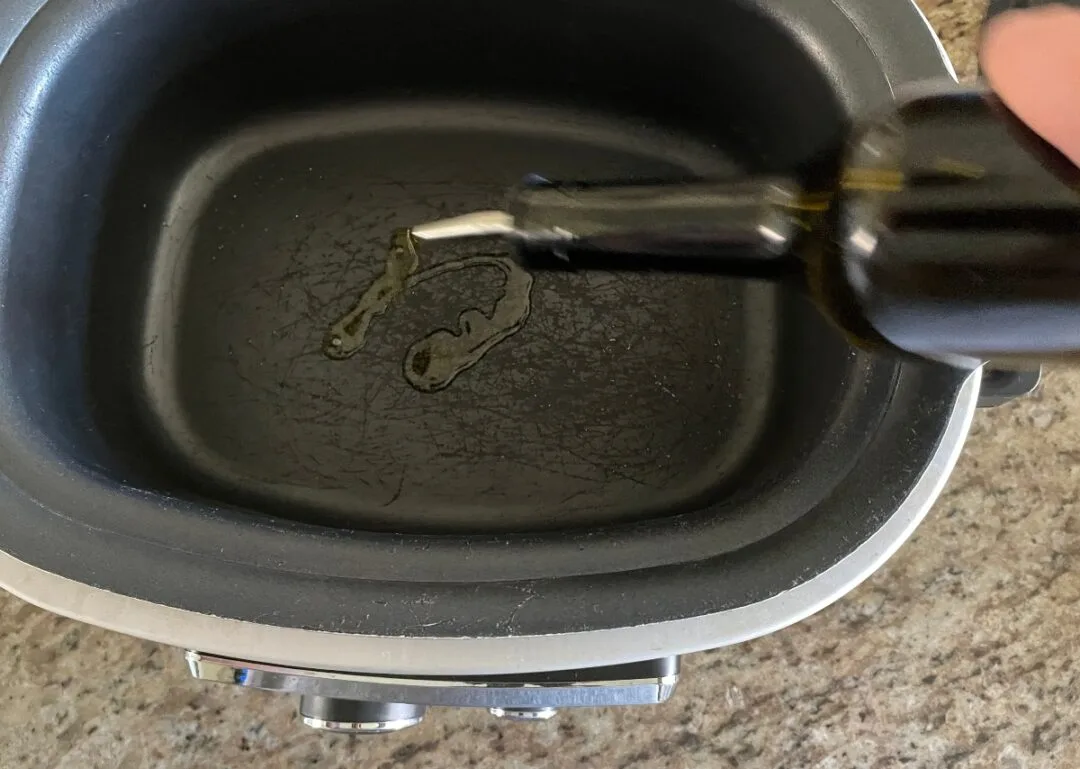
Image source: Bing (Web (fair-use with source credit))
Why Food Sticks in a Slow Cooker and What Actually Causes It
Understanding the why makes the fix obvious. Slow cookers use gentle, moist heat for hours. That heat slowly drives moisture out of food.
Once the surface dries, proteins and sugars glue themselves to the ceramic glaze.
Dry heat is usually the trigger. A slow cooker traps moisture, but if the liquid level drops too low, the exposed food scorches against the insert. Dense vegetables and lean meat are the worst offenders.
Chicken breast, potatoes, and sweet potatoes all stick easily.
Your cooking style matters too. Lifting the lid to stir lets steam escape and drives surface drying. Each time you peek, you add more time and more sticking.
Filling the crock past the two-thirds mark also creates inconsistent heat.
The USDA slow cooker guidance agrees: keep the unit covered and use enough liquid. That combination keeps the surface moist and gives food less chance to bond with the ceramic. It also keeps your dinner safe during long cooks.
The Quick Answer: Simple Fixes That Work Right Now
Prevent food from sticking in a slow cooker by coating the insert first. Use cooking spray or a thin layer of oil. Add at least half a cup of liquid for most recipes.
Sear roasts and chicken before adding them. Try a slow cooker liner for hassle-free cleanup.
Which No-Stick Method Should You Use? A Decision Guide
Pick your method based on the ingredient and the cook time. If the recipe is tomato-heavy, like chili or barbecue sauce, use a liner or a generous coat of oil. High-acid foods combine with sugars to form stubborn residue on the glaze.
If you're cooking on low for six hours or less, a light oil coating handles most foods. If you're cooking on high or going past eight hours, reach for a liner. If you're using a large 8-quart insert for a crowd, oil plus parchment gives you the most protection.
| Condition | Use this | Why it works |
|---|---|---|
| High sugar or tomato-heavy recipe | Slow cooker liner | It shields the crock from sticky sugars. |
| Long roast over 8 hours | Sear, deglaze, then oil | A seared crust creates a barrier and liquid prevents drying. |
| Lots of starchy vegetables | Parchment or onion layer | It keeps starch from bonding to the bottom. |
| Lean protein like chicken breast | Broth or stock | Steam keeps the surface moist. |
| Fast cleanup on a weeknight | Cooking spray | It is quick, even, and reliable. |
Step-by-Step: How to Prep Your Slow Cooker So Food Never Sticks
Pre-Cook Steps
Start with a clean, dry ceramic insert. Water residue makes food grip the surface and encourages sticking. Then coat the bottom and sides with oil or spray.
The glaze is not non-stick, so this layer is your protection.
Searing meat is worth the extra pan. Brown the roast on each side, then deglaze the pan with broth or wine. Pour that liquid into the slow cooker.
It adds flavor and keeps the bottom from going dry.
Layer dense vegetables at the base before adding meat. Potatoes, carrots, and onions act as a natural rack. They shield the crock from direct contact with lean proteins.
If you prefer weighing ingredients to keep portions consistent, use a reliable digital scale.
During-Cook Steps
Use the heat setting your recipe calls for. A common rule is at least half a cup of liquid, and closer to one cup for longer cooks. The liquid creates steam, and that steam is what keeps food from fusing to the ceramic.
Keep the lid on. Every time you lift it, the temperature drops and moisture escapes. That drop directly encourages sticking.
If you need to check, do it quickly and close the lid right away.
After-Cook Steps
Deglaze the insert while it's still warm. Stir in a little broth, wine, or hot water to lift the browned bits. Those bits are flavor, not failure, and they come up with gentle stirring.
Let the crock soak with warm soapy water for 15 minutes if residue remains. Avoid cold water on a warm insert. Thermal shock can crack the glaze.
A soft sponge protects the surface for the next batch.
The Main No-Stick Methods Compared: Oil, Spray, Liners, and Parchment
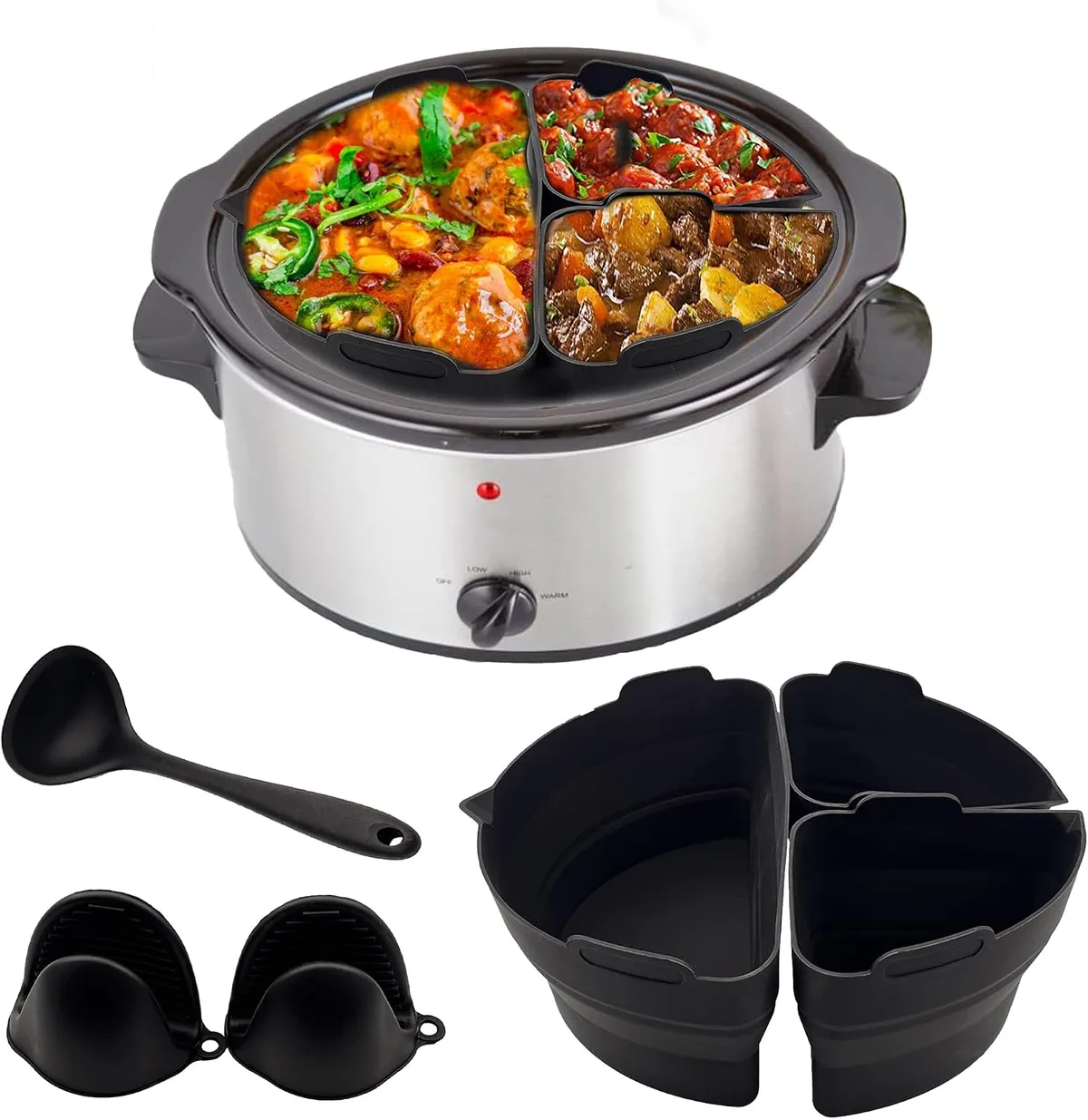
Image source: Bing (Web (fair-use with source credit))
Cooking oil gives you control. Apply a thin film with a paper towel, including the sides. It works with almost any recipe and adds no wait time.
The trade-off is that too much oil can pool and create a greasy bottom layer.
Cooking spray is faster but thinner. It is ideal for eggs, oatmeal, and other delicate foods. Just keep the crock dry when you spray, and avoid spraying over an open flame.
Some sprays leave a sticky residue if they burn onto the glaze over years.
Slow cooker liners are the most foolproof. You drop one in, add food, and lift the whole liner out after cooking. They are heat-rated and widely available.
As of 2026, most major brands offer liners designed for long, slow cooks.
Parchment paper is a solid backup. Cut a round to fit the bottom, or use a sheet under a roast. It stands up to slow cooking temperatures and protects the ceramic from caramelized sugars.
It won't give you the same all-over coverage as a liner.
| Method | Effort | Best for | Watch out for |
|---|---|---|---|
| Cooking oil | Low | Roasts, braised meats, most recipes | Pooling if you overdo it |
| Cooking spray | Very low | Eggs, oats, quick weeknight meals | Residue after years of use |
| Slow cooker liner | Minimal | Saucy or sweet dishes, easy cleanup | Adds plastic waste, costs per use |
| Parchment paper | Medium | Starchy vegetables, sticky bottoms | Not a full insert cover |
Common Mistakes That Cause Slow Cooker Sticking (and How to Avoid Them)
Image source: Bing (Web (fair-use with source credit))
Even with the right prep, one or two slip-ups can undo everything. The most common mistake is adding cold ingredients to a preheated insert. That sudden temperature change makes proteins bind harder to the ceramic surface.
Using too little liquid is another frequent culprit. Many recipes call for a cup or less, which works on low heat. On high heat, that same amount evaporates quickly and leaves food exposed.
- Cold ingredients: Let meat and vegetables sit out for 15 to 20 minutes before cooking.
- Skipping the sear: Browning creates a crust that protects the meat surface.
- Lifting the lid too often: Each peek releases steam and extends cook time.
- Overfilling past two-thirds: Crowded food traps moisture unevenly.
- Adding dairy too early: Milk and cream scorch against the crock wall.
Tomato paste and barbecue sauce deserve extra attention. Their sugars caramelize and bond to the glaze when cooked too long. If your recipe includes them, stir them into the liquid rather than smearing them on the bottom.
A common question is whether to stir during cooking. The short answer is usually no. Each stir resets the temperature and increases the chance of food settling and sticking.
FAQs: Sticking, Scorching, and Slow Cooker Cleanup
Can I use parchment paper in a slow cooker?
Yes, parchment paper is safe. Cut a round to fit the bottom or line the walls with a single sheet. It handles slow cooker temperatures without breaking down.
Just keep it below the rim and avoid covering the entire surface so heat circulates evenly.
Is it safe to put a cold crock into a hot base?
No, that risks thermal shock. A cold ceramic insert placed into a heated base can crack or craze. Always add food to the insert first, then set it into the base, or let the insert warm up with the base gradually.
How much liquid do I actually need to prevent sticking?
Most recipes work with half a cup to one cup of liquid. Long cooks on low need closer to a cup. Stews and soups with broth, tomatoes, or stock keep surfaces moist naturally.
If the liquid cooks off, add a splash of hot water rather than cold.
Why does my chicken stick even when I add broth?
Lean protein like chicken breast releases little fat and tends to dry out. Searing it beforehand creates a crust that resists sticking. Also check that the liquid covers the bottom rather than sitting on top of the meat.
Chicken should sit above the liquid on a bed of vegetables.
Should I stir my slow cooker while it's cooking?
No, lifting the lid to stir releases heat and steam. That prolongs cook time and encourages sticking. The slow cooker works best as a sealed environment.
If a recipe needs stirring, do it quickly and replace the lid immediately.