What Vehicles Are Compatible With An Obd2 Scanner: Full Guide
Most gasoline vehicles from 1996 onward, plus many newer diesel, hybrid, and electric models, are OBD2 compatible.
If you have ever wondered what vehicles are compatible with an OBD2 scanner, you are not alone. I have spent years around repair bays and driveway diagnostics, and this is one of the first questions people ask before buying a scanner. The short answer is simple, but the details matter, because compatibility depends on the vehicle year, market, fuel type, and even the type of connector used.
What OBD2 compatibility actually means
OBD2 stands for On-Board Diagnostics, second generation. It is the standardized system that lets a scanner read fault codes, live data, emissions info, and other basic vehicle health signals. When a vehicle is OBD2 compatible, it usually means the car has the standard 16-pin diagnostic port and speaks a common diagnostic language.
From a practical point of view, OBD2 compatibility helps you check engine lights, inspect emissions issues, and spot problems before they get worse. In my experience, this is where many drivers save the most money. Instead of guessing, they can plug in a scanner and get a starting point fast.

What vehicles are compatible with an OBD2 scanner?
Most vehicles sold in the United States and Canada with gasoline engines from model year 1996 and newer are OBD2 compatible. That includes most cars, SUVs, light trucks, and minivans.
In many other regions, OBD2 compatibility arrived later. Europe generally required it for gasoline vehicles around 2001 and diesel vehicles around 2004 or 2005, depending on the country and standards used. Some markets adopted similar systems at different times, so the exact cutoff can vary.
Here is the simplest rule I use when helping someone check a vehicle:
- 1996 and newer gasoline vehicles in the U.S. are usually compatible
- 1996 and newer light-duty trucks in the U.S. are usually compatible
- Many 2001 and newer gasoline vehicles outside the U.S. are compatible
- Many diesel vehicles are compatible if they were built after regional OBD2 rules took effect
- Many hybrids and electric vehicles also support OBD2 or a similar diagnostic standard, but scan depth can vary
The key word is usually. A vehicle can have an OBD2 port and still limit what a basic scanner can read. That is normal.
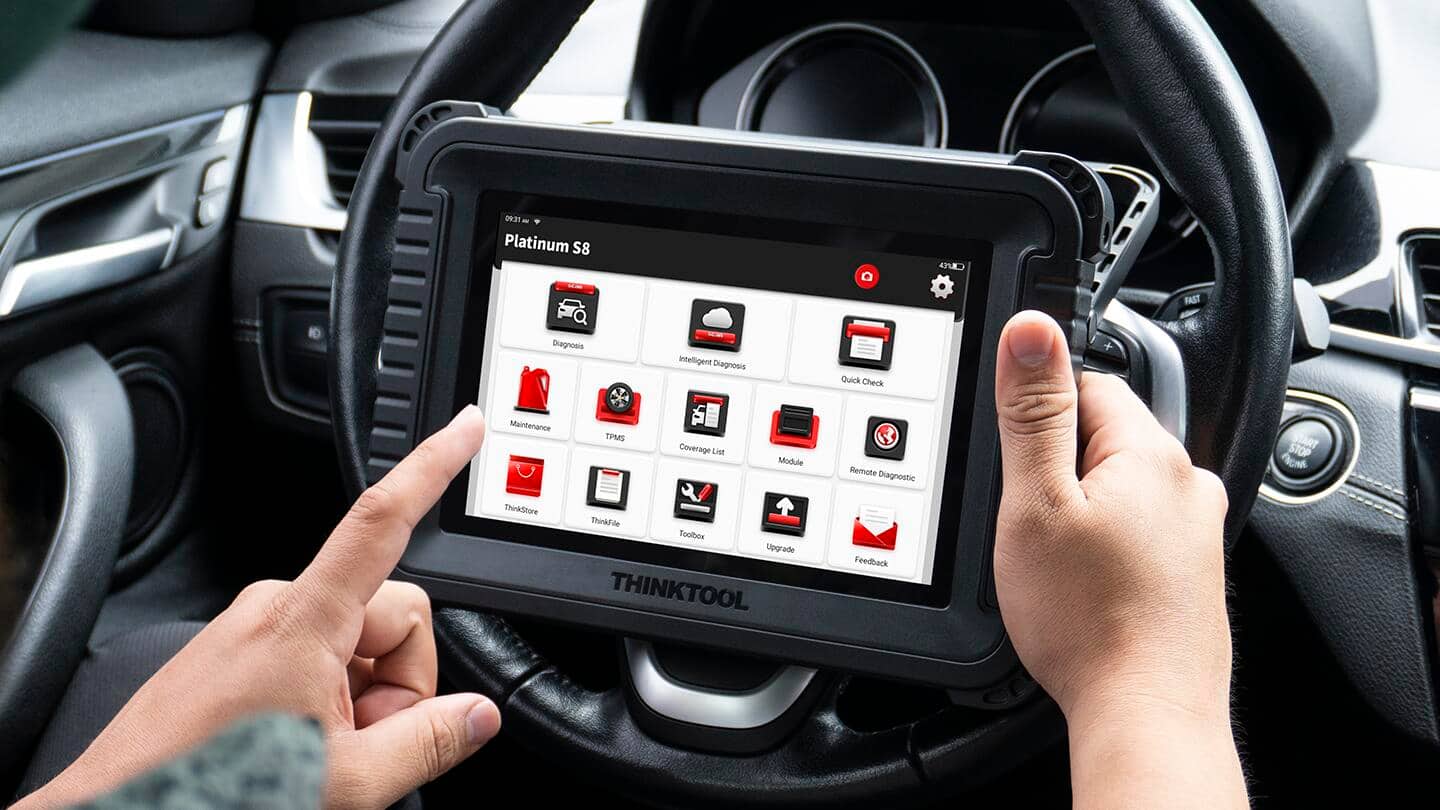
Vehicle types that commonly support OBD2
Passenger cars
Most modern sedans, hatchbacks, coupes, and wagons are OBD2 compatible. If the car was sold in the U.S. from 1996 onward, odds are very high that it will work with a scanner.
I have seen many older owners assume a small car would need special tools. Usually, it does not. If it has the standard 16-pin port and a check engine light, it is likely OBD2 ready.
SUVs and crossover vehicles
SUVs and crossovers are among the most common OBD2-compatible vehicles on the road. Most family SUVs from 1996 and newer in the U.S. can be scanned for engine and emissions codes with a standard tool.
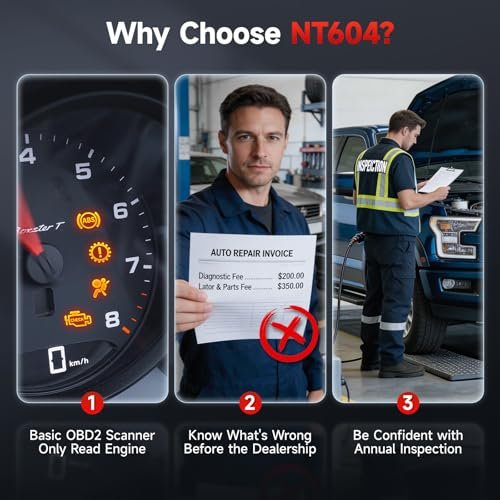
That said, some higher-end scans for features like ABS, airbag, or transmission data may need a more advanced scanner. A basic OBD2 tool still works for engine-related diagnostics in most cases.
Pickup trucks
Light-duty pickup trucks are often fully OBD2 compatible, especially models made from 1996 onward in the U.S. This includes many popular full-size and midsize trucks.
One thing I learned early on is that truck owners often need more than just code reading. They may want live data, fuel trims, or readiness monitors, so buying a scanner with extra features can be a smart move.
Minivans and MPVs
Minivans are usually straightforward OBD2 vehicles. Most 1996 and newer models in North America use the standard system.
These vehicles often respond well to a scanner when you are chasing issues like misfires, oxygen sensor faults, or evap leaks. That makes them a good match for home diagnostics.
Hybrids and electric vehicles
Many hybrids and some EVs support OBD2, but the experience can be different from a traditional gas vehicle. A scanner may still read generic powertrain codes and basic data, but deeper battery or high-voltage system information may need manufacturer-specific tools.
This is where expectations matter. I have seen people buy a basic scanner for a hybrid and expect it to reveal every battery detail. That is not always realistic, because OBD2 is mainly designed around emissions and core engine diagnostics.
Year rules by region
The model year is one of the biggest factors in OBD2 compatibility. The U.S. was one of the earliest major markets to standardize OBD2 for light vehicles.
Common general rules include:
- United States: Most 1996 and newer gasoline cars and light trucks
- Canada: Similar to the U.S. for most light vehicles
- European Union: Many gasoline cars from around 2001 and diesels from around 2004 to 2005
- Australia and other regions: Cutoff years vary, so checking local regulations is important
If you are unsure, the safest move is to check the owner’s manual, service label, or emissions sticker. Those often tell you whether the car supports OBD2 or a related standard.

How to tell if a vehicle is OBD2 compatible
You do not need to be a mechanic to check. I always recommend starting with the basics.
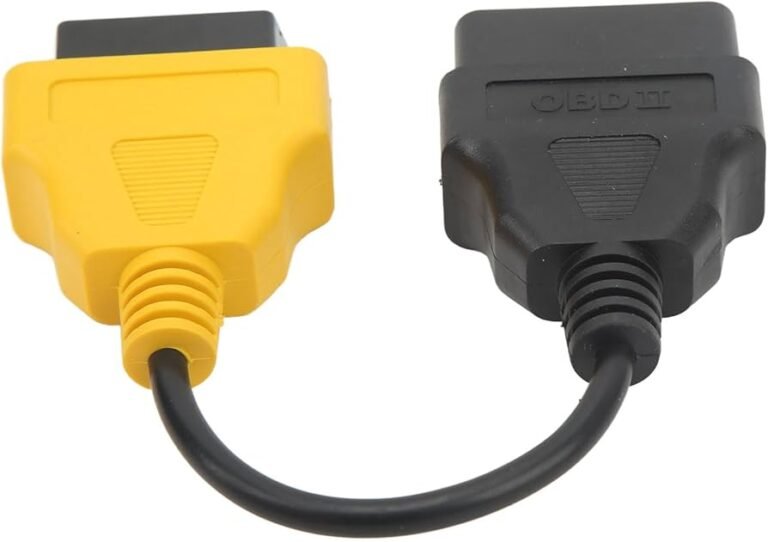
- Look for a 16-pin diagnostic connector under the dash, usually near the steering column
- Check the model year and where the vehicle was sold
- Look for a check engine light, since OBD2 was built around emissions and powertrain monitoring
- Review the owner’s manual or emissions label if you still have it
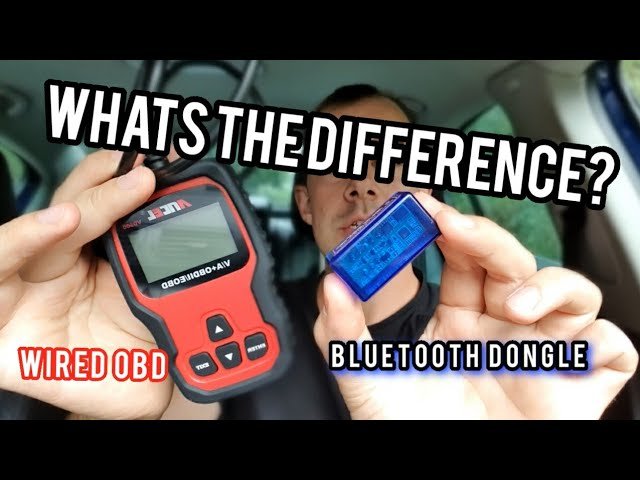
- Use the scanner to see if it powers up and communicates with the car
A common mistake is assuming that any 16-pin port means full compatibility. That port shape is a strong clue, but the vehicle still has to support the OBD2 protocol correctly. Port shape and true compatibility are related, but they are not the same thing.
What an OBD2 scanner can and cannot read
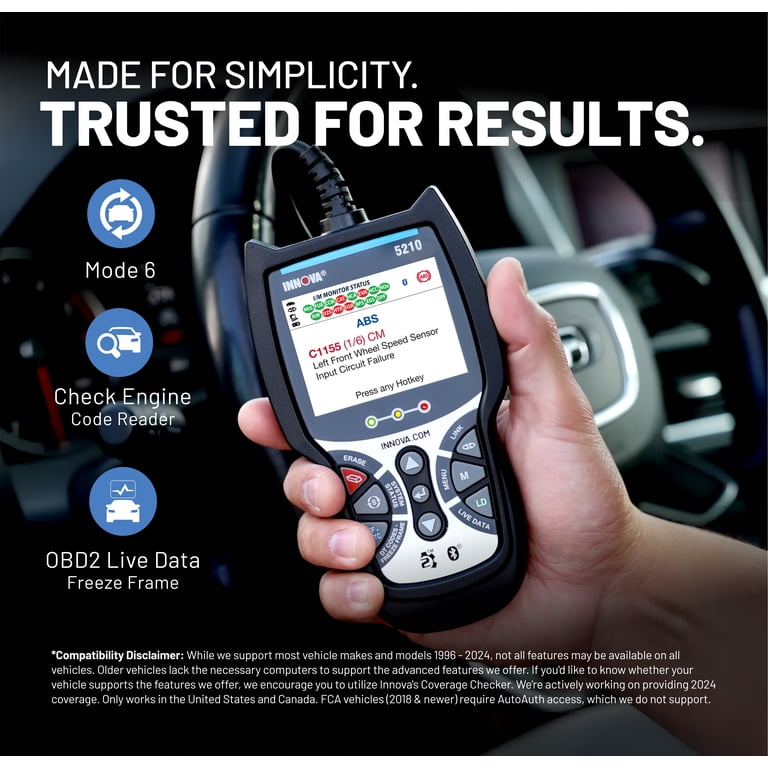
An OBD2 scanner is best at reading engine and emissions-related data. It usually gives you:
- Check engine light codes
- Live sensor data
- Freeze frame data
- Readiness monitors
- Basic emissions status
It may not give you full access to:
- Airbag systems
- ABS systems
- Body control modules
- Key programming
- Manufacturer-specific features on every vehicle
This is where many buyers get disappointed. A simple scanner is a useful flashlight, not a full surgery kit. It can show you the problem area, but not always every hidden detail.
Common reasons a compatible vehicle may still not scan properly
Even when a vehicle should be OBD2 compatible, scan problems can still happen. Based on real-world use, these are the most common causes:
- A blown fuse for the diagnostic port or ECU
- A damaged OBD2 connector
- A weak vehicle battery
- A scanner that does not support the vehicle protocol
- A car that is OBD2 compatible but uses manufacturer-specific data for some functions
- Aftermarket wiring or previous repairs that disturbed the diagnostic system
I have seen drivers replace scanners when the real issue was a simple fuse. That is why it pays to check the basics before blaming the tool.
Best ways to choose the right scanner for your vehicle
If you are trying to match a scanner to your car, focus on your needs first.
- For basic check engine light use, a simple code reader is enough
- For live data and emissions testing, choose a mid-level OBD2 scanner
- For ABS, airbag, or transmission access, get an advanced or professional scanner
- For hybrids or EVs, verify support for battery and manufacturer systems
- For European or Asian imports, confirm protocol support before buying
A good scanner should fit the car, but it should also fit your repair goals. That is the part people often miss.
Practical examples from the shop and driveway
One of the most common cases I ran into was a 2008 sedan with a loose gas cap. The check engine light came on, and the scanner showed an evap code. That saved the owner a trip to the shop because the fix was simple.
Another time, a 2019 SUV had a generic OBD2 code, but the driver wanted ABS details too. A basic scanner could not help much there, so we had to switch to a more advanced tool. That experience is a good reminder that OBD2 compatibility is real, but scanner depth still matters.
I also learned to avoid one big mistake: assuming all vehicles made after 1996 behave the same. They do not. The standard is common, but the amount of data available can differ by brand, model, and system.
Frequently Asked Questions of What vehicles are compatible with an OBD2 scanner?
Is every car made after 1996 OBD2 compatible?
Not every car worldwide, but most gasoline vehicles sold in the U.S. from 1996 onward are OBD2 compatible. Other regions followed different timelines, so the year cutoff can change by country.
Can I use an OBD2 scanner on a diesel vehicle?
Yes, many diesel vehicles are compatible, but the year cutoff depends on the region and emissions rules. Some older diesel models may not fully support OBD2, while newer ones often do.
Will an OBD2 scanner work on my hybrid?
Usually yes, at least for basic codes and live data. However, hybrid-specific systems like the battery pack or inverter may require a more advanced scanner.
Do electric vehicles use OBD2?
Many electric vehicles have an OBD2-style port or support diagnostic access, but the data available can be different from gasoline cars. A basic scanner may read some information, but not always the full EV system.
Why does my scanner say “no communication”?
That can happen even on a compatible vehicle if the fuse is blown, the battery is weak, or the port is damaged. It can also mean the scanner does not support that vehicle’s protocol or system level.
Can an OBD2 scanner read ABS and airbag codes?
Some scanners can, but not all. Standard OBD2 scanners mainly focus on engine and emissions data, while ABS and airbag access often require a more advanced tool.

Conclusion
When you ask what vehicles are compatible with an OBD2 scanner, the best short answer is this: most 1996-and-newer gasoline vehicles in the U.S., plus many newer trucks, SUVs, diesels, hybrids, and EVs in other markets. The exact match depends on the vehicle year, region, and the scanner’s features.
If you are buying a scanner, do not stop at the connector shape. Check the model year, fuel type, and the systems you want to read. A little research now can save time, money, and frustration later.
Take a minute to confirm your vehicle’s compatibility before you buy or plug in a scanner. If you want to make smarter repair choices, keep learning about your vehicle’s diagnostic system and choose tools that fit your real needs.