Can An Obd2 Scanner Diagnose ABS Problems
Yes, an OBD2 scanner can diagnose some ABS problems, but not all of them.
If you have ever seen an ABS warning light and wondered whether a regular OBD2 scanner can help, you are not alone. I have seen this question come up a lot in real-world troubleshooting, and the answer depends on the scanner type, the vehicle, and the fault itself. In this guide, I will break down what an OBD2 scanner can read, where it falls short, and how to use it the smart way when ABS issues show up.
What an OBD2 scanner can do for ABS problems
An OBD2 scanner is great for engine and emissions codes, but ABS is a different system. A basic scanner usually reads powertrain codes, which are tied to the engine and transmission. That means it may not see ABS faults at all, even if the warning light is on.
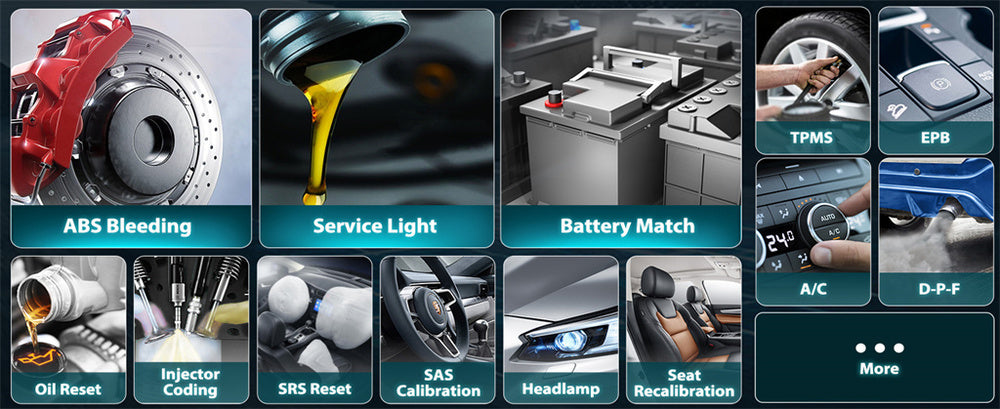
A more advanced OBD2 scanner with enhanced capabilities can often read ABS codes, live wheel speed data, and freeze frame information. That makes it much more useful for brake system diagnosis. Still, even a good scanner may only tell part of the story, so you often need more testing to find the real cause.
From hands-on experience, the best results come when the scanner is used like a flashlight, not a magic wand. It points you in the right direction, but you still need to inspect sensors, wiring, tone rings, and brake parts.
How ABS systems work and why they trigger warning lights
ABS stands for Anti-lock Braking System. Its job is simple: keep the wheels from locking up during hard braking so you can steer better and stay in control. It does this by watching wheel speed sensors and adjusting brake pressure when needed.
When the ABS module sees a problem, it stores a fault code and turns on the ABS light. Common triggers include:
- A bad wheel speed sensor
- Damaged sensor wiring
- Rust or debris on the tone ring
- Low brake fluid in some vehicles
- A failing ABS module
- Electrical issues like weak voltage or blown fuses
In my experience, many ABS lights are caused by small faults that look bigger than they are. A dirty sensor or broken wire can act like a major failure, which is why a scan tool is so helpful at the start.

Can a basic OBD2 scanner diagnose ABS problems?
A basic OBD2 scanner can sometimes help, but it often cannot fully diagnose ABS problems. Most low-cost code readers only access generic engine codes, not ABS-specific codes. So if your ABS light is on, that basic tool may show nothing at all.
Here is what a basic scanner may do:
- Read engine light codes if the problem affects emissions or powertrain systems
- Clear some general codes
- Show limited freeze frame data
- Confirm whether the issue is in another system, not ABS
Here is what it usually cannot do:
- Read ABS fault codes
- Show individual wheel speed sensor data
- Access ABS module live data
- Run ABS-specific tests
If you want to diagnose ABS problems with confidence, you usually need a scanner that specifically says it supports ABS, not just OBD2. That small detail matters a lot.
What an advanced scanner can tell you about ABS faults
A better scan tool can do much more than read a trouble code. It can pull ABS codes, show live data, and help you compare wheel speeds while driving or spinning the wheels safely. That makes diagnosis far faster.
Useful ABS scanner features include:
- ABS code reading
- ABS code clearing
- Live wheel speed data
- Brake switch data
- Steering angle sensor readings on some models
- ABS pump or actuator tests on higher-end tools
- Bi-directional control on some professional scanners
A real example from the shop side: if one wheel speed sensor drops out only at low speeds, the scanner may show that wheel reading as zero or unstable while the others stay normal. That kind of clue can save hours of guesswork.
Common ABS problems an OBD2 scanner may help find
An OBD2 scanner with ABS support can often point to the following issues:
- Faulty wheel speed sensor
- Broken sensor connector
- Corroded wiring harness
- Bad ABS control module
- Pump motor circuit issue
- Incorrect wheel speed signal
- Low system voltage
- Communication error between modules
Some faults are direct, and some are indirect. For example, a weak battery can trigger strange ABS behavior because modern brake systems depend on stable voltage. That is why I always check power and grounds before blaming the module.
Limitations of using an OBD2 scanner for ABS diagnosis
Even a good scanner has limits. It can tell you what the module sees, but it cannot always tell you why the fault happened. That is the difference between a clue and a full answer.
Main limits include:
- It may read the code, but not the root cause
- It cannot always detect intermittent wiring problems
- It does not replace visual inspection
- Some scanners do not support all makes and models
- Some ABS faults require manufacturer-specific tools
This is where many DIY repairs go off track. People clear the code, the light goes off, and they think the problem is fixed. Then the ABS light comes right back because the real issue was still there.
How to diagnose ABS problems step by step
If your ABS light is on, a scan tool is a good starting point. Use the process below to avoid wasted time and parts.
-
Check the vehicle symptoms
Look for the ABS light, traction control light, brake warning light, or unusual braking behavior. -
Scan for ABS codes
Use a scanner that supports ABS. Write down every code before clearing anything. -
Check live wheel speed data
Compare all four wheels while the vehicle is moving. A wheel that reads differently may point to a bad sensor or wiring issue. -
Inspect the wheel speed sensor and wiring
Look for damaged wires, loose connectors, rust, and debris. -
Check the tone ring or encoder ring
A cracked or dirty ring can confuse the sensor and create false readings. -
Test power, ground, and voltage
Electrical issues can mimic sensor problems. -
Clear the codes and road test
If the fault returns, you know the issue is still active.
This approach has saved me from replacing good parts more than once. The scanner is only one tool, but it is often the one that tells you where to look first.
When you need more than a scanner
Sometimes the scanner gives a code, but the fix still needs real-world testing. That is normal. ABS systems involve electronics, hydraulics, and mechanical parts, so one tool cannot solve everything.
You may need additional tools if:
- The code points to intermittent failure
- The ABS module is not communicating
- Wheel speed data looks normal, but the light stays on
- You suspect a wiring short or open circuit
- The vehicle needs ABS module programming or calibration
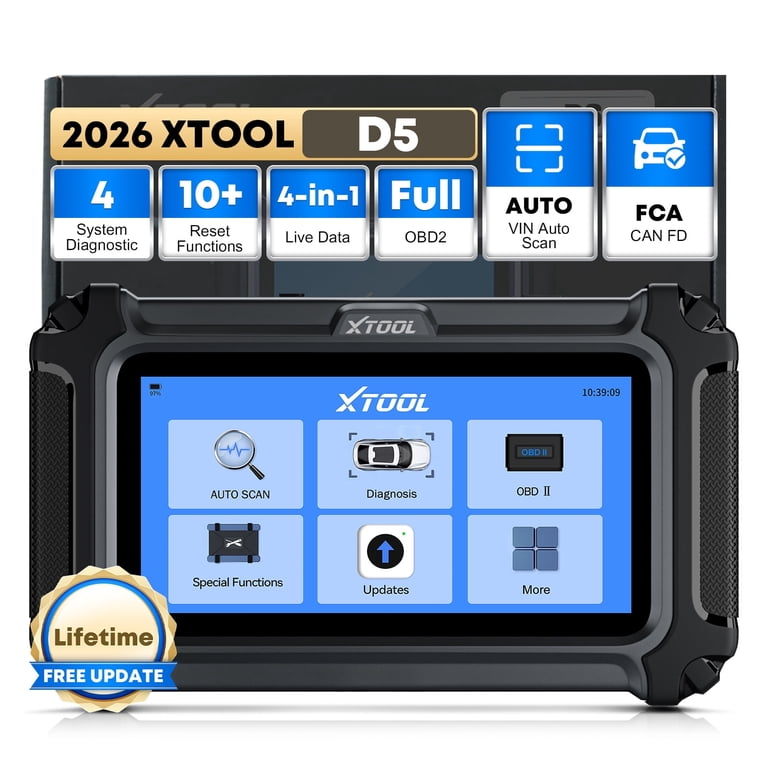
In those cases, a multimeter, wiring diagram, or professional-grade diagnostic tool becomes important. For some vehicles, especially newer ones, dealer-level software may be needed for full system access.
Should you buy a scanner that supports ABS?
If you plan to work on your own car, yes, it is worth it. A scanner with ABS support is much more useful than a basic code reader, especially if your vehicle is older and the warning light problems are common. It can save time, money, and frustration.
Look for these features:
- ABS code support
- Live data for wheel speed sensors
- Coverage for your vehicle make and model
- Clear explanations of trouble codes
- Freeze frame data
- Battery voltage display
- Bi-directional controls if possible
If you only want to check an engine light once in a while, a basic reader is fine. But if ABS issues matter to you, spending a little more usually pays off.
Practical tips from real diagnostic work
Over the years, one thing has stayed true: good diagnosis starts with simple checks. A scanner is powerful, but it works best when you combine it with inspection and logic.
A few tips that help:
- Do not clear codes before writing them down
- Check for damaged wiring near the wheel hubs
- Inspect sensors after brake work or suspension work
- Watch for wheel speed dropouts during a test drive
- Do not assume the most expensive part is bad first
One mistake I see often is replacing a wheel speed sensor without checking the connector. A corroded plug can cause the same code as a failed sensor, and the fix is much cheaper if you catch it early.
Frequently Asked Questions
Can a regular OBD2 scanner read ABS codes?
Usually, no. Most regular OBD2 scanners only read engine and emissions codes, while ABS codes need a scanner with ABS support.
Why is my ABS light on if the car still drives fine?
The car may still drive normally, but the ABS system may not be working. That means you could lose anti-lock braking protection during a hard stop.
Can I clear an ABS code with an OBD2 scanner?
Yes, if the scanner supports ABS functions. But if the fault is still present, the light will likely come back after driving.
Is it safe to drive with the ABS light on?
In many cases, the car is still drivable, but the ABS system may be disabled. It is best to diagnose the issue soon, especially in wet or icy conditions.
What is the most common ABS fault?
A faulty wheel speed sensor is one of the most common causes. Damaged wiring, rust, and connector problems are also very common.
Conclusion
An OBD2 scanner can diagnose ABS problems, but only if it has the right ABS support and you use it the right way. A basic code reader may miss the issue completely, while a better scanner can reveal helpful clues like ABS codes and live wheel speed data.
The smartest approach is to treat the scan tool as the first step, not the last one. Combine the scan results with visual checks, wiring inspection, and simple testing, and you will solve far more ABS problems with less guesswork. If your ABS light is on now, start with the code scan, then follow the clues carefully and take action before a small issue becomes a bigger repair.