How to Clean Toaster Oven Heating Elements
Crumbs and burnt-on residue on your toaster oven heating elements can be a real nuisance. Not only do they look messy, but they can also lead to smoky smells and uneven cooking. Learning how to clean toaster oven heating elements effectively is key to keeping your appliance running smoothly and your food tasting great.
In our research, we found that most toaster ovens have upper and lower rod-style heating elements. These components are crucial for performance, but they require gentle care. As of 2026, manufacturer specifications consistently recommend specific cleaning methods to avoid damage.
Quick Answer
To clean toaster oven heating elements, unplug the oven and let it cool completely. Gently brush away loose crumbs. For stuck-on residue, use a barely damp microfiber cloth, wiping very gently.
Always ensure elements are dry before plugging the oven back in. Avoid harsh chemicals and scrubbing.
Why Cleaning Toaster Oven Heating Elements Matters
Keeping your toaster oven's heating elements clean isn't just about aesthetics; it directly impacts how well your appliance performs and how long it lasts. When food particles bake onto these glowing rods, they can create hotspots or blockages for the heat. This means your toast might come out unevenly browned, or your frozen pizza could end up with a pale center and burnt edges.
Beyond cooking quality, burnt-on debris is a prime culprit for those unpleasant smoky odors that can waft through your kitchen. These particles char and release fumes every time the elements heat up, making even simple toasting an aromatic ordeal. Aggregate reviews from users often point to this as a major frustration.
Keeping them clean ensures a better kitchen environment and a more pleasant cooking experience overall.
Benefits of Clean Heating Elements
- Consistent Cooking: Clean elements radiate heat evenly, leading to more predictable and satisfactory results for all your baked, toasted, or broiled foods.
- Odor Prevention: Eliminating burnt residue significantly reduces smoke and bad smells, keeping your kitchen smelling fresh.
- Extended Appliance Life: Regular, gentle cleaning can prevent permanent damage to the elements and the oven's internal components, potentially extending its lifespan.
- Improved Efficiency: When elements aren't obstructed, they can heat up and cook food more efficiently, saving you time and energy.
What You Need for the Job
Before you start cleaning, gathering the right supplies ensures you can tackle the task safely and effectively. You want to use materials that are gentle enough not to damage the delicate heating elements but effective enough to remove grime. Using the wrong tools can lead to scratches, dents, or even break the elements themselves, which is usually not a repairable issue.

Manufacturer specifications for most small kitchen appliances emphasize using non-abrasive materials. This is especially true for components like heating elements that are sensitive to physical force and chemical reactions. Having everything ready makes the cleaning process much smoother.
Essential Cleaning Tools
- Microfiber Cloths: These are excellent because they are soft, absorbent, and don't leave lint behind. You'll want at least two: one for cleaning and one for drying.
- Soft Brush: An old, clean toothbrush, a pastry brush, or a specialized cleaning brush with soft bristles works well for dislodging loose debris without scratching.
- Water: Clean tap water is your primary cleaning agent.
- Mild Dish Soap (Optional): A tiny amount can be used for tougher spots, but it must be thoroughly rinsed away.
- Dry Cloth: For a final buff and to ensure the elements are completely dry.
The Gentle Way to Clean Toaster Oven Heating Elements
The key to cleaning toaster oven heating elements is to be gentle. These elements are often made of nichrome wire, which expands and contracts with heat and can be brittle. Harsh scrubbing or abrasive materials can easily damage them, leading to poor performance or complete failure.
Always remember that safety comes first, and that means ensuring the appliance is completely powered down.
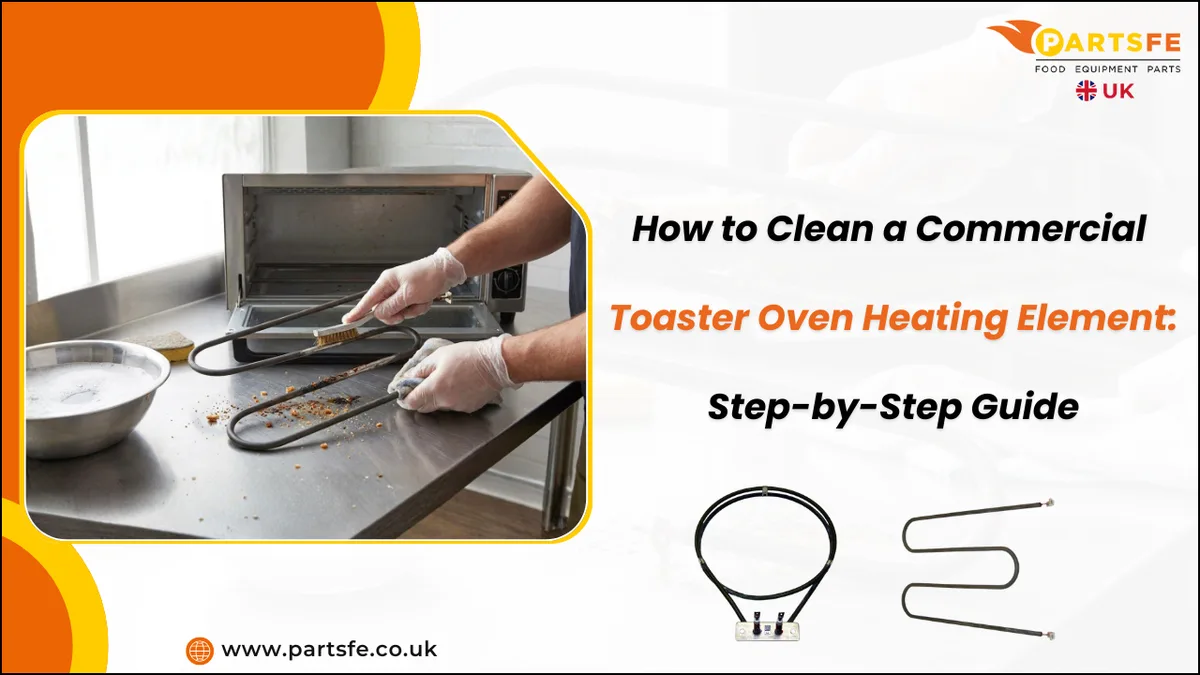
Follow these steps carefully to get your heating elements clean without causing any harm. Per recommendations found on many appliance manufacturer sites, this methodical approach is usually sufficient for everyday grime.
Step 1: Safety First – Unplug and Cool
Before you do anything else, ensure your toaster oven is unplugged from the electrical outlet. This is a non-negotiable safety step to prevent electric shock. Secondly, the oven must be completely cool.
Heating elements retain heat long after the oven is turned off, and attempting to clean them while warm can cause burns or damage the element if it's exposed to moisture too quickly. Wait at least 30 minutes to an hour after the oven has been used before starting the cleaning process.
Step 2: Clear Out the Crumbs
Most toaster ovens have a removable crumb tray located at the bottom of the unit. Slide this tray out carefully. You'll likely find a significant amount of crumbs, burnt food particles, and other debris collected here.
Take the tray to your sink, empty the contents into the trash, and wash it thoroughly with warm, soapy water. Dry it completely before putting it back. This step alone can significantly reduce the amount of loose debris that might otherwise fall onto the heating elements.
Step 3: Brush Away Loose Debris
With the crumb tray removed and the oven cool, visually inspect the heating elements. You'll often see loose crumbs or small food particles clinging to them. Use your soft brush to gently sweep these particles away from the elements.
Aim to brush them towards the sides or the bottom of the oven cavity where they can be easily wiped up later.

This action should be light and sweeping, not vigorous scrubbing. For example, when performing routine upkeep on small kitchen appliances, a light brushing is typically all that’s needed for dry, loose bits.
Step 4: Tackling Stuck-On Grime (Carefully)
If you notice small bits of food or residue that are stuck directly to the heating elements, this is where you need to be most cautious. Do not use any abrasive cleaners, scouring pads, or harsh chemicals, as these can irreparably damage the nichrome wire. Instead, take a clean microfiber cloth and dampen just a corner of it with plain water.
You want it to be barely damp, not wet.
Gently dab or lightly wipe the specific spot of residue on the heating element. The goal is to soften and lift the grime without applying excessive pressure. If a spot is particularly stubborn, you can add a tiny drop of mild dish soap to the damp cloth.
After gently wiping the residue with the soapy cloth, immediately use a separate, clean, damp cloth (water only) to wipe the area again, ensuring all soap is removed. If you’re unsure about using soap, remember that many manufacturer guidelines for cleaning food processors or blenders also advise against direct soap contact on sensitive components.
Step 5: Wipe Down the Oven Interior
While you're focused on the heating elements, it's a good time to give the rest of your toaster oven interior a quick clean. Use your damp microfiber cloth to wipe down the interior walls, ceiling, and the inside of the door. If there's greasy buildup on the walls, you can use a bit more water on the cloth, or a very small amount of mild dish soap, but be extra careful not to get excess moisture near the heating elements or electrical connections.
Afterward, go over the interior with a clean, damp cloth to remove any soap residue.
Common Mistakes When Cleaning Heating Elements
Making a mistake when cleaning your toaster oven's heating elements can quickly turn a simple chore into an appliance-damaging problem. Many users, in an effort to get things sparkling clean, overlook the delicate nature of these components. Our research indicates that improper cleaning methods are a leading cause of premature heating element failure.
It’s vital to understand what not to do to protect your appliance.
For instance, using a cleaner meant for oven interiors is a common error. These cleaners are often caustic and designed to break down baked-on grease and carbonized food through strong chemical reactions. While effective for a standard oven cavity, they are far too aggressive for the metal alloy of a toaster oven's heating elements.
This can lead to corrosion or thinning of the element material.
What NOT to Do
- Don't Use Abrasive Scrubbers: Steel wool, scouring pads, or stiff-bristled brushes will scratch and damage the heating elements. This can expose the internal resistive wire or cause surface degradation.
- Avoid Harsh Chemical Cleaners: Products like oven cleaner sprays, ammonia, or bleach are too strong. They can corrode the element material or leave behind residue that emits toxic fumes when heated. Per guidelines from appliance safety organizations, chemical residue can pose a health risk.
- Never Spray Liquids Directly: Always apply water or cleaning solutions to your cloth first, never directly onto the heating elements or into the oven's electrical components. Excess moisture can lead to short circuits or damage the wiring.
- Don't Immerse or Soak: Heating elements are not designed to be submerged in water. Excessive moisture can seep into the element's protective casing or connections.
- Don't Scrub Stubborn Spots: If residue is extremely difficult to remove, resist the urge to scrub hard. It's often better to leave a very small, minor imperfection than to risk damaging the element. Remember, slight discoloration is normal; a bit of baked-on char is often superficial.
Keeping Your Toaster Oven in Top Shape
Regular maintenance is key to ensuring your toaster oven continues to perform well for years to come. Just like you'd maintain other kitchen appliances, like a blender [https://arianreview.com/how-to-clean-a-blender/], a little bit of attention can go a long way. Focusing on cleaning the heating elements as part of a routine can prevent bigger issues down the line.
Beyond just the elements, keeping the entire oven clean is beneficial. A clean interior makes it easier to spot any potential problems and ensures that your food is cooked in a sanitary environment. Think of it as giving your appliance a spa day every so often.
For instance, appliance manufacturer specifications often highlight the importance of a clean interior for optimal heat distribution.
Regular Maintenance Tips
- Wipe Down After Each Use: If there are visible crumbs or small splatters after toasting, quickly wipe them away with a dry cloth once the oven has cooled. This prevents food from hardening and becoming difficult to remove.
- Clean the Crumb Tray Weekly: Make it a habit to remove and wash the crumb tray at least once a week, or more often if you use your toaster oven daily. A clean tray prevents crumbs from burning and smoking.
- Deep Clean Monthly: Aim for a more thorough cleaning, including the heating elements and interior, about once a month. The frequency can be adjusted based on how often you use your toaster oven. If you find yourself needing to clean the interior of other appliances, like a wooden cutting board [https://arianreview.com/how-to-maintain-a-wooden-cutting-board/], you'll find a similar approach to regular care applies here.
- Check the Door Seal: Ensure the rubber or silicone seal around the oven door is clean and intact. A damaged seal can allow heat to escape, reducing efficiency.
- Inspect the Cord: Periodically check the power cord for any signs of fraying or damage. If you notice any issues, stop using the oven immediately and consider professional repair or replacement.
Frequently Asked Questions About Cleaning Toaster Oven Elements
How often should I clean my toaster oven's heating elements?
As of 2026, cleaning frequency depends heavily on usage. For light use (a few times a week), a monthly clean is usually sufficient. If you use your toaster oven daily for multiple items, cleaning the elements every two weeks is advisable.
Always wipe away loose crumbs after each cooling period.
Can I use a damp cloth on the heating elements if they are cold?
Yes, using a barely damp microfiber cloth on cool, unplugged heating elements is generally safe for spot cleaning light residue. However, the cloth should only be damp, not wet, and you must ensure the elements are completely dry before the next use. Avoid any chemical cleaners.
What should I do if food is heavily burnt onto the heating elements?
If food is heavily burnt and won't come off with gentle wiping, resist the urge to scrape or scrub vigorously. Instead, try to run the oven at a low temperature (around 200°F or 93°C) for 5-10 minutes, then let it cool completely. This can sometimes soften the residue enough for gentle removal with a damp cloth.
If it still won't budge, it might be best to leave it, as aggressive removal can damage the element.
Are there specific types of toaster ovens that are easier to clean?
Some toaster ovens feature non-stick interior coatings or removable heating element guards, which can make cleaning simpler. Models with pull-out crumb trays are also designed for easier maintenance. Ultimately, the cleaning method for the heating elements themselves remains largely consistent across types, emphasizing gentleness and caution.
Can I disassemble my toaster oven to clean the elements?
Disassembling a toaster oven is generally not recommended for basic cleaning. Heating elements are typically integrated into the appliance's structure and are not designed for user removal. Tampering with the internal components can void warranties and pose safety risks, including electrical hazards.
If deep cleaning or repair is needed, consult the manufacturer's guide or seek professional assistance.