How to Toast Frozen Bread
When life gets busy, reaching for pre-sliced frozen bread can save you precious minutes. But getting that perfect, crispy toast from a frozen slice can sometimes feel like a culinary mystery. You want it golden brown and warm, not pale and chewy or burnt to a crisp.
That's where understanding your toaster and a few simple adjustments come in. According to manufacturer specifications for many common pop-up toasters, the internal heating elements typically reach temperatures between 350-500°F (175-260°C) during operation. Getting it right means knowing how to work with your appliance, not against it.
Quick Answer
To toast frozen bread, use a higher toast setting than you would for fresh bread, or engage your toaster's defrost function if it has one. Place the frozen slices directly into the toaster slots and select a medium-dark setting. For toasters without a defrost option, you might need to add an extra 30-60 seconds to the regular toasting cycle.
Watch it closely the first time to nail the perfect crispness.
Why Your Frozen Bread Needs Special Treatment
Frozen bread is essentially bread that's had its moisture content significantly lowered and then solidified. When you toss a frozen slice into a regular toaster, that ice needs to melt before the bread can start to toast. This extra step requires a bit more heat and time than you'd give to fresh bread, which already contains moisture ready to be browned.
If you use your usual setting, you might end up with toast that's still cool and a bit doughy inside, or worse, burnt on the outside because the heating elements were on for too long trying to compensate. It’s about managing that initial ice-to-water-to-steam transformation effectively.
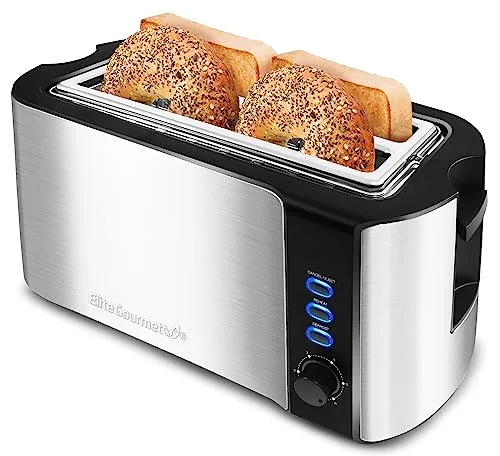
Image source: Bing (Web (fair-use with source credit))
Decoding Your Toaster: Settings That Matter
Your toaster isn't just a one-trick pony; it has settings designed to handle different bread needs. Understanding these can make all the difference when toasting frozen slices. It’s less about brute force and more about smart application of heat.
The Defrost Setting: Friend or Foe?
Many modern toasters come equipped with a "defrost" setting. This feature is specifically engineered to handle frozen items. When you engage it, the toaster typically runs at a slightly lower heat for a longer period.
This allows the frozen bread to thaw gently first, then gradually toasts it to perfection. If your toaster has this, it's usually your best bet for evenly browned frozen toast without burning. Per general appliance usage guidelines, this setting optimizes heat distribution for frozen goods.
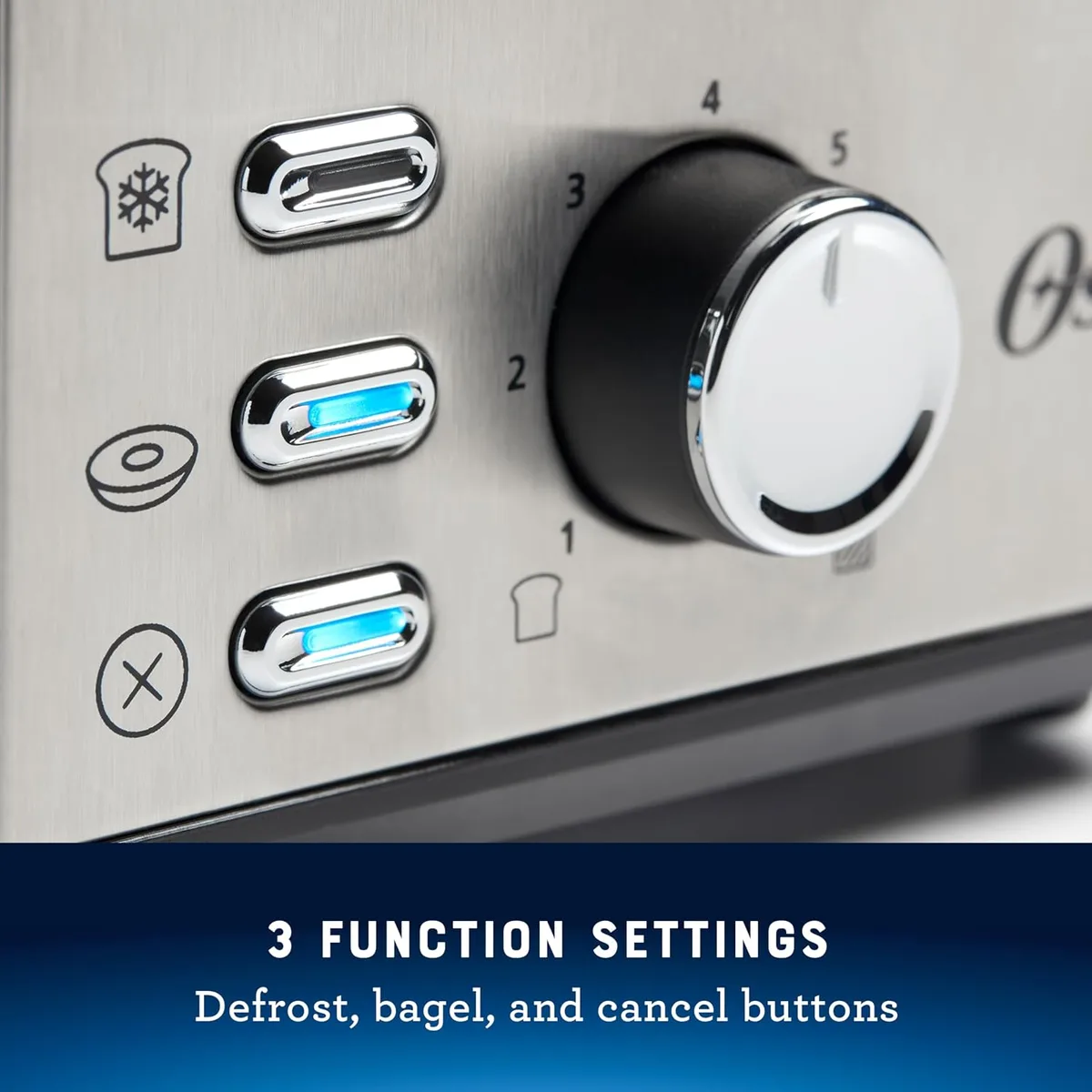
Image source: Bing (Web (fair-use with source credit))
Bagel Setting vs. Regular Toasting
The "bagel" setting on most toasters doesn't actually toast the whole slice evenly. Instead, it tends to toast the cut sides of the bagel more intensely while leaving the outer crust softer. If you're toasting frozen bread slices, this setting is usually not ideal unless you're specifically looking for that kind of uneven browning.
For most standard bread slices, whether fresh or frozen, sticking to the regular toasting function or the defrost setting will yield more consistent results.
Understanding the Toast Level Dial
The toast level dial, usually marked from 1 (lightest) to 7 (darkest), controls the duration the heating elements stay active. When toasting frozen bread, you’ll almost always need to turn this dial higher than you would for fresh bread. A good starting point is usually two to three notches higher than your usual fresh bread setting.
For instance, if you normally toast at a '3' for fresh bread, try a '5' or '6' for frozen. This extra time allows the bread to thaw and then toast properly.
The Step-by-Step Workflow for Perfect Frozen Toast
Getting that ideal crunch from frozen bread is a straightforward process when you follow these steps. It’s about precision and understanding what your toaster is doing.
Step 1: Choosing the Right Bread
Not all frozen breads toast the same. Sourdough or denser artisan loaves might require a slightly longer time or a higher setting than standard white or whole wheat bread. Even the thickness of your slices plays a role; thicker slices will naturally take longer.
Consider how well the bread has been frozen, if it’s heavily ice-crystallized, it might take longer to thaw.
Step 2: Loading the Toaster
Simply take your frozen bread slices directly from the freezer and place them into the toaster slots. There's no need to thaw them on the counter first, as this can lead to sogginess, which is the enemy of good toast. Make sure the slices fit without being forced; a snug fit is fine, but you don't want to jam them in.
Step 3: Setting Your Toaster (The Crucial Part)
This is where the magic happens. If your toaster has a defrost setting, use it. This is specifically designed for this purpose.
If not, select a higher toast level than you normally would. A common recommendation is to increase the setting by two to three levels. For instance, if a '4' is your go-to for fresh bread, try a '5' or '6' for frozen.
This extra time allows the bread to thaw and then toast properly.
Step 4: The Toasting Process
Once you’ve set your toaster, simply push down the lever to start the toasting cycle. It’s wise to stay nearby, especially the first time you toast frozen bread with a new setting. This allows you to monitor the browning process and gauge the exact time needed for your specific bread and toaster.
You’re aiming for that golden-brown hue.
Step 5: Safely Removing and Enjoying
When the toast pops up, check its color and texture. If it’s not quite done, you can lower it back down for another short burst, being careful not to burn it. If it looks perfect, carefully remove the slices.
Always use caution as the toast and toaster slots can be very hot. Now, add your favorite toppings and enjoy! If you're interested in preparing other bread-based items, learning how to maintain a wooden cutting board can be a useful skill.
Common Frozen Toast Fails and How to Fix Them
Even with the right settings, things can go awry. Knowing the common pitfalls helps you troubleshoot for that perfect slice every time.
Problem: Burnt Edges, Soggy Middle
This usually happens when the toaster's heat is too high for too long, or if the bread wasn't truly frozen solid. The outside cooks quickly, but the inside remains cold and damp.
- Fix: Lower your toast setting by one or two levels. If your toaster has a defrost setting, use that instead. Ensure the bread is fully frozen, not just cold.
Problem: Uneven Browning
One side is perfectly toasted, while the other is pale and underdone. This can be due to uneven heating elements in the toaster or how the bread is positioned.
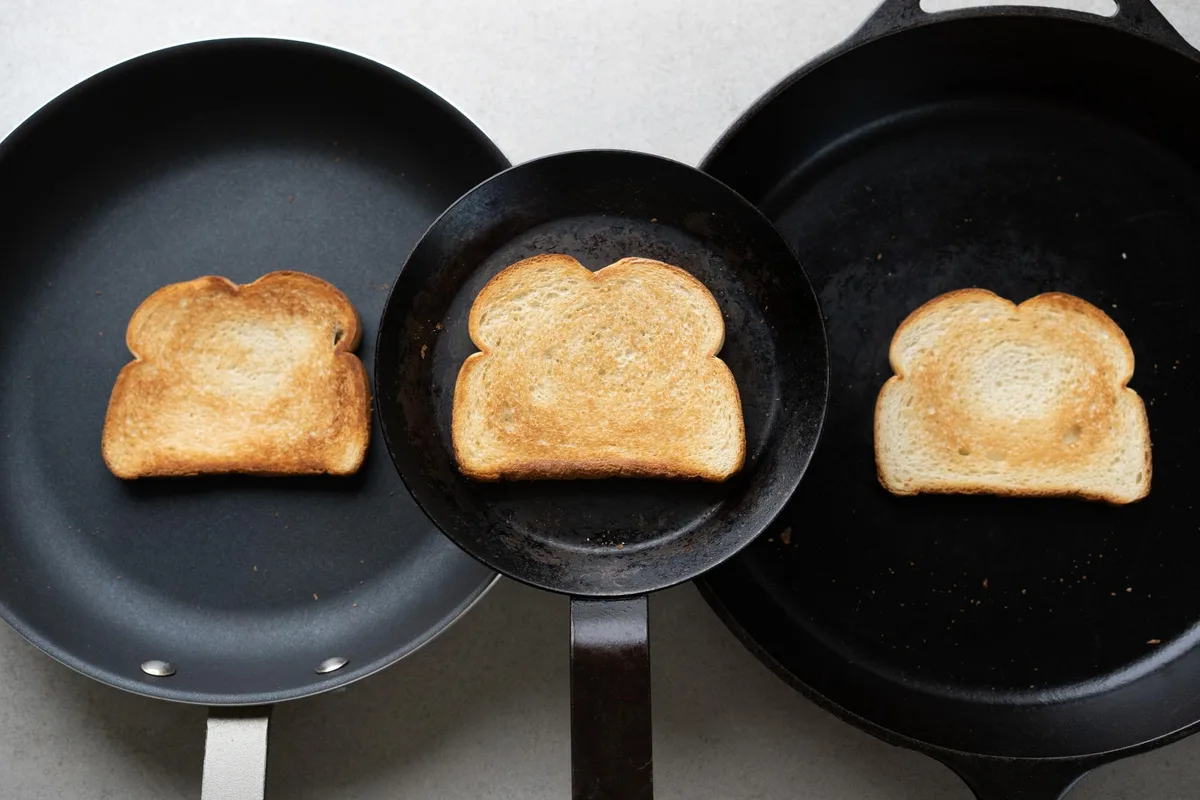
Image source: Bing (Web (fair-use with source credit))
- Fix: Try rotating the bread halfway through the toasting cycle if your toaster allows. Some toasters have "center" or "wide slot" features that help distribute heat more evenly. If it’s a persistent issue, consider cleaning your toaster as crumb buildup can interfere with heating. For similar issues with kitchen appliances, understanding how to clean blender blades can prevent performance dips.
Problem: Toast Sticks
Sometimes, the toast can get stuck in the toaster slots, especially if it puffed up or became slightly misshapen during freezing.
- Fix: Never use metal utensils to dislodge stuck toast, as this can damage the heating elements and poses an electrical risk. Turn the toaster off and unplug it. Gently shake the toaster to try and free the bread. If it’s still stuck, allow it to cool completely, then try carefully using a wooden or plastic utensil. Regular toaster maintenance, like emptying the crumb tray, also helps prevent this.
Expert Tips for Next-Level Frozen Toast
Beyond the basic settings, a few pro tips can elevate your frozen toast game. These are small tweaks that make a noticeable difference in texture and flavor.
- Know your toaster: Every toaster is a bit different. Some run hotter, others cooler. Pay attention to how yours performs with different settings and bread types. As of 2026, manufacturer testing data for common toasters indicates a consistent variation in heat distribution across brands and models.
- Consider the bread type: Thicker, denser breads will require more time. You might need to press the lever down a second time for an extra toasting cycle on very thick slices.
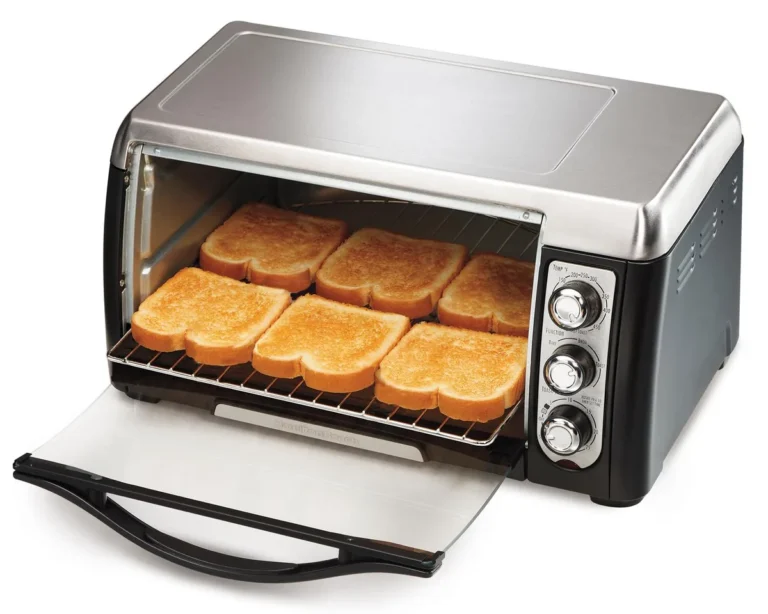
- Don't overcrowd: While not usually an issue with standard toasters, if you're using a toaster oven, make sure there's enough space around the bread for air to circulate. This is similar to ensuring proper airflow when you how to store a cutting board to prevent mold.
- Watch the color, not just the timer: The recommended toast level is a guide, but visual cues are key. Look for that desired golden-brown color.
- Butter while hot: For the best melt and flavor, butter your toast immediately after it pops up. This is a simple step that many overlook but makes a big difference.
When in Doubt: A Quick Frozen Toast Cheat Sheet
If you're short on time and need a quick reference, keep this cheat sheet handy. It covers the most common scenarios for toasting frozen bread.
| Bread Type | Toaster Setting (vs. Fresh) | Defrost Setting | Notes |
|---|---|---|---|
| Standard Slices | 2-3 levels higher | Yes | Watch closely for browning |
| Thick Slices | 3-4 levels higher or re-toast | Yes | May need extra time |
| Artisan/Dense Loaf | 3-4 levels higher | Yes | Can take longer; higher setting often needed |
| Thin Slices | 1-2 levels higher | Yes | Can burn quickly, monitor closely |
| Stale/Dry Frozen | Normal or 1 level higher | No | May toast faster than expected |
Frequently Asked Questions About Toasting Frozen Bread
How long does it typically take to toast frozen bread?
Toasting frozen bread usually takes longer than fresh bread, often an extra 30 to 90 seconds depending on your toaster and the bread's thickness. Using a defrost setting can add a minute or two overall.
Can I toast frozen bread without a defrost setting?
Yes, you can toast frozen bread without a defrost setting. Simply increase the toast level on your dial by two to three notches compared to fresh bread, or lower the toast level slightly and let it toast for a longer duration.
Why does my frozen toast come out unevenly browned?
Uneven browning often stems from an older toaster with inconsistent heating elements or crumb buildup interfering with heat distribution. For consistent results, ensure your toaster slots are clean and try rotating the bread halfway through if possible.
Is it safe to toast frozen bread?
It is safe to toast frozen bread. The primary risk is common to all toasting: the potential for fire if left unattended or if significant crumb buildup ignites. Always supervise your toaster.
Should I thaw frozen bread before toasting?
No, you should not thaw frozen bread before toasting. Thawing on the counter can make the bread moist and chewy, leading to a soggy, less-than-ideal toast texture. Toast it directly from the freezer.