How to Toast Bagels in a Toaster
Getting that bagel just right in the toaster can feel like a small victory, can't it? Nobody wants a pale, sad bagel or one that’s bordering on charcoal. Knowing the simple steps ensures you get that perfect golden-brown, slightly crisp exterior with a warm, chewy inside every single time.
Mastering how to toast bagels in a toaster is a simple skill that elevates your breakfast game. Many standard pop-up toasters have heating elements that can be tricky with dense, uneven foods like bagels. According to manufacturer specifications for many common 2-slice toasters, the wattage typically ranges from 700 to 1200 watts, indicating varying heat output that needs careful management for delicate items.
Quick Answer
Toast bagels cut-side inward in a standard toaster. Start with a medium setting, typically around dial 3 or 4, and watch closely. Adjust the setting up or down based on browning.
Aim for an even golden hue on the cut surface.
Why Visuals Are Key to Bagel Toasting Success
When you're aiming for that ideal toasted bagel, words only go so far. It's really about what you see. Think about how you learn to tell if a piece of toast is done, it's all visual cues, right?
The color, the texture starting to form, how the light hits it.
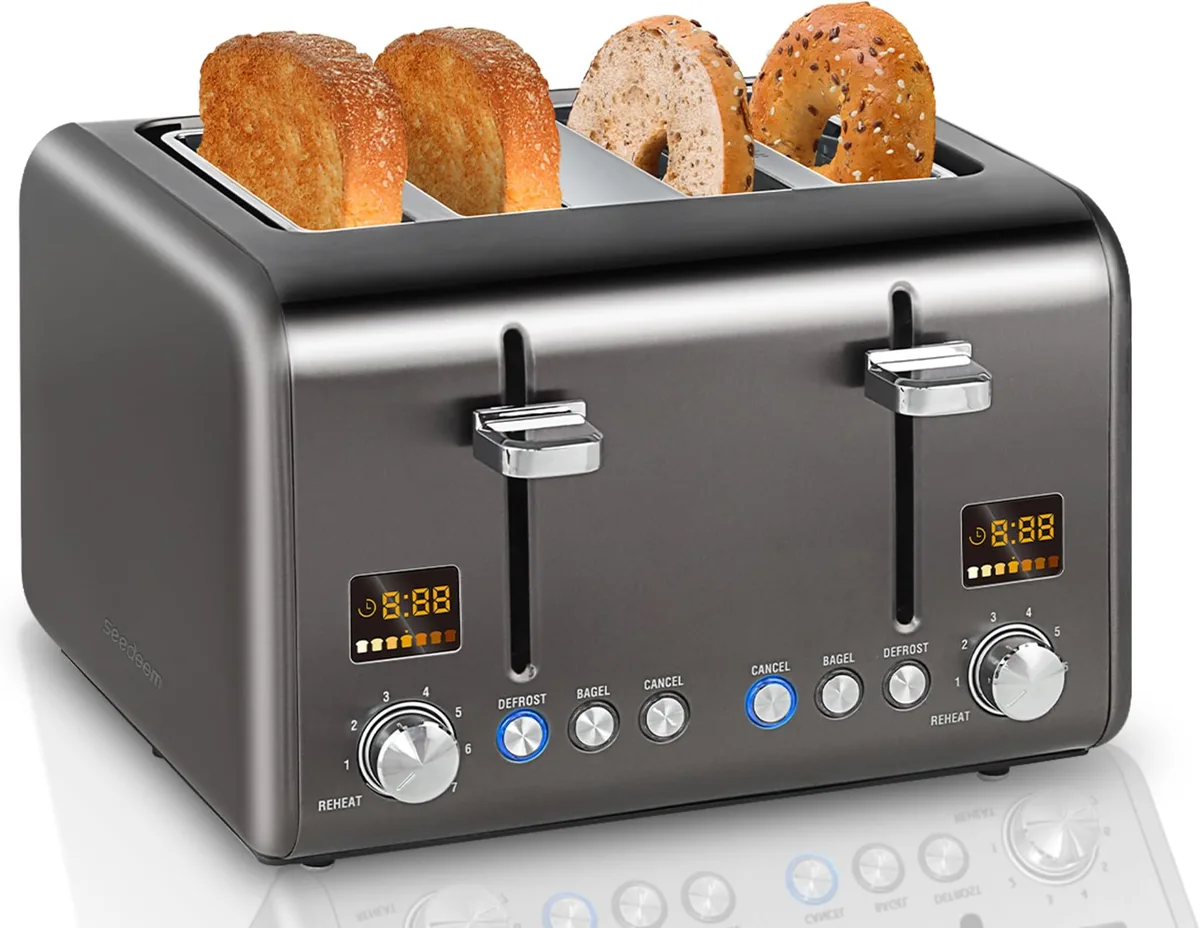
Image source: Bing (Web (fair-use with source credit))
For bagels, this is even more important because they're thicker and denser than regular bread. What looks perfectly toasted on one side might be just warming up on the other if you're not careful. Seeing the browning develop is your best indicator.
We're talking about that specific shade of golden brown that promises a nice crunch without burning.
Bagel Toasting: The Quick How-To Guide
Let's break down the actual process. It’s pretty straightforward, but getting these steps right makes all the difference between a good bagel and a great one.
Step 1: Slice It Right
This is your absolute first move, even before the toaster is involved. Grab a good serrated knife, the kind that can saw through tough crusts without crushing the inside. You want to slice the bagel cleanly in half, horizontally.
Aim for two pieces of roughly equal thickness. If your bagel is already pre-sliced, you can skip this, but make sure the slices are even.
Step 2: Load It Smart (Cut-Side In!)
This is arguably the most critical step. You’ve got your bagel halves, and you’re ready to feed them to the toaster. Don't just drop them in any old way.
For optimal toasting, place each bagel half cut-side facing inward, directly towards the heating elements. This exposes the softer, more absorbent interior to the direct heat, allowing it to toast up nicely and evenly.
Step 3: Dial In Your Toaster Settings
Now, let's talk settings. Most pop-up toasters have a dial, usually numbered 1 through 5 or 6, where 1 is light and 6 is dark. For a standard, fresh bagel, it’s best to start in the middle.
A setting around 3 or 4 is usually a good starting point. This prevents the outside from burning before the inside has a chance to warm up and crisp slightly.
Step 4: Watch, Learn, and Adjust
This is where you become the bagel master. Don't just set it and forget it, especially the first few times you toast a new batch or use a different toaster. Keep an eye on your bagels as they’re toasting.
When the time is almost up, peek inside. If they're looking a bit too pale, you can always lower the lever again for another minute or two, perhaps nudging the dial up slightly. If they're browning too fast, pop them up early.
What a Perfectly Toasted Bagel Looks Like
When you’ve got the technique down, your bagel will look and feel just right. It’s a subtle science, but the visual cues are your biggest guides.
Golden Brown, Not Burnt
The ideal toasted bagel has a beautiful, even golden-brown color on the cut surfaces. This isn't a dark, almost black char, nor is it the pale, slightly warm look of a barely-toasted slice. Think of the color of roasted almonds or light caramel.
This shade indicates that the sugars in the bagel have caramelized just enough for flavor and texture without burning.
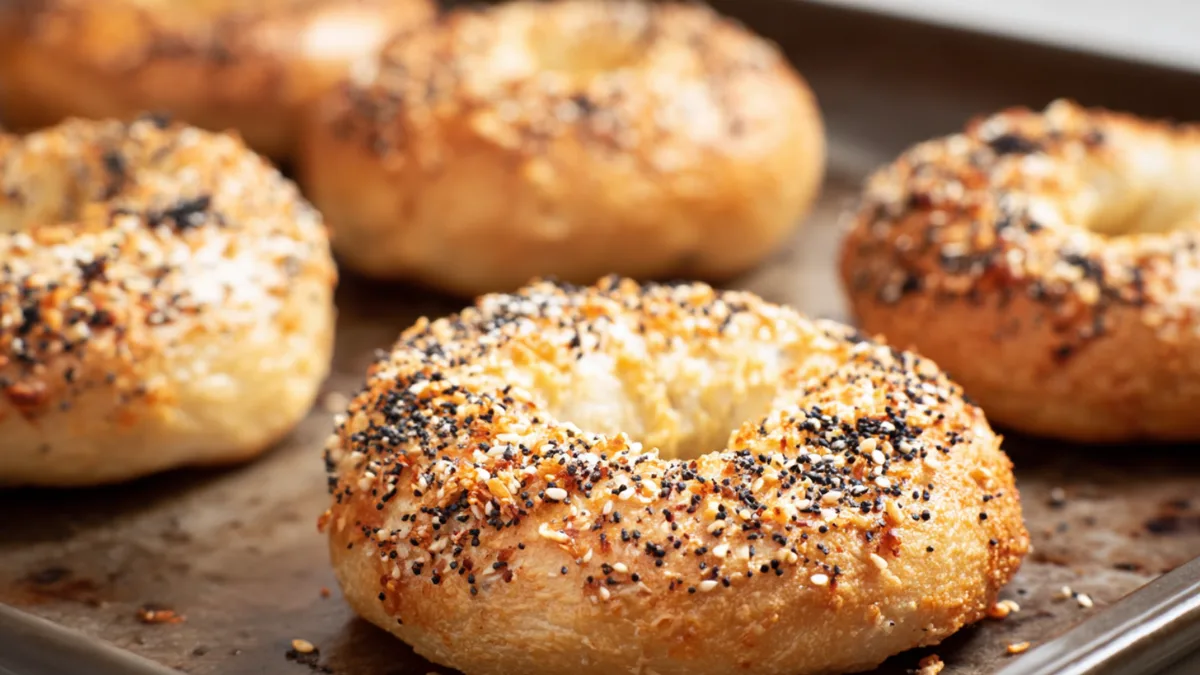
Image source: Bing (Web (fair-use with source credit))
Crisp Exterior, Soft Interior
A perfectly toasted bagel offers a satisfying contrast in textures. The outer, toasted surface should have a slight crispness to it, giving way with a gentle crunch when you bite into it. However, this crispness should be on the surface only.
The inside of the bagel, the part that wasn't directly exposed to the heat, should remain soft, chewy, and pleasantly warm. It shouldn't be gummy or dry.
Common Bagel Toasting Mistakes to Avoid
Even with a simple toaster, there are a few common pitfalls that can turn your bagel into a disappointment. Being aware of these can save you from many a breakfast woe.
Wrong Loading Technique
The most frequent mistake is putting the bagel halves in cut-side out. When the rounded crust faces the heating elements and the cut side faces the outside, the crust can burn quickly while the inside stays cool and soft. Always remember to orient the cut sides inwards.
Guessing the Settings
Many people just pop a bagel in on whatever setting the toaster was last used for. Bagels are denser and thicker than regular bread. Using a setting too high initially can lead to a burnt exterior and an under-toasted interior.
Start conservatively and adjust. For instance, some toaster manufacturers, like Breville, offer specific bagel settings that moderate heat distribution.
Ignoring the Bagel's Cues
Another common error is to simply walk away and let the toaster do its job without any supervision. Bagels vary in density and moisture content. What's perfect for one might be too much or too little for another.
Paying attention during the last minute or so of toasting allows you to catch it at the ideal moment and prevent it from going from golden to burnt.
Beyond the Pop-Up: Toaster Ovens and Bagel Settings
While the standard pop-up toaster is common, other appliances can handle bagels too, often with more predictable results. Toaster ovens, for example, offer more control and visibility.
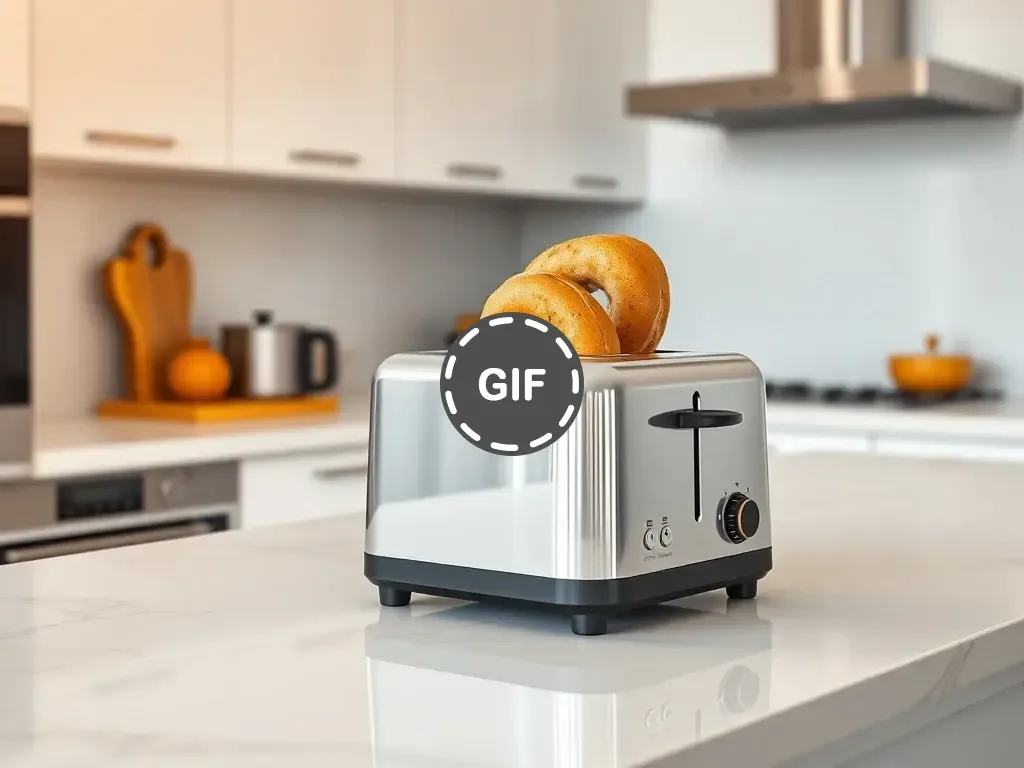
Image source: Bing (Web (fair-use with source credit))
In a toaster oven, you can usually place bagel halves directly on the rack. Many models have a specific "bagel" setting. This function typically means the heating elements on one side (usually the top) are more active, toasting the cut side more intensely, while the elements on the other side are less so, just warming the exterior crust.
It mimics the cut-side-in principle of a pop-up toaster but with better visual monitoring. If your toaster oven doesn't have a dedicated bagel setting, you can often achieve similar results by positioning the bagel halves cut-side up under the top heating elements, watching closely to prevent burning.
Expert Tips for Bagel Toasting Nirvana
To truly elevate your bagel toasting game, consider these pro-level insights. They go beyond the basic steps and focus on optimization for the best possible outcome.
- Consider the Bagel's Age: Fresher bagels have more moisture and can take longer to toast to your desired crispness. Older, slightly stale bagels might toast up faster and get crispier due to less internal moisture. You may need to adjust your toaster settings accordingly.
- Watch for Condensation: If your bagels have been in the fridge or freezer, they might release steam as they toast. This can create condensation, which can make the bagel feel slightly damp before it gets crispy. A longer toast time or a slightly higher setting might be needed to drive off this excess moisture.
- Don't Overstuff: If you're using a toaster oven, ensure there's enough space around each bagel half for air to circulate. Overcrowding can lead to uneven heating, with some parts toasting more than others.
- Clean Your Toaster: While not directly about technique, a clean toaster is crucial. Crumbs at the bottom can burn and affect the flavor of your toast, or even pose a fire risk. Regularly empty the crumb tray. For more detailed cleaning, refer to the appliance manufacturer's guidelines.
- Pre-Warm the Toaster: For maximum consistency, especially in cooler kitchen environments, some users pre-warm their pop-up toaster for about 30 seconds before inserting the bagel. This ensures the heating elements are at full temperature from the start, leading to more predictable results.
Bagel Toasting FAQs
How long does it typically take to toast a bagel?
Toasting a bagel usually takes between 2 to 4 minutes in a standard pop-up toaster, depending on the toaster's heat setting and the bagel's density. Toaster ovens might be quicker or slower depending on the specific model and setting used.
Can I toast bagels with toppings like cream cheese already on them?
No, it's not recommended to toast bagels with cream cheese or other spreads already on them. The heat would melt and likely burn the toppings, making a mess and potentially damaging your toaster. Toast the plain bagel first, then add your toppings.
What if my toaster has a specific "bagel" setting?
If your toaster has a dedicated bagel setting, it's usually designed to toast the cut sides more intensely while warming the rounded exterior sides. This is often a good option for achieving an even toast, so give it a try! It typically works by adjusting the power to the heating elements.