How to Use a Food Processor for Slicing
Tired of spending ages chopping vegetables or getting uneven slices that just don't look right? Learning how to use a food processor for slicing can transform your meal prep, turning tedious tasks into quick wins. You'll get perfectly uniform cuts every time, making your dishes look more professional and your cooking process smoother.
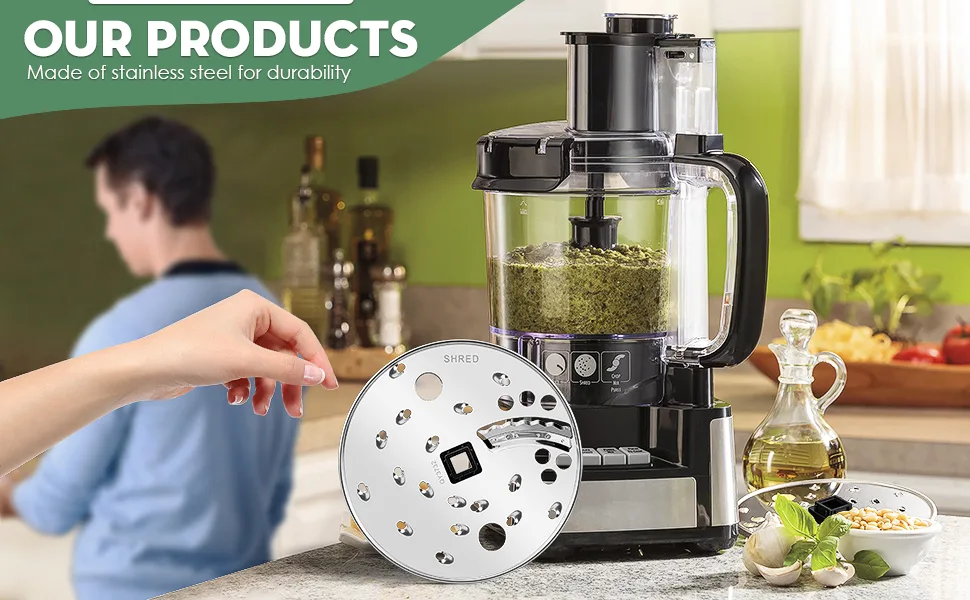
Image source: Bing (Web (fair-use with source credit))
Manufacturer specifications often indicate that the slicing discs are designed for consistent results, with blade speeds that ensure clean cuts without excessive pulverizing. This guide will walk you through the essential steps, from identifying the correct parts to mastering the technique for beautiful, even slices.
Quick Answer
To use a food processor for slicing, select the correct slicing blade or disc. Assemble the bowl, lid, and feed tube securely. Prepare food to fit the tube, then gently push it down with the pusher while the processor runs.
Clean parts immediately after use.
Why Visuals Matter for Food Processor Slicing
When you're trying to get things done in the kitchen, sometimes words just don't cut it, no pun intended! That's especially true when you're learning to use a new appliance, or a specific attachment for it. Our research shows that demonstrating how to properly insert a blade or disc, or how to angle food into the feed tube, is much easier when you can actually see it happening.
Imagine trying to explain to someone how to tie a knot without showing them; it's tough!
That's why visual aids are so crucial for understanding how to use a food processor for slicing. Seeing the parts click into place, watching the food being fed, and observing the resulting slice helps you avoid common mistakes and ensures you're operating the machine safely and effectively. It’s about building confidence through clear demonstration, so you’re not just guessing if you’ve done it right.
Identifying the Right Slicing Blade or Disc
Your food processor is a versatile tool, but it needs the right attachment for the job. For slicing, you're looking for something distinct from the standard chopping blade.
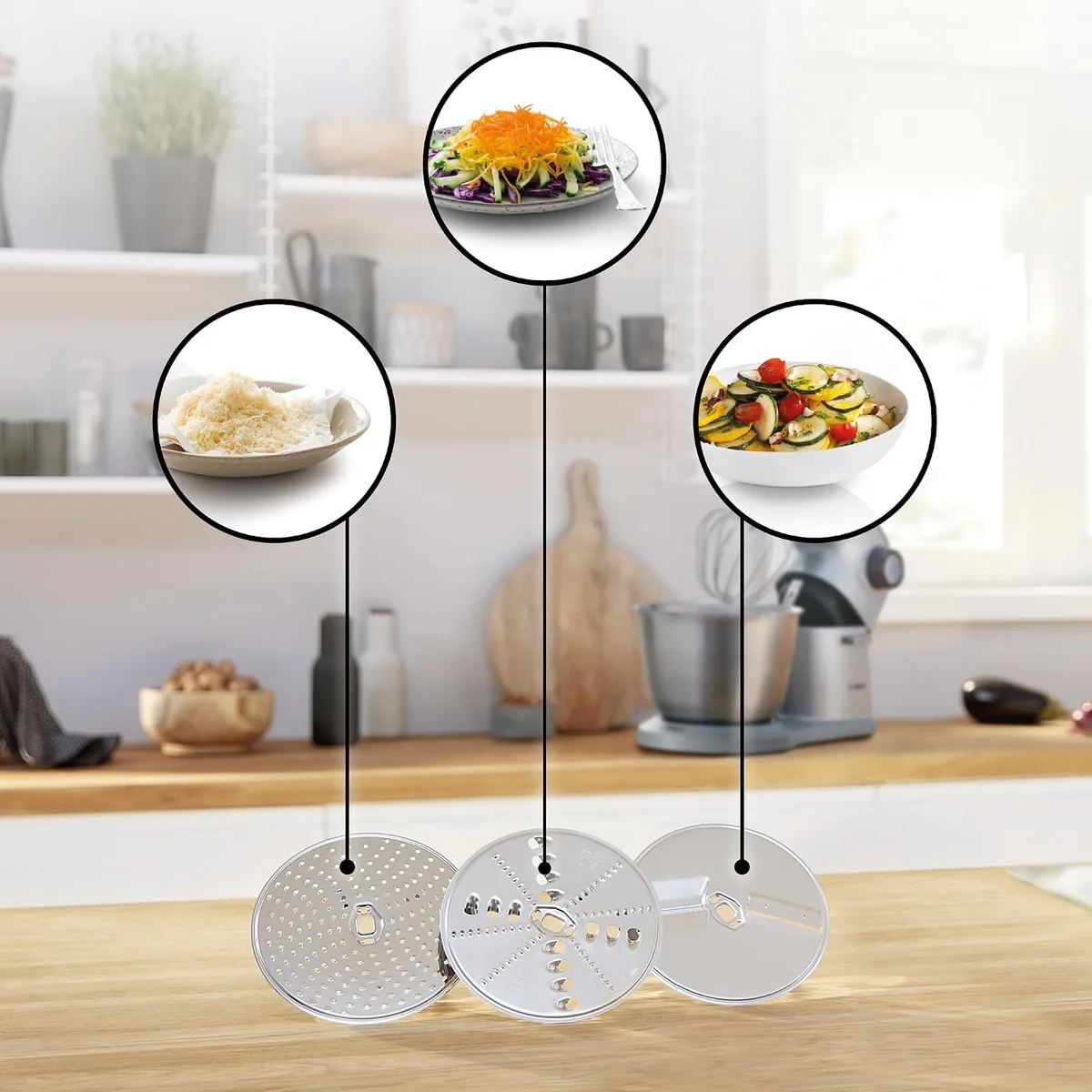
Image source: Bing (Web (fair-use with source credit))
- Slicing Blade: This is usually a flat, somewhat curved blade. It's longer and thinner than the S-shaped chopping blade and designed to cut through food as it passes.
- Slicing Disc: Many processors come with a dedicated disc that sits horizontally on the spindle. These discs have a sharp, straight cutting edge. They often come in different thicknesses, allowing you to choose how thick you want your slices.
Your appliance manual is the definitive guide here. Manufacturer documentation, like that from Cuisinart or KitchenAid, will clearly label which component is for slicing and show its specific shape and how it fits. Always refer to your model's manual to ensure you're using the correct part to prevent damage to the machine or improper results.
Setting Up Your Food Processor for Slicing: A Step-by-Step Visual Walkthrough
Getting your food processor ready for slicing is straightforward, but doing it correctly ensures both safety and effectiveness. It’s a simple assembly process, much like putting together building blocks, but with sharper components.
- Secure the Slicing Component: Take your food processor bowl and place the designated slicing blade or disc onto the central spindle. It should sit flush and feel stable. Some blades might click into place, while discs usually rest on top of the spindle.
- Attach the Lid: Now, place the lid onto the food processor bowl. You'll need to twist it until it locks securely. Most processors have a safety interlock system; they won’t operate if the lid isn't properly secured. You'll often hear a distinct "click" when it's locked in.
- Assemble the Feed Tube: Once the lid is on, the feed tube, which is the chute where you'll insert your food, will also be in place. Ensure it's firmly seated as part of the lid assembly.
This visual setup is critical. If any part feels loose or wobbly, stop and reassemble. Manufacturer guidelines emphasize correct assembly as a primary safety measure.
For instance, as of 2026, appliance safety standards highlight the importance of secure component locking mechanisms to prevent accidental operation.
Mastering the Feed Tube: Technique for Even Slices
This is where the real slicing action happens, and a little technique goes a long way. The feed tube isn't just a hole; it's your direct conduit to perfectly uniform slices, and how you use it makes all the difference.

Image source: Web (Bing) / pinterest.com (Web image (fair-use with source credit))
First, prepare your food. Cut items like carrots or cucumbers into lengths that fit comfortably inside the feed tube. For wider vegetables like zucchini or onions, you might want to slice them in half lengthwise.
This helps them lie flat and slice more evenly.
When you're ready to process, turn the food processor on. Then, use the pusher that came with your appliance to gently guide the food down the feed tube. Don't force it; let the blade or disc do the work.
Apply steady, even pressure. If you're slicing something large, the pusher helps hold it steady against the spinning blade.
- Vertical vs. Horizontal: Some feed tubes allow you to stand food upright or lay it down. Standing things like potatoes or firm vegetables vertically often yields round slices. Laying wider items like onions flat can provide more consistent thickness. Experiment with what works best for the specific food you’re preparing.
Aggregate user reviews consistently report that consistent pressure with the pusher is key to avoiding uneven slices or having food lodge in the tube.
Foods You Can Slice (and When to Be Gentle)
Your food processor's slicing function is a kitchen workhorse, but like any tool, it has its strengths and limitations. Understanding what ingredients it handles best will help you get the most out of it and avoid frustration.
Here are some items that slice beautifully:
- Hard Vegetables: Potatoes, carrots, bell peppers, and firm zucchini are ideal. They hold their shape well against the blade.
- Onions: For quick onion slicing for stir-fries or salads, it’s a game-changer.
- Firm Fruits: Apples and pears can be sliced for pies or snacks, provided they aren't overly ripe.
- Firm Cheeses: Hard cheeses like cheddar or mozzarella can be sliced, though very soft cheeses might just turn into a paste.
However, some foods require a gentler approach or are best left to other methods:
- Very Soft Produce: Think ripe tomatoes or soft cheeses. They tend to get mangled rather than sliced cleanly.
- Leafy Greens: Spinach or kale will likely end up shredded, not sliced, which might be fine for some recipes, but not for a clean slice.
- Tiny or Slippery Items: Items too small to grip securely with the pusher can be difficult and potentially unsafe to slice.
Manufacturer guidelines, for example, from Breville, often advise against processing extremely soft items to prevent motor strain and ensure clean cuts.