How to Prevent Cutting Board From Cracking
It’s super frustrating when your favorite cutting board develops those dreaded cracks. You picked it because it felt good under your knife and looked great in your kitchen, and nobody wants that to go to waste.
The good news is, keeping them crack-free is totally achievable with a little consistent care. It really boils down to understanding what causes the damage and then applying some simple, proven techniques. Think of it as giving your kitchen tools the attention they deserve.
Quick Answer
To prevent cutting board cracks, regularly oil wood boards with mineral oil, wash them by hand, and dry them standing up. Avoid dishwashers and extreme temperature changes. Plastic boards need gentle cleaning and replacement when worn.
Why Visuals Matter for Preventing Cutting Board Cracks
When you're trying to figure out how to properly care for something like a cutting board, sometimes words just aren't enough. Our research shows that understanding the material's behavior, especially with wood, is key, and that's often best conveyed visually. Seeing how oil penetrates the grain, or how a board looks when it's properly seasoned versus when it's dry and thirsty, makes all the difference.
Imagine looking at a photo of wood that’s been recently oiled, it has a rich, subtle sheen, and water beads right off. Now picture dry wood: it looks dull, maybe even a little fuzzy, and water just soaks in immediately. Recognizing these visual cues helps you know exactly what your board needs, preventing the drying or over-saturation that leads to cracks.
As of 2026, manufacturers continue to emphasize visual cues in their care guides, reinforcing that seeing is believing when it comes to cutting board health.
Image source: Web (Bing) / ar.inspiredpencil.com (Web image (fair-use with source credit))
The Core Problem: Moisture and Temperature Stress
At its heart, preventing cutting board cracks comes down to managing moisture and temperature. Wood, being a natural, porous material, is especially sensitive to its environment. When wood absorbs moisture, it swells; when it dries out, it shrinks.
This constant cycle of expansion and contraction creates internal stress within the wood fibers.
If this stress builds up unevenly, or if the wood experiences rapid changes, it can lead to visible damage. Think of it like bending a thin piece of wood back and forth repeatedly; eventually, it's going to snap. For cutting boards, this manifests as splits and cracks, often starting along the grain lines or at the edges.
Plastic boards are less prone to this type of stress cracking but can become brittle and break if exposed to extreme heat or harsh cleaning cycles.
How to Properly Wash Your Cutting Board
Washing your cutting board correctly is the first line of defense against damage, especially for wood. The dishwasher, while convenient for many kitchen items, is the enemy of a good wood cutting board. The intense heat, prolonged exposure to water, and harsh detergents can strip natural oils, warp the wood, and inevitably lead to cracks.
Manufacturer specifications consistently advise against this method for most wood boards.
Hand Washing Wood Boards
If you have a wood cutting board, always opt for hand washing. Use warm water and a mild dish soap. A soft sponge or a dedicated board brush works best to gently scrub away food particles without being too abrasive.
Remember, the goal is to clean it, not to scrub it raw.
Washing Plastic Boards
Plastic boards are generally more forgiving. Many are dishwasher safe, but it's always a good idea to check the manufacturer's instructions. If they are dishwasher safe, use the top rack and avoid the hottest drying cycles.
If you prefer to hand wash plastic boards, the process is similar to wood: use warm water, mild soap, and a non-abrasive sponge.
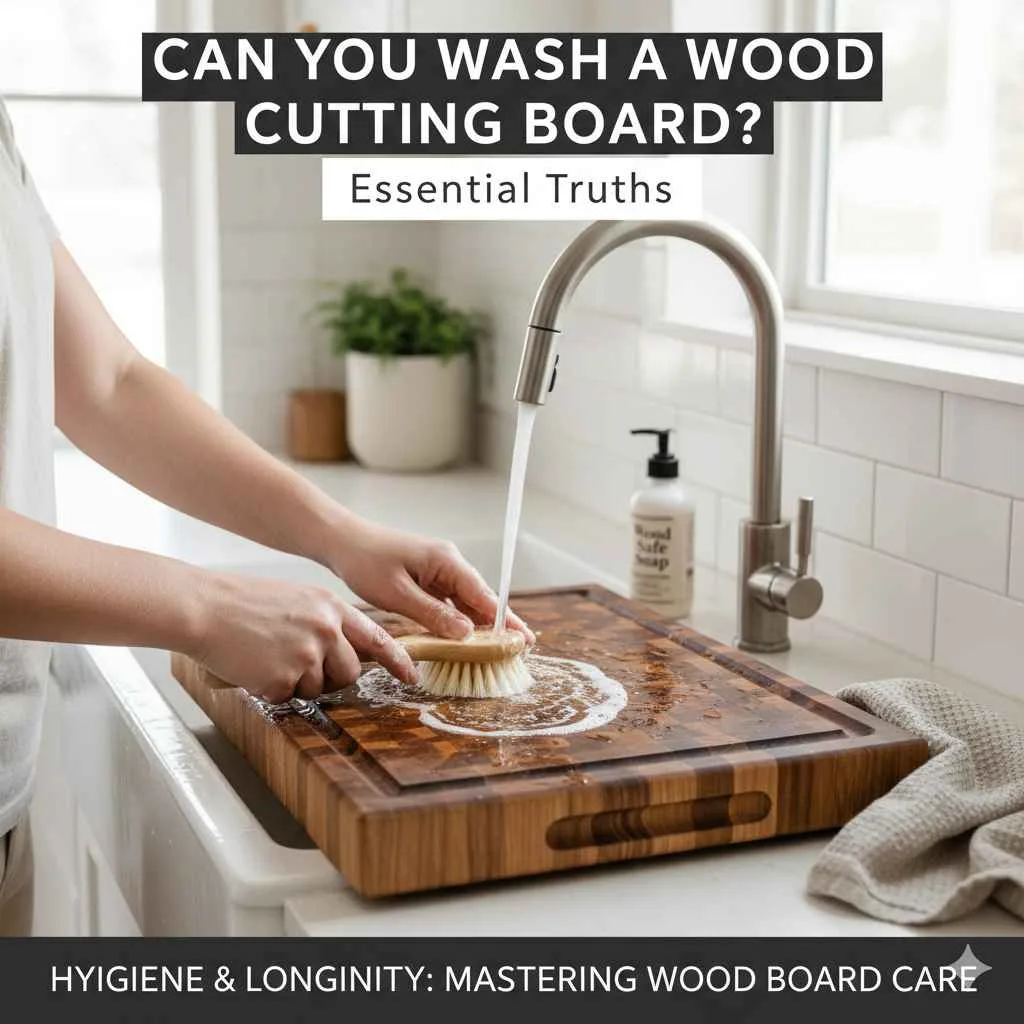
Image source: Bing (Web (fair-use with source credit))
The Essential Step: Drying Your Cutting Board Correctly
After washing, how you dry your cutting board is almost as critical as the washing itself. Letting a wet cutting board sit flat on the counter or in the sink is a major mistake. This traps moisture underneath, preventing even drying and creating an environment where the wood can swell unevenly, significantly increasing the risk of cracking.
This is particularly true for wood, which needs to breathe and dry uniformly.
Standing It Up for Even Drying
The best practice, supported by expert advice and manufacturer guidelines, is to stand your cutting board on its edge after washing. This allows air to circulate freely around both sides and the edges. This even exposure to air helps the board dry uniformly, preventing moisture differentials that cause stress.
You can prop it against a backsplash, a nearby appliance, or use a drying rack designed for boards. For plastic boards, while less critical than for wood, standing them up also promotes quicker and more even drying.
Oiling and Conditioning: Your Board's Best Defense
Oiling and conditioning are vital for maintaining the health and longevity of your cutting boards, especially those made of wood. These treatments work by saturating the wood's pores with beneficial oils and waxes. This creates a protective barrier that prevents excessive moisture absorption from things like washing or spilled liquids, and it also slows down the natural drying process.
Without regular oiling, wood can become dry, brittle, and much more susceptible to cracking.
Choosing the Right Oil and Wax
For wood cutting boards, food-grade mineral oil is the go-to. It's odorless, non-toxic, and won't go rancid. You can find it at most drugstores or hardware stores.
Specialized cutting board conditioners, which often contain a blend of mineral oil and beeswax, offer an extra layer of protection and a smoother finish. Avoid vegetable oils like olive oil or canola oil, as they can become rancid over time, leading to unpleasant odors and potentially affecting food safety.
How Often to Oil
The frequency of oiling depends on how often you use the board and the climate you live in. A good rule of thumb is to oil your board once a month, or whenever it looks dry and thirsty. You can test if your board needs oiling by putting a few drops of water on it; if the water beads up, it's protected.
If it soaks in quickly, it's time to reapply oil.
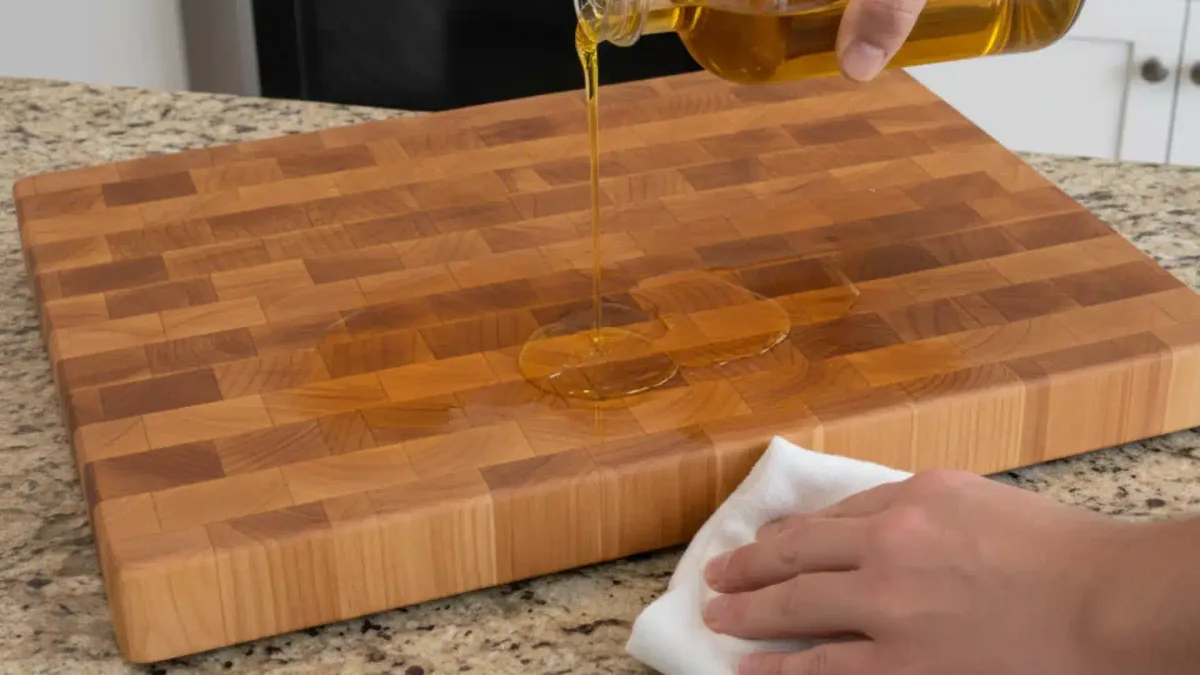
Image source: Bing (Web (fair-use with source credit))
For a wood board that’s been heavily used or dried out, you might need to apply several coats of oil, letting each one soak in for at least a few hours, or even overnight, before buffing off the excess. This deep conditioning can help rehydrate the wood and prevent further cracking. For plastic boards, oiling isn't typically necessary unless they're made from a material that benefits from conditioning, which is rare.
Step-by-Step Process: Oiling and Conditioning Your Cutting Board
Taking care of your cutting board, especially a wooden one, isn't complicated, but it does require a few deliberate steps. This process helps seal the wood, making it more resistant to moisture and damage. Think of it as giving your board a protective layer that keeps it looking good and performing well.
Following these steps consistently is key to preventing those frustrating cracks.
First, ensure your cutting board is clean and completely dry. If you've just washed it, let it air dry standing on its edge for several hours, or even overnight, until no moisture is visible. Then, place the board on a stable, flat surface, perhaps over a sink or a towel to catch any drips.
Next, pour a generous amount of food-grade mineral oil directly onto the surface of the board. You don’t need to be shy with it; let the wood soak it up. Use a clean, lint-free cloth or paper towel to spread the oil evenly over the entire surface, making sure to cover all sides, edges, and corners.
If the wood looks dry as you're spreading, add more oil.
After you’ve applied the oil, let it sit for at least 30 minutes. For a deeper conditioning, especially if the board looks particularly dry, you can let it soak for several hours or even overnight. The longer the oil has to penetrate, the better the protection.
Once the oil has soaked in sufficiently, take a clean, dry cloth and wipe away any excess oil. You're not trying to remove all the oil, just the surface residue that won't be absorbed. Some people like to follow up with a cutting board conditioner, which often includes beeswax.
This adds an extra water-repellent layer and a subtle sheen. Apply it in a thin layer and buff it to a shine.
Repeat this oiling process every month or whenever the board starts to look dry, and you'll notice a significant difference in its durability and appearance. This regular maintenance is what keeps the wood stable and prevents the stresses that lead to cracking.
Cutting Board Maintenance: Long-Term Optimization
Maintaining your cutting board isn't a one-time chore; it's an ongoing practice that ensures its longevity and performance. For wood boards, this means a consistent schedule of oiling and avoiding harsh conditions. For plastic, it means regular inspection and replacement when necessary.
The goal is to keep the material stable and free from damage that compromises its function and safety.
Regular oiling, as mentioned, is paramount for wood. Think of it like giving your board a drink of water on a hot day. This keeps the wood hydrated and flexible, preventing it from becoming brittle and prone to cracking.
It also creates a barrier that makes cleaning more effective, as less food and moisture will penetrate the surface.
When to Consider Replacing Your Cutting Board
Even with diligent care, cutting boards don't last forever. Knowing when to retire a board is as important as knowing how to maintain it, especially for hygiene and safety reasons. For plastic boards, the signal is usually visual: deep grooves, significant staining that won't come out, or if the board starts to feel brittle and shows signs of cracking.
These imperfections can harbor bacteria, making them unsafe for food preparation. As a general guideline, many sources suggest replacing plastic boards every year or two with regular use.
For wooden boards, the situation is a bit different. While oiling can help manage minor cracks, a board that has developed large, deep splits running through its thickness, or one that is severely warped, is likely beyond repair. These deep fissures are hard to clean effectively and can compromise the structural integrity of the board.
If your wooden board has become so damaged that it’s difficult to use safely or hygienically, it’s time to consider a replacement. Don't forget that some high-quality wooden boards can be resurfaced by a professional, extending their life even further.
Use Cases: Who Needs This Advice?
This advice on preventing cracks is most crucial for anyone who uses wooden cutting boards regularly. Home cooks who prepare a variety of meals, from simple weeknight dinners to elaborate weekend feasts, will benefit greatly. Chefs and culinary professionals, who rely on their cutting boards daily and often invest in high-quality wooden ones, will find these maintenance tips essential for preserving their tools.
Even casual users who only use a cutting board occasionally can benefit. If your board is made of bamboo, maple, or walnut, these same principles apply. It's about respecting the material and understanding its needs.
For those who use plastic boards, the focus shifts slightly towards proper cleaning and knowing when it’s time for a replacement, rather than preventing cracks through conditioning.
Mistakes to Avoid: Common Cutting Board Errors
Many people unknowingly shorten the life of their cutting boards by making a few common mistakes. The most significant is undoubtedly putting wood cutting boards in the dishwasher. Its combination of high heat and prolonged water exposure is incredibly harsh and is a primary cause of warping and cracking.
If you own a dishwasher, consider looking for models designed for small kitchens or those with specialized cycles, but never put your good wooden boards in any of them.
Another common error is using the wrong cleaning agents. Harsh chemicals or abrasive scrubbers can strip away protective oils from wood or scratch plastic surfaces, creating entry points for moisture and bacteria. Also, failing to dry boards properly after washing, by leaving them flat instead of standing them on edge, creates uneven drying conditions that stress the wood.
Finally, neglecting to oil wood boards or over-oiling plastic can also lead to problems, making them either too dry and brittle or slick and difficult to handle.
FAQs About Cutting Board Care
How often should I oil my wood cutting board?
You should oil your wood cutting board about once a month, or whenever it looks dry and water no longer beads up on the surface. If you live in a very dry climate or use the board frequently, you might need to oil it more often.
Can I use olive oil on my wood cutting board?
It's best not to use olive oil or other common cooking oils. They can go rancid over time, leaving an unpleasant odor and potentially making the board sticky or even unsanitary. Stick to food-grade mineral oil or a specialized cutting board conditioner.
Is it okay to put a plastic cutting board in the dishwasher?
Many plastic cutting boards are dishwasher safe, but it's always best to check the manufacturer's instructions. If you do put it in the dishwasher, use the top rack and avoid the hottest drying cycles, as excessive heat can make the plastic brittle.
What's the best way to dry a cutting board after washing?
Always dry your cutting board by standing it on its edge. This allows air to circulate evenly on both sides, promoting faster and more uniform drying. Never leave it lying flat, as this traps moisture and can lead to warping or cracking.