How to Remove Odors From Cutting Board
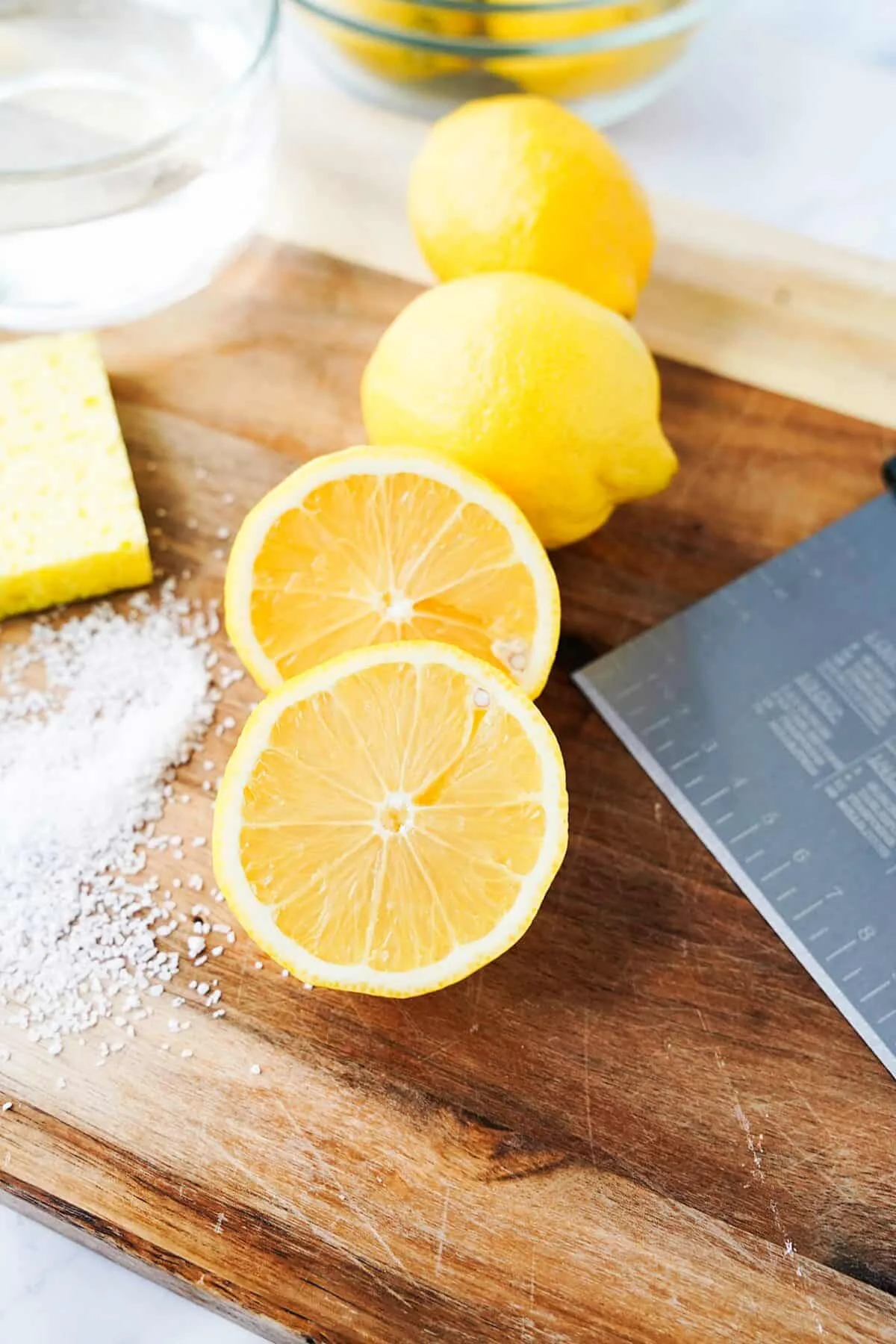
Image source: Bing (Web (fair-use with source credit))
So, you've got a cutting board that smells like last night's garlic or maybe that fish you cooked, right? Don't worry, it's a common kitchen nuisance that's totally fixable. Getting those stubborn odors out is simpler than you might think, and thankfully, it doesn't usually require anything super fancy or a whole new set of kitchen tools.
Think of it like this: you wouldn't use the same cleaner for a tough grease stain on your oven as you would for a bit of dust on your shelf. It's the same with cutting boards. As of 2026, manufacturer specifications still widely recommend specific cleaning methods based on material and odor type, ensuring longevity and hygiene.
The best way to tackle that funk depends on a couple of key things, which we'll break down.
Quick Answer for Smelly Cutting Boards
To remove odors from a cutting board, use a salt and lemon scrub for general smells on any board. For tougher odors, try a baking soda paste or white vinegar on plastic boards. Wood boards require gentle, immediate action and thorough drying.
Always wash immediately after use and dry completely to prevent future smells.
Smelly Cutting Board? Here's How to Banish Those Odors
Sometimes, the kitchen just picks up smells. That garlic you minced, the onions you sliced, or even that beautiful piece of salmon can leave a lingering scent on your cutting board that no amount of rinsing seems to fix. This isn't just about the smell; strong odors can sometimes transfer to other foods, which is the last thing you want when preparing your next meal.
Thankfully, we've got some proven, straightforward methods to get your cutting board smelling fresh again, no matter the material.
Quick Fixes for Lingering Kitchen Smells
If your cutting board has a general "foody" smell that's built up over time, you can often tackle it with common household items. These methods are great starting points for both plastic and wood boards, and they're gentle enough for regular use. We'll look at two of the most effective, no-fuss options.
The Salt & Lemon Scrub: Your First Defense
This method is a classic for a reason. The combination of salt's abrasive action and lemon's natural acidity works wonders on many common food odors. It’s a fantastic first line of defense for both plastic and wood cutting boards.
- What you’ll need: Coarse salt (like kosher salt) and one lemon.
- How to do it:
- Generously sprinkle coarse salt all over the surface of your cutting board.
- Cut a lemon in half. Use the cut side of the lemon to scrub the salt into the board. Squeeze the lemon juice over the salt as you go, creating a paste.
- Rub this mixture around for a few minutes, focusing on any particularly stained or smelly areas. The salt acts as a gentle scouring agent, lifting away residue, while the citric acid in the lemon juice helps to break down grease and neutralize odor-causing compounds.
- Let the salt and lemon mixture sit on the board for about 5-10 minutes.
- Rinse the board thoroughly with warm water.
- Allow the board to air dry completely before storing it. Standing it on its edge helps air circulate.
Baking Soda Paste Power
Baking soda is a natural deodorizer and a mild abrasive, making it another excellent tool for cleaning and freshening up your cutting board. It’s particularly good at absorbing smells that salt and lemon might not completely eliminate.
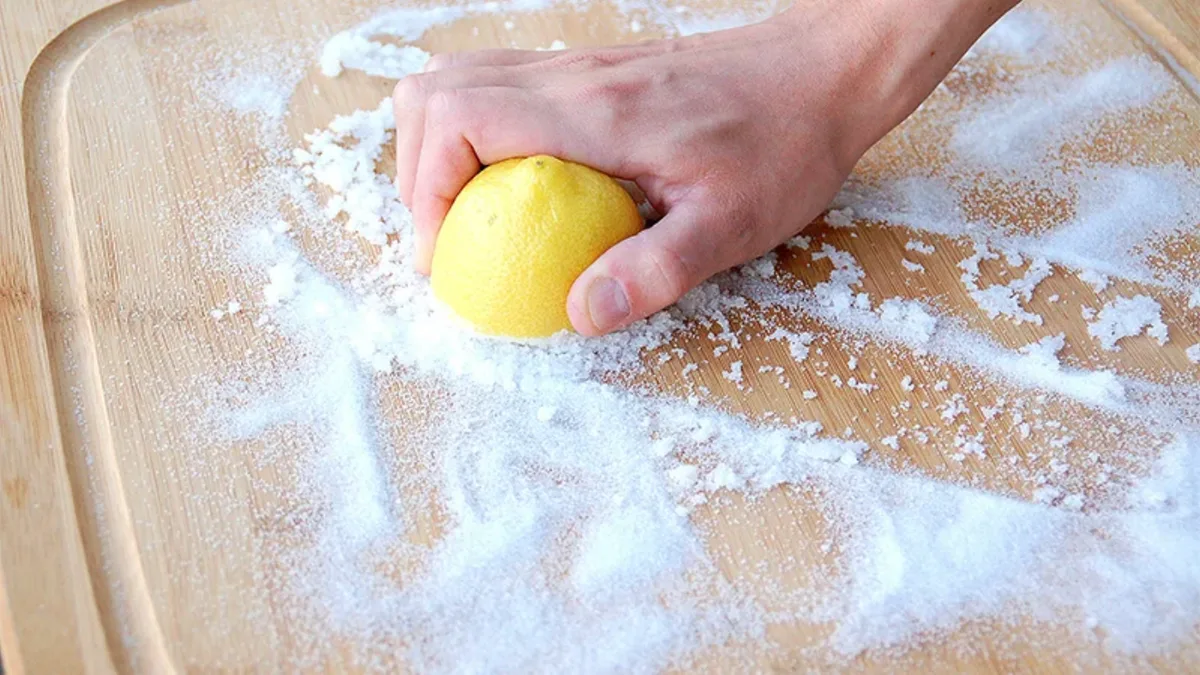
Image source: Bing (Web (fair-use with source credit))
- What you’ll need: Baking soda and a little water.
- How to do it:
- In a small bowl, mix baking soda with just enough water to form a thick paste. Aim for a consistency similar to toothpaste.
- Spread this paste evenly over the entire surface of your cutting board.
- Let the paste sit for at least 15-20 minutes. For very stubborn smells, you can leave it on for longer, even up to an hour. Baking soda works by absorbing and neutralizing odor molecules.
- Once the paste has had time to work, scrub it off with a damp sponge or cloth.
- Rinse the board thoroughly under warm running water to remove all traces of the baking soda paste.
- Ensure the board is completely dry before putting it away. This is crucial for preventing mildew.
Tackling Tough Odors: Garlic, Onion, and Fish
Sometimes, those pungent ingredients like garlic, onions, or strong-smelling fish can leave a scent that clings stubbornly to your cutting board. These smells are often oil-based and more deeply ingrained, requiring a slightly more targeted approach. The methods you use might differ slightly depending on whether your board is plastic or wood.
When Plastic Boards Need More
Plastic cutting boards are generally more durable and can handle slightly stronger cleaning agents without damage. For those persistent garlic or fish smells that the salt and baking soda methods didn't quite conquer, here are a couple of options.
- White Vinegar: The acetic acid in white vinegar is excellent at breaking down odor-causing compounds. Pour undiluted white vinegar onto the affected areas of the plastic board, or soak a paper towel in vinegar and lay it over the smellier spots for about 10-15 minutes. Afterwards, scrub with a brush or sponge, then rinse thoroughly.
- Hydrogen Peroxide (3% solution): For really tough smells on plastic, a dilute hydrogen peroxide solution can be effective. Pour a small amount directly onto the board, let it fizz for a minute or two, then gently scrub. It's important to rinse the board very, very thoroughly with water afterward to ensure no residue remains, as peroxide can be a harsh cleaner.
Keeping Wood Boards Fresh (Without Damage)
Wood cutting boards require a bit more gentle care. While they can absorb odors, harsh chemicals or prolonged soaking can dry them out, cause cracking, or warp the wood. The key is prompt action and avoiding excessive moisture.
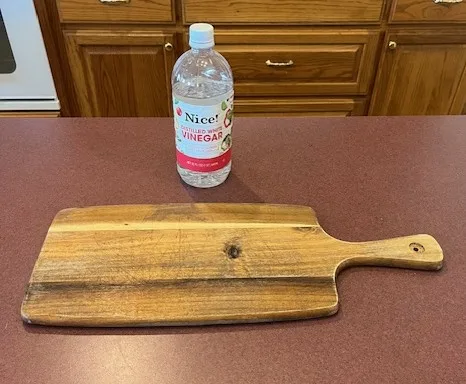
Image source: Bing (Web (fair-use with source credit))
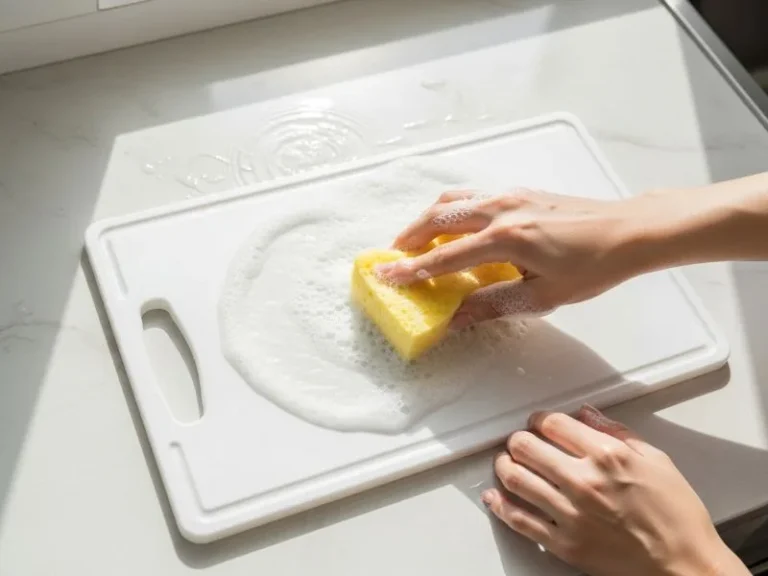
- Immediate Washing: The best defense is a good offense. Wash wood boards with mild soap and warm water immediately after use, especially after cutting strong-smelling items.
- Salt and Lemon/Vinegar: The salt and lemon scrub described earlier is often sufficient. If the smell persists, try the salt and white vinegar combination. Sprinkle salt, then drizzle white vinegar over it. Scrub gently, let it sit for 10-15 minutes, then rinse and dry thoroughly.
- Avoid Soaking: Never leave a wooden cutting board submerged in water. This is the quickest way to damage the wood. Quick rinses and immediate drying are essential. If your board feels dry or looks dull, it's time to re-season it with a food-grade mineral oil. This helps protect the wood and makes it less prone to absorbing smells.
When Odors Just Won't Budge
Sometimes, despite your best efforts with the usual suspects like salt, lemon, baking soda, or vinegar, a stubborn odor might still linger on your cutting board. This can happen if the odor has deeply penetrated the material or if the board is older and has absorbed smells over time. For wood boards, this might mean it's time for a more intensive refresh.
Gentle Sanding for Wood Boards
If a persistent odor is deeply embedded in a wooden cutting board, a light sanding can often remove the offending layer of wood and the smell with it. This is a more involved step, but it can bring an old board back to life.
- What you'll need: Fine-grit sandpaper (around 120-grit is usually sufficient) and a clean cloth.
- How to do it:
- Ensure the wood board is completely dry.
- Using the fine-grit sandpaper, gently sand the entire surface of the board. Focus more pressure on the areas where the odor is strongest. You're aiming to remove a very thin layer of wood.
- Wipe away all the sawdust with a clean, dry cloth.
- Wash the board with mild soap and warm water. Rinse it thoroughly.
- Allow the board to dry completely. Once dry, it's crucial to re-season the wood. Apply a generous coat of food-grade mineral oil (also called butcher block oil) and let it soak in for at least a few hours, or preferably overnight. Wipe off any excess oil. This protects the wood and prevents it from absorbing future odors as readily.
A Note on Bleach for Plastic Boards
For plastic cutting boards that have extremely stubborn odors or discoloration, a very diluted bleach solution can be considered as a last resort. However, this should be used with extreme caution and infrequent application, as bleach is a harsh chemical that can degrade plastic over time if used too often or too concentrated.
- How to use it (with caution): Mix approximately 1 tablespoon of household bleach with 1 quart (about 1 liter) of water. Wipe down the cutting board with this solution using a cloth or sponge. Let it sit for no more than 1-2 minutes. Rinse the board extremely thoroughly with plain water multiple times to ensure no bleach residue remains, as peroxide can be a harsh cleaner. Because of its potential to damage plastic and the critical need for thorough rinsing, this method is best reserved for situations where other options have failed and the board is otherwise in good condition.
Preventing Future Funk: Proactive Board Care
The best way to deal with cutting board odors is to prevent them from becoming a problem in the first place. Consistent, simple maintenance can keep your boards smelling fresh and hygienic for much longer, saving you the hassle of deep cleaning later.
- Wash Immediately: As soon as you're done using your cutting board, especially if you've cut items with strong smells or raw meats, give it a good wash. Don't let food particles sit and fester.
- Separate Boards: If you find certain smells are always a battle, consider having separate cutting boards. Many cooks use one board exclusively for raw meats to prevent cross-contamination and another for vegetables, fruits, and bread, which helps keep different odor profiles contained. This is a practice supported by food safety guidelines to minimize the spread of bacteria alongside odors.
- Dry Thoroughly: This is perhaps the most critical step for preventing mold, mildew, and general "stale" smells. After washing, always dry your cutting board completely. For wooden boards, stand them upright on their edge to allow air to circulate on all sides. Plastic boards can be air-dried on a rack or wiped dry with a clean towel. Never store a damp board.
- Regular Seasoning (Wood Boards): For wooden boards, a quick application of food-grade mineral oil every month or so can make a big difference. This replenishes the wood's natural oils, keeping it from drying out and becoming more porous, which in turn makes it less likely to absorb strong odors and stains. You can find food-grade mineral oil from most kitchen supply stores or online retailers.
FAQs About Cutting Board Odors
How long should I let cleaning agents sit on the board?
For most methods like salt, baking soda paste, or vinegar, letting them sit for 10-20 minutes is usually sufficient. For tougher odors, you might extend this time slightly, but always keep an eye on wood boards to prevent over-saturation.
Can I put my cutting board in the dishwasher?
Plastic cutting boards can often go in the dishwasher, but check the manufacturer's instructions. High heat and harsh detergents can warp or damage some plastics over time. Wooden cutting boards should never go in the dishwasher, as the prolonged exposure to water and heat will cause them to crack, warp, and degrade quickly.
What’s the best way to dry a cutting board?
The best way to dry any cutting board is to allow for air circulation. For wood boards, stand them upright on their edge. Plastic boards can be air-dried on a rack or thoroughly wiped with a clean towel.
Ensure the board is completely dry before storing it to prevent moisture buildup and potential odors or mold.