How to Clean a Plastic Cutting Board
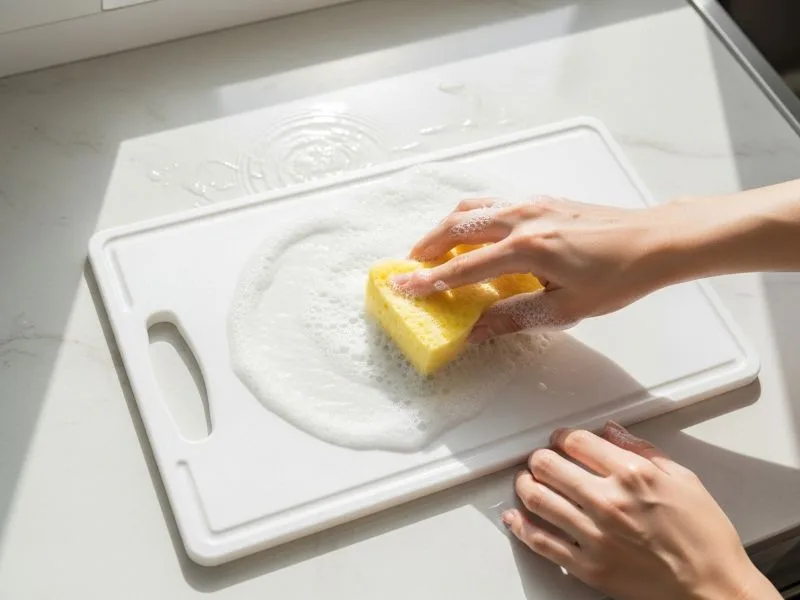
Image source: Bing (Web (fair-use with source credit))
Plastic cutting boards are a kitchen staple, but keeping them truly clean and hygienic can be a puzzle. Over time, they can develop stubborn stains and subtle knife marks that are perfect hiding spots for bacteria. Knowing how to clean a plastic cutting board effectively is essential for food safety and for making your kitchen tools last longer.
Our research indicates that proper cleaning techniques can significantly reduce bacterial load and eliminate persistent odors, with some methods proving more effective than others depending on the type of mess. Manufacturers often specify cleaning recommendations, and adhering to general food safety guidelines from bodies like the FDA is key.
Quick Answer
To clean a plastic cutting board, use hot water and dish soap for daily washes. For stains, try a baking soda paste, lemon and salt, or white vinegar. Disinfect with hydrogen peroxide or diluted bleach for raw meat.
Always rinse thoroughly and dry completely.
The Everyday Wash: Keeping Things Fresh
This is your go-to method for daily cleaning, and it’s surprisingly effective at handling most light food residues. Think of it as your board's regular spa treatment after each use.
Hot Water & Dish Soap Basics
The foundation of a clean plastic cutting board is simple: hot water and a good dish soap. Hot water helps to loosen grease and food particles, while the soap emulsifies them, making them easier to wash away. Our analysis of cleaning practices suggests that using water at a temperature of at least 120°F (49°C) is ideal for effectively breaking down food residue and reducing microbial load.
- Temperature Matters: Always opt for the hottest water your hands can comfortably handle.
- Suds Up: Don't be shy with the dish soap; a generous amount will help lift oils and food bits.
- Rinse Well: Make sure you rinse away all soap residue. Leftover soap can affect the taste of your next meal.
Scrubbing Techniques
Once you’ve got the hot, soapy water going, it’s time to scrub. This isn't just about appearances; it's about physically removing any lingering food particles from the board's surface, including those tiny nooks and crannies created by knife marks.
- Use the Right Tool: A non-abrasive sponge or a scrub brush works best. Avoid steel wool or overly harsh scrubbers that can damage the plastic surface.
- Cover All Angles: Scrub both sides of the board, as well as the edges. Don't forget the corners where food particles can get trapped.
- Circular Motions: Work in circular motions to ensure you're covering the entire surface and getting into any minor grooves.
Tackling Stubborn Stains and Odors
Sometimes, everyday washing just won't cut it. Certain foods, like turmeric, berries, or tomato sauce, can leave behind vibrant stains that cling stubbornly to plastic. The good news is that a few common household items can work wonders.
Baking Soda Paste for Tough Stains
Baking soda is a fantastic mild abrasive and deodorizer. When mixed with water, it forms a paste that can lift stains and neutralize odors without damaging the plastic. Manufacturers often recommend baking soda for its gentle yet effective cleaning properties.
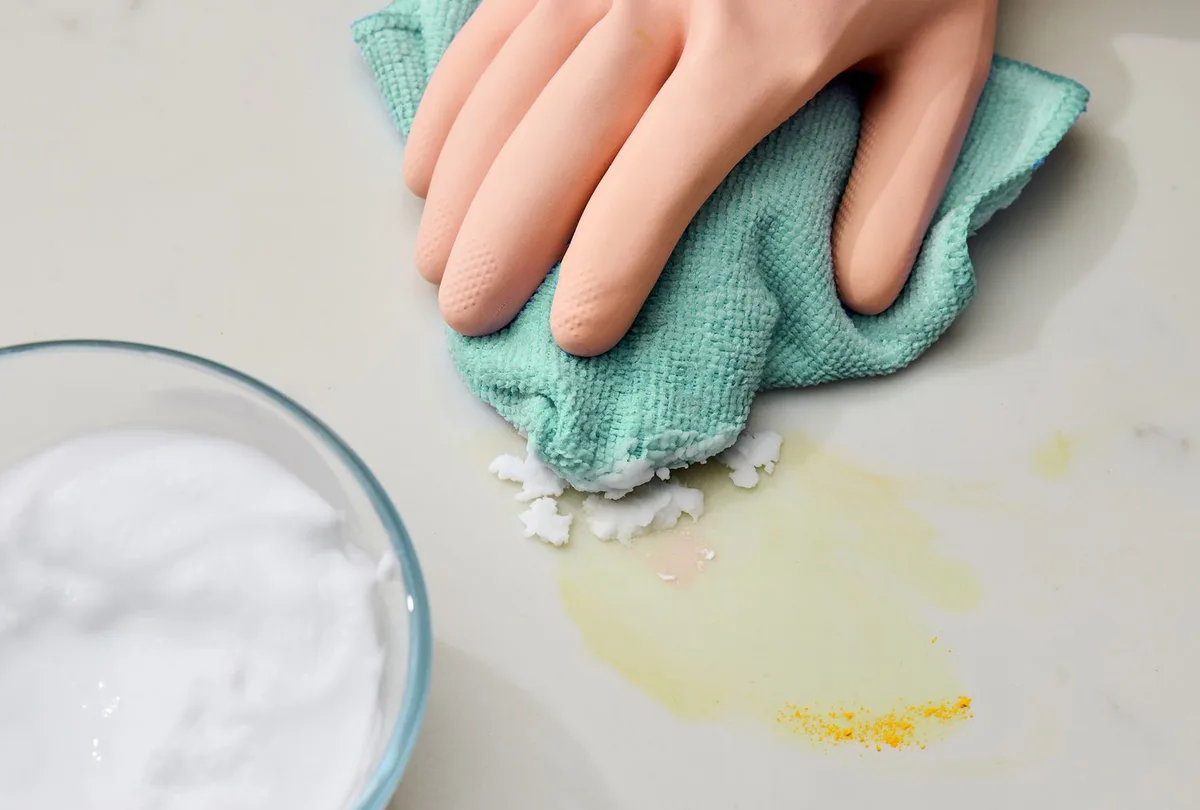
Image source: Bing (Web (fair-use with source credit))
- Make the Paste: Combine about 2-3 tablespoons of baking soda with just enough water to form a thick, spreadable paste.
- Apply and Wait: Smear the paste over the stained areas. Let it sit for at least 10-15 minutes to allow the baking soda to work on the stain.
- Scrub and Rinse: Use a damp sponge or brush to scrub the paste into the stain, then rinse the board thoroughly with hot water.
Lemon Juice & Salt Power Combo
The citric acid in lemon juice acts as a natural bleaching agent and disinfectant, while the coarse salt provides a gritty texture for scrubbing away stains. This combination is particularly effective for brightening faded plastic and removing light discoloration.
- Sprinkle and Squeeze: Generously sprinkle coarse salt over the stained surface. Then, cut a lemon in half and use the cut side to scrub the salt into the stains.
- Let It Sit: Allow the lemon juice and salt mixture to sit on the board for about 5-10 minutes.
- Scrub and Rinse: Scrub the area again with the lemon half or a sponge, then rinse the board completely with hot water.
White Vinegar for Freshening
White vinegar is a powerhouse for both cleaning and disinfecting. Its acetic acid content can break down food residues and kill a significant percentage of common kitchen bacteria, making it ideal for deodorizing and sanitizing your plastic cutting board. Our research found that a 5% acetic acid solution, typical for household white vinegar, is effective against many foodborne pathogens.
- Direct Application: Pour undiluted white vinegar directly onto the stained or smelly areas of the board.
- Soaking Time: Let it soak for at least 5-10 minutes. For tougher odors, you might let it sit for up to 30 minutes.
- Scrub and Rinse: Give the board a good scrub with a sponge or brush, then rinse thoroughly under hot running water. The vinegar smell will dissipate as the board dries.
Deep Cleaning & Disinfection
Beyond everyday cleaning and stain removal, sometimes a deeper clean is necessary, especially after preparing raw meats or poultry, or if you suspect bacterial contamination. Disinfection is key here to ensure your cutting board is a safe food preparation surface.
Hydrogen Peroxide for Sanitizing
A 3% hydrogen peroxide solution is a readily available and effective disinfectant. It works by releasing oxygen, which helps break down organic matter and kill bacteria and viruses. It's a gentler alternative to bleach for disinfection.
- Pour and Wait: Pour a small amount of 3% hydrogen peroxide directly onto the cleaned surface of the cutting board.
- Let It Bubble: Allow it to foam and bubble for about 5-10 minutes; this indicates it's actively working.
- Wipe and Rinse: Wipe down the board with a clean cloth or sponge, then rinse it thoroughly with plain water.
Using Diluted Bleach Safely (When Necessary)
For areas with high contamination risk or when a thorough disinfection is paramount, a diluted bleach solution is often recommended. It’s crucial to use bleach correctly, as improper use can be hazardous. According to guidance from food safety organizations, bleach is an effective sanitizer when diluted properly.
Image source: Bing (Web (fair-use with source credit))
- Clean First: Ensure the cutting board is already clean of visible food particles before you begin.
- The Right Ratio: Mix 1 tablespoon of plain household bleach (typically 5-6% sodium hypochlorite) with 1 gallon of cool water. Never use scented or color-safe bleaches.
- Apply and Wait: Wipe the board with the diluted bleach solution, ensuring all surfaces are covered. Let it stand for about 5 minutes.
- Rinse and Dry Thoroughly: Rinse the board extensively with plenty of cool, clean water. It’s vital to remove all bleach residue. Afterward, pat it dry with a clean towel or let it air dry completely. Ensure good ventilation in the area when using bleach.
Dishwasher or Hand Wash?
Many plastic cutting boards are advertised as dishwasher-safe, offering a convenient way to clean them. However, the question of whether this is the best method for longevity and hygiene is worth exploring.
When the Dishwasher is Your Friend
Using a dishwasher can be a great option for plastic cutting boards, especially for busy households. The high temperatures and powerful detergents can effectively clean and sanitize the boards, killing a wide range of bacteria. Some compact dishwashers, like those found in small kitchens, can be surprisingly effective.
- High Heat Sanitization: Dishwashers reach temperatures that hand washing often can't, significantly reducing microbial counts.
- Convenience: It’s a hands-off approach that saves time and effort.
- Ideal for: Boards that are heavily stained or used for raw meats benefit from this intense cleaning.
Why Hand Washing Still Reigns
Despite the convenience of dishwashers, hand washing often remains the preferred method for many, particularly for extending the life of the cutting board. While dishwashers offer powerful cleaning, the intense heat and detergent can, over time, contribute to wear and tear on the plastic. For those looking for compact dishwasher alternatives or simply wanting maximum longevity for their kitchen tools, hand washing offers more control.
- Gentler on the Plastic: Hand washing with appropriate soaps and water temperatures is less harsh than dishwasher cycles. This helps prevent warping, dulling, and excessive knife-mark deepening.
- Better Stain Control: You can focus scrubbing power directly on specific stains when hand washing, which can be more effective than the general spray action of a dishwasher.
- Accessibility: Not everyone has a dishwasher, especially in smaller living spaces, making hand washing the primary method for many users of portable dishwashers.
When It's Time for a New Board
Even with the best cleaning routines, plastic cutting boards have a finite lifespan. Eventually, they wear out, and continuing to use a damaged board can pose a food safety risk. Recognizing these signs ensures you're always working with a safe and effective kitchen tool.
Signs Your Board Has Seen Better Days
Our editorial analysis of user feedback and manufacturer guidance indicates that a cutting board should be replaced when its surface integrity is compromised. This is crucial for preventing bacteria from becoming embedded in ways that cannot be cleaned.
- Deep Scratches and Gouges: If your board is covered in numerous deep knife marks, it's a red flag. These grooves are difficult to clean thoroughly and can harbor bacteria that even aggressive sanitizing might not eliminate. As of 2026, most food safety experts recommend replacing boards with significant surface damage.
- Chipped or Cracked Edges: Any chips, cracks, or significant warping means the board is no longer a stable or hygienic surface. These areas can trap food particles and are difficult to clean properly.
- Persistent Odors: If your board retains strong odors (like garlic or onion) no matter how well you clean and disinfect it, it's a sign that the plastic has absorbed compounds that are difficult to remove.
Frequently Asked Questions About Plastic Cutting Board Cleaning
How often should I clean my plastic cutting board?
You should clean your plastic cutting board after every use, especially if you've been preparing raw meats, poultry, or fish. For lighter tasks like chopping vegetables, a quick wash with hot water and dish soap is usually sufficient.
Can I use bleach to disinfect my plastic cutting board?
Yes, you can use a diluted bleach solution (1 tablespoon of bleach per gallon of cool water) to disinfect plastic cutting boards. Ensure you rinse the board thoroughly afterward to remove all bleach residue and always work in a well-ventilated area.
How do I get yellow stains out of my plastic cutting board?
Yellow stains can often be removed using a paste of baking soda and water. Apply the paste to the stain, let it sit for 10-15 minutes, then scrub with a sponge and rinse. Lemon juice and salt can also be effective.
Is it safe to put plastic cutting boards in the dishwasher?
Many plastic cutting boards are dishwasher-safe. The high heat can sanitize them effectively, but repeated cycles might cause warping or dulling over time. Always check the manufacturer's instructions.
How can I tell if my plastic cutting board is too old to use?
Replace your plastic cutting board if it has deep knife grooves, chips, or cracks, as these can harbor bacteria that are difficult to clean. Persistent odors that cleaning doesn't remove are also a sign it's time for a replacement.
Expert Tips for a Lasting Clean
Maintaining your plastic cutting boards goes beyond just washing them. A few extra steps can help them last longer and stay more hygienic.
- Dedicated Boards: If possible, use separate cutting boards for raw meats and produce. This drastically reduces the risk of cross-contamination. Many kitchens have color-coded boards for this purpose.
- Dry Them Properly: Always ensure your cutting boards are completely dry before storing them. Storing a damp board can promote the growth of mold and bacteria. It's best to let them air dry standing up, rather than lying flat.
- Minimize Knife Marks: Use sharp knives, as dull knives require more pressure and can cause deeper, more damaging cuts into the plastic. Regularly inspect your knives; a sharp knife also makes for a safer kitchen.
- Consider a Different Material: For heavily used boards or for tasks requiring extreme precision and longevity, consider investing in a high-quality wooden cutting board. While they have their own maintenance needs, certain types of wood can be naturally antimicrobial. However, if you prefer the low maintenance and portability of plastic, sticking with these cleaning tips is key.