How to Clean a Cutting Board
The state of your cutting board directly impacts your kitchen's hygiene and the safety of the food you prepare. Knowing how to clean a cutting board properly, based on its material, is fundamental to preventing the spread of harmful bacteria. Our research shows that inconsistent cleaning can lead to cross-contamination issues, even in a home kitchen.
Understanding the right methods for different board types ensures they last longer and remain safe to use. For instance, the U.S. Food and Drug Administration (FDA) provides guidance on food safety practices, which includes maintaining clean food preparation surfaces.
We'll walk you through the essential steps to keep your cutting boards spotless and your kitchen healthy.
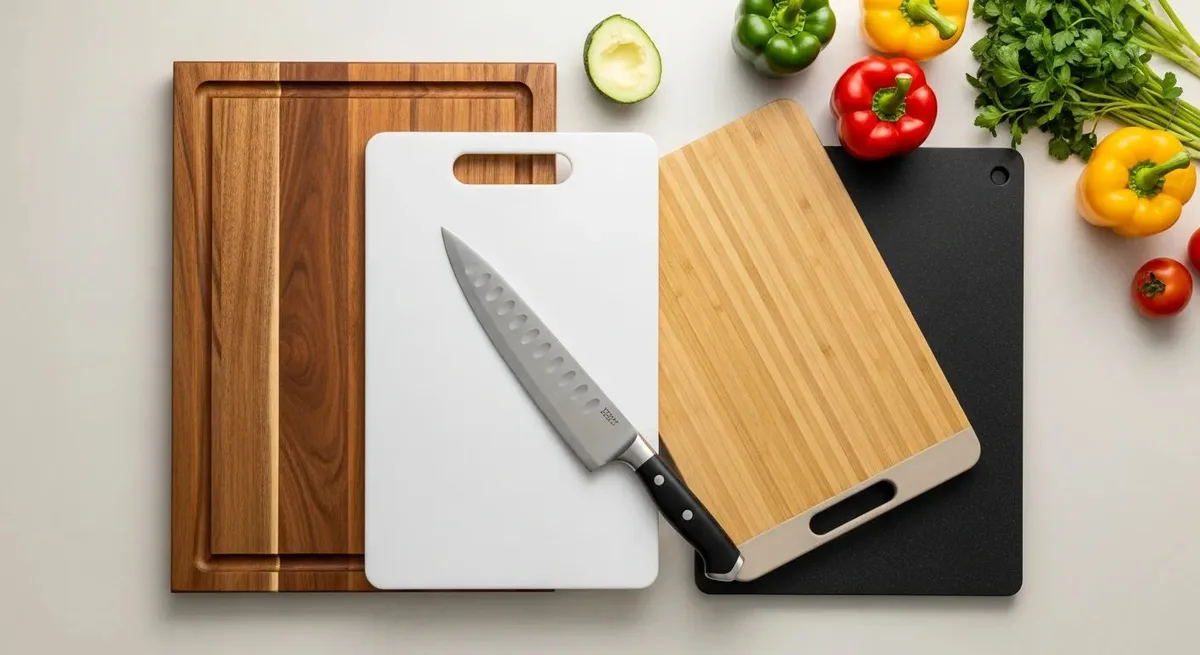
Image source: Bing (Web (fair-use with source credit))
When to Clean Your Cutting Board: The Quick Check
Always clean your cutting board immediately after use. If you've cut raw meat, poultry, or fish, sanitize the board before preparing anything else. For boards used only for produce, a good wash is usually sufficient unless visible food residue remains.
Cutting Board Cleaning: It Depends on the Material
The biggest factor in how you clean a cutting board is what it's made from. Wood, plastic, bamboo, and composite boards all have different needs and can be damaged by the wrong cleaning methods.
Wood & Bamboo Boards
Wood and bamboo cutting boards are popular for their natural beauty and how kind they are to knife edges. However, they are porous, meaning they can absorb liquids and harbor bacteria if not cared for properly. Aggressive scrubbing or prolonged soaking can cause them to warp, crack, or split.
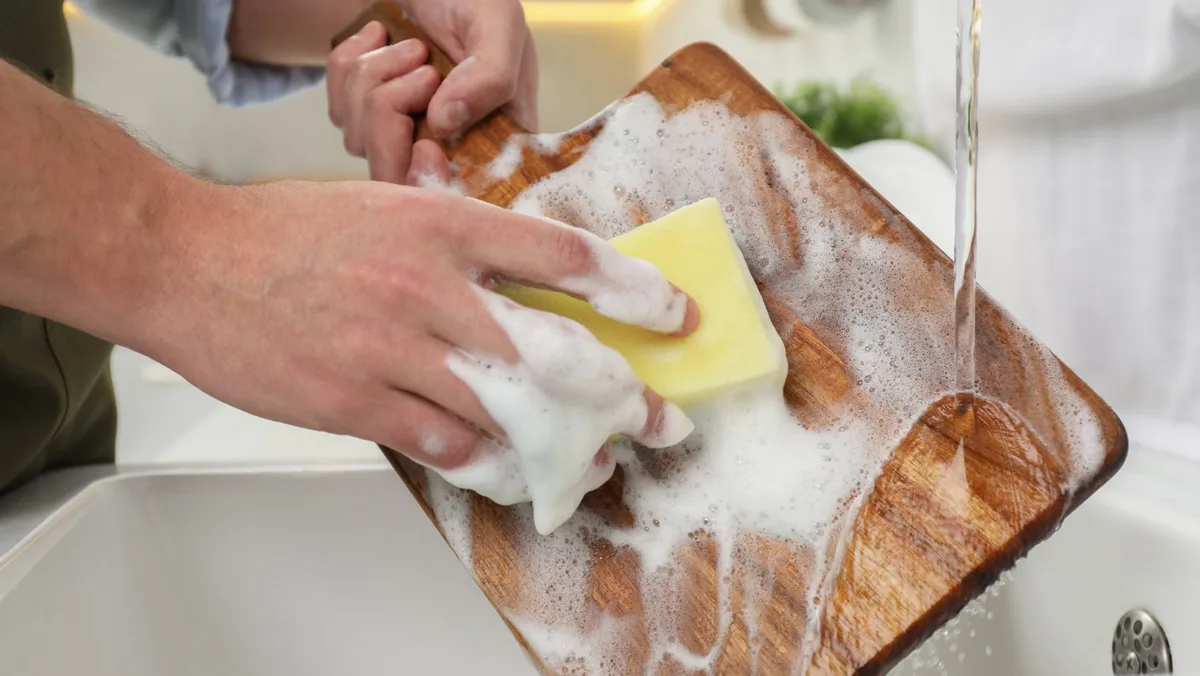
Image source: Bing (Web (fair-use with source credit))
- Porosity: These materials absorb moisture and can retain food particles and odors.
- Knife Friendly: Generally gentler on knife blades compared to plastic or glass.
- Maintenance: Requires regular oiling to prevent drying and cracking.
- Cleaning Caution: Avoid dishwashers and harsh chemical cleaners that can damage the wood.
Plastic & Composite Boards
Plastic and composite cutting boards are often chosen for their non-porous surfaces, making them generally easier to clean and sanitize. They are less susceptible to warping and cracking than wood. However, plastic boards can develop deep knife marks over time, which can trap bacteria.
- Non-Porous: Less likely to absorb liquids, making them easier to sanitize.
- Durability: Typically more resistant to warping and cracking than wood.
- Knife Wear: Can dull knives faster than wood or bamboo over time.
- Cleaning Flexibility: Many plastic boards are dishwasher safe, which can be a significant convenience.
The Daily Clean: Washing and Rinsing
Every time you finish using your cutting board, it needs a good wash. This is your first line of defense against lingering food particles and the buildup of germs. For most everyday tasks involving fruits, vegetables, or even cooked foods, a thorough wash with hot water and dish soap is sufficient.
- Scrub: Use a clean sponge or brush to scrub both sides of the board. Pay attention to any grooves or marks where food might be trapped.
- Rinse: Rinse the board thoroughly under hot running water to remove all soap residue and food bits.
- Dry: This is a crucial step. Stand the board upright or place it on a drying rack so both sides can air dry completely. Never store a damp cutting board, as this encourages bacterial growth. If you're in a rush, you can use a clean kitchen towel, but air drying is best.
This daily cleaning routine helps prevent odors and minimizes the risk of contamination between different types of food. If you're using a dishwasher, ensure your board is dishwasher-safe. Many plastic boards can go on the top rack of your dishwasher, which uses hot water and strong detergents to get them clean.
Always check the manufacturer's recommendations before putting any cutting board in the dishwasher, especially wooden ones.
Deep Cleaning: Tackling Tougher Jobs
Sometimes, a quick wash isn't enough. If your board has picked up stubborn stains, strong odors, or if you've used it for particularly pungent foods like garlic or onions, a deeper clean is necessary. This process goes beyond everyday washing to ensure a more thorough removal of residue.
For Wood & Bamboo
Wood and bamboo boards can benefit from a more intensive cleaning method that doesn't involve harsh chemicals or excessive water.
- Sprinkle with Salt: Cover the surface of the board with coarse salt. The salt acts as a gentle abrasive.
- Scrub with Half a Lemon: Use the cut side of a lemon half to scrub the salt into the board. The lemon's acidity helps lift stains and neutralize odors. You can squeeze some juice onto the board as you scrub.
- Let it Sit: Allow the salt and lemon mixture to sit on the board for about 5-10 minutes.
- Rinse and Dry: Rinse the board thoroughly with hot water and then dry it completely as you would after a daily wash.
This method is effective for both stain removal and deodorizing without damaging the wood. For very stubborn stains, you might need to repeat the process.
For Plastic & Composite
Plastic and composite boards can handle a bit more scrubbing power. If stains or odors persist after regular washing, you can try a paste of baking soda and water.
- Make a Paste: Mix baking soda with a small amount of water to create a thick paste.
- Apply and Scrub: Spread the paste over the stained or odorous areas of the board. Use a stiff brush or sponge to scrub it in.
- Let it Sit: Let the paste sit for about 10-15 minutes to work on the stain or odor.
- Rinse and Dry: Rinse the board thoroughly with hot water and dry it completely.
This baking soda paste is a mild abrasive and a natural deodorizer, making it safe for plastic surfaces.
Sanitizing: Killing Those Germs
While regular washing and deep cleaning remove debris, sanitizing is what kills harmful bacteria and viruses. This is especially critical after cutting raw meat, poultry, or fish to prevent cross-contamination that could lead to foodborne illnesses. For this step, we often turn to household disinfectants or very hot water.
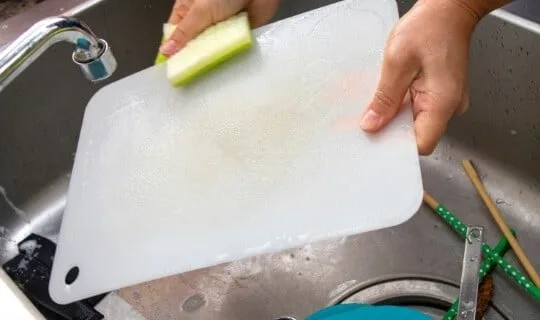
Image source: Bing (Web (fair-use with source credit))
The goal is to reduce the number of potentially harmful microorganisms to safe levels. According to food safety guidelines, surfaces that come into contact with raw animal products need more than just a wash.
Here are a few effective ways to sanitize your cutting boards:
- Hot Water and Soap (for light sanitizing): For surfaces that haven't touched raw meat, a very hot wash cycle in a dishwasher can often sanitize. For hand washing, use the hottest water possible and plenty of dish soap.
- Vinegar: White vinegar is a mild acid that can kill some bacteria. After washing, you can wipe down the board with undiluted white vinegar. Let it air dry.
- Diluted Bleach Solution: This is one of the most effective methods for sanitizing, especially for plastic boards.
- Mix: Combine 1 tablespoon of unscented liquid chlorine bleach with 1 gallon of water. Always use unscented bleach to avoid transferring chemicals to food.
- Apply: Wipe the board thoroughly with the bleach solution using a clean cloth or sponge. Ensure all surfaces are covered.
- Rinse: Let the solution sit on the board for at least 1-2 minutes, then rinse thoroughly with clean water.
- Dry: Allow the board to air dry completely.
- Hydrogen Peroxide: A 3% hydrogen peroxide solution can also be used as a sanitizer. Spray it onto the board, let it sit for a few minutes, then rinse and dry.
Important Note: Always rinse thoroughly after using any cleaning agent, especially bleach, to ensure no residue is left behind on the board. For wood boards, use sanitizing methods sparingly and ensure they are dried immediately and thoroughly to prevent damage.
Seasoning & Maintenance: Keeping Boards Healthy
Proper maintenance ensures your cutting boards, especially those made of wood or bamboo, last a long time and continue to perform well. This involves more than just cleaning; it's about protecting the material itself.
For Wood & Bamboo
Wood and bamboo cutting boards need regular conditioning to prevent them from drying out, cracking, or warping. This is similar to how you'd care for other wooden items exposed to moisture.
- Oiling: Use a food-grade mineral oil specifically designed for cutting boards. Avoid vegetable oils like olive or canola oil, as they can go rancid.
- Apply: Pour a generous amount of oil onto the clean, dry board.
- Spread: Use a clean cloth or paper towel to spread the oil evenly over all surfaces, including the edges.
- Soak: Let the oil soak into the wood for at least a few hours, or preferably overnight.
- Wipe Excess: Wipe off any excess oil with a clean, dry cloth.
- Frequency: For boards used daily, oil them about once a month. If you notice the wood looks dry or lighter in color, it's time for an oiling.
- Waxing (Optional): For added protection, you can apply a beeswax or board cream mixture after oiling. This creates a water-resistant barrier.
Properly seasoned wood boards will repel water better, making them easier to clean and less prone to staining and bacteria absorption. This regular upkeep is key to maintaining their integrity and appearance.
For Plastic & Composite
Plastic and composite boards don't require oiling, but regular inspection is still a good idea.
- Check for Damage: Periodically inspect the board for deep scratches, gouges, or cracks. If the board is heavily scored, especially on plastic, it's time to replace it. These marks can harbor bacteria that are difficult to remove completely, even with thorough cleaning and sanitizing.
Common Cutting Board Cleaning Mistakes to Dodge
Even with good intentions, it's easy to fall into habits that aren't ideal for your cutting boards. Some common mistakes can actually damage the board or, worse, compromise your kitchen's hygiene. Avoiding these pitfalls will help you maintain both clean boards and safe food preparation.
- Putting Wood in the Dishwasher: This is probably the most frequent error. The high heat and prolonged exposure to water will cause wood boards to warp, crack, and split. Plastic boards are often dishwasher-safe, but wood is not.
- Using Harsh Chemicals on Wood: Strong chemical cleaners can strip the natural oils from wood, making it dry and brittle. Stick to gentle methods like salt and lemon or specific wood cleaners for wood boards.
- Leaving Boards Wet: Never store a cutting board while it's still damp. This creates a breeding ground for bacteria and mold. Always ensure boards are completely dry before putting them away.
- Using the Same Board for Everything: Ideally, you should have separate cutting boards for raw meats and produce. If that's not possible, be extremely diligent about sanitizing the board after handling raw meat before using it for vegetables or fruits. This prevents cross-contamination.
- Ignoring Deep Scratches: On plastic boards, deep knife marks can trap food particles and bacteria. If a board is excessively grooved, it's time to replace it.
Cutting Board Cleaning FAQ
How often should I clean my cutting board?
You should clean your cutting board immediately after each use. For boards used with raw meat, poultry, or fish, sanitizing after washing is also crucial before the next use.
Can I put my wooden cutting board in the dishwasher?
No, never put a wooden cutting board in the dishwasher. The prolonged exposure to hot water and detergent will cause it to warp, crack, and split, significantly shortening its lifespan.
What’s the best way to get rid of smells from my cutting board?
For wood or bamboo boards, try scrubbing with coarse salt and half a lemon. For plastic boards, a paste of baking soda and water can help neutralize odors. Afterward, always rinse thoroughly and dry completely.
How do I know when to replace my cutting board?
You should replace your cutting board if it has deep, persistent cuts or grooves that are hard to clean, if it has significant warping or cracking, or if it has developed permanent stains or odors that cannot be removed. For plastic boards, heavily scored surfaces are a sign it's time for a replacement.
Is it okay to use a cutting board after it's been used for raw chicken?
Yes, but only after you have thoroughly washed and sanitized it. For raw poultry, a diluted bleach solution (1 tablespoon unscented bleach per gallon of water) is a highly effective sanitizer for plastic or composite boards. Always rinse thoroughly after sanitizing.