How to Clean Pressure Cooker
Learning how to clean your pressure cooker is key to keeping it safe and performing at its best. Food residue, steam, and oils can build up over time, affecting everything from cooking times to the cooker's lifespan. Regular cleaning ensures your meals are cooked perfectly every time.
Proper maintenance not only keeps your appliance looking good but is essential for its safe operation. Manufacturer specifications often detail cleaning procedures to maintain safety features like pressure release valves and sealing rings.
Quick Answer
To clean your pressure cooker, wash the pot with warm, soapy water. Remove and clean the lid's sealing ring and valves with mild soap. Ensure all parts are dry before reassembly.
Avoid abrasive cleaners and harsh scrubbing.
Why Visuals Matter for Pressure Cooker Cleaning
When you're trying to figure out how to clean your pressure cooker, sometimes text alone just doesn't cut it. You've got parts like the sealing ring, the float valve, and the pressure vent, and seeing exactly where to scrub or what a clean version of each looks like can make all the difference. Manufacturer specifications often include diagrams, and understanding these visual cues helps ensure you're cleaning effectively and safely.
Getting a Grip on the Parts
Before you even pick up a sponge, it's helpful to know what's what. Your pressure cooker lid has several key components that need regular attention. The sealing ring, often made of silicone or rubber, is crucial for creating that airtight seal.
Then there's the pressure valve, which regulates steam release, and the float valve, which pops up to indicate when the cooker is pressurized. Each plays a specific role, and keeping them clean is vital for both performance and safety.
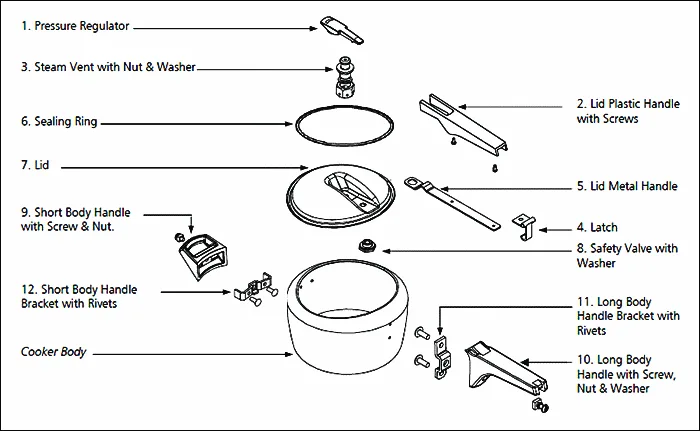
Image source: Bing (Web (fair-use with source credit))
Cleaning the Pressure Cooker Pot: Inside and Out
The main pot is usually the most straightforward part to clean. After your cooking is done and the pressure has completely released, a critical safety step, you can usually wash it with warm, soapy water, just like any other pot.
- For Stuck-On Food: If you encounter stubborn bits, a paste made from baking soda and water can work wonders. Apply the paste, let it sit for 15-20 minutes, then gently scrub with a non-abrasive sponge. This method is gentle on the pot's material, whether it's stainless steel or a non-stick coating.
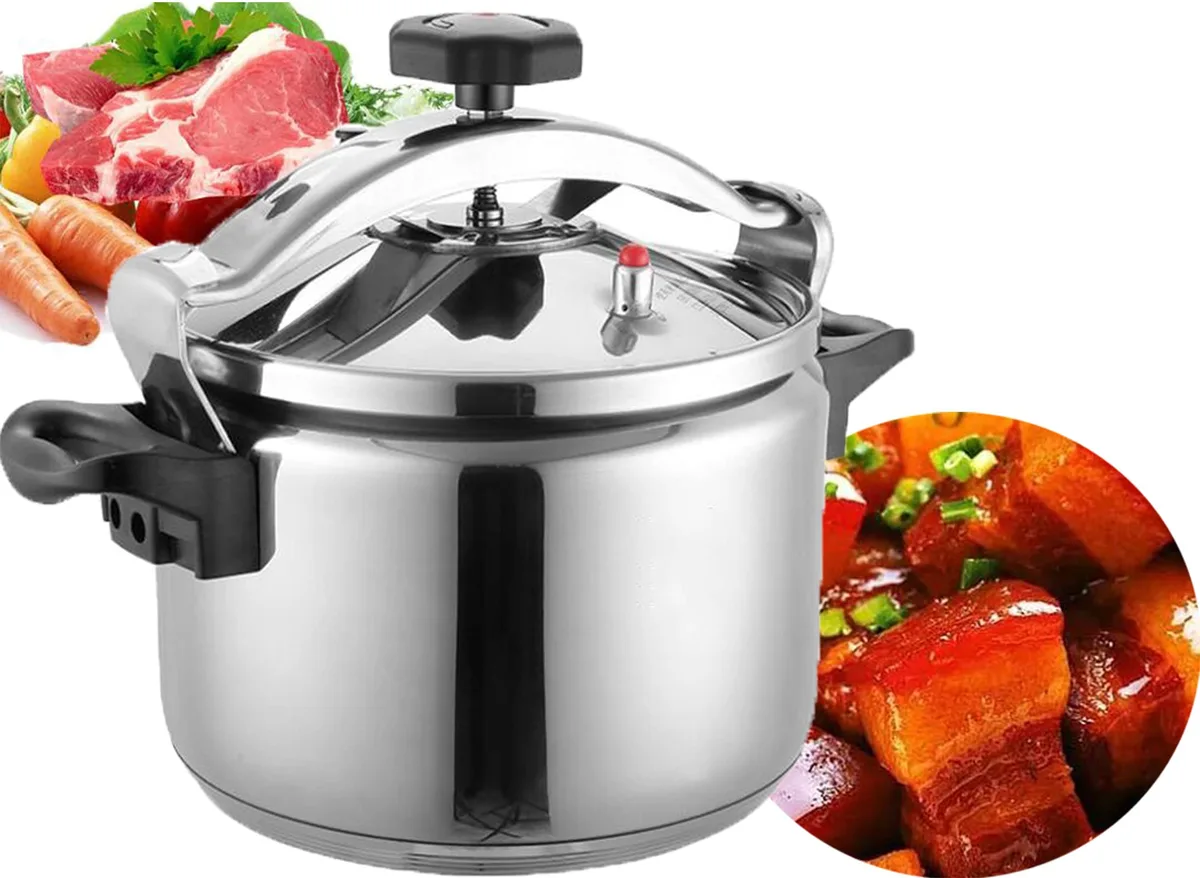
Image source: Bing (Web (fair-use with source credit))
Aggregate reviews report that this baking soda method is effective for most common cooking residues. For exterior cleaning, a damp cloth with mild dish soap is usually sufficient, followed by thorough drying to prevent water spots and corrosion.
Tackling the Lid: Sealing Rings, Valves, and More
The lid requires a bit more attention. The sealing ring, in particular, can trap odors and food particles.
- Sealing Ring Removal: Most rings can be gently pulled off the inside of the lid.
- Cleaning the Ring: Wash it thoroughly with warm, soapy water. If it’s holding onto strong smells, try soaking it in a 50/50 solution of white vinegar and water for about an hour. Some users also find cleaning it with a basic white toothpaste helps remove lingering odors. Manufacturer specifications often recommend hand-washing the sealing ring to preserve its elasticity.
- Valve Inspection: Gently check the pressure valve and float valve. Ensure they move freely and aren't blocked by debris. You can typically clean around these with a damp cloth.
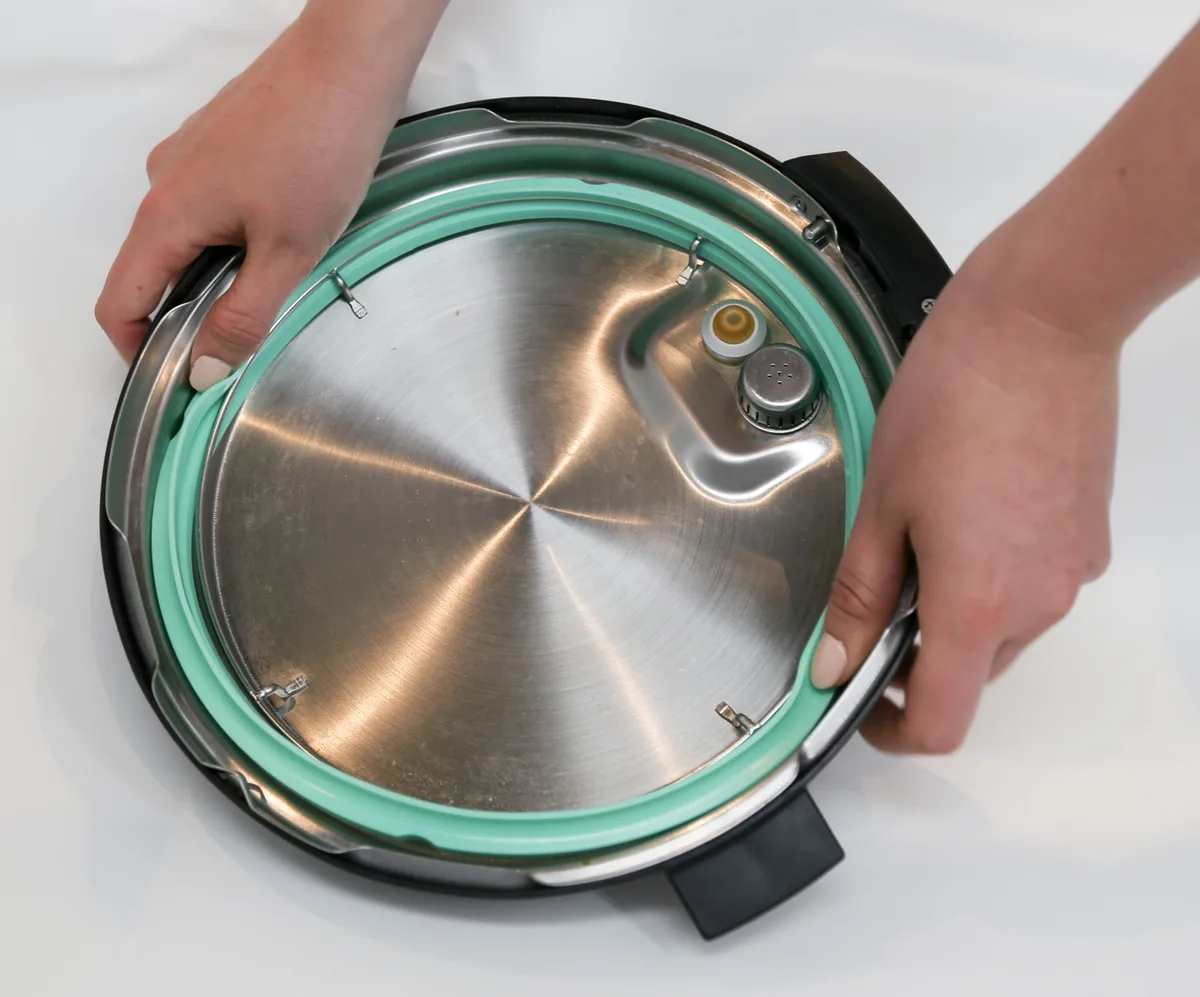
Image source: Bing (Web (fair-use with source credit))
It's crucial that these components are spotless for the cooker to vent and seal correctly. For instance, some standards, like those outlined by ASME, emphasize the importance of unobstructed venting mechanisms for safe operation.
Those Tricky Spots: Rims, Edges, and Vents
Don't overlook the less obvious parts. The rim of the pot and the inner edges of the lid are prime spots for tiny food particles and grease to accumulate.
- Rim Cleaning: Use a damp cloth or a soft-bristled brush to wipe down the rim of the inner pot. An old toothbrush works well for getting into tighter corners.
- Lid Edges: Similarly, wipe the underside of the lid's rim where it meets the pot.
- Vent Cleaning: If your pressure cooker has a specific steam vent, ensure it's clear. You might need a small brush or a toothpick to dislodge any stubborn bits, being careful not to force anything or damage the vent.
A clogged vent is a serious safety hazard, preventing proper pressure release. Per manufacturer guidelines, a clear vent ensures the cooker operates within safe pressure parameters, typically rated to withstand pressures exceeding 200 kPa for stovetop models.
Common Pressure Cooker Cleaning Mistakes to Avoid
When learning how to clean your pressure cooker, it's easy to make a few common missteps that can harm your appliance or compromise its safety. One of the biggest errors is using abrasive cleaners like steel wool or harsh scouring pads. These can scratch the pot's interior and exterior surfaces, damaging the material and making it harder to clean in the future.
They can also degrade the sealing ring over time.
Another mistake is neglecting the sealing ring and valves. These parts are critical for safe operation and good cooking results. If left dirty, they can harbor bacteria, trap odors, and prevent the cooker from sealing properly.
For example, residue buildup on the float valve can stop it from moving freely, which is a direct safety concern. Aggregates of user feedback suggest that odor retention in the sealing ring is a frequent complaint, often stemming from infrequent or improper cleaning.
Forgetting to dry parts thoroughly before reassembly is also a common oversight. While electric pressure cooker lids are not typically submersible, moisture left on metal parts can lead to water spots or even corrosion over time. For stovetop models, ensuring all components, especially the lid and its mechanisms, are completely dry helps prevent rust and maintains the integrity of the seal.
Always refer to your specific model’s manual for precise care instructions.
Pressure Cooker Maintenance for Longevity
Keeping your pressure cooker in top shape goes beyond just cleaning it after each use. Regular maintenance as outlined by manufacturer specifications can significantly extend its lifespan and ensure consistent performance. This includes periodic checks of the sealing ring and valves, not just for cleanliness, but for signs of wear and tear.
As of 2026, many manufacturers recommend inspecting the sealing ring every few months, depending on usage frequency. If the ring appears cracked, brittle, or permanently deformed, it’s time for a replacement, as a faulty seal can lead to inefficient cooking and safety issues. Similarly, check that all valves move freely and are free of obstructions.
This proactive approach prevents minor issues from becoming major problems.
For electric pressure cookers, keep the exterior and the heating element (if accessible) clean and free of debris. A clean heating element ensures efficient energy transfer, which is crucial for proper cooking. For stovetop models, inspecting the base for any warping or damage can prevent uneven heating.
Some resources, like those from appliance standards bodies, suggest regular visual checks of all components to identify potential problems before they impact performance. This careful attention ensures your investment continues to serve you well for years.
Safety First: Essential Warnings for Cleaning
When you're cleaning your pressure cooker, safety should always be your top priority. The most critical rule is to never attempt to clean any part of the pressure cooker while it is still pressurized. Always ensure all pressure has been completely released and the cooker has cooled down sufficiently before you begin any cleaning process.
This is a fundamental safety guideline emphasized by all reputable manufacturers and standards organizations.
Another crucial warning involves the use of cleaning agents. Avoid harsh chemicals, bleach, oven cleaners, or abrasive scouring pads. These can damage the cooker's materials, including the pot's non-stick coating (if applicable) and the vital sealing ring.
Damage to these components can compromise the cooker's ability to seal properly, leading to dangerous pressure build-up or failure to cook food effectively. For example, the U.S. Food and Drug Administration (FDA) advises using only mild detergents on food-contact surfaces to prevent chemical leaching.
Finally, be mindful when cleaning the pressure release valve and float valve. These are precision components designed for safety. Never force them, and if you find a blockage that you cannot easily clear with gentle methods, consult your user manual or contact the manufacturer.
Some manuals suggest that if a valve is persistently sticking or appears damaged, it might need professional servicing or replacement to ensure the cooker meets safety standards, such as those tested by UL or ETL.
FAQs About Pressure Cooker Cleaning
How often should I clean my pressure cooker?
You should aim to clean your pressure cooker after each use. This prevents food residue and odors from building up, ensuring optimal performance and safety for your next meal. A quick wash of the pot and lid with warm, soapy water is usually sufficient.
Can I put my pressure cooker lid in the dishwasher?
Most electric pressure cooker lids are not dishwasher safe due to electronic components. Many stovetop pressure cooker lids can be hand-washed, but it’s best to check your manufacturer’s manual. The sealing ring, however, is often dishwasher safe, but hand-washing can help preserve its lifespan and prevent odor absorption.
How do I get rid of strong odors from the sealing ring?
To remove stubborn odors from the sealing ring, try soaking it in a solution of equal parts white vinegar and water for about an hour. After soaking, wash it thoroughly with warm, soapy water. Some find that cleaning it with a paste of basic white toothpaste can also neutralize persistent smells.
Ensure it's completely dry before reinserting.
What should I do if my pressure cooker's valve is stuck?
If your pressure cooker's valve feels stuck or won't move freely, do not force it. First, ensure the cooker is completely cool and depressurized. Gently try to clean around the valve with a damp cloth or a soft brush.
If the blockage persists, consult your owner's manual for specific troubleshooting steps. Persistent issues with valves may require professional attention or replacement of the part.
When is it time to replace my pressure cooker's sealing ring?
You should consider replacing your sealing ring if you notice any visible damage, such as cracks, tears, or hardening. If the ring no longer creates a tight seal, or if it retains strong odors that cleaning cannot remove, it's also time for a new one. A worn-out sealing ring can affect cooking times and compromise safety.





2 Comments