Slow Cooker Overheating
You’ve probably been there: dinner is supposed to be happily simmering away, but something feels off. Maybe your food is cooking way too fast, or the outside of the appliance feels unnaturally hot. Dealing with a slow cooker overheating can be a real bummer, turning your easy meal into a potential disaster.
Our research shows that many home cooks encounter this issue, and understanding the common causes can save your meal and your appliance. For instance, manufacturer specifications indicate that most slow cookers operate between 200°F and 300°F (93°C and 149°C) on high, and 170°F to 200°F (77°C to 93°C) on low, so a little warmth is normal, but excessive heat is not.
Quick Answer
A slow cooker overheats primarily due to a poor lid seal, incorrect fill levels, or setting errors. Addressing these common issues often resolves the problem. Ensure the lid fits snugly, the insert is half to two-thirds full, and the correct setting is selected.
If problems persist, the heating element or thermostat may be faulty.
Is Your Slow Cooker Really Overheating? Spotting the Signs
It’s easy to jump to conclusions, but let's make sure we're dealing with actual overheating. Slow cookers are designed to generate heat for cooking food slowly and thoroughly. However, there’s a distinct difference between a machine doing its job and one that’s gone haywire.
Common Indicators of Excessive Heat
If you’re noticing a few of these signs, it's time to investigate further:
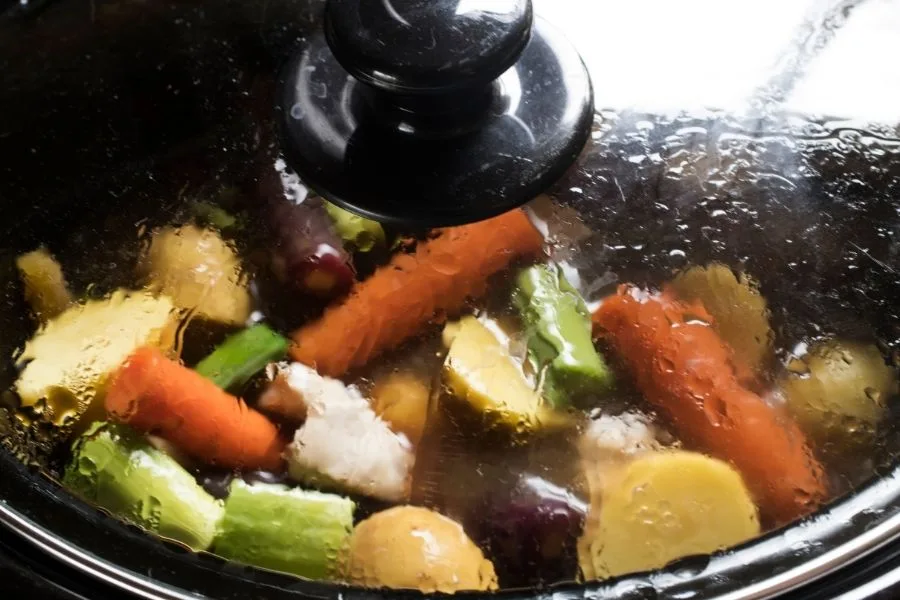
- Food Cooks Too Quickly: Your usual low and slow recipe is done in half the time, or the edges are burnt while the center is still undercooked. This indicates the internal temperature is climbing much faster than intended.
- Excessive, Violent Steaming: A gentle wispy steam is normal. If you’re seeing a powerful, continuous blast of steam escaping the lid, it suggests the contents are boiling aggressively, not simmering gently.
- Unusual Smells: While cooking aromas are expected, a strong smell of burning plastic, rubber, or electrical components is a serious warning sign. This could indicate internal component failure.
- Exterior Feels Dangerously Hot: The sides and base of a slow cooker can get warm during operation, but they shouldn't be too hot to touch briefly. If you’re concerned about getting burned, something is likely wrong with the heat regulation.
- Food Scorch Marks: Consistent scorching or burning on the bottom and sides of the stoneware insert, even with sufficient liquid, points to excessive, uncontrolled heat.
If any of these symptoms are present, it’s crucial to investigate the possible causes before your next use.
Troubleshooting Your Overheating Slow Cooker: A Step-by-Step Guide
When your slow cooker starts acting like a furnace, it’s time for some detective work. Most overheating issues stem from simple, fixable problems that don't require a repair person. We’ll walk through the most common culprits, starting with the easiest to check.
1. Check the Lid: The Most Frequent Culprit
The lid on your slow cooker is arguably its most important component for proper function. It's designed to trap heat and moisture, creating a consistent cooking environment. If this seal is broken, the appliance has to work overtime to maintain temperature, often leading to overheating.
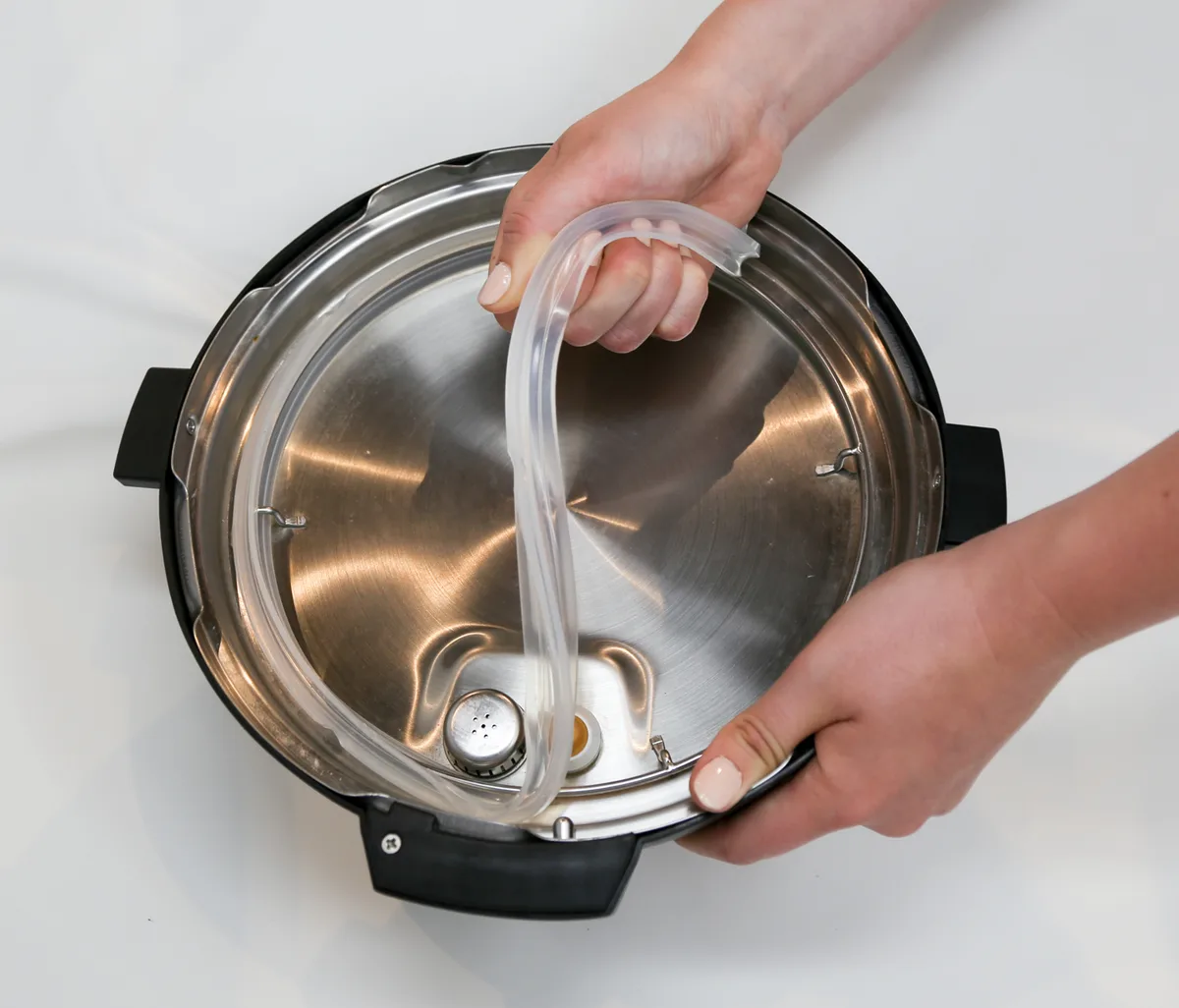
- Look for Damage: Inspect the lid for any chips, cracks, or warping, especially around the rim. Even a small imperfection can break the seal.
- Ensure Proper Seating: Make sure the stoneware insert is correctly positioned within the base unit. Sometimes, it can shift slightly, preventing the lid from sealing flat.
- Cleanliness Matters: Debris, food particles, or dried-on residue on the rim of the stoneware insert or the inside of the lid can prevent a tight seal. Wipe both surfaces clean before placing the lid.
If the lid itself is damaged beyond repair, you might need to purchase a replacement. Check the manufacturer's website for compatible parts. A loose or damaged lid forces the heating element to work harder, often resulting in uneven cooking and potential overheating.
2. Fill Level: Is It Too Full or Too Empty?
The amount of food or liquid in your slow cooker significantly impacts how it heats and cooks. Slow cookers are most efficient when they are filled to about half to two-thirds of their capacity.
- Overfilling: Stuffing the slow cooker to the brim restricts heat circulation. Food at the top may not cook properly, forcing the unit to generate more intense heat at the bottom to compensate, leading to scorching and uneven cooking. It’s like trying to steam a giant roast in a small pot; heat can’t get to everything.
- Underfilling: Conversely, if the insert is too empty, there isn't enough mass to absorb and distribute the heat evenly. The heating elements can then overheat the stoneware itself, causing food to cook too quickly and dry out. This can also lead to the appliance overheating without sufficient content to regulate it.
When cooking, always aim for that sweet spot of half to two-thirds full. If you have a small amount of leftovers, consider using a smaller slow cooker or a different cooking method.
3. Recipe Review: Liquid & Ingredient Density
What you put inside your slow cooker matters as much as how much. Certain recipe components can directly influence cooking temperature and speed.
- Excess Liquid: While slow cookers work with moisture, too much liquid can cause the contents to boil vigorously instead of simmering gently. This rapid boiling creates excessive steam and can accelerate cooking times, making it seem like the cooker is overheating. Recipes often provide a specific liquid range for a reason.
- Dense Ingredients: Very large or dense ingredients, like whole root vegetables or large cuts of meat, require more time to cook through. If they are cut too large, the exterior might overcook or burn before the interior is done, suggesting uneven and potentially excessive heat application.
Tip: For more even cooking, especially with root vegetables, cut them into uniform, bite-sized pieces. If a recipe calls for a lot of liquid, and you're using a small slow cooker, you might consider reducing it slightly or cooking on the "Low" setting for a longer duration.
4. Setting Check: Low vs. High Accuracy
It sounds basic, but hitting the wrong setting is a common mistake that can quickly lead to perceived overheating. Slow cookers have distinct temperature outputs for their "Low" and "High" settings, and using the wrong one can drastically alter cooking outcomes.
- The "High" Setting: This setting brings food to a simmer temperature faster, typically in about 3-4 hours. It's useful when you're short on time, but it generates more intense heat.
- The "Low" Setting: This is the traditional slow cooker setting, bringing food to a gentle simmer over 6-8 hours. It provides a more forgiving cooking environment.
Mistake to Avoid: Accidentally setting your cooker to "High" when a recipe specifies "Low" will cause your food to cook much faster and potentially scorch. Always double-check the dial or digital display before you start your cooking cycle. If a recipe isn't specific, generally assume "Low" is the default for extended cooking periods.
For instance, recipes designed for 8 hours on Low will likely burn if cooked on High for the same duration.
When to Suspect a Faulty Part: Heating Element or Thermostat
If you’ve checked the lid seal, fill level, recipe, and settings, and your slow cooker still seems to be overheating, it's time to consider that an internal component might be failing. This is less common than the issues above, but it's a definite possibility.
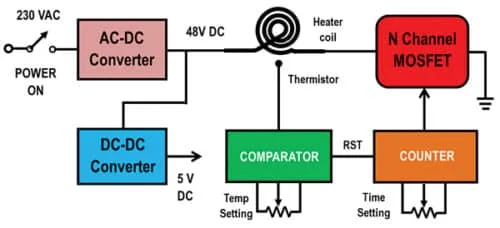
- Faulty Heating Element: The heating element(s) are responsible for generating the heat. If one is malfunctioning, it might be delivering too much power or generating heat unevenly and excessively. This could lead to scorching on one side of the insert or generally higher-than-normal temperatures across the unit.
- Malfunctioning Thermostat: The thermostat's job is to regulate the temperature, cycling the heating element on and off to maintain the set heat level. If the thermostat is broken, it might fail to turn off the heating element, causing the slow cooker to continuously heat up beyond its safe operating range. Aggregate user reviews report this as a cause of "runaway" heat.
What to Look For: If your slow cooker consistently burns food on the lowest setting, or if the exterior becomes excessively hot to the touch even after a short period of use, it’s a strong indicator of a component failure. Per standards for kitchen appliances, uncontrolled heat can pose a safety risk. If you suspect a faulty part, it's often safer and more cost-effective to replace the unit, especially if it's an older model or not under warranty.
Essential Slow Cooker Usage for Preventing Overheating
Preventing your slow cooker from overheating is mostly about understanding how to use it correctly from the start. These appliances are designed for consistent, gentle cooking, but they rely on proper usage to maintain that performance. Adhering to a few key practices can significantly reduce the chances of encountering overheating issues.
Best Practices for Consistent Cooking
- Know Your Cooker's Capacity: Always check the manufacturer's recommended fill level. For most 5-quart or 6-quart models, filling to about 4 to 5 quarts is ideal. This ensures enough food mass to absorb heat and prevent the stoneware from getting excessively hot.
- Preheating (When Recommended): Some recipes or manufacturers suggest preheating the slow cooker. If yours does, follow that guidance. Preheating helps the unit reach its target temperature more efficiently and evenly, reducing the strain of a sudden cold load. Our research suggests preheating can improve temperature consistency for recipes that demand it.
- Don't Overload the Settings: As discussed, always double-check that you've selected the correct "Low" or "High" setting. Avoid using "High" for recipes that require long, slow cooking times, as this can quickly lead to scorching and overheating. If you're unsure, err on the side of "Low." This is similar to how budget slow cookers might not regulate temperature as precisely as higher-end models, making correct setting selection even more critical.
- Stirring and Checking: While slow cookers are "set it and forget it," occasional stirring, especially in the first hour or two, can help distribute heat and prevent hot spots. If you're cooking something prone to sticking or burning, a quick check can alert you to potential issues early on.
By integrating these simple habits into your cooking routine, you can help ensure your slow cooker performs reliably and safely, avoiding the frustration of overheating and ruined meals.
Safety First: What to Do When Things Get Serious
When your slow cooker shows signs of serious malfunction, your safety and the safety of your home are the top priorities. Uncontrolled heat, especially from an electrical appliance, can be dangerous. It’s important to know when to stop using the appliance immediately and what steps to take next.
When to Unplug and When to Replace
If you suspect a significant issue, like a burning smell or extreme exterior heat, follow this immediate action plan:
- Unplug Immediately: The very first step is to disconnect the appliance from the power outlet. Do not attempt to continue cooking or to move a hot, potentially malfunctioning unit unless absolutely necessary for safety.
- Assess the Smell: A persistent smell of burning plastic or electrical components is a strong indicator that internal wiring or components are overheating and may be damaged. This is a fire hazard.
- Check for Damage: Look for any visible signs of damage, such as melted plastic, frayed cords, or scorch marks on the exterior of the appliance. Manufacturer specifications for electrical safety require components to be enclosed and protected.
- Consult the Manual: Your slow cooker's manual will often have a troubleshooting section that addresses safety concerns. It may also provide information on warranty coverage. For example, as of 2026, many appliances come with a one-year limited warranty covering manufacturing defects.
- Consider Replacement: If the appliance is emitting smoke, has a strong burning smell, or shows visible signs of damage to its electrical components, it is generally not safe to use. Repairing such issues can be complex and may not be cost-effective. It is often safer to replace the unit entirely rather than risk a fire or electrical hazard. You might consider looking at options like slow cookers for beginners or slow cookers with timers for reliable replacements.
Prioritizing safety means recognizing when an appliance has become a potential risk. For many common slow cooker issues, simple troubleshooting resolves them, but for serious malfunctions, replacement is the safest route.
Frequently Asked Questions About Slow Cooker Heat Issues
Why is my slow cooker smoking?
Smoking from your slow cooker usually indicates that food is burning, often due to overheating. Check if the lid is sealed properly, if the unit is overfilled, or if you've selected the wrong setting. If the smoking persists or is accompanied by a burning smell, unplug the appliance immediately as it may indicate a component failure.
Can a slow cooker explode?
No, slow cookers are not designed to explode. They operate at relatively low temperatures and pressures. However, severe overheating due to a malfunction could potentially cause damage or a fire hazard, but not an explosion in the typical sense.
Always ensure proper use and unplug if signs of serious malfunction appear.
My slow cooker feels extremely hot on the outside. Is that normal?
While the exterior of a slow cooker will get warm during use, it should not be too hot to touch briefly. If you find it uncomfortably or dangerously hot, it's a sign that the appliance might be malfunctioning and overheating internally. This warrants further investigation into the causes mentioned in the guide.
How do I know if my slow cooker is broken?
Signs of a broken slow cooker include consistent burning of food even on the lowest setting, a strong burning smell, visible damage to the cord or exterior, or the unit failing to heat at all. If it’s consistently overheating or underheating, it’s likely malfunctioning and may need replacement.
What is the safest way to clean a slow cooker insert?
After allowing the insert to cool, most are dishwasher safe. Alternatively, wash by hand with warm, soapy water. For stubborn stuck-on food, soak the insert in warm water with a little dish soap for a few hours before washing.
Avoid abrasive cleaners or metal scouring pads that could damage the stoneware.