Slow Cooker vs Dutch Oven

Image source: Bing (Web (fair-use with source credit))
Slow Cooker vs. Dutch Oven: Which Kitchen Star Is Right for You?
Choosing the right kitchen tool can feel overwhelming when you're just trying to make a delicious meal. If you're looking to simplify dinner prep or explore new cooking techniques, you've probably wondered about the differences between a slow cooker and a Dutch oven. Both can create amazing results, but they work in fundamentally different ways and are best suited for different tasks.
This guide will help you understand exactly what each appliance is best at, so you can decide which one, or perhaps both, deserves a spot on your kitchen counter. By looking at their features, how they're used, and what they excel at, you can make an informed choice that fits your cooking style.
Quick Answer
A slow cooker is an electric appliance ideal for hands-off, moist cooking like stews and roasts. A Dutch oven is a heavy, versatile pot used on the stovetop or in the oven for searing, braising, baking, and more. Choose a slow cooker for ultimate convenience; opt for a Dutch oven when searing and oven-to-stovetop versatility are key.
What Exactly Are We Talking About Here?
Before we dive into the nitty-gritty, let's get clear on what each of these kitchen workhorses actually is. Understanding their basic construction helps explain their different capabilities.
- Slow Cooker: This is typically an electric appliance. It consists of a heating element, usually in a base unit, that surrounds a removable inner pot. This inner pot, often made of ceramic or porcelain, holds your food. You plug it in, select a heat setting (like Low, High, or Warm), and let it do its thing for hours. Manufacturer specifications often indicate energy consumption during extended cooking cycles, typically ranging from 75 to 150 watts on low and 150 to 250 watts on high for a standard 6-quart model.
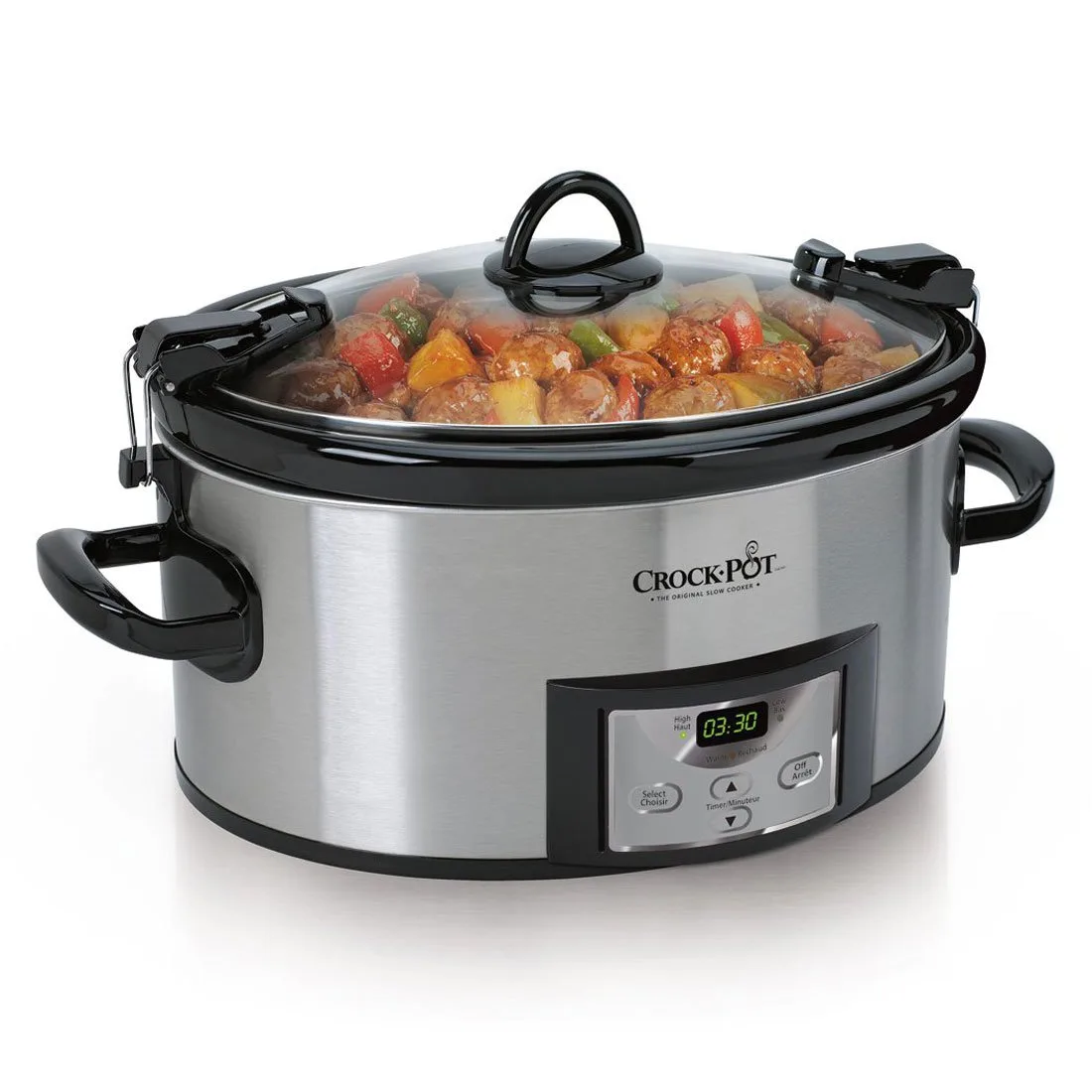
Image source: Bing (Web (fair-use with source credit))
- Dutch Oven: In contrast, a Dutch oven is a heavy, thick-walled pot, most commonly made from cast iron, which is often coated with a layer of enamel. This design allows for excellent heat retention and even distribution. Dutch ovens are incredibly versatile; they can be used on virtually any stovetop burner, placed directly into an oven, and sometimes even used over open flames. They come with a tight-fitting lid that traps moisture and heat, making them perfect for a wide array of cooking methods.
Slow Cooker Superpowers: The "Set It and Forget It" Champion
The biggest draw of the slow cooker is its unparalleled convenience. It's designed for minimal intervention, making it a lifesaver for busy weeknights or when you simply want to multitask. You can prepare your ingredients in the morning, add them to the pot, set the timer, and head out the door.
When you return, a perfectly cooked meal awaits.
This appliance excels at gentle, moist cooking. The sealed lid traps steam, preventing food from drying out. This is why it's fantastic for tough cuts of meat that need hours to become tender, like pork shoulder for pulled pork or beef for pot roast.
Aggregate reviews report that foods cooked in slow cookers maintain a high level of moisture, resulting in tender, succulent dishes.
Benefits and Drawbacks
- Benefits:
- Incredible convenience and hands-off cooking.
- Produces very moist and tender results, especially for meats.
- Energy efficient for long cooking periods.
- Many inner pots are dishwasher safe, simplifying cleanup.
- Drawbacks:
- Lacks the ability to sear or brown food directly.
- Limited cooking methods; primarily slow cooking.
- Less precise temperature control compared to an oven or stovetop.
Dutch Oven Superpowers: The Versatile Heat Master
The Dutch oven is the ultimate multitasker in the kitchen. Its heavy cast iron construction, often with an enamel coating, makes it a champion at retaining and distributing heat evenly. This characteristic is crucial for achieving restaurant-quality results.
You can start by searing meats on the stovetop to develop deep, rich flavors and a beautiful crust, something a slow cooker can't do.
Once your ingredients are seared, you can add liquids and other components, then place the entire Dutch oven into a preheated oven for slow, consistent cooking. This stovetop-to-oven flexibility opens up a world of culinary possibilities. Per testing by leading culinary organizations, enamel-coated cast iron Dutch ovens maintain consistent temperatures within a few degrees of the oven setting, unlike thinner pots that can fluctuate.
They are also superb for baking artisan bread, thanks to their ability to trap steam and create a perfect crust.
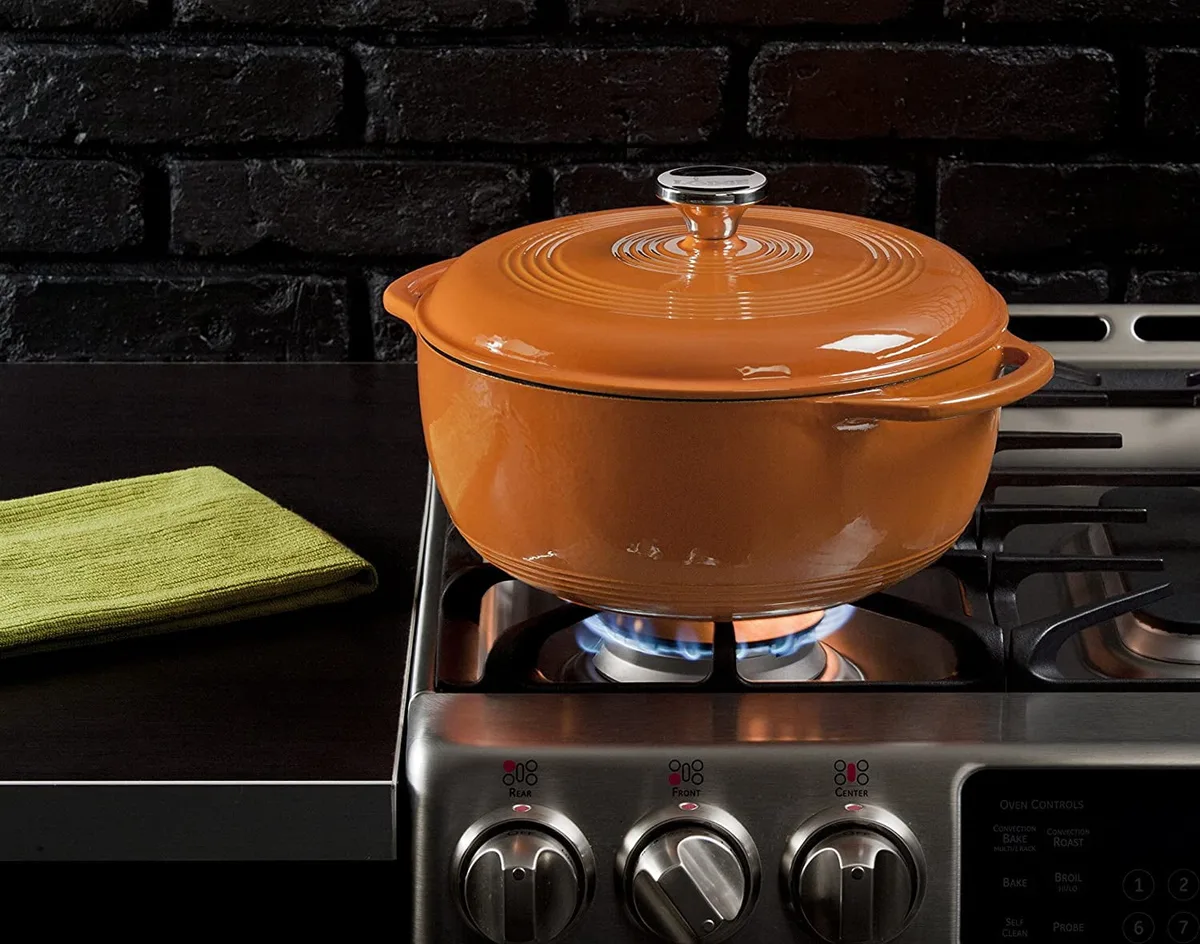
Image source: Bing (Web (fair-use with source credit))
Benefits and Drawbacks
- Benefits:
- Exceptional versatility: stovetop searing, oven braising, baking, and stewing.
- Superior heat retention and even distribution.
- Achieves excellent browning and caramelization.
- Durable and can last a lifetime with proper care.
- Aesthetically pleasing for serving directly from oven to table.
- Drawbacks:
- Can be very heavy, especially larger sizes.
- Cleanup may require more effort, often hand-washing is recommended.
- Requires active monitoring and management of heat.
- Higher initial cost compared to most slow cookers.
When You Might Lean Towards One Over the Other
Deciding between a slow cooker and a Dutch oven really comes down to what you want to achieve in the kitchen and how much time you have. If your primary goal is to get a meal cooking with zero fuss while you're busy, the slow cooker is your hero. Think about those mornings when you're rushing out the door; prepping a stew or a roast in the slow cooker means dinner is taken care of without any further attention.
However, if you're someone who loves to build layers of flavor, enjoys the process of cooking, or wants to explore techniques like searing before braising or baking crusty bread, the Dutch oven is the clear winner. For instance, if you want that deeply browned exterior on your pot roast before it simmers for hours in its own juices, you'll need the searing capability of a Dutch oven. The ability to move seamlessly from a hot stovetop to a moderate oven is its hallmark.
A Quick Comparison: Slow Cooker vs. Dutch Oven
Let's break down how these two appliances stack up side-by-side on key features and functions. This comparison highlights where each tool shines and where it falls short, helping you visualize their distinct roles in your kitchen.
| Feature | Slow Cooker | Dutch Oven |
|---|---|---|
| Primary Function | Long, slow, moist cooking | Searing, braising, stewing, baking, stovetop cooking |
| Power Source | Electric | Stovetop, Oven, Open Flame |
| Heat Control | Low, High, Warm settings | Stovetop burner intensity, Oven temperature |
| Browning/Searing | No direct capability | Excellent (stovetop) |
| Moisture | Excellent retention; steams and braises | Good retention; can dry out if not managed properly |
| Versatility | Limited to slow cooking processes | Highly versatile for various cooking methods |
| Energy Use | Efficient for long, low-heat cooks | Varies by stovetop/oven usage; can be more energy-intensive |
| Cleanup | Often easy; dishwasher-safe inserts common | Can be more involved; hand-washing often recommended |
| Portability | Electric cord limits placement; bulky | Portable but very heavy |
| Initial Cost | Generally lower price point | Higher initial investment, especially for quality brands |
Can You Use One Instead of the Other?
Sometimes, you might find yourself without the "ideal" tool, and that's okay! You can often adapt recipes, but it's important to understand the trade-offs.
Using a Dutch Oven for Slow Cooker Recipes
You can absolutely make slow cooker recipes in a Dutch oven. The key is to replicate the slow, gentle cooking process. Start by searing your ingredients on the stovetop if the recipe calls for it (a bonus!).
Then, add your liquids and other components. You can then:
- Simmer on the Stovetop: Use the lowest possible heat setting on your burner, watching carefully to prevent scorching or drying out. This requires more attention than a slow cooker.
- Cook in the Oven: Place the Dutch oven in a preheated oven at a low temperature, typically between 250°F and 300°F (120°C to 150°C), for the duration specified in the recipe. This offers more consistent, hands-off heat than the stovetop but still requires you to manage oven temperature.
While you can achieve similar tenderness, you might need to add a bit more liquid to a Dutch oven compared to a slow cooker, as it can lose moisture through evaporation, even with a lid.
Using a Slow Cooker for Dutch Oven Recipes
Replicating Dutch oven recipes in a slow cooker is more challenging, especially if the recipe relies on searing or stovetop-to-oven transitions.
- Searing: You'll need to sear any meats or aromatics in a separate pan on the stovetop before transferring them to the slow cooker. This adds an extra step and cleanup.
- Stovetop-to-Oven: This transition is impossible with a slow cooker. Recipes that require finishing under a broiler or a specific oven heat profile simply won't work.
- Baking: Baking bread or other items that benefit from the Dutch oven's unique heat properties is not feasible in a slow cooker.
You can still make stews and braises in a slow cooker, but you'll miss out on the initial flavor development from searing in the same pot and the versatility of oven finishing.
My Two Cents: Making the Final Call
After looking at what makes each appliance tick, the choice often comes down to your cooking habits and what you value most. If convenience and hands-off cooking are your top priorities, especially during busy periods, the slow cooker is a no-brainer. It consistently delivers tender, flavorful results with minimal effort, making weeknight dinners feel effortless.
Think of it as your reliable sous chef who handles the long, slow tasks.
On the other hand, if you enjoy the process of cooking, like to experiment with flavor development through searing, and appreciate the versatility of moving from stovetop to oven, a Dutch oven is an indispensable tool. It offers a level of control and culinary potential that a slow cooker simply can't match, making it ideal for those who want to perfect techniques like braising or baking. Many culinary experts consider a quality Dutch oven a lifetime investment for its sheer adaptability.
Best For: Who Wins for What?
To help you solidify your decision, let's quickly recap who each appliance serves best. This isn't about one being "better" than the other, but rather which one is the right tool for a specific type of cook or meal.
Choose a Slow Cooker If:
- You're always pressed for time and need maximum convenience.
- Your priority is tender, moist results with minimal supervision.
- You frequently make dishes like chili, pulled pork, or basic stews.
- You're looking for an affordable and simple way to start slow cooking.
- Cleanup ease is a major factor in your kitchen routine.
Choose a Dutch Oven If:
- You want to achieve deep flavor through searing and browning.
- You enjoy cooking and appreciate the flexibility of stovetop and oven use.
- You plan to make recipes requiring both searing and slow braising/baking.
- You're interested in baking artisan bread or other oven-baked dishes.
- You're willing to invest in a durable, multi-functional piece of cookware.
Mistakes to Avoid
When using either appliance, a few common pitfalls can lead to less-than-ideal results. For slow cookers, a frequent mistake is overcrowding the pot. Filling it more than two-thirds full can prevent even heating and proper cooking.
Another common error is lifting the lid too often; each time you lift it, the cooking temperature can drop significantly, extending your cook time and potentially affecting texture.
With Dutch ovens, a major mistake is using one on too high a heat for too long, which can scorch food or damage the enamel. Also, not preheating the Dutch oven adequately before searing means you won't get that crucial crust and flavor development. For both appliances, using the wrong liquid amount is also common, too little can lead to drying, while too much can result in a watery dish.
Maintenance and Care Tips
Proper care ensures both your slow cooker and Dutch oven serve you well for years. For slow cookers, always allow the ceramic insert to cool down before washing, whether by hand or in the dishwasher. Avoid using abrasive scrubbers on the insert, as this can damage the non-stick surface.
Wipe the exterior base unit with a damp cloth, ensuring it's unplugged and cool.
Dutch ovens, especially enameled cast iron, benefit from hand washing with mild soap and a non-abrasive sponge. This preserves the enamel coating and prevents chipping. Always dry thoroughly after washing to prevent rust.
For unstained cast iron, seasoning after cleaning is crucial. Avoid extreme temperature changes, like plunging a hot pot into cold water, as this can cause the cast iron to crack. Always check the manufacturer's specific care instructions for your model, as they provide the most accurate guidance, for instance, per guidelines from major cookware manufacturers.
Frequently Asked Questions
How long does it take to cook in a slow cooker?
Cooking times vary greatly depending on the setting (Low or High) and the recipe, but generally range from 4 to 10 hours. Low settings typically take longer, often 6-10 hours, while High settings are usually 3-5 hours.
Can I sear meat in my Dutch oven on an electric stovetop?
Yes, absolutely. Enameled cast iron Dutch ovens perform very well on electric stovetops, providing even heat for searing meats and sautéing vegetables before you move to oven cooking.
Do I need to preheat a slow cooker?
No, slow cookers are designed to start cooking from room temperature. You simply add your ingredients and turn it on to the desired setting.
What kind of meals are best for a Dutch oven?
Dutch ovens excel at braised meats like pot roast, stews, hearty soups, and even baking bread. They are also great for dishes that start on the stovetop and finish in the oven.