Food Processor Leaking
So, you're mid-recipe, feeling all culinary-genius, and suddenly you spot a puddle forming under your trusty food processor. Annoying, right? Don't you worry, we've all been there.
A leaking food processor can be a real buzzkill, but usually, it's something super simple to sort out.
Think of it like this: your food processor is a well-oiled machine (literally, sometimes!), and if something's out of place, it's going to let you know, often by dripping. The good news is, most of the time, you don't need to call a repair person or buy a new one. Let's figure out what's going on.
Quick Answer
A food processor leaks because a seal isn't tight, the gasket is damaged, it's overfilled, or parts aren't assembled correctly. Checking the lid, gasket, and blade assembly is key. Inspecting the bowl for cracks also helps.
Why Is My Food Processor Leaking? Pinpointing the Problem
A leaking food processor means something isn't quite sealed as it should be. This usually boils down to a few common issues with the appliance's various parts. Understanding how these components work together is the first step in solving the mystery of that puddle on your counter.
Think of your food processor as a watertight container, but with moving parts. The bowl holds the ingredients, the lid keeps everything in, and the blade assembly does the work. Any break in that seal, from the lid down to the motor base, can cause liquid to escape.
Identifying the exact spot where the leak originates will tell you exactly where to look for the problem.
Common Leak Locations
The first thing to do when you notice a leak is to figure out where it's coming from. This will narrow down the possibilities quickly.
- Around the Lid: If you see liquid seeping from where the lid meets the bowl, this points to an issue with the lid's seal or how it's attached.
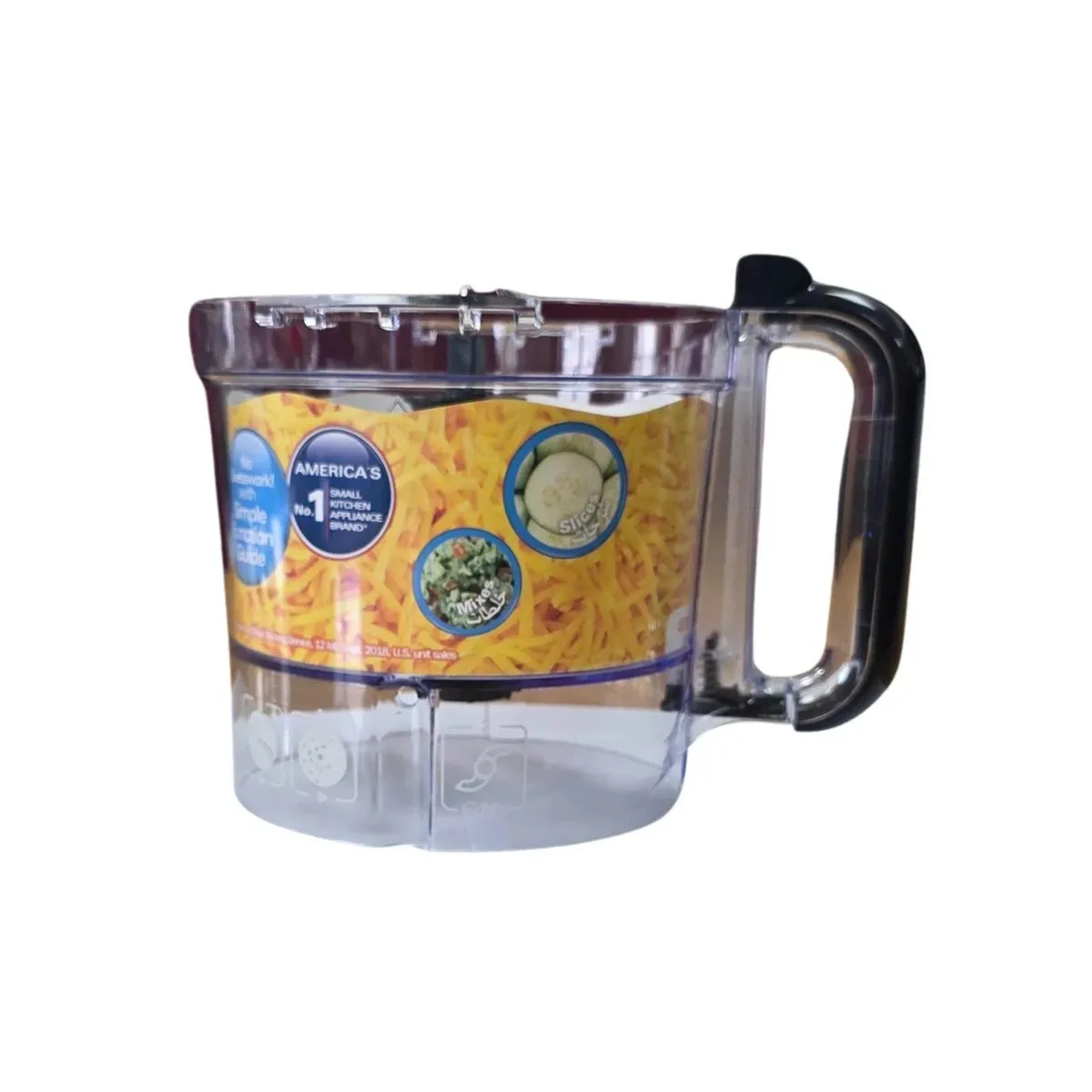
- From the Bottom of the Bowl: Liquid pooling directly under the bowl, but not necessarily from the lid, might mean a problem with the bowl itself or how the blade assembly connects to it.
- Around the Motor Base: If liquid is dripping from the main unit, this could indicate a more significant issue with the internal seals.
Top Culprits: What Usually Causes Leaks
While there are several potential causes, most leaks boil down to one of these common culprits.
- Improper Lid Seating: The lid isn't fully locked or clicked into place.
- Damaged or Missing Gasket: The rubber or silicone seal around the lid is torn, brittle, or has fallen off.
- Overfilling: The bowl has too many ingredients, pushing liquid past the seal.
- Loose Blade Assembly: The blade isn't screwed in tightly or is not properly seated.
- Cracked Bowl or Lid: A hairline fracture allows liquid to escape.
Troubleshooting Steps: Your Leak-Proofing Checklist
Now that we know the general areas and common culprits, let's walk through the actual diagnostic process. This is where we become kitchen detectives to solve that pesky leak. Manufacturer specifications often detail these key components and their expected function.
Step 1: Check the Lid Seal
This is the most frequent reason for leaks. Even a slight misalignment can let liquids escape.
- What to check: Ensure the lid is firmly locked onto the food processor bowl. Many models have specific locking mechanisms or tabs that need to engage fully. You might hear a distinct "click" when it's properly secured.
- Action: Remove the lid and re-seat it, making sure it sits flush and all locking points are engaged. Give it a gentle wiggle to confirm it's secure.
Step 2: Inspect the Gasket
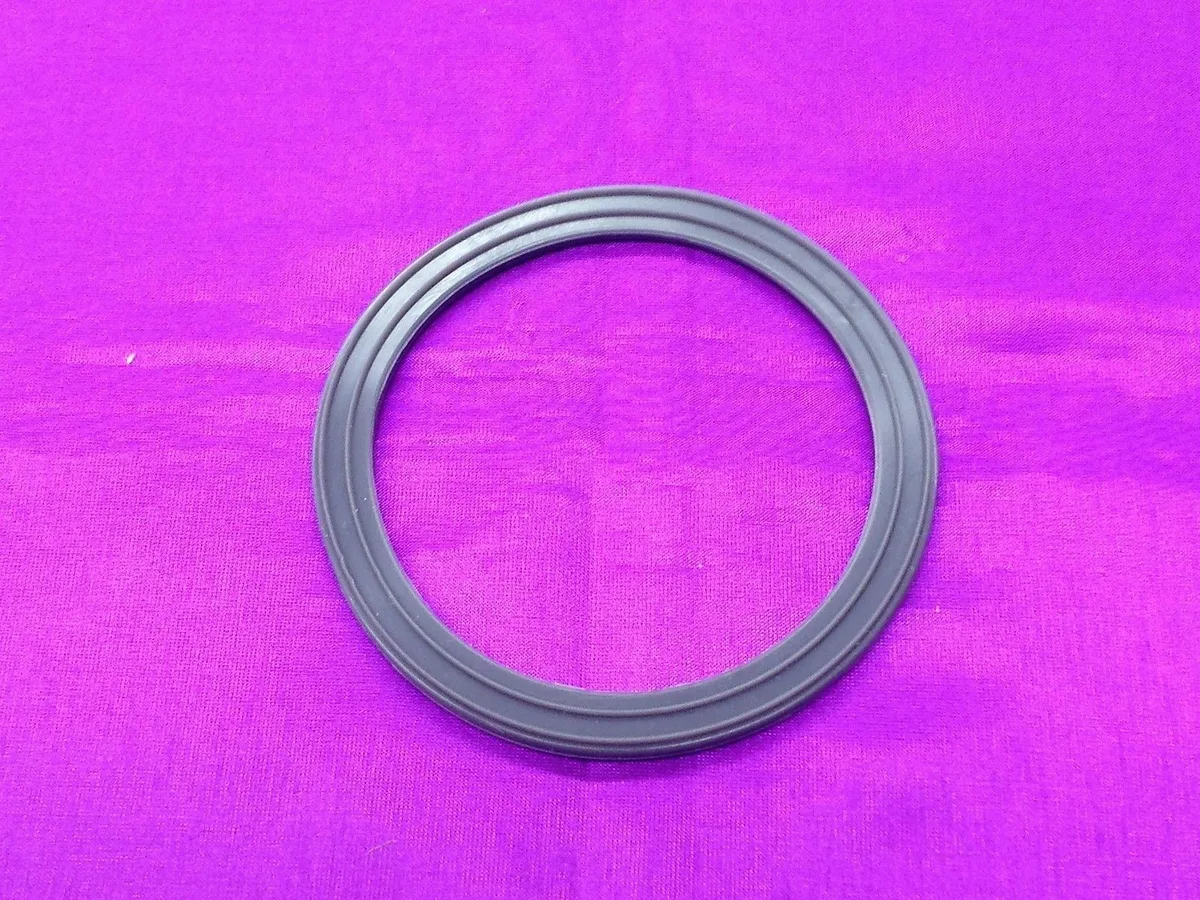
The gasket, or seal, is crucial for creating a watertight barrier between the lid and the bowl. If this is compromised, leaks are almost guaranteed.
- What to check: Carefully examine the rubber or silicone gasket on the lid. Look for any signs of damage like tears, cracks, or brittleness. Make sure it's still firmly attached to the lid and hasn't become loose or warped.
- Action: If the gasket is damaged or missing, it needs to be replaced. Check your appliance's manufacturer documentation or website for compatible replacement parts. If it's just loose, try re-seating it, ensuring it lies flat and evenly. For an example of how a gasket should look when intact, consult the user manual provided with your appliance.
Step 3: Avoid Overfilling
This might seem obvious, but it's surprisingly easy to exceed the maximum fill line, especially with thinner liquids.
- What to check: Did you fill the bowl past the indicated "max fill" line? This line is there for a reason, acting as a safety buffer for the seal.
- Action: Reduce the quantity of ingredients you're processing. If you're making a soup or smoothie, work in batches to avoid pushing the liquid level too high. Most models have a maximum liquid capacity that's well below the bowl's rim.
Step 4: Secure the Blade Assembly
The blade assembly is what does the chopping, slicing, and pureeing. If it's not installed correctly, liquids can escape around its base.
- What to check: For models where the blade assembly screws onto the bottom of the bowl or a central post, ensure it's tightened securely. It should feel firm and not wobble.
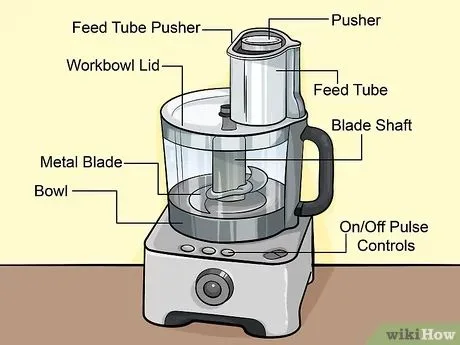
- Action: Tighten the blade assembly according to your food processor's instructions. If your model has a central post, make sure the blade is fully seated on it before attaching the lid. This is a critical step to maintain the integrity of the seal at the base of the bowl.
Step 5: Look for Cracks
Sometimes, leaks aren't due to a faulty seal but a physical break in the container itself.
- What to check: Thoroughly inspect the food processor bowl and the lid for any signs of cracks. These can sometimes be hairline and hard to spot. Hold them up to a light source to make them more visible.
- Action: If you find any cracks in the bowl or lid, the part is compromised and must be replaced. Continuing to use a cracked component is not only a source of leaks but can also be a safety hazard. You can often find replacement bowls or lids directly from the manufacturer's website.
When to Replace Parts or Seek Professional Help
Sometimes, even after troubleshooting, the leak persists. This usually means a component is genuinely worn out or damaged beyond simple re-seating. Knowing when to invest in new parts or consider professional service is key to keeping your kitchen appliances in good working order.
Signs You Need New Parts
If you've gone through the checklist and the leak continues, it's time to look closely at the physical components. Aggregate user reviews often highlight the lifespan of these parts.
- Gasket Degradation: A gasket that is brittle, cracked, hard, or visibly deformed is no longer creating a proper seal. This can happen over time due to repeated washing and use, especially with heat.
- Bowl or Lid Damage: As mentioned, any visible cracks, no matter how small, mean the part is compromised. Scratches or deep gouges on the sealing surfaces of the bowl or lid can also prevent a tight fit.
- Warped Components: If a lid or bowl appears slightly warped, it won't sit flush, leading to leaks. This can sometimes happen if they are washed in excessively hot water or in a dishwasher when not rated as dishwasher-safe.
If any of these conditions are met, ordering a replacement gasket, bowl, or lid from the manufacturer is typically the most straightforward solution. For example, Cuisinart specifications indicate that replacement parts are readily available for many of their models.
When It's Time to Call the Manufacturer
While most food processor leaks are user-fixable, there are instances where the issue might be more complex.
- Leaks from the Motor Base: If liquid is dripping directly from the main motor housing, this is a more serious concern. It suggests an internal seal failure within the appliance itself, which is not something you can typically fix at home.
- Persistent Leaks After Part Replacement: If you've replaced a gasket or bowl and the food processor still leaks, there might be an issue with the motor base or another internal component that's not easily accessible.
- Electrical Concerns: Any unusual smells, sounds, or signs of electrical issues accompanying a leak should be treated with extreme caution.
In these situations, your best bet is to contact the food processor's manufacturer. Many appliances come with a limited warranty (often 1-3 years, depending on the brand and model), and issues with internal seals or motor components may be covered. Referencing the user manual can provide specific contact information for customer support.
Common Food Processor Leaking Mistakes to Avoid
Even with the best intentions, it's easy to make a misstep when troubleshooting. Being aware of these common errors can save you time and frustration.
- Not Reading the Manual: Every food processor is slightly different. Skipping the manufacturer's guide means you might miss specific instructions on how parts should align or what the maximum fill line really means for your model.
- Using Dishwasher Detergent on Seals: While many gaskets are dishwasher-safe, harsh detergents can sometimes degrade the material over time, making them more prone to leaks. Gentle hand washing is often recommended for these critical sealing components.
- Forcing Parts Together: If a lid or blade assembly doesn't seem to fit easily, don't force it. This is a strong indicator that something isn't aligned correctly, and forcing it can damage the parts.
- Ignoring Small Leaks: A minor drip today can become a major leak tomorrow. It's always better to address the issue as soon as you notice it.
- Using the Wrong Attachments: If your food processor came with multiple bowls or lids for different functions, ensure you're using the correct ones together. They might look similar but have subtle differences that affect the seal.
Food Processor Leaking: Frequently Asked Questions
### Why does my food processor leak when I make soup?
Soups and other liquid-heavy recipes are common culprits. The issue is usually overfilling the bowl, causing the liquid to exceed the lid's seal. Ensure you're below the maximum fill line and that the lid and gasket are properly seated and undamaged.
### Can I use my food processor if it's leaking a little?
It's generally not recommended to use a leaking food processor. Even a small leak can get into the motor base over time, causing damage and potentially creating an electrical hazard. It's best to fix the leak before using the appliance again.
### How often should I replace the gasket on my food processor?
Gaskets don't have a fixed replacement schedule; it depends on usage and care. Inspect it regularly for signs of wear, brittleness, or damage. If it appears compromised, replace it.
### What's the difference between a gasket and a seal on a food processor?
While sometimes used interchangeably, a gasket is a specific type of seal. On a food processor lid, the flexible rubber or silicone ring that creates the watertight barrier is typically referred to as a gasket. Seals can also refer to internal components within the motor base.
### My food processor bowl is leaking from the bottom center. What's wrong?
This often indicates an issue with the blade assembly's connection to the bowl or the central post it sits on. Ensure the blade is securely attached and that the seal around the central post (if applicable) is intact and clean.