How To Use An Oil Filter Wrench: Easy Step-By-Step Guide
Use the right oil filter wrench type, fit it snugly, and turn it counterclockwise with steady pressure.
Knowing how to use an oil filter wrench can save you time, prevent messy slip-ups, and make routine oil changes far easier. I’ve seen plenty of DIY oil changes go smoothly once the right wrench and technique were used, and I’ve also seen stubborn filters turn a simple job into a scraped-knuckle frustration fest. If you want a clean, safe, and confident approach, this guide walks you through everything that matters.
What an oil filter wrench does
An oil filter wrench is a tool that helps you remove a tight or stuck oil filter. It gives you extra grip when your hands just cannot get enough traction on the filter canister.
This tool is useful because oil filters are often installed tightly by hand, exposed to heat, and coated with oil. Over time, that can make them hard to remove without the right tool.
Common types include:
• Strap wrenches, which wrap around the filter and tighten as you pull
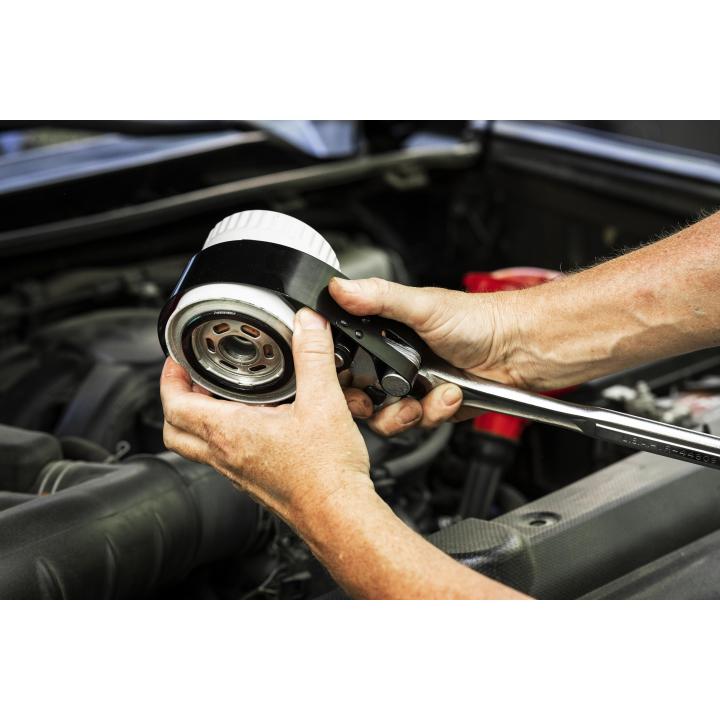
• Cap wrenches, which fit the filter’s end and turn with a ratchet
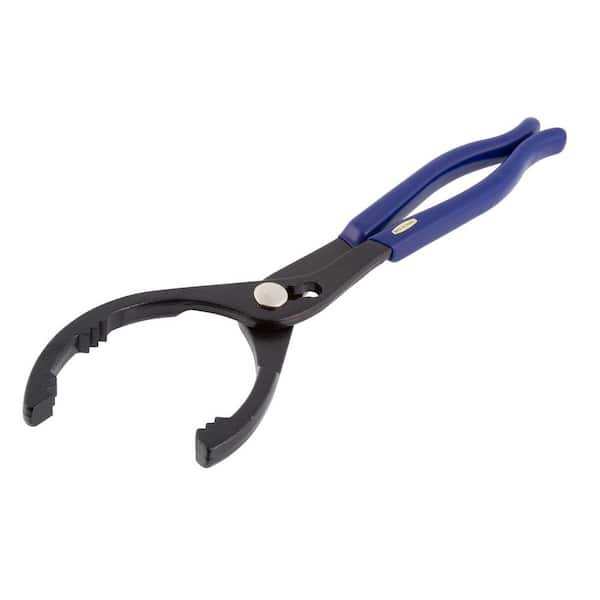
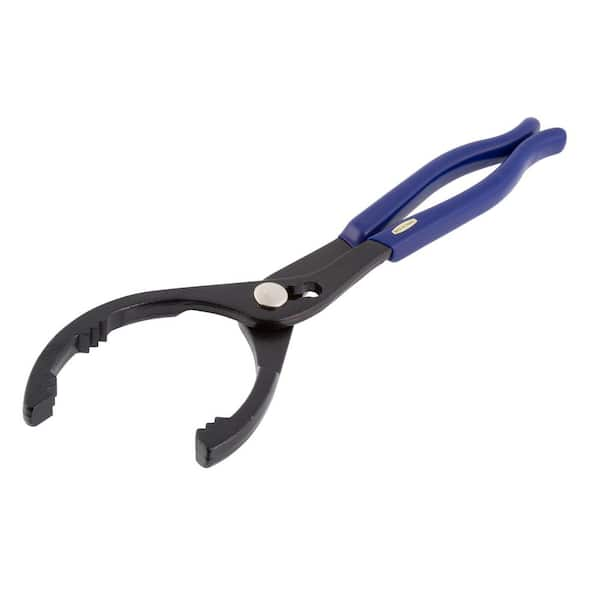
• Pliers-style wrenches, which grip the filter body like a clamp
• Chain wrenches, which use a metal chain for strong grip on larger filters

When to use an oil filter wrench
You do not always need an oil filter wrench, but it becomes very helpful when the filter is too tight to remove by hand. In my own work, I usually try hand removal first. If the filter slips, is cramped by nearby parts, or feels glued on by heat, I reach for the wrench.
Use an oil filter wrench when:
• The filter was overtightened at the last oil change
• The filter is hard to reach
• The filter is oily and slippery
• The engine bay leaves little room for your hands
• The filter is stuck from heat cycling or age
Some filters should come off with light hand force only. If a previous installer overdid it, the wrench helps prevent damage to the filter housing or surrounding parts.
How to use an oil filter wrench step by step
Using an oil filter wrench is simple once you match the tool to the filter and apply even force. The key is not to rush. A calm, steady pull is much safer than forcing the tool.
1. Let the engine cool
Always work on a cool or slightly warm engine, not a hot one. Hot oil and metal can burn your skin fast.
If the vehicle was running, give it time to cool down before you begin. This also makes the oil filter easier to handle safely.
2. Locate the oil filter
Find the oil filter under the car or inside the engine bay, depending on the vehicle design. Some filters are easy to see, while others are tucked behind shields or near the exhaust.
If needed, remove any covers that block access. Keep track of fasteners so reassembly stays simple.
3. Choose the correct wrench
Pick the wrench that matches the filter size and shape.
• Use a cap wrench for canister-style filters with a matching end cap
• Use a strap wrench for smooth, round filters
• Use pliers-style or chain wrenches for stubborn or hard-to-reach filters
A poor fit can crush the filter, slip off, or damage nearby parts. Good fit matters more than brute strength.
4. Position the tool securely
Place the wrench so it grips evenly. If using a cap wrench, make sure it seats fully on the filter. If using a strap wrench, wrap it tight enough that it will not slide.
A loose grip is one of the most common mistakes I’ve seen. It usually causes slipping, wasted effort, and a scratched filter housing.
5. Turn counterclockwise
Most oil filters loosen by turning counterclockwise. Apply steady pressure rather than quick jerks.
If the filter does not move, stop and reset your grip. Sometimes a slightly different angle makes all the difference.
6. Remove by hand once loose
Once the filter breaks free, you can usually finish removal by hand. Keep a drain pan beneath it, because oil will spill as the seal breaks.
Turn it slowly and keep it upright as long as you can. That helps reduce mess.
7. Clean the mounting surface
After removing the filter, check the mounting base for the old rubber gasket. If the old gasket sticks to the engine, do not install the new filter until it is removed.
A stuck gasket can cause leaks, and that is a mistake worth avoiding. Clean the surface with a lint-free rag.
8. Install the new filter correctly
Before installing the new filter, lightly oil the new gasket with clean engine oil. Then tighten it by hand according to the filter’s instructions.
Most filters only need hand-tight plus a small additional turn. Do not use the wrench to install unless the manufacturer says to.

Choosing the right oil filter wrench for your vehicle
The best oil filter wrench depends on the filter style, space around it, and how tight it is. There is no single tool that works best for every car, truck, or SUV.
Here is a simple way to decide:
• Cap wrench: Best for filters with a specific end-cap size and enough clearance
• Strap wrench: Best for smooth filters and general use
• Pliers-style wrench: Best for very tight or slippery filters
• Chain wrench: Best for heavy-duty jobs and large filters
For compact cars with crowded engine bays, a slim strap wrench or low-profile cap wrench often works best. For trucks and older vehicles, pliers-style tools can give you more leverage.
I have found that buying one quality wrench that fits your most common vehicle is better than collecting cheap tools that slip. A good tool saves time and stress every single oil change.
Common mistakes to avoid
A lot of oil filter wrench problems come from using the tool the wrong way, not from the tool itself. The biggest mistake is forcing the wrench when it is not seated properly.
Avoid these errors:
• Using the wrong size wrench
• Cranking too hard and crushing the filter
• Installing the new filter with a wrench instead of hand-tightening
• Forgetting to check for the old gasket
• Working on a hot engine
• Letting oil spill onto belts or rubber hoses
One mistake I made early on was rushing a stubborn filter with too much pressure. The wrench slipped, and I ended up with oil on my hand and the subframe. Ever since then, I start with the right fit and slow pressure.
Safety tips before and during use
Oil changes are simple, but they still deserve respect. A small slip can lead to burns, cuts, or leaks.
Keep these safety tips in mind:
• Wear gloves to improve grip and protect your hands
• Use safety glasses if oil may splash
• Set the parking brake and park on level ground
• Support the car correctly if you need to work underneath it
• Keep rags and a drain pan nearby
• Dispose of used oil and filters properly
Used oil can irritate skin and should be handled with care. The U.S. Environmental Protection Agency recommends proper recycling to reduce contamination and environmental harm.
Helpful tips for a smoother oil filter removal
A few small habits can make the job much easier. These are the kinds of details that save time in the real world.
Try these tips:
• Wipe the filter clean before gripping it
• Use a little penetrating time, not excessive force, if it is stuck
• Keep the wrench aligned with the filter body
• Move slowly and re-seat the tool if it starts slipping
• Mark the filter position if access is tight, so you can remember the angle
If a filter is extremely stubborn, sometimes the issue is not the wrench. It may be rust, heat damage, or an over-tightened install from a previous oil change.
Why proper oil filter wrench use matters
Knowing how to use an oil filter wrench properly protects both the vehicle and your hands. It reduces the chance of crushing the filter, damaging threads, or leaving a gasket behind.
It also makes routine maintenance more efficient. That matters because regular oil changes are one of the simplest ways to help protect an engine over time, especially when paired with the correct oil grade and filter type recommended by the vehicle maker.
Used the right way, the wrench is not just a removal tool. It is a small but important part of good maintenance habits.
Frequently Asked Questions of How to use an oil filter wrench
How do I know which oil filter wrench to buy?
Choose a wrench based on your filter shape, size, and access space. A cap wrench works best for matched filters, while a strap or pliers-style wrench is better for awkward or stuck filters.
Should I use an oil filter wrench to install a new filter?
Usually, no. Most filters should be installed by hand and then tightened according to the filter instructions, since over-tightening can make the next removal much harder.
What if the oil filter wrench keeps slipping?
That usually means the wrench is the wrong size, the filter is oily, or the tool is not seated fully. Clean the filter surface, reset the tool, and try again with even pressure.
Can an oil filter wrench damage the filter?
Yes, if you squeeze too hard or use the wrong type of wrench. A damaged filter may collapse, leak, or become harder to remove, so steady force and the correct fit are important.
What should I do if the filter is stuck even with a wrench?
Stop and reassess before forcing it harder. Try a different wrench style, improve access, or use controlled, steady pressure so you do not damage nearby parts.
Is it okay to remove the filter when the engine is warm?
A slightly warm engine can be okay, but a hot engine is not safe to work on. Let it cool enough to avoid burns and to make handling the filter safer.
Conclusion
Learning how to use an oil filter wrench is one of those small skills that pays off every time you change your oil. With the right tool, a good fit, and steady pressure, you can remove stubborn filters without turning the job into a mess.
The big takeaway is simple: choose the right wrench, work safely, and avoid over-tightening during installation. If you use these tips on your next oil change, you will likely save time, reduce frustration, and protect your engine at the same time. If this guide helped, explore more maintenance tips and leave a comment with your own oil filter wrench experience.