Thule Vs Yakima Roof Rack: Which Is Best For You?
Thule vs Yakima Roof Rack depends on your vehicle, cargo, budget, and need for quiet, simple installation.
Choosing between Thule and Yakima is not just a brand decision. It affects wind noise, cargo safety, roof clearance, installation time, and long-term value. After comparing common systems, fit guides, bar shapes, locks, and real-world use cases, I found that both brands make excellent racks, but they suit different drivers. This guide breaks down the Thule vs Yakima Roof Rack question so you can choose with confidence.
Thule vs Yakima Roof Rack: An Overview
Thule and Yakima are two of the best-known roof rack brands in the United States. Both offer systems for cars, SUVs, trucks, and vans. Their product lines include crossbars, towers, vehicle-specific fit kits, bike racks, ski racks, kayak carriers, cargo boxes, and other accessories.
The main difference is not basic quality. Both brands build strong and well-designed products. The bigger differences are found in fit, design, price, bar shape, accessory compatibility, and ease of use.
Here is a simple comparison:
| Feature | Thule | Yakima |
|---|---|---|
| Brand feel | Refined and highly engineered | Practical and outdoor-focused |
| Common bar systems | WingBar Evo, WingBar Edge, SquareBar | JetStream, CoreBar, RoundBar |
| Installation | Often precise and polished | Often simple and user-friendly |
| Noise control | Excellent with aerodynamic bars | Excellent with JetStream bars |
| Accessory range | Very broad | Very broad |
| Cargo boxes | Motion, Force, and other lines | SkyBox and CBX lines |
| Typical price | Mid-range to premium | Mid-range to premium |
| Best strength | Quiet design and finish | Outdoor versatility and easy use |
The right answer in a Thule vs Yakima Roof Rack comparison depends on your vehicle and how you plan to use the rack. A small sedan used for weekend trips may need a different system than an SUV carrying bikes, skis, and a kayak.
Thule vs Yakima Roof Rack: Build Quality and Design
Thule roof racks often have a clean, modern look. The WingBar Evo uses an aerodynamic profile that helps reduce air resistance and sound. Thule also pays close attention to end caps, covers, locks, and the way accessories attach to the crossbar.
Yakima focuses strongly on outdoor use. Its JetStream bars are also aerodynamic, while the brand’s larger accessory range makes it popular with cyclists, skiers, paddlers, and campers. Yakima products often feel rugged and practical, with features made for frequent loading and unloading.
Both brands use strong aluminum or steel components, depending on the product. The best system is one that matches the vehicle fit kit and stays within the vehicle manufacturer’s roof limit.
Important quality factors include:
• Bar strength and shape
• Tower stability
• Fit kit accuracy
• Lock quality
• Finish and corrosion resistance
• Ease of replacing small parts
• Accessory compatibility
A strong rack is not automatically a safe rack. The full system must be installed correctly. A loose tower, poorly seated clamp, or missing rubber strip can create noise, movement, or cargo loss.
Source: youtube.com
Vehicle Compatibility and Fit
Vehicle fit is one of the most important parts of the Thule vs Yakima Roof Rack decision. A rack that fits one model year may not fit another. Roof shape, door frame design, trim, antenna position, glass roof panels, and factory mounting points can all change the correct setup.
Thule and Yakima both use online fit guides. These tools usually ask for:
• Vehicle year
• Make and model
• Roof type
• Number of doors
• Factory rails or mounting points
• Desired bar length
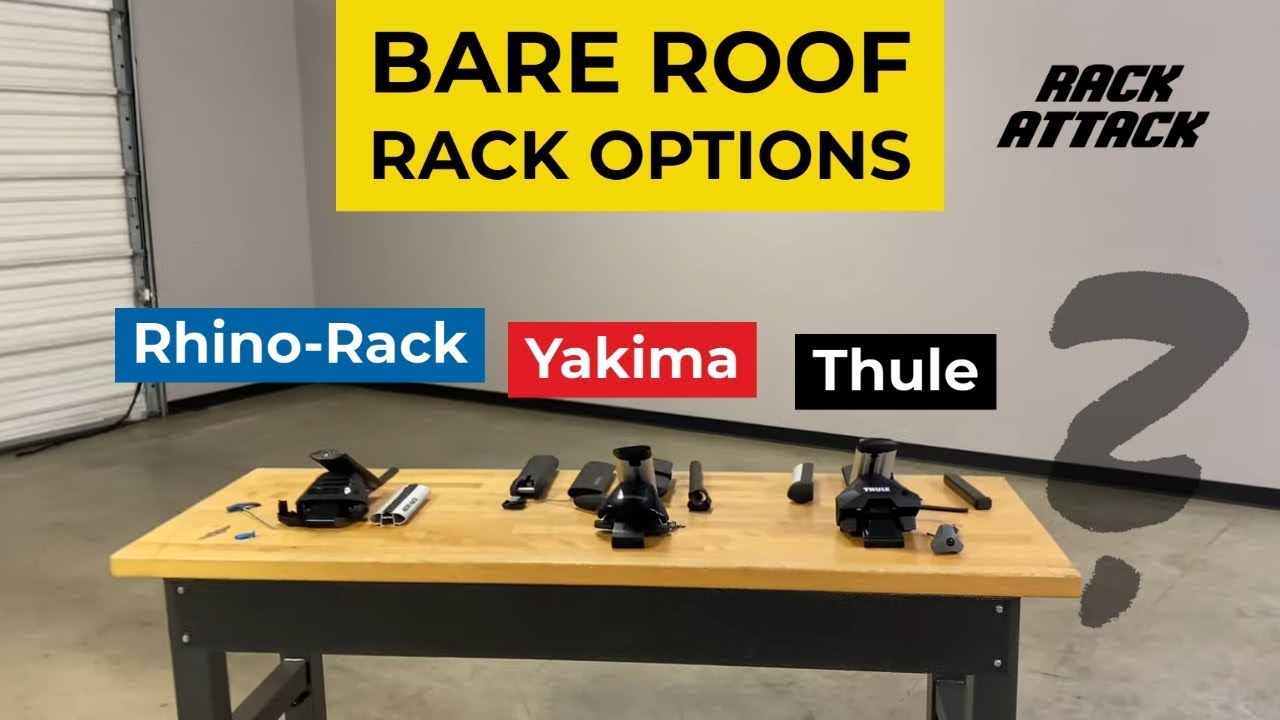
Never choose a rack based only on the bar length. The towers and fit kit must also match the vehicle. A roof rack for a bare roof is different from a rack for raised rails, flush rails, fixed points, or a track system.
For example, a vehicle with raised rails may use a clamp-style tower that wraps around the rails. A car with a bare roof may need door-frame clips and vehicle-specific pads. A vehicle with fixed mounting points may require bolts that attach directly to hidden locations in the roof.
The safest process is simple:
- Check the vehicle owner’s manual.
- Use the current Thule or Yakima fit guide.
- Confirm the maximum roof load.
- Check whether the vehicle has a panoramic roof.
- Confirm bar length and accessory clearance.
- Recheck every fastener after installation.
A common mistake is buying used towers and assuming a new fit kit will make them compatible. Sometimes it will. Sometimes the tower generation, clip shape, or torque system does not match. Always confirm compatibility before buying used parts.
Weight Limits and Safety
The vehicle’s roof limit matters more than the rack’s maximum rating. If the rack can carry 165 pounds but the vehicle roof is rated for 100 pounds, the lower number wins.
You must count the weight of the entire load:
• Crossbars
• Towers
• Fit kit
• Cargo box or carrier
• Bikes, skis, boards, or other gear
• Straps and mounting hardware
Some vehicles have separate dynamic and static roof limits. Dynamic load means the vehicle is moving. Static load means the vehicle is parked, such as when using a rooftop tent. Do not assume a static rating applies to every vehicle or every rack.
The Thule vs Yakima Roof Rack choice should also consider how the cargo sits on the roof. A tall cargo box can increase wind force. A kayak can act like a sail. Heavy bikes can raise the center of gravity and affect handling.
Follow these safety habits:
• Keep heavy items low inside a cargo box.
• Balance weight from side to side.
• Use the correct straps and cradles.
• Do not exceed the vehicle’s roof limit.
• Check the load before every trip.
• Stop soon after starting to inspect the rack.
• Recheck the rack after driving on rough roads.
Vehicle roof limits and rack ratings can vary by model and year. The owner’s manual is the final authority.

Source: bettertrail.com
Noise, Fuel Use, and Aerodynamics
Wind noise is a major concern for many roof rack buyers. An empty rack can create a humming or whistling sound. This happens when air moves across the bar, tower, or exposed channel.
Thule WingBar Evo and Yakima JetStream bars both use aerodynamic shapes to reduce noise. They are usually quieter than traditional round or square bars. Still, no roof rack is silent on every vehicle.
Noise can change because of:
• Vehicle roof shape
• Bar length
• Bar position
• Sunroof design
• Missing end caps
• Open accessory channels
• Loose rubber strips
• Crossbar spacing
A simple test can help. Drive with the rack empty and listen at different speeds. Then check the end caps and rubber strips. A missing cap can turn a quiet rack into a small wind instrument.
Fuel use may also change. The effect is often modest, but it depends on vehicle size, speed, bar shape, and cargo. A large cargo box creates more drag than a slim bike rack. Removing the rack when it is not needed can help reduce noise and air resistance.
In the Thule vs Yakima Roof Rack debate, both brands perform well with their aerodynamic systems. The best choice may come down to which rack fits your vehicle more cleanly.
Installation and Daily Use
A roof rack should not feel like a puzzle every time you install it. Thule and Yakima both provide detailed instructions, torque tools, and vehicle-specific parts. However, the process can feel different from one model to another.
Thule systems often have a polished, precise installation process. The torque indicator helps show when the tower has reached the correct tightness. Some users appreciate the clean covers and compact design.
Yakima systems are also designed for home installation. Many products use clear adjustment points and practical hardware. Outdoor users may prefer the straightforward feel when moving between vehicles or changing accessories.
Installation usually takes longer the first time. Plan for about 30 to 90 minutes, depending on the vehicle and system. A second installation is often much faster once the settings are marked.
Use this checklist:
• Work on a clean, dry roof.
• Read the full instructions first.
• Measure bar position from the correct reference point.
• Tighten each side evenly.
• Use the supplied torque tool.
• Confirm that the towers cannot slide.
• Test the doors before driving.
• Make sure the bar ends are covered.
One lesson worth remembering is that “tight” does not mean “correct.” Over-tightening can damage clips, seals, or roof trim. Under-tightening can allow movement. Use the recommended torque method rather than guessing by hand.
Source: ascentforums.com
Accessories and Cargo Options
A roof rack is only the base. The accessory you add determines how useful it becomes.
Thule offers a wide selection of bike carriers, ski racks, kayak carriers, cargo boxes, and basket systems. Its Motion and Force cargo boxes are popular with families and travelers who need weather-resistant storage.
Yakima also has a strong accessory range. SkyBox cargo boxes, bike racks, ski carriers, kayak systems, and LoadWarrior-style baskets are common choices for road trips and outdoor sports.
Before buying an accessory, check:
• Crossbar type
• Bar width and shape
• T-slot compatibility
• Clamp clearance
• Front and rear spacing
• Vehicle hatch clearance
• Roof weight limit
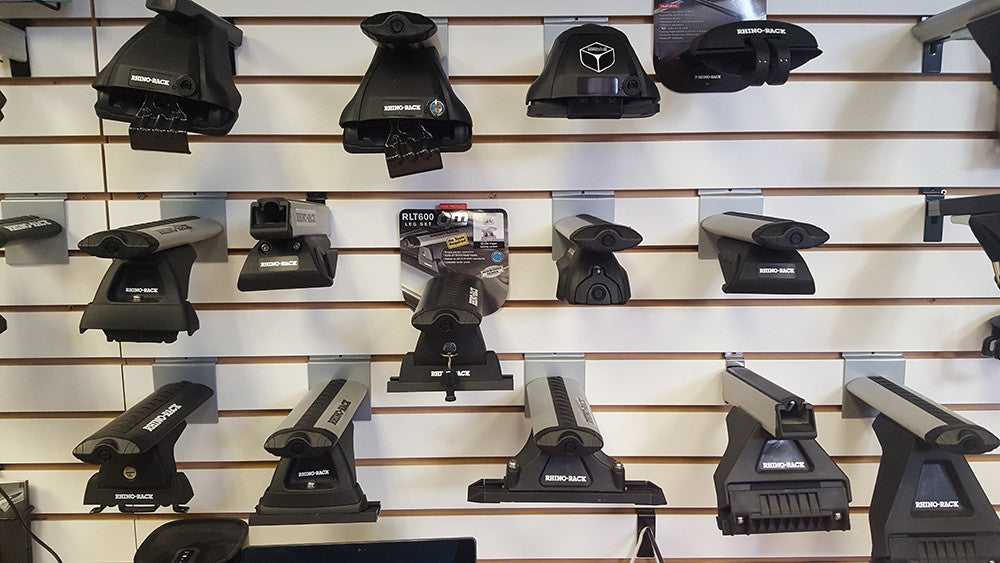
Some accessories attach around the bar. Others slide into a channel on top of the bar. T-slot mounting can look cleaner and may reduce exposed hardware, but the accessory must match the channel size.
A cargo box also needs enough clearance from the rear hatch. If the box sits too far back, the hatch may hit it. If it sits too far forward, it may interfere with the windshield or sunroof.
For families, a cargo box is often the most useful upgrade. For active users, a bike or kayak carrier may matter more than the brand of crossbar. Think about your first accessory before choosing the base rack.
Price and Long-Term Value
The price of a Thule vs Yakima Roof Rack varies by vehicle and setup. A complete system can include bars, towers, fit kits, locks, and accessories. The total cost may be much higher than the price shown for the crossbars alone.
As a rough guide, a complete base rack often falls into the mid-hundreds of dollars. Premium bars and larger accessories can raise the total substantially. Prices change by product generation, retailer, promotions, and vehicle fit.
Thule and Yakima both offer premium systems, so neither brand is always the cheaper option. The more useful question is which system gives better value for your needs.
Consider these long-term factors:
• Can you add the accessories you need?
• Are replacement parts easy to find?
• Will the rack fit your next vehicle?
• Does the system include locks?
• Can you remove it without losing the settings?
• Is the warranty clear?
• Will you leave it installed year-round?
A cheaper rack may cost more if it creates noise, needs frequent adjustment, or cannot accept your preferred bike carrier. On the other hand, a premium rack may not be worth it for a driver who uses it only twice a year.
Which One Is Better for Bikes, Skis, Kayaks, and Cargo?
The best Thule vs Yakima Roof Rack depends on the gear you carry.
For bikes
Both brands offer upright and fork-mount bike carriers. Check the weight limit of the carrier and the bar spacing. Electric bikes often exceed the limit of roof-mounted bike racks, especially when the battery remains installed.
For heavy e-bikes, a hitch-mounted carrier may be safer and easier to load. Lifting a heavy bike onto a tall SUV can also strain your back.
For skis and snowboards
Thule and Yakima ski racks can carry several pairs of skis or multiple snowboards, depending on the model. Soft rubber grips help protect the equipment. Measure thick snowboard bindings before buying a low-profile carrier.
For kayaks
A kayak carrier needs more than a strong crossbar. It should support the hull correctly and include front and rear tie-down points. A long kayak creates leverage, so bar spread and secure straps matter.
For cargo boxes
Cargo boxes offer protection from rain, road dirt, and snow. They also free up space inside the vehicle. Check the box dimensions, opening direction, hatch clearance, and roof height before purchase.
For occasional family travel, either brand can work very well. For specialized gear, choose the accessory first and then select the compatible base rack.

Source: youtube.com
Thule vs Yakima Roof Rack: Pros and Cons
Thule advantages
• Clean and modern design
• Excellent aerodynamic crossbars
• Strong fit-guide support
• Broad accessory selection
• High-quality locks and covers
• Good finish and long-term appeal
Thule limitations
• Some systems are expensive
• Vehicle-specific parts can add cost
• Certain accessories may be complex to adjust
• Premium designs may not suit a basic, occasional user
Yakima advantages
• Strong outdoor and adventure focus
• Wide range of practical accessories
• Excellent aerodynamic bar options
• User-friendly systems
• Good choice for bikes, skis, kayaks, and baskets
• Strong availability in outdoor retailers
Yakima limitations
• Product names and fit parts can be confusing
• Some systems may look less integrated
• Certain accessories can create noise if not adjusted well
• Compatibility must be checked carefully across product generations
These are broad patterns, not rules. A specific Yakima rack may be quieter than a specific Thule rack. A specific Thule system may install faster than a specific Yakima system. Compare the exact products, not only the logos.
Common Mistakes to Avoid
Many roof rack problems come from small errors rather than poor products. Avoid these mistakes when buying or installing a Thule vs Yakima Roof Rack:
• Choosing bars before checking vehicle fit
• Ignoring the vehicle roof weight limit
• Forgetting to count the rack’s own weight
• Leaving loose straps to flap in the wind
• Installing bars too close or too far apart
• Blocking a sunroof without checking clearance
• Using the wrong fit kit
• Mixing parts from different generations
• Failing to lock the towers
• Never checking the rack after installation
A useful habit is to take a photo of the correct bar position after installation. Keep the instruction sheet and torque tool in the vehicle or garage. If you remove the rack, mark the settings so the next installation is easier.
Do not use rope alone for valuable cargo. Use proper tie-down straps and follow the carrier instructions. For long loads, use front and rear tie-downs when recommended.
How to Choose the Right Roof Rack
Use this step-by-step method before purchasing:
- Identify your roof type.
- Check the vehicle’s maximum roof load.
- Decide what you will carry most often.
- Select a compatible Thule or Yakima base system.
- Compare bar length and spacing.
- Check accessory compatibility.
- Add locks if they are not included.
- Confirm hatch, sunroof, and antenna clearance.
- Review the total installed cost.
- Read the installation and maintenance instructions.
Choose Thule if you want a refined design, quiet aerodynamic bars, and a polished fit. Choose Yakima if you value outdoor versatility, practical accessories, and a strong adventure-oriented product range.
For many buyers, the final choice will be close. The vehicle fit guide and preferred accessory should break the tie.
Source: modularacks.ca
Frequently Asked Questions About Thule vs Yakima Roof Rack
Is Thule better than Yakima?
Neither brand is always better. Thule may appeal to drivers who want a refined design and quiet aerodynamic bars, while Yakima may suit users who want practical outdoor accessories and easy daily use.
Can Thule and Yakima roof rack parts be mixed?
Some accessories may fit both brands if they use a compatible clamp or T-slot system. However, towers, fit kits, locks, and mounting hardware are often brand-specific, so confirm compatibility before mixing parts.
Which roof rack is quieter, Thule or Yakima?
Thule WingBar and Yakima JetStream systems are both designed to reduce wind noise. Actual sound depends on the vehicle, bar position, end caps, rubber strips, and accessories.
Can I leave a Thule or Yakima roof rack on my car?
You can leave either system installed if the vehicle and rack instructions allow it. Removing the rack when you do not need it may reduce noise, air resistance, and exposure to weather.
Does a roof rack damage a car?
A correctly installed roof rack should not damage the vehicle. Damage can occur when the wrong fit kit is used, the rack is over-tightened, dirt is trapped under the pads, or the vehicle load limit is exceeded.
Is Thule or Yakima better for a cargo box?
Both brands make strong cargo boxes with good weather protection. Compare the box size, opening direction, hatch clearance, mounting system, and price instead of choosing by brand alone.
Are roof racks safe for highway driving?
Roof racks can be safe at highway speeds when installed correctly and loaded within the stated limits. Check the load often, secure every item, and follow the speed guidance for the rack and accessory.
Conclusion
The Thule vs Yakima Roof Rack decision does not have one universal winner. Thule stands out for polished design, quiet aerodynamic bars, and precise fit systems. Yakima is a strong choice for outdoor users who want flexible accessories and practical features.
Start with your vehicle’s roof type and weight limit. Then choose the accessory you need most, confirm the fit, and compare the complete cost. A well-fitted rack from either brand can make road trips, bike rides, ski days, and kayak adventures much easier.
Use the manufacturer fit guide, install the rack with care, and inspect it before every trip. If this guide helped you choose, explore compatible accessories next or share your roof rack experience in the comments.