Rhino-Rack Vs INNO Roof Rack: Best Comparison Guide
Rhino-Rack and INNO both make strong roof racks, but Rhino-Rack favors adventure gear while INNO favors quiet, sleek travel.
Choosing between Rhino-Rack vs INNO Roof Rack is not just a matter of picking the most popular brand. The right system depends on your vehicle, roof type, cargo, noise tolerance, budget, and how often you use it. This guide compares both brands through design, fit, load limits, installation, accessories, safety, price, and real-world use so you can buy with confidence.
Rhino-Rack vs INNO Roof Rack: Brand Overview
Rhino-Rack is an Australian brand known for outdoor travel gear. Its products often target drivers who carry kayaks, bikes, skis, roof tents, recovery boards, and large cargo boxes. The brand offers many solutions for SUVs, trucks, vans, and off-road vehicles.
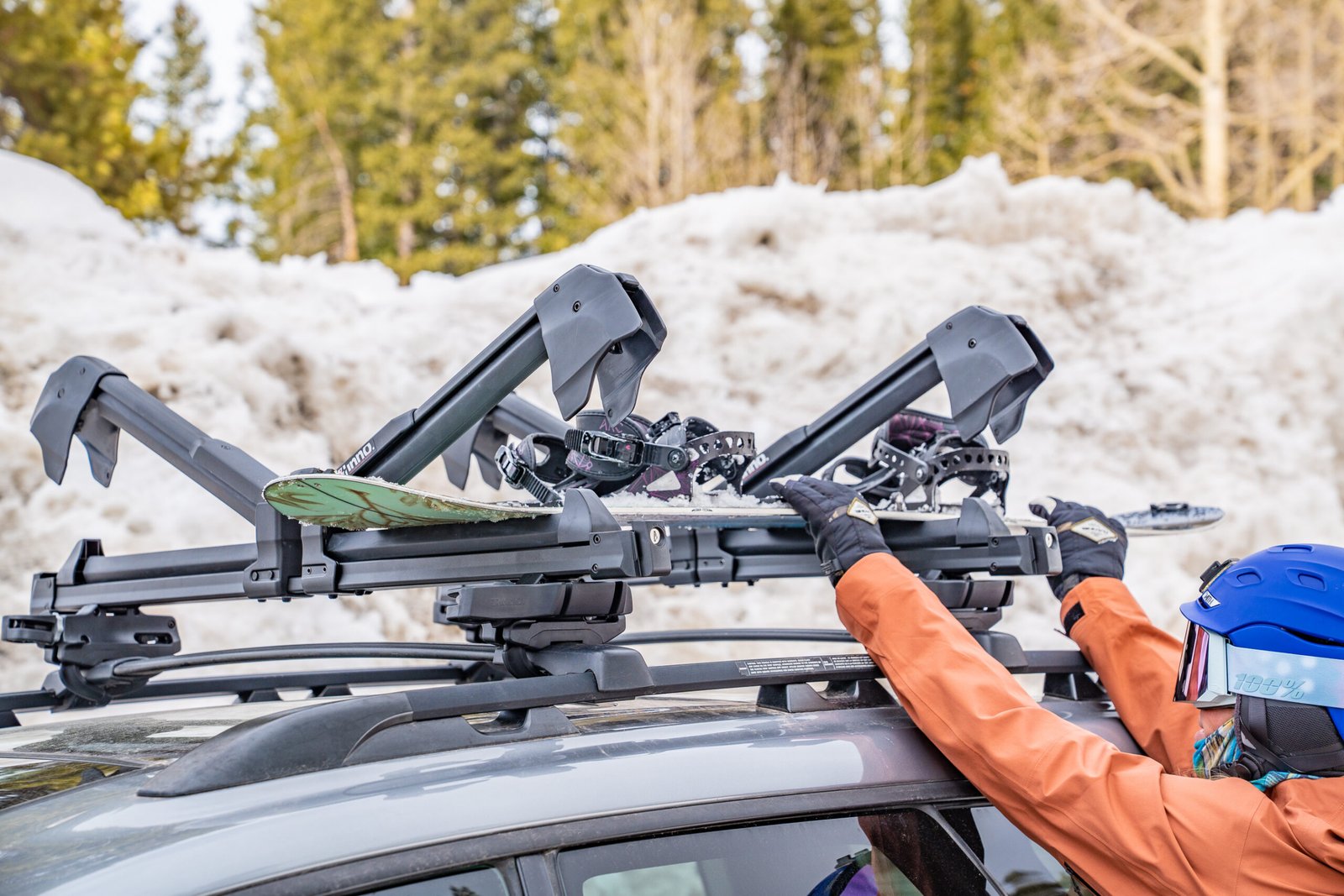
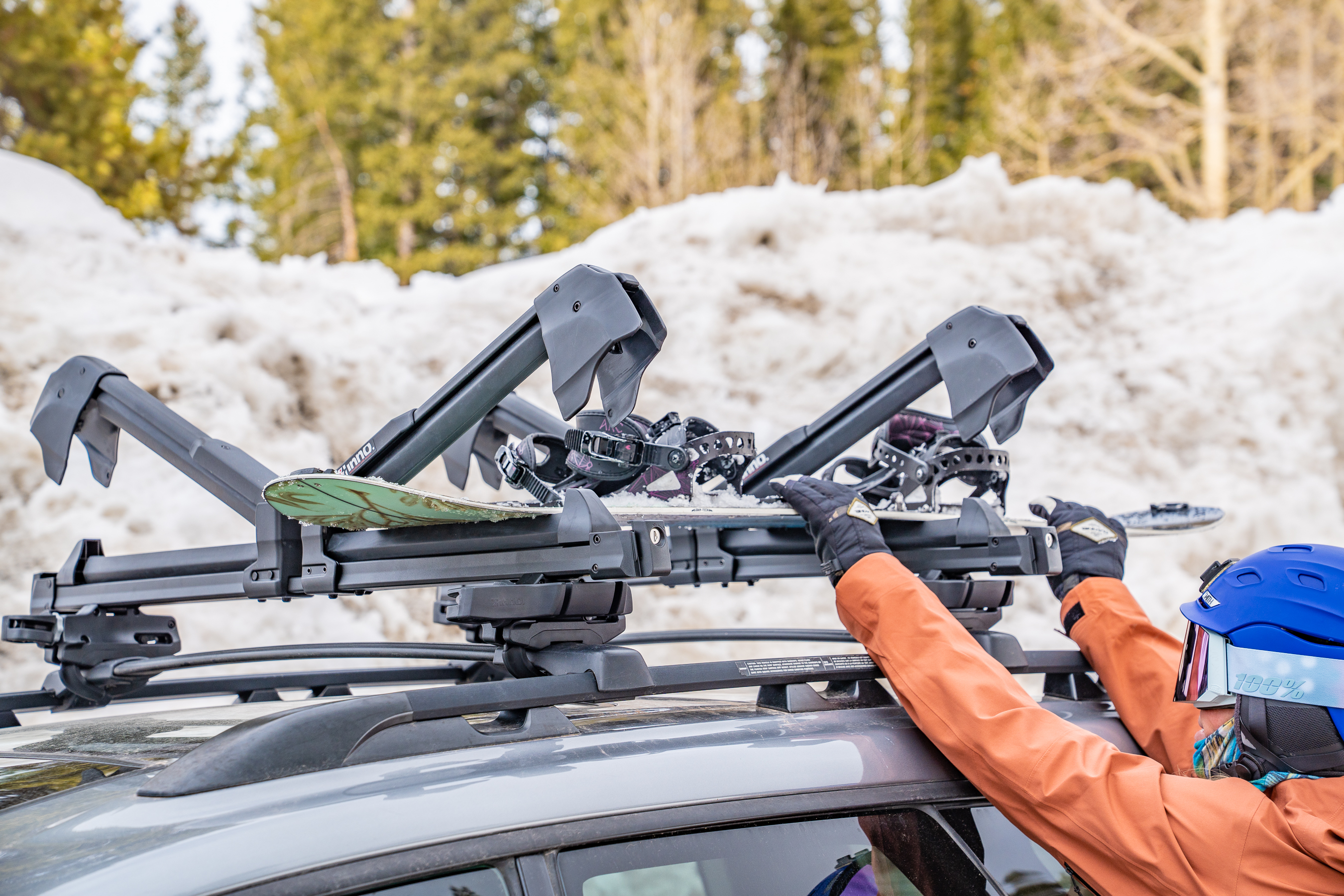
INNO is a Japanese brand with a strong focus on clean design and smart vehicle fit. Its roof rack systems are popular with drivers who want a low-profile setup for bikes, snowboards, skis, kayaks, and luggage. INNO products often look more compact and refined on smaller cars.
Both brands make quality roof rack systems. However, their design goals feel different:
• Rhino-Rack leans toward rugged use, modular accessories, and overland travel.
• INNO leans toward quiet road use, compact styling, and simple daily function.
• Rhino-Rack often offers more platform and off-road choices.
• INNO often offers a sleek fit for sedans, hatchbacks, crossovers, and wagons.
A careful Rhino-Rack vs INNO Roof Rack comparison must look at the complete system, not just the crossbars. The feet, vehicle fit kit, mounting points, accessories, and load rating all affect performance.
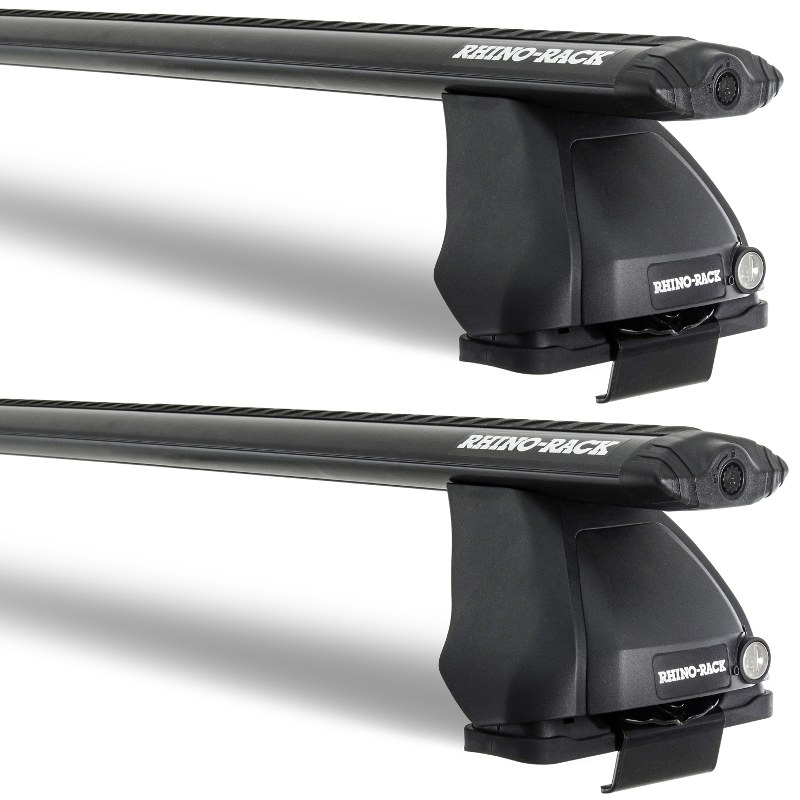
Rhino-Rack vs INNO Roof Rack: Main Differences
The easiest way to compare Rhino-Rack vs INNO Roof Rack is to match each brand with a typical user.
| Feature | Rhino-Rack | INNO |
|---|---|---|
| Main strength | Outdoor and off-road use | Quiet, clean daily use |
| Product range | Crossbars, platforms, backbone systems, baskets, accessories | Crossbars, feet, fit kits, carriers, boxes |
| Best vehicle types | SUVs, trucks, vans, adventure vehicles | Cars, wagons, crossovers, and SUVs |
| Design style | Rugged and modular | Sleek and compact |
| Platform options | Very strong selection | More limited in many markets |
| Noise control | Good, but depends on bar style | Often very good with aerodynamic bars |
| Installation | Can be simple or advanced | Usually simple when the fit is correct |
| Accessory ecosystem | Broad adventure range | Strong carrier and travel range |
| Ideal buyer | Camper, paddler, cyclist, overlander | Daily driver, skier, cyclist, road traveler |
These are broad trends, not strict rules. Rhino-Rack makes quiet aerodynamic bars, and INNO makes durable systems for active use. The vehicle and product series matter as much as the brand.
The Rhino-Rack vs INNO Roof Rack decision becomes clearer when you ask one practical question: what will you carry most often?

Crossbar Design and Aerodynamics
Crossbars support your cargo and spread weight across the roof. Their shape also affects wind noise, fuel use, and the way accessories attach.
Rhino-Rack offers several bar styles. Its Vortex bars use an aerodynamic shape and often include channels for mounting accessories. Heavy-duty bars provide more rugged support for demanding loads, but they may create more wind noise than an aero bar.
INNO is well known for compact aerodynamic crossbars. Many INNO systems use a low-profile shape that blends into the vehicle. This can help reduce the whistle and hum that some drivers notice at highway speed.
In practical use, no roof rack is completely silent. Noise can come from:
• The crossbar shape
• An uncovered accessory channel
• The foot design
• The distance between the bars
• A bike, kayak, or cargo box mounted above the bars
• The vehicle’s roof shape
A common mistake is to compare one brand’s premium aero bar with another brand’s basic square bar. That is not a fair test. For the most accurate Rhino-Rack vs INNO Roof Rack comparison, compare similar bar types and similar mounting systems.
If highway comfort matters most, choose an aerodynamic bar with a fitted channel cover. If strength and accessory flexibility matter most, accept that a heavier bar may be slightly louder.

Vehicle Fit and Compatibility
Fit is the most important part of any roof rack purchase. A high-quality bar is not useful if the feet or fit kit do not match your vehicle.
Both Rhino-Rack and INNO use vehicle-specific fit information. The correct system may change based on:
• Vehicle year
• Body style
• Factory roof rails
• Flush rails
• Fixed mounting points
• A bare roof
• A panoramic sunroof
• A removable roof panel
• A vehicle with a spoiler or unusual roof shape
Do not rely only on the vehicle model name. A 2022 vehicle with flush rails may need a different kit from a 2022 model with raised rails.
Rhino-Rack uses several mounting approaches, including clamp systems, fixed-point systems, platform systems, and vehicle-specific backbone supports. INNO also offers different feet and fit kits for different roof types.
Always use the current manufacturer fit guide before buying. Retailer listings can contain old data, especially when a vehicle receives a mid-year design change.
A useful buying habit is to record these details before you shop:
-
Vehicle year, make, and model
-
Exact trim level
-
Roof type
-
Factory rail style
-
Sunroof type
-
Cargo weight
-
Preferred accessory
This step prevents one of the most frustrating roof rack mistakes: buying bars first and discovering that the feet do not fit.
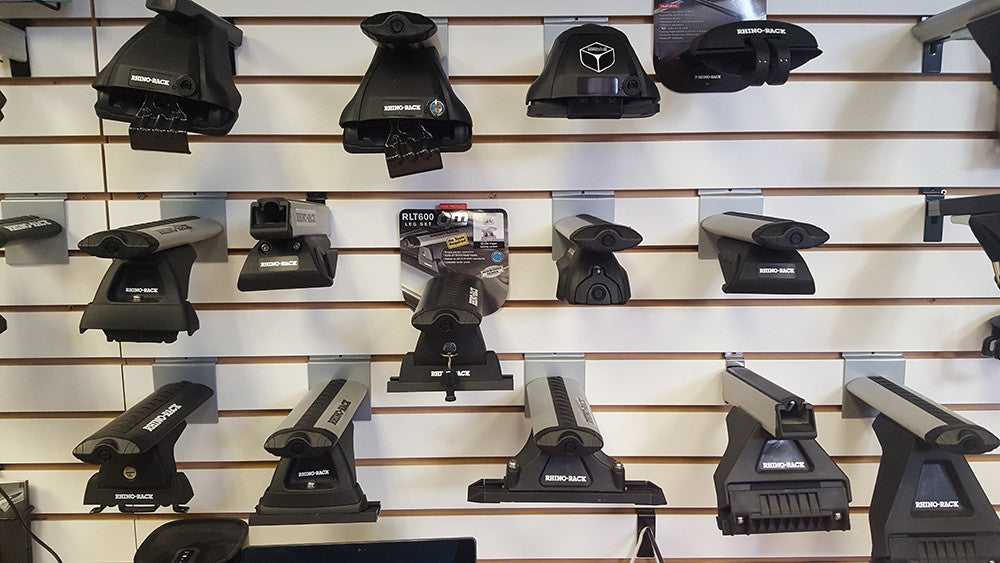
Load Capacity and Roof Safety
Roof rack strength has two separate limits:
• The roof rack system’s maximum load
• The vehicle roof’s maximum load
The lower limit always controls. For example, a rack may support a certain weight, but the vehicle roof may have a lower rating. You must follow the vehicle owner’s manual and the rack manufacturer’s instructions.
Also, load ratings can change when the vehicle is moving. Some systems have different limits for dynamic weight, which is the weight carried while driving, and static weight, which is the weight supported when parked.
This difference matters for roof tents. A roof tent may exceed the dynamic limit when parked, but the system and vehicle must still support the total static load. Never assume that a high rack rating automatically makes a vehicle suitable for a roof tent.
When comparing Rhino-Rack vs INNO Roof Rack, check:
• Maximum dynamic load
• Maximum static load, if listed
• Maximum spread between crossbars
• Minimum distance between crossbars
• Accessory weight
• Cargo weight
• Roof strength
• Installation torque
Cargo should be spread evenly. Heavy items should sit low and near the center of the rack. Keep the load secure, cover sharp edges, and check all straps after a short drive.
A roof rack can handle a lot, but it is not a license to overload the roof. Safe carrying starts with the vehicle rating, not the marketing label on the box.
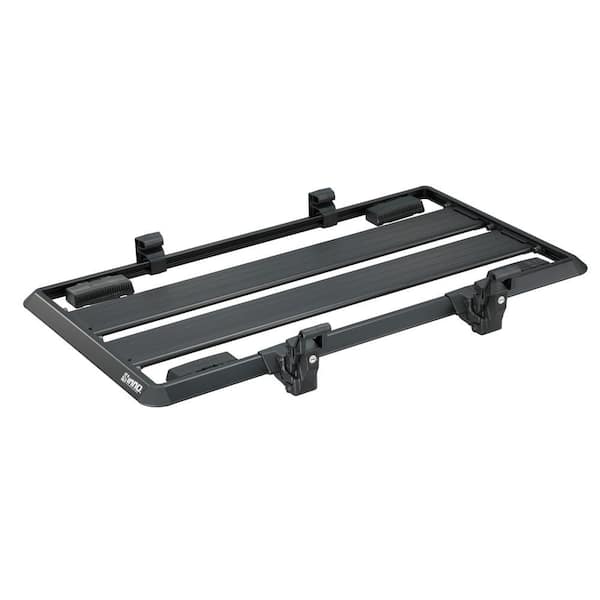
Installation and Ease of Use
Both brands can be easy to install when the correct kit is selected. The difficulty usually comes from the roof type, not the logo on the crossbar.
An INNO clamp-style system may suit a driver who wants a clean setup that can be removed when not needed. Many parts are compact, and the system can look tidy after installation.
Rhino-Rack offers simple clamp systems too. However, its more advanced platform and backbone products can take longer to install. Some installations may require careful trim removal, several measurement checks, or permanent mounting points.
Before installation, prepare:
• The correct fit kit
• A clean work area
• A torque tool or supplied torque indicator
• A tape measure
• The vehicle instructions
• The rack instructions
• Protective pads, if required
Do not guess torque. Too little force can allow movement, while too much force can damage the vehicle or rack. After installation, shake the rack firmly by hand. The vehicle may move slightly, but the feet should not slide or twist.
My biggest practical lesson with roof racks is to slow down during the first installation. Most problems come from skipped measurements, wrong foot positions, or missing rubber pads. Taking photos before removing factory parts also makes reassembly much easier.

Noise, Fuel Economy, and Driving Comfort
Wind noise is one of the most common roof rack complaints. It can make a calm drive feel like a window is slightly open.
INNO often performs well for drivers who want a quiet, low-profile rack. Its aerodynamic systems are designed with road use in mind. This makes INNO attractive for commuters and families who leave the rack installed year-round.
Rhino-Rack aerodynamic bars can also be quiet. However, a platform, basket, recovery boards, or other off-road accessory may create more wind resistance. A rugged setup usually makes a greater comfort trade-off than a simple pair of aero bars.
Fuel economy can also change. The effect depends on vehicle shape, driving speed, bar design, cargo, and weather. A bare crossbar system may have a small effect, while a loaded basket or rooftop tent can have a much larger effect.
To reduce noise and drag:
• Use aerodynamic bars.
• Fill open accessory channels with the supplied rubber strip.
• Remove unused accessories.
• Keep the load centered.
• Use a fairing only when it is approved for the rack.
• Check that straps do not flap in the wind.
For quiet daily driving, INNO may have the advantage. For a full adventure build, Rhino-Rack may offer more useful parts, even if the setup is not quite as silent.
Accessory Compatibility
Accessories often determine whether Rhino-Rack vs INNO Roof Rack is the better choice. A crossbar is only the base. Your real needs may include a bike rack, kayak carrier, ski carrier, cargo box, basket, awning, or roof tent.
Rhino-Rack has a broad accessory ecosystem. Its platform products are popular with people who want to mount several items or create a modular travel system. Many products use channels, brackets, and dedicated mounting hardware.
INNO offers a strong selection of carriers and travel accessories. Its systems work well for common loads such as bicycles, skis, snowboards, kayaks, and cargo boxes.
Before buying an accessory, check these details:
• Bar width
• Bar shape
• T-slot size
• Clamp compatibility
• Accessory weight
• Vehicle clearance
• Hatchback or liftgate clearance
• Sunroof clearance
• Required bar spread
A universal clamp may fit many bars, but “universal” does not mean perfect. Some clamps can interfere with a T-slot cover or sit too close to the foot.
If you already own a carrier, check its mounting instructions before choosing a new rack. The best Rhino-Rack vs INNO Roof Rack choice may be the one that works with the equipment you already have.
Platform Racks: Where Rhino-Rack Stands Out
A platform rack uses a broad, flat surface instead of only two crossbars. This design can make it easier to mount unusual cargo, recovery boards, awnings, traction boards, and multiple accessories.
Rhino-Rack is especially recognized for platform systems. Its Pioneer-style platforms and related mounting systems appeal to campers, overlanders, tradespeople, and outdoor travelers.
A platform offers several benefits:
• More mounting locations
• Better support for long or odd-shaped cargo
• A strong base for modular accessories
• A clean look on many SUVs and trucks
• More flexibility for future upgrades
There are also limitations:
• Higher purchase cost
• More weight
• More wind resistance
• Longer installation time in some vehicles
• Less convenient removal
INNO is usually the simpler choice if you only need two crossbars and one carrier. Rhino-Rack becomes more attractive when the roof is part of a larger travel system.
Think of a platform as a roof-mounted toolbox. It can do much more, but it takes more space, money, and planning.
Durability and Weather Resistance
A roof rack faces sun, rain, snow, road salt, dust, vibration, and sudden temperature changes. Materials and coatings matter, but care matters too.
Rhino-Rack products are built with outdoor use in mind. Many systems use aluminum components, steel hardware, protective coatings, and weather-resistant materials. Heavy-duty products are suited to drivers who spend time on rough roads.
INNO also makes durable systems for regular travel and outdoor recreation. Its clean parts and compact design can be a good fit for drivers who want function without a large off-road setup.
Durability depends on more than brand reputation. It also depends on:
• Correct installation
• Proper load balance
• Regular bolt checks
• Clean mounting surfaces
• Protection from road salt
• Safe storage of removed parts
• Replacing worn straps and rubber pads
Inspect the rack at the start of each season. Look for loose hardware, damaged rubber, corrosion, cracked plastic, and movement at the feet. A rack that was safe last summer still needs a fresh check this year.
Price and Long-Term Value
The price of Rhino-Rack vs INNO Roof Rack varies by vehicle and product level. A basic crossbar system may cost far less than a platform with vehicle-specific supports and several accessories.
INNO can offer strong value for a simple setup. If you need a compact rack for weekend trips, bikes, skis, or a cargo box, its total system cost may stay reasonable.
Rhino-Rack can cost more when you choose a platform, backbone system, heavy-duty bars, or multiple mounting accessories. Yet that higher cost may make sense if you plan to expand the system over time.
When comparing prices, include the full package:
• Crossbars
• Feet
• Fit kit
• Locks
• Mounting hardware
• Carrier
• Fairing
• Platform or basket
• Shipping
• Installation
A low bar price can be misleading if the feet and fit kit cost extra. Compare complete, vehicle-ready packages rather than single components.
The best value is not always the lowest price. It is the system that fits correctly, lasts through your use, and supports the cargo you actually carry.
Rhino-Rack vs INNO Roof Rack for Different Users
Best for daily commuters
INNO is often a strong choice for daily driving. Its low-profile systems can look neat and reduce the chance of constant wind noise.
Rhino-Rack also works well for commuters when paired with aerodynamic bars. It may be more rack than you need if you rarely carry outdoor gear.
Best for camping and overlanding
Rhino-Rack usually has the advantage for camping and overlanding. Platform racks, awnings, brackets, and vehicle-specific mounting options make it easier to build a complete system.
INNO can support camping gear, but its range may feel less focused on large modular builds in some markets.
Best for bikes
Both brands offer bike carriers. Your choice should depend on bike type, bar compatibility, loading height, and whether you prefer a roof-mounted or hitch-mounted carrier.
For heavy electric bikes, check the carrier rating carefully. Many roof bike carriers are not designed for the weight of an e-bike battery and frame.
Best for kayaks and paddleboards
Both brands can work well for kayaks and boards. Rhino-Rack may appeal to frequent paddlers who want wider platforms or more accessory choices.
INNO can be a smart option for occasional trips when you want a simple carrier on a quiet crossbar system.
Best for small cars
INNO often fits the needs of small-car owners. Its compact systems can preserve the vehicle’s clean shape and remain easy to remove.
Rhino-Rack has compatible systems for many smaller vehicles too. Check the exact fit guide, because roof clearance and maximum load can be limited on compact cars.
Common Mistakes to Avoid
A roof rack mistake can damage the vehicle, the cargo, or another driver’s property. Most errors are easy to prevent.
Avoid these problems:
• Buying by vehicle model without checking the year and trim
• Ignoring the vehicle roof load limit
• Mixing feet and bars without confirming compatibility
• Installing the rack without measuring bar spread
• Forgetting to tighten or torque the hardware
• Leaving unused accessories on the roof
• Using worn straps
• Placing heavy cargo on one side
• Blocking a hatch, antenna, or sunroof
• Assuming a rack is safe because it feels tight
• Failing to recheck the rack after the first drive
One mistake I often see is treating the rack as a permanent part of the vehicle and never inspecting it. Vibration slowly reveals weak points. A two-minute check before a long trip can prevent a costly failure.
Also, do not use a roof rack to carry cargo that is too long, too wide, or too unstable for the vehicle. When in doubt, choose a trailer or hitch carrier instead.
How to Choose Between Rhino-Rack and INNO
Use this simple process to make the decision.
-
Check your vehicle roof type and current load rating.
-
List the items you will carry most often.
-
Decide whether you need crossbars or a full platform.
-
Compare complete systems, including feet and fit kits.
-
Check accessory compatibility.
-
Consider highway noise and fuel use.
-
Confirm hatch, sunroof, and antenna clearance.
-
Read the latest installation instructions.
-
Compare warranty terms and replacement parts.
-
Buy from a seller with clear fitment support.
Choose Rhino-Rack if you want a rugged, expandable setup for camping, overlanding, paddling, or multiple outdoor accessories.
Choose INNO if you want a sleek, compact, and road-friendly system for bikes, skis, kayaks, luggage, or occasional trips.
If you are still unsure, start with your cargo and vehicle. The brand should follow your needs, not the other way around.
Maintenance and Safety Tips
Good maintenance keeps a roof rack quiet, secure, and ready for use.
Follow these habits:
• Clean the roof before installation.
• Wash dirt and salt from the rack.
• Inspect bolts, clamps, and rubber pads.
• Check locks and end caps.
• Replace damaged straps.
• Confirm the load before every trip.
• Recheck the rack after driving a short distance.
• Remove the rack when you do not need it, if practical.
• Keep the instruction manual in the vehicle or save a digital copy.
Cargo should be tied down with suitable straps. Do not depend on a cargo net alone for heavy or high items. Place soft goods in a weatherproof bag, and protect fragile items from direct contact with metal hardware.
Pay attention to height. A rooftop box, bike, or kayak can make a familiar vehicle too tall for a garage, parking deck, ferry, or drive-through. Place a reminder on the dashboard if you often use low-clearance areas.
Is Rhino-Rack or INNO Better for You?
There is no universal winner in the Rhino-Rack vs INNO Roof Rack comparison. Each brand serves a different kind of driver.
Rhino-Rack is the stronger match for rugged travel, modular platforms, and large outdoor setups. INNO is often the better match for quiet road use, simple installation, and clean styling.
Your vehicle fit guide is more important than online opinions. A perfect rack on the wrong vehicle is still the wrong rack.
Frequently Asked Questions About Rhino-Rack vs INNO Roof Rack
Is Rhino-Rack better than INNO?
Rhino-Rack is often better for off-road travel, platform racks, and modular outdoor accessories. INNO may be better for drivers who want a sleek, quiet system for daily road use.
Is INNO quieter than Rhino-Rack?
INNO often produces low wind noise with its aerodynamic systems. However, noise depends on the bar design, vehicle shape, installation, and accessories, so a Rhino-Rack aero system may also be very quiet.
Can Rhino-Rack and INNO accessories be used together?
Some accessories may fit both brands if the bar shape, channel, clamp, and load rating are compatible. Always check the accessory instructions instead of assuming that a universal clamp will fit safely.
Which roof rack is easier to install?
Both brands can be easy to install with the correct vehicle-specific kit. Basic clamp systems are usually faster, while platform and backbone systems may require more time and careful measurement.
Which brand is better for a roof tent?
Rhino-Rack is commonly considered for roof tent and overlanding builds because of its platform and mounting options. The vehicle’s dynamic and static roof limits must still support the complete system and tent.
Which roof rack is better for a small car?
INNO is often a strong choice for small cars because of its compact, low-profile designs. Rhino-Rack can also work well, but the exact vehicle fit, bar height, and roof load limit must be checked.
Do roof racks reduce gas mileage?
Any roof rack can increase drag, especially when loaded. Aerodynamic bars usually have less impact than square bars, baskets, platforms, bikes, kayaks, or rooftop tents.
Should I remove my roof rack when I am not using it?
Removing unused bars can reduce noise, drag, and exposure to weather. If removal is inconvenient, inspect the rack often and keep all unused channels and covers fitted correctly.
Conclusion
Rhino-Rack vs INNO Roof Rack is really a choice between two different strengths. Rhino-Rack is a natural fit for rugged travel, platform systems, and expanding outdoor setups. INNO is a strong choice for clean design, quiet driving, and simple transport on cars and crossovers.
Start with your vehicle’s roof rating and the gear you plan to carry. Then confirm the complete fit kit, load limit, accessory match, and installation method. Take a few extra minutes to compare the full system, and you will avoid many common roof rack problems.
Choose the rack that fits your real life, install it with care, and inspect it before every trip. If this guide helped, explore more vehicle-specific rack resources and share your Rhino-Rack or INNO experience in the comments.