Thule Vs SportRack Cargo Box: Best Choice For 2026
Thule usually offers better materials and features, while SportRack delivers solid cargo space at a lower price.
Choosing between a Thule vs SportRack Cargo Box is not only about brand name. It is about fit, storage space, road noise, security, weather protection, and how often you travel. After comparing cargo box designs, mounting systems, materials, and real-world use, Thule is usually the premium choice, while SportRack makes more sense for budget-minded drivers. This guide will help you choose with confidence.
Thule vs SportRack Cargo Box: Main Differences
Thule and SportRack cargo boxes both add roof storage for luggage, camping gear, skis, snowboards, and strollers. They can free up valuable space inside your vehicle and make long trips more comfortable.
The main difference is their market position. Thule focuses on premium design, advanced mounting systems, better finish quality, and a wider model range. SportRack focuses on practical function and lower cost.
Here is the simple comparison:
| Feature | Thule Cargo Box | SportRack Cargo Box |
|---|---|---|
| Price | Higher | Lower |
| Build quality | Premium | Good for the price |
| Mounting system | Often faster and easier | Usually simpler |
| Aerodynamics | Often better | Varies by model |
| Security | More refined locks and handles | Basic but useful |
| Interior space | Wide range of sizes | Good selection, often fewer options |
| Warranty support | Strong brand support | Depends on model and seller |
| Best for | Frequent travelers | Occasional users and families |
The best Thule vs SportRack Cargo Box choice depends on your vehicle, roof rack, budget, and travel habits.

Thule Cargo Box Review
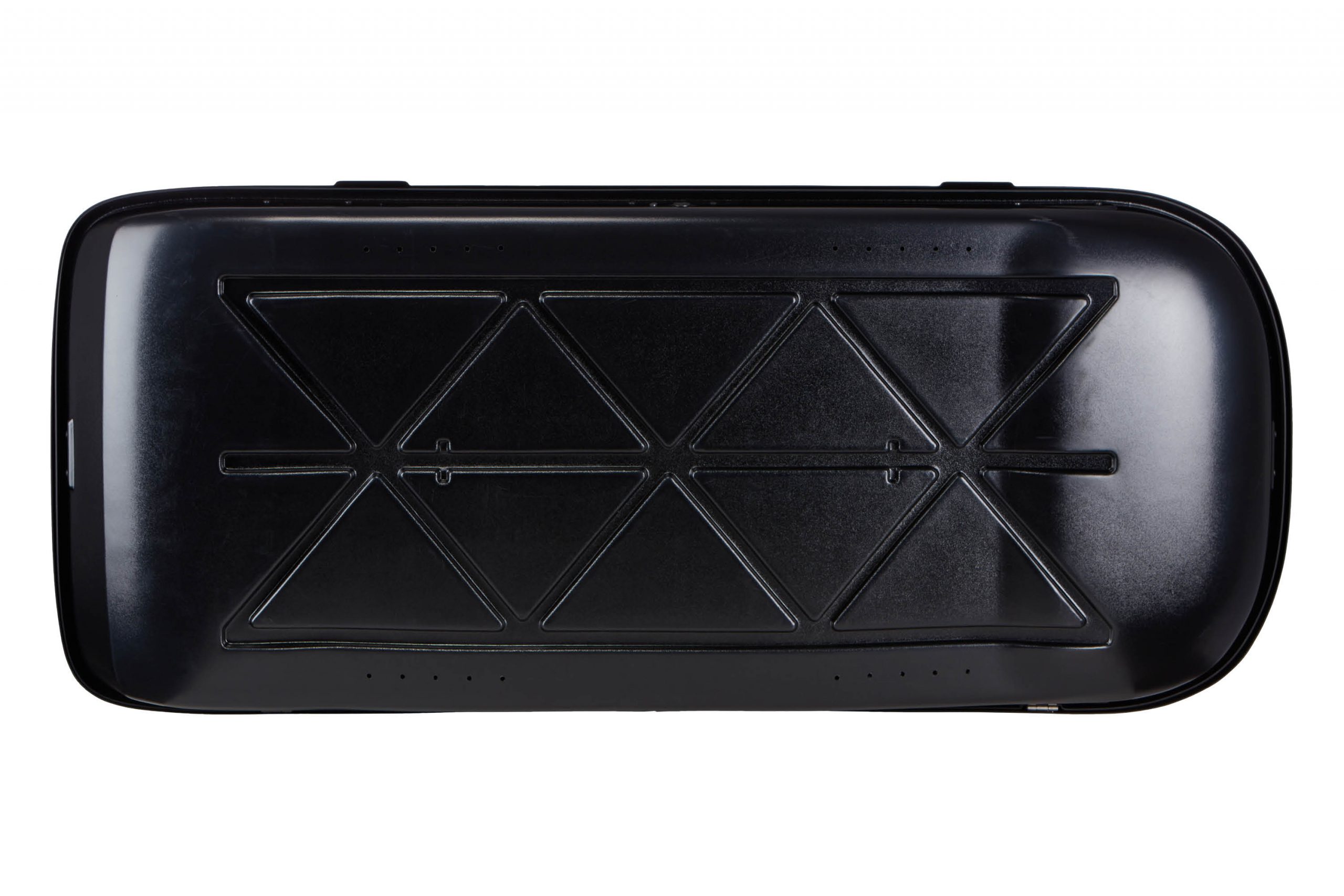
Thule cargo boxes are known for a polished design and strong attention to detail. Many models use sturdy plastic shells, smooth hinges, dual-side opening, and improved locking systems. The exact features depend on the model, so always check the current specifications before buying.
A major advantage is the mounting system. Some Thule boxes use quick-mount hardware that helps center the box and tighten it without much effort. This is useful when you install the box alone in a driveway or hotel parking lot.
Thule boxes also tend to offer:
• Better interior organization in some models
• More choices for roof height and vehicle size
• Smooth opening handles
• Good weather seals
• Refined shapes that may reduce wind noise
• Strong support for replacement parts and accessories
In my experience comparing roof cargo systems, the small details matter most. A handle that works with cold hands, a lid that opens from both sides, and a mount that does not require repeated adjustment can save time on every trip.
Still, Thule is not perfect. Premium models cost more, and a large box can be heavy. Some features may be unnecessary if you only use the box once or twice each year.
SportRack Cargo Box Review
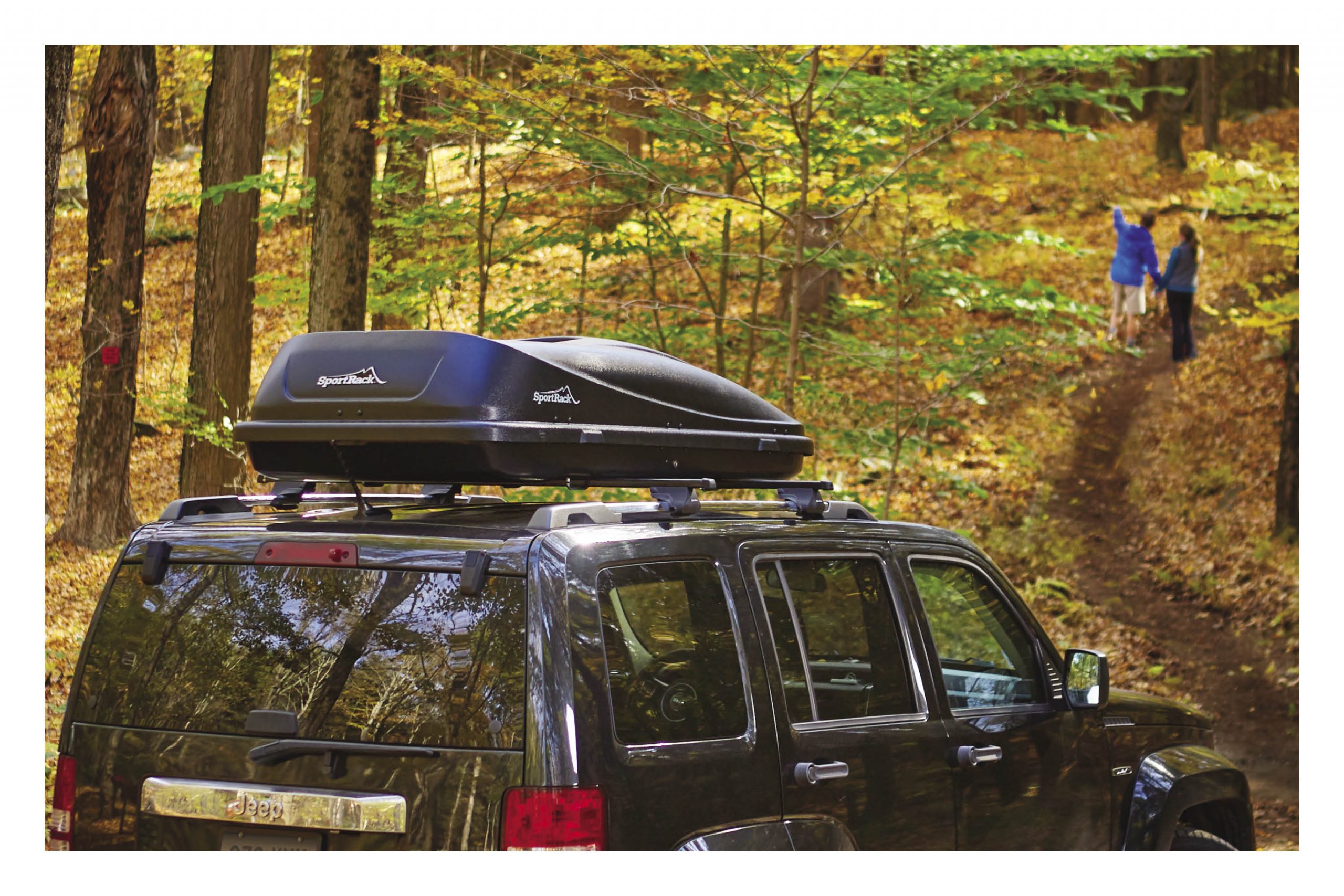
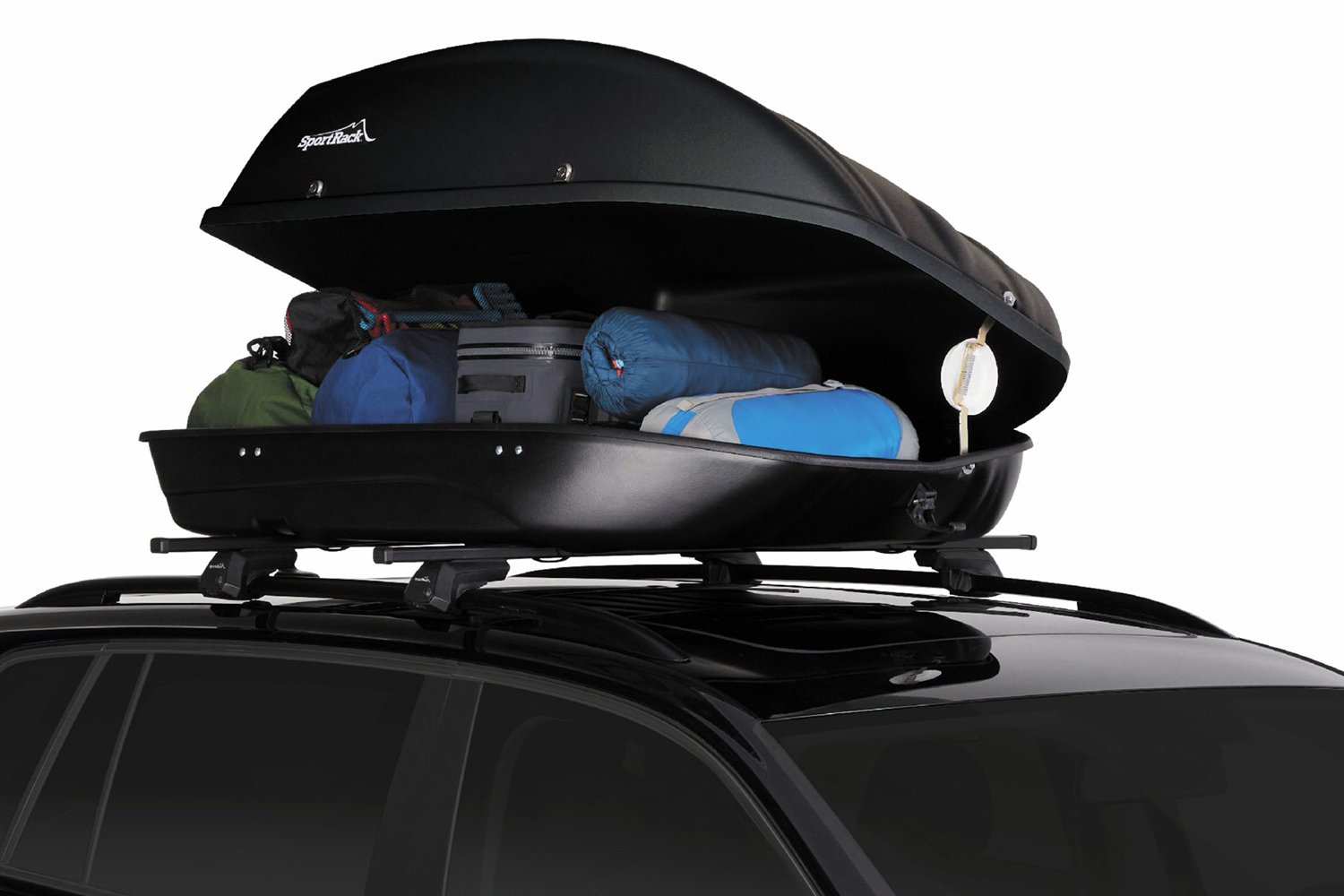
SportRack cargo boxes are designed for drivers who want extra storage without paying for every premium feature. They are often a good match for families, occasional travelers, and people buying their first rooftop cargo carrier.
Most SportRack models provide a durable plastic shell, basic locking, and enough room for soft luggage or outdoor equipment. They may use a simpler U-bolt or clamp-style mounting system. This design can work well, but installation may take more time.
SportRack is often a strong choice for:
• Weekend road trips
• Family vacations
• Occasional ski or snowboard travel
• Small SUVs and sedans
• Drivers with a limited accessory budget
• People who need extra storage but do not need luxury features
The main limitation is model variation. One SportRack cargo box may feel sturdy and quiet, while another may have a simpler hinge or louder shape. Read the product measurements, weight limit, and mounting requirements carefully.
A common mistake is judging a box only by its outside length. Interior shape matters just as much. A box with curved ends may hold less usable luggage than its advertised volume suggests.
Build Quality and Durability
Thule generally has the advantage in finish quality and long-term refinement. Its shells often feel more rigid, and its hinges, handles, and locks may work more smoothly after repeated use.
SportRack boxes can still last for years when stored and loaded correctly. The shell should not be treated like a hard case for heavy tools. Cargo boxes are made for light, bulky items such as clothing, sleeping bags, duffel bags, and camping gear.
To extend the life of either brand:
-
Keep heavy items inside the vehicle when possible.
-
Place soft bags near the box edges to prevent shifting.
-
Stay below the roof rack and cargo box weight limits.
-
Clean road salt and dirt from the mounts.
-
Store the box indoors or under cover when possible.
-
Do not force the lid if the box is overfilled.
Both brands can suffer damage from poor loading. A cracked shell or bent mount can create a safety risk, even if the box still appears usable.

Storage Capacity and Box Sizes
Cargo box size should match your vehicle and your gear. A compact box may suit a sedan, while a longer box may work better for skis and snowboards.
Most shoppers should compare three measurements:
• External length
• Internal usable length
• Internal height and width
A long box is useful for skis, but it may interfere with a rear hatch or roof antenna. A wide box offers more room for suitcases but may reduce space for a second bike, kayak, or other roof accessory.
For general travel, a medium box is often the safest choice. It can hold several soft bags without creating excessive weight or aerodynamic drag. Large boxes are helpful for families, but they also require more care during loading and storage.
Before buying a Thule vs SportRack Cargo Box, measure the distance between your crossbars. Then check the box’s mounting range. A box that cannot fit your bar spread is not a bargain.

Installation and Ease of Use
Installation is one area where Thule often feels more convenient. Its premium mounting hardware may allow faster tightening and better alignment. Some systems also make it easier to confirm that the clamps are secure.
SportRack installation is usually straightforward, but it may require more manual adjustment. You may need to position the box, reach inside, tighten hardware, and check the fit several times.
Use this simple installation process:
-
Place the box on the crossbars with help from another person.
-
Center it from left to right.
-
Check that the rear hatch can open.
-
Align the mounting points with the crossbars.
-
Tighten each mount evenly.
-
Open and close the lid.
-
Drive a short distance, then recheck the mounts.
Never install a cargo box on bare vehicle roof panels unless the product specifically supports that setup. Most boxes require a compatible roof rack with crossbars.
Wind Noise and Fuel Economy
Every rooftop cargo box creates some wind resistance. The amount depends on the box shape, vehicle height, speed, crossbar design, and load.
Thule often performs well in this area because many of its models use smoother, more aerodynamic shapes. SportRack can also be reasonably quiet, but results vary more between models.
You may notice:
• A low hum at highway speed
• More noise with square crossbars
• Extra fuel use during long trips
• Greater wind noise when the box is empty
Fuel economy can drop because the box adds drag. The exact change varies, so claims of one fixed percentage should be viewed carefully. Removing the box when you do not need it is the simplest way to reduce drag.
Load the box with soft, compact items. Avoid loose objects that can move and create noise. Make sure the lid closes evenly, since a poor seal can increase both noise and water entry.
Security and Weather Protection
A cargo box is not a replacement for a secure trunk. Its lock can discourage casual access, but determined thieves may still attack the box or the roof rack.
Thule usually offers more refined locking features, while SportRack provides basic security on many models. Check whether the box locks only when fully closed. This feature helps prevent driving with an unlocked lid.
For better security:
• Lock the roof rack to the vehicle.
• Lock the cargo box whenever you leave the car.
• Avoid storing electronics or passports inside overnight.
• Park in a bright, visible area.
• Inspect the lock before every trip.
Weather protection also depends on loading. A properly closed box can protect luggage from rain and snow, but no rooftop carrier should be assumed to be perfectly waterproof in every storm. Use waterproof bags for sensitive items.
Weight Limits and Safety
The cargo box has its own weight limit, but the vehicle roof and crossbars have limits too. Always use the lowest applicable rating.
For example, if the roof allows 165 pounds but the crossbars allow 150 pounds and the box allows 110 pounds, the practical cargo limit is not 165 pounds. You must account for the weight of the box and use the weakest limit in the system.
A safe calculation is:
Vehicle roof limit minus cargo box weight equals the maximum cargo load.
Follow these safety rules:
• Keep heavy items low and centered.
• Distribute weight across the box.
• Secure items so they cannot slide.
• Check the lid and mounts before driving.
• Reduce speed in strong wind or poor weather.
• Remember the added vehicle height in garages.
• Recheck the box after the first short drive.
The National Highway Traffic Safety Administration recommends following vehicle and carrier instructions and checking that loads are secure. This advice applies to every Thule vs SportRack Cargo Box comparison.
Price and Overall Value
SportRack usually wins on purchase price. It can provide enough storage for a family trip without a major investment. This makes it attractive for people who rent or borrow roof racks, travel only once or twice a year, or want to test rooftop storage.
Thule costs more, but the higher price may be worthwhile for frequent users. Faster installation, stronger refinement, better accessories, and broader size choices can add value over time.
Consider total value rather than the sticker price:
• How often will you use the box?
• Will you install it alone?
• Do you need dual-side opening?
• Does your vehicle need a low-profile design?
• Can you store the box safely?
• Are replacement parts easy to find?
A low-cost SportRack box may be the better choice for light use. A premium Thule box may be cheaper in the long run if it replaces repeated rentals or handles frequent travel.
Which Cargo Box Is Best for Your Vehicle?
The right box depends on your vehicle type and roof setup.
Sedan
A compact or medium cargo box usually works best. Check trunk clearance and roof weight limits. A very long box may extend too far forward or interfere with the trunk.
Crossover
Crossovers often support medium or large boxes. Check the rear hatch carefully. Some hatches rise high and may touch the box when fully open.
SUV
An SUV can often carry a larger box, but roof height makes loading harder. A step stool can improve safety and reduce strain.
Electric vehicle
An EV can use either brand, but aerodynamic drag may have a greater effect on range during highway travel. Choose a streamlined box and remove it when it is not needed.
Vehicle with a sunroof
Most cargo boxes can work with a sunroof if the crossbars are correctly placed. Test the sunroof before loading the box and follow the roof rack maker’s clearance guidance.
Thule vs SportRack Cargo Box: Pros and Cons
Thule advantages
• Premium fit and finish
• Easier mounting on many models
• Strong selection of sizes
• Refined locks and handles
• Often better aerodynamics
• Good choice for frequent travelers
Thule disadvantages
• Higher price
• Some models are heavy
• Premium features may be unnecessary for light use
SportRack advantages
• Lower purchase cost
• Practical storage
• Simple design
• Good option for occasional trips
• Often suitable for first-time buyers
SportRack disadvantages
• Fewer premium features
• Mounting may take longer
• Model quality and noise levels can vary
• Fewer choices in some markets
The Thule vs SportRack Cargo Box decision is less about finding a bad product and more about matching the product to your use.
Common Buying Mistakes to Avoid
Many cargo box problems begin before the box reaches the highway. Buyers often focus on capacity and forget fit, mounting, and storage.
Avoid these mistakes:
-
Buying without measuring the crossbar spread.
-
Ignoring the vehicle’s roof weight limit.
-
Choosing a box that blocks the rear hatch.
-
Assuming advertised volume equals usable space.
-
Forgetting the box’s own weight.
-
Installing it without checking the lock.
-
Leaving it mounted all year.
-
Packing heavy items near the lid.
-
Using the box for sharp or dirty gear without protection.
-
Failing to check the mounts during a long trip.
One lesson I have seen repeatedly in roof cargo testing is that fit matters more than brand loyalty. A well-fitted SportRack can be safer and more useful than an oversized Thule that blocks the hatch or exceeds the roof system’s limits.
How to Choose Between Thule and SportRack
Use this five-step method before you buy.
-
Measure your vehicle and crossbars.
-
Set a complete budget, including crossbars and storage accessories.
-
Estimate the gear you carry most often.
-
Compare mounting hardware, opening direction, and lock design.
-
Read the current installation and weight-limit instructions.
Choose Thule if you travel often, want easier handling, or care about premium finish and aerodynamics. Choose SportRack if you want useful cargo space at a lower price and can accept a simpler mounting system.
When comparing a Thule vs SportRack Cargo Box, product fit should come before brand preference.
Frequently Asked Questions About Thule vs SportRack Cargo Box
Is Thule better than SportRack?
Thule is usually better in materials, design refinement, mounting convenience, and model variety. SportRack can be the better value for occasional use when price is the main concern.
Is SportRack owned by Thule?
SportRack products have been associated with Thule in several markets, but ownership, distribution, and model availability can change. Check the current product label and warranty information for the exact box you plan to buy.
Which cargo box is quieter, Thule or SportRack?
Thule often produces quieter results because many models have more aerodynamic shapes. Noise also depends on the vehicle, crossbars, speed, and how the box is loaded.
Can a SportRack cargo box fit Thule crossbars?
Many SportRack boxes can fit compatible Thule crossbars, but the mounting range must match the bar spread and bar shape. Always confirm the exact compatibility details before installation.
Is a Thule cargo box worth the extra money?
It can be worth the extra cost for frequent travelers who value easier installation, better refinement, and long-term use. Occasional users may get better value from SportRack.
How much weight can I put in a rooftop cargo box?
Use the lowest weight limit listed for the vehicle roof, crossbars, and box. Subtract the box’s weight from that limit to find the maximum cargo load.
Can I leave a cargo box on my vehicle all the time?
You can, but it may increase wind noise, fuel use, and exposure to weather. Remove it when you do not need it, and store it according to the manufacturer’s instructions.
Conclusion
The Thule vs SportRack Cargo Box choice comes down to priorities. Thule is the stronger premium option for frequent trips, easier mounting, refined design, and broad model selection. SportRack offers practical storage at a lower cost and is often ideal for occasional travel.
Measure your roof system, check every weight limit, compare the inside dimensions, and think about how often you will use the box. With the right fit and careful loading, either brand can make road trips far more comfortable. Explore current models, compare verified specifications, and share your cargo box experience in the comments.