Porter Cable Vs Maxshine: Which Polisher Wins?
Porter Cable is simpler and proven, while Maxshine offers newer designs, more power, and greater polishing control.
Choosing between Porter Cable vs Maxshine depends on your car care goals, skill level, and budget. Porter Cable built its name with the trusted 7424XP dual action polisher, while Maxshine now offers a wider range of dual action and rotary machines for modern detailing work. This guide compares their power, safety, comfort, results, price, and long-term value so you can buy with confidence.

Porter Cable vs Maxshine: The Main Difference
The biggest difference between Porter Cable and Maxshine is age and product design. Porter Cable’s well-known 7424XP is a classic random orbital polisher. It focuses on simple controls, safe paint correction, and proven durability.
Maxshine takes a newer approach. Its polishers often include brushless motors, longer throws, slimmer bodies, improved balance, and better speed control. The exact features depend on the model, so comparing the model names is important.
In simple terms:
• Porter Cable is a basic, safe, and familiar choice.
• Maxshine offers more tool options and modern features.
• Porter Cable suits beginners and light correction.
• Maxshine suits hobbyists, mobile detailers, and professional shops.
• Neither brand is automatically best for every user.
The phrase “Porter Cable vs Maxshine” can be misleading because the brands do not offer one identical machine. A Porter Cable 7424XP should be compared with a similar 8 mm dual action Maxshine polisher, not a large-throw 15 mm or 21 mm model.

Porter Cable 7424XP Overview
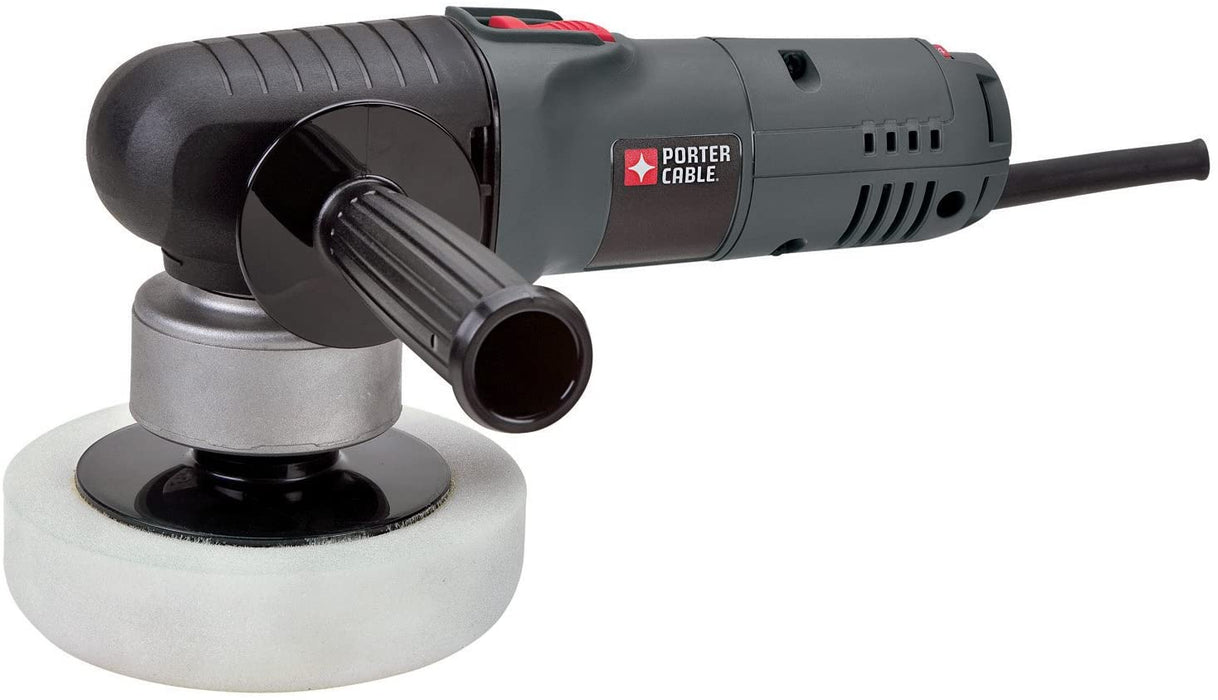
The Porter Cable 7424XP is a dual action random orbital polisher. Its backing plate moves in two ways: it spins and orbits at the same time. This movement helps reduce the risk of creating severe holograms or burn marks when compared with a traditional rotary polisher.
The 7424XP became popular because it is easy to control. It is also forgiving when a new user applies too much pressure or works at the wrong angle. That makes it a common first machine for people learning paint correction.
Key features commonly associated with the Porter Cable 7424XP include:
• Variable speed control
• A 6-inch polishing setup
• Random orbital movement
• A corded electric motor
• Compatibility with many aftermarket backing plates
• A large support base of pads and accessories
Porter Cable does not usually feel as smooth or refined as newer polishers. It can also vibrate more, especially at higher speeds. Still, the machine can produce excellent results when paired with the right pad, compound, polish, and technique.
One important point is availability. The Porter Cable 7424XP has been on the market for many years, and stock may vary by retailer. Used units are common, but their condition can differ greatly. Check the cord, speed dial, bearings, backing plate, and trigger before buying a used machine.
Maxshine Polisher Overview
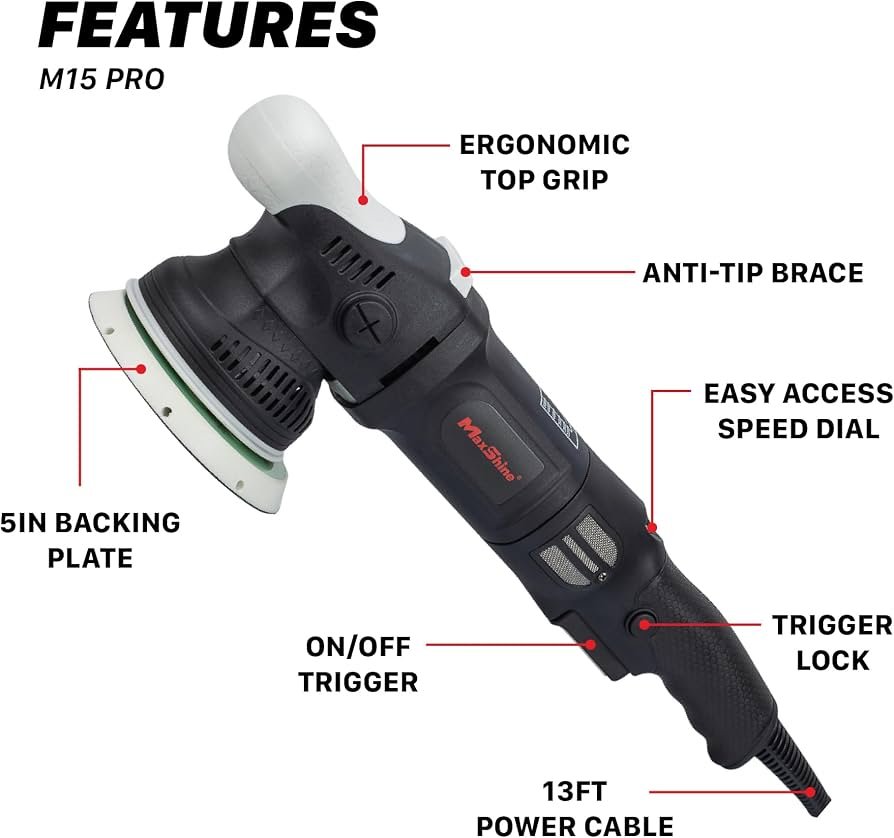
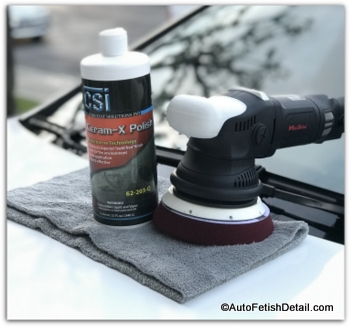
Maxshine produces several types of detailing tools. Its machine polishers include dual action models with different throw lengths, compact polishers for tight areas, and rotary polishers for more advanced correction work.
Many Maxshine polishers use newer motor designs and improved body shapes. Some models are brushless, which can reduce maintenance and provide smooth power delivery. Others use traditional motor systems but still offer better balance and ergonomics than older machines.
Common Maxshine categories include:
• 8 mm dual action polishers for general use
• 15 mm dual action polishers for faster correction
• 21 mm dual action polishers for large panels
• Mini polishers for bumpers, pillars, and narrow areas
• Rotary polishers for high-level cutting and finishing
Maxshine model names and specifications can change. Always check the current product page or manual for throw length, speed range, wattage, backing plate size, and warranty terms.
A longer throw can correct paint faster on large, flat panels. However, it may feel less stable on curved panels. An 8 mm polisher is often easier to control, while a 15 mm or 21 mm tool can save time in a busy detailing shop.

Porter Cable vs Maxshine: Performance Comparison
Paint Correction Power
Porter Cable can remove light to moderate defects. It works well for swirl marks, light oxidation, water spots, and dull paint. With a microfiber cutting pad and a suitable compound, it can correct more than many beginners expect.
However, the Porter Cable 7424XP may require more passes than a newer long-throw Maxshine machine. Its older motor design can slow down when you apply pressure. It also loses rotation more easily on curved panels.
Maxshine offers more choices for cutting power. A long-throw model can move a pad across a large area with greater efficiency. A forced rotation or rotary model may provide even more cutting power, but these tools demand better technique.
Finishing Ability
Both brands can finish paint to a high gloss. The final result depends more on pad choice, polish, paint hardness, machine movement, and surface preparation than on the logo on the tool.
Porter Cable has a gentle motion that works well for refining paint. It is a good option for a one-step polish on soft or medium paint. Maxshine also performs well, especially when the machine has low vibration and stable speed control.
A useful finishing process is:
-
Wash and decontaminate the vehicle.
-
Inspect the paint under strong light.
-
Test one small area.
-
Choose the least aggressive pad and polish that works.
-
Wipe the panel and inspect the result.
-
Increase cutting power only when needed.
This test-spot habit prevents wasted time. It also helps you avoid removing more clear coat than necessary.
Vibration and Comfort
The Porter Cable 7424XP is known for noticeable vibration. Many users can work with it comfortably for short sessions, but long correction jobs may cause hand fatigue.
Newer Maxshine polishers often have better balance and lower vibration. Slim grips and improved weight distribution can make a major difference during a full-day job. Comfort is not a luxury; it affects control, accuracy, and safety.
In practical detailing work, a machine that feels comfortable encourages slower arm movement and better pad contact. That often improves the finish more than a small increase in motor power.

Safety for Beginners
The Porter Cable vs Maxshine safety question has a simple answer: both can be safe when used correctly. A dual action polisher is usually easier for beginners than a rotary polisher because its orbiting movement lowers the chance of creating sharp holograms.
Still, no machine is completely risk-free. You can damage paint by using a dirty pad, holding the machine in one place, applying too much heat, or polishing a thin edge.
Follow these basic safety rules:
• Keep the pad flat on the panel.
• Use light to moderate pressure.
• Keep the machine moving.
• Clean or change pads often.
• Avoid hard edges until you gain experience.
• Check paint temperature during long polishing cycles.
• Start with a mild pad and polish.
• Use a paint thickness gauge when working on valuable or heavily corrected vehicles.
The Porter Cable 7424XP is often recommended for first-time users because its movement is predictable. A Maxshine 8 mm dual action machine can offer a similar learning curve. Larger-throw models require more care on curved surfaces.
Ease of Use and Ergonomics
The Porter Cable 7424XP has a familiar, sturdy design. Its controls are easy to understand, and replacement accessories are widely available. The main drawback is its older shape and higher vibration.
Maxshine machines often feel more modern in the hand. Many have improved rubber grips, better speed dials, and more compact bodies. Some models are easier to guide with one hand, although two-hand control is still safer for most polishing work.
Weight matters as well. A heavy tool may feel stable on a hood but tiring on a door or roof. A lighter tool can improve comfort but may need more careful handling to maintain steady pad pressure.
Before buying, consider:
• How many hours you will polish each week
• Whether you work on large vehicles
• How often you polish curved panels
• Whether hand vibration bothers you
• How easy it is to reach the speed control
• Whether you need a compact machine for tight areas
For occasional home use, Porter Cable’s simple design may be enough. For repeated work, Maxshine’s ergonomic improvements may justify the higher price.

Pads, Backing Plates, and Accessories
A polisher is only one part of the correction system. Pads and compounds have a major effect on the final result.
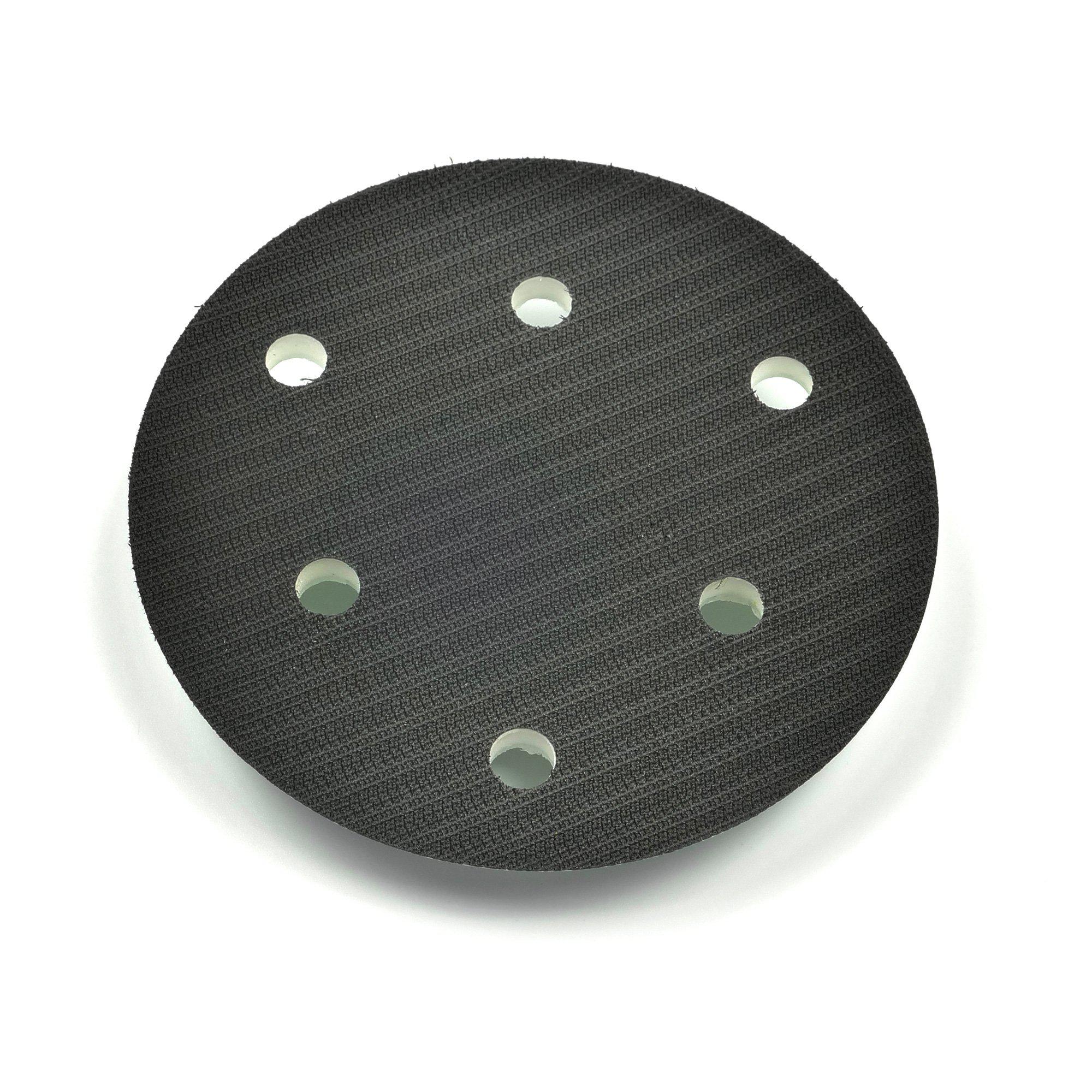
The Porter Cable 7424XP commonly works with 5-inch or 6-inch backing plate setups, depending on the machine and pad system. Many experienced detailers use a smaller backing plate because it reduces strain and improves control.
Maxshine polishers come in different sizes. A long-throw machine may require a backing plate and pad that match its intended orbit. Using the wrong pad size can reduce performance and increase vibration.
Choose pads based on the task:
• Foam cutting pads remove light and moderate defects.
• Microfiber pads provide stronger cutting action.
• Polishing foam pads refine the surface.
• Finishing foam pads improve gloss on soft paint.
• Wool pads offer strong cutting on suitable machines and paint systems.
Do not judge a machine only by its advertised power. A well-matched pad and compound can make a modest machine perform very well. A powerful machine with an unsuitable pad can create heat, dust, and uneven results.
Durability and Maintenance
Porter Cable has a long history in the power tool market. The 7424XP is simple enough that many accessories and replacement parts are easy to find. That is a major benefit for owners who want to keep a tool running for years.
Maxshine’s newer machines may offer better motor efficiency and refined construction. Durability depends on the exact model, usage, cleaning habits, and warranty support. Newer features do not always guarantee a longer service life.
Basic maintenance helps either brand:
• Clean polish dust from vents.
• Inspect the backing plate before each job.
• Keep the power cord away from hot panels.
• Replace worn pads and damaged cords.
• Do not operate the machine with blocked vents.
• Store the polisher in a dry, clean space.
A common mistake is leaving compound residue on the backing plate. Dried residue can create imbalance and vibration. A quick inspection before each job can prevent many problems.
Price and Overall Value
Porter Cable often appeals to buyers who want a lower entry cost. The machine may also be available in used condition, which can make it attractive for occasional detailing.
Maxshine usually offers a wider price range. Entry-level models can compete with mid-range tools, while advanced machines cost more because of their motors, throw lengths, ergonomics, and extra features.
Value depends on how often you use the tool:
• A homeowner polishing one or two vehicles per year may prefer Porter Cable.
• A serious enthusiast may benefit from an 8 mm Maxshine dual action polisher.
• A mobile detailer may save time with a 15 mm Maxshine machine.
• A professional correction shop may need several Maxshine machines for different panels.
Do not forget the total cost. Add pads, backing plates, compounds, extension cords, storage, and possible replacement parts. A cheaper machine can become less affordable if it forces you to buy extra accessories or takes much longer to complete each job.
Porter Cable vs Maxshine for Different Users
Best for Beginners
Porter Cable is a strong beginner choice because it is predictable and forgiving. It teaches the basics of pad pressure, machine speed, arm movement, and paint inspection.
A Maxshine 8 mm dual action polisher is also beginner-friendly. It may feel smoother and more comfortable, but the buyer should avoid jumping straight to a powerful rotary model.
Best for Hobbyists
For a hobbyist, the best choice depends on comfort and project size. Porter Cable works well for occasional one-step polishing. Maxshine may be better for enthusiasts who want faster correction or plan to polish several vehicles each year.
Best for Professional Detailers
Maxshine usually offers more options for professional work. A detailer can select a large-throw machine for broad panels, a compact polisher for tight spaces, and a rotary tool for specific correction tasks.
Porter Cable can still serve as a reliable backup or entry-level shop machine. It may also be useful for technicians who value simple controls over advanced features.
Best for Tight Areas
A full-size Porter Cable can struggle in narrow spaces. Maxshine’s mini polishers are more suitable for pillars, mirrors, bumpers, motorcycle parts, and other small sections.
Using a smaller tool also reduces the temptation to force a large pad into a tight curve. That can protect both the paint and the machine.
Common Mistakes to Avoid
Many disappointing results blamed on Porter Cable or Maxshine actually come from technique. Even a premium polisher cannot correct a dirty surface, a poor pad choice, or unrealistic expectations.
Avoid these errors:
• Skipping chemical and mechanical decontamination
• Starting with an aggressive compound without a test spot
• Using one pad for an entire vehicle
• Pressing too hard and stopping pad rotation
• Working in direct sun on hot paint
• Letting polish dry on the panel
• Ignoring thin paint on edges
• Expecting every deep scratch to disappear
A scratch that reaches through the clear coat may not be safely removable by polishing. The correct goal is often to reduce its appearance, not chase it until the surrounding paint becomes dangerously thin.
One practical lesson from professional detailing is that patience beats force. Three controlled passes with the right system are safer than one aggressive pass with too much heat.
How to Choose Between Porter Cable and Maxshine
Use this step-by-step method before you buy.
-
Decide what defects you need to remove. Light swirls need less power than heavy oxidation or sanding marks.
-
Set your budget for the complete system, not only the machine.
-
Choose dual action movement if you are new to machine polishing.
-
Select the correct throw length for your work.
-
Check pad and backing plate compatibility.
-
Compare warranty coverage and replacement support.
-
Read the current specifications for the exact model.
-
Buy quality pads and compounds before chasing maximum motor power.
If you want a simple, proven tool for occasional work, Porter Cable remains a sensible choice. If you want lower vibration, faster correction, or a wider tool lineup, Maxshine is usually the stronger modern option.
The best Porter Cable vs Maxshine decision is not about brand loyalty. It is about matching the machine to your paint, workload, skill level, and working style.
Frequently Asked Questions About Porter Cable vs Maxshine
Is Porter Cable better than Maxshine for beginners?
Porter Cable is often easier for beginners because the 7424XP has a gentle, predictable motion. A Maxshine 8 mm dual action polisher can also be beginner-friendly and may feel smoother in extended use.
Is Maxshine more powerful than Porter Cable?
Many Maxshine models offer stronger correction performance than the Porter Cable 7424XP, especially long-throw machines. However, power varies by model, pad, compound, and paint condition, so brand-level comparisons are not always exact.
Can Porter Cable remove deep scratches?
Porter Cable can reduce light and moderate paint defects, but it may not safely remove deep scratches. If a scratch has gone through the clear coat, polishing alone may not repair it.
Which brand has better ergonomics?
Maxshine generally offers newer body designs, improved balance, and lower vibration on many models. Porter Cable remains functional, but its older design may feel less comfortable during long polishing sessions.
Is the Porter Cable 7424XP still worth buying?
The Porter Cable 7424XP can still be worth buying for occasional polishing, beginners, and budget-conscious users. Check availability, condition, warranty, and included accessories before choosing a new or used unit.
Should I buy an 8 mm or 15 mm Maxshine polisher?
An 8 mm model is easier to control and works well for general detailing. A 15 mm model can correct large panels faster, but it may require more care on curved surfaces and sharp body lines.
Can I use the same pads on Porter Cable and Maxshine?
You can often use the same foam or microfiber pads if the backing plate and pad diameter match. Always confirm the recommended pad size for the exact polisher and throw length.
Conclusion
Porter Cable vs Maxshine is a comparison between a proven classic and a modern detailing lineup. Porter Cable offers simple controls, safe dual action movement, easy accessory support, and strong value for occasional users. Maxshine provides more choices, smoother designs, faster correction options, and better ergonomics for frequent or professional work.
Choose Porter Cable if you want a dependable first machine at a sensible cost. Choose Maxshine if comfort, speed, model variety, and modern features matter more. Start with a test spot, use the least aggressive method that works, and invest in good pads and compounds.
Take time to match the polisher to your real needs, then practice on a small panel before tackling the whole vehicle. Explore more detailing guides, compare current models, and share your Porter Cable vs Maxshine experience in the comments.