Rupes Vs Flex Polisher: Which Is Best For Your Car?
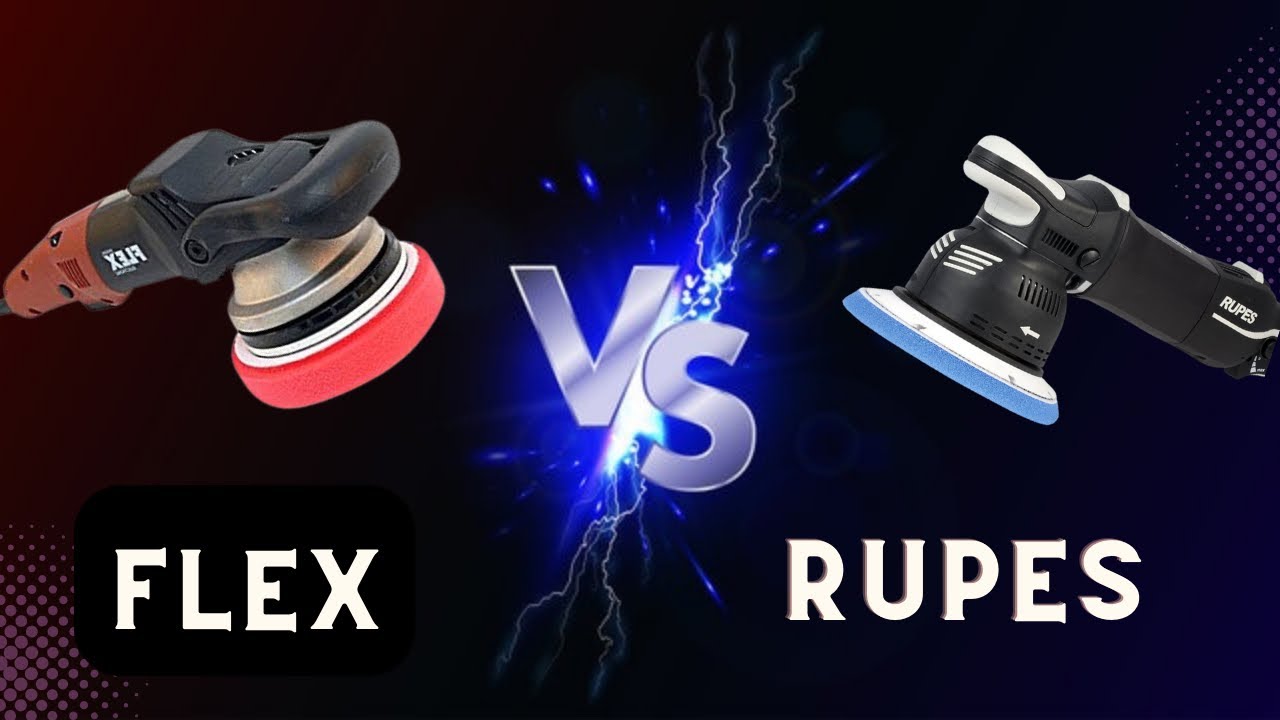
Rupes favors smooth, easy polishing, while Flex offers strong control, power, and a broader tool range.
Choosing between a Rupes vs Flex Polisher is not as simple as picking the most powerful machine. Both brands make excellent dual action and rotary polishers, but they feel different in use. The best choice depends on your paint type, correction goals, pad size, work habits, and budget. This guide compares their performance, comfort, safety, speed, and long-term value so you can buy with confidence.
Rupes vs Flex Polisher: The Main Difference
Rupes and Flex are trusted names in automotive detailing. Their polishers are used by hobbyists, mobile detailers, body shops, and high-end correction studios.
The biggest difference is their design philosophy:
• Rupes focuses on a smooth polishing system. Its tool, pad, and compound ranges are designed to work together.
• Flex offers a wide range of powerful tools. Its polishers often feel very controlled and robust, especially during heavy correction.
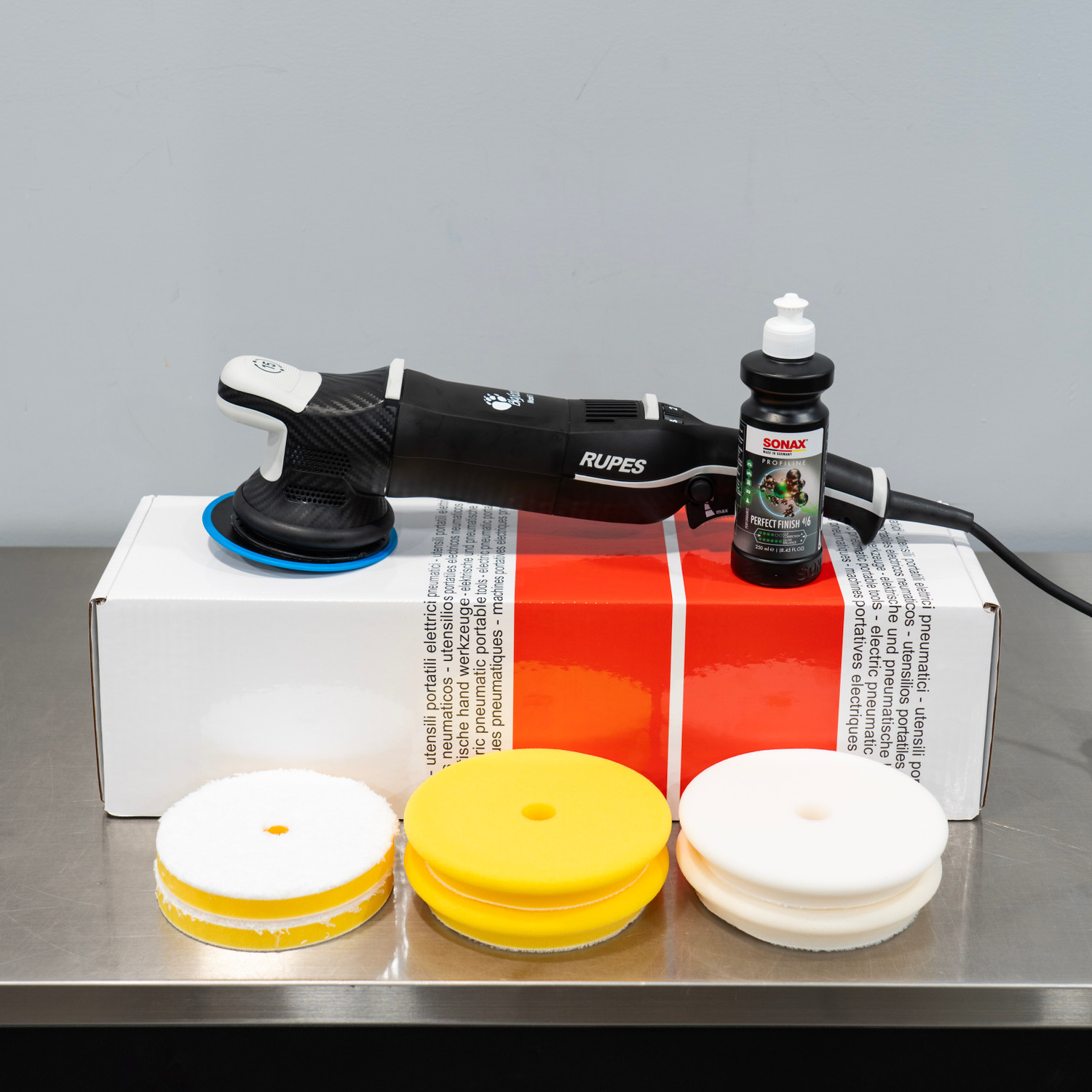
• Rupes BigFoot polishers are known for long throws, low vibration, and fast finishing work.
• Flex polishers are known for strong torque, solid build quality, and excellent user control.
Both brands produce dual action, forced rotation, and rotary machines. Since model names and specifications can change, always check the current product sheet before buying.
Rupes Polisher Overview
Rupes is an Italian company with a strong reputation in professional detailing. Its BigFoot system helped make large-throw dual action polishers popular in modern paint correction.
A Rupes random orbital polisher moves the pad in two ways. The pad spins around its own center while also moving in a wider orbit. This motion helps remove defects while reducing the risk of creating rotary holograms.
Popular Rupes categories include:
• BigFoot random orbital polishers for correction and finishing
• Forced rotation polishers for more cutting power
• Rotary polishers for advanced users
• Compact polishers for tight areas
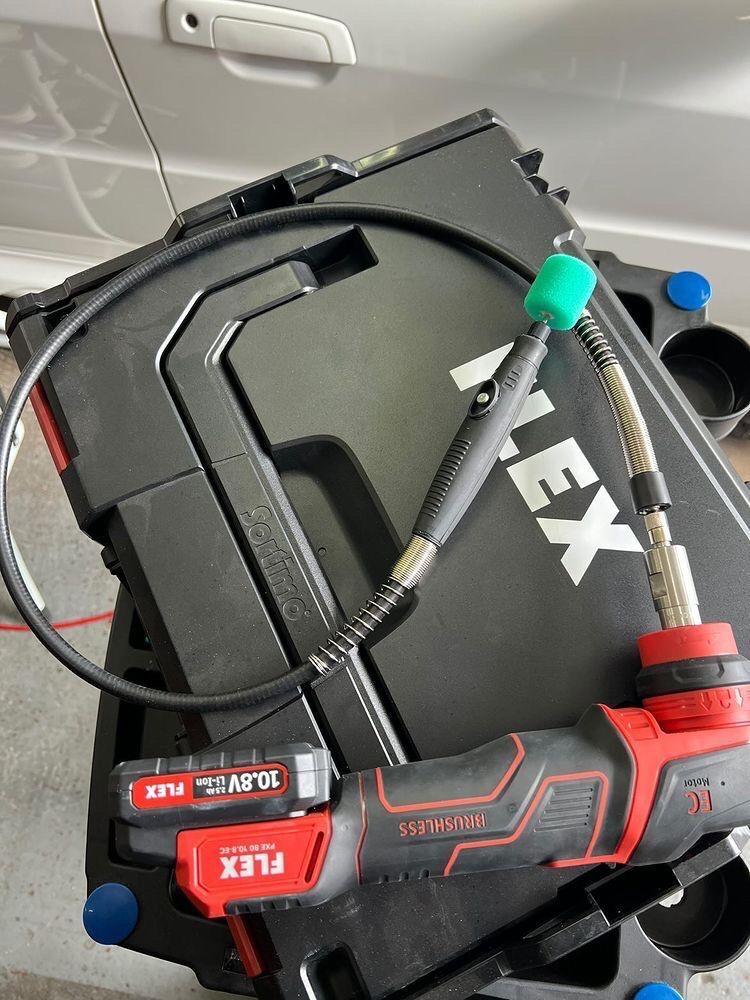
• Cordless polishers for mobile and flexible work
Rupes polishers often feel balanced in the hand. Their long-throw machines can correct paint quickly on large panels. They also work well with the matching Rupes foam pads and compounds.
One important lesson is that a long throw is not automatically better. A large orbit can improve speed, but it may feel less natural on curved panels or narrow body lines. Beginners should learn the machine’s movement before pressing hard or working near edges.

Flex Polisher Overview
Flex is a German power tool maker known for durable, high-performance equipment. Its automotive polishers include random orbital, forced rotation, and rotary models.
Flex machines often have a dense, solid feel. Many users like the strong grip areas, responsive trigger systems, and stable operation under pressure.
Common Flex polisher types include:
• Free-spinning dual action polishers for safe paint correction
• Forced rotation polishers for consistent pad movement
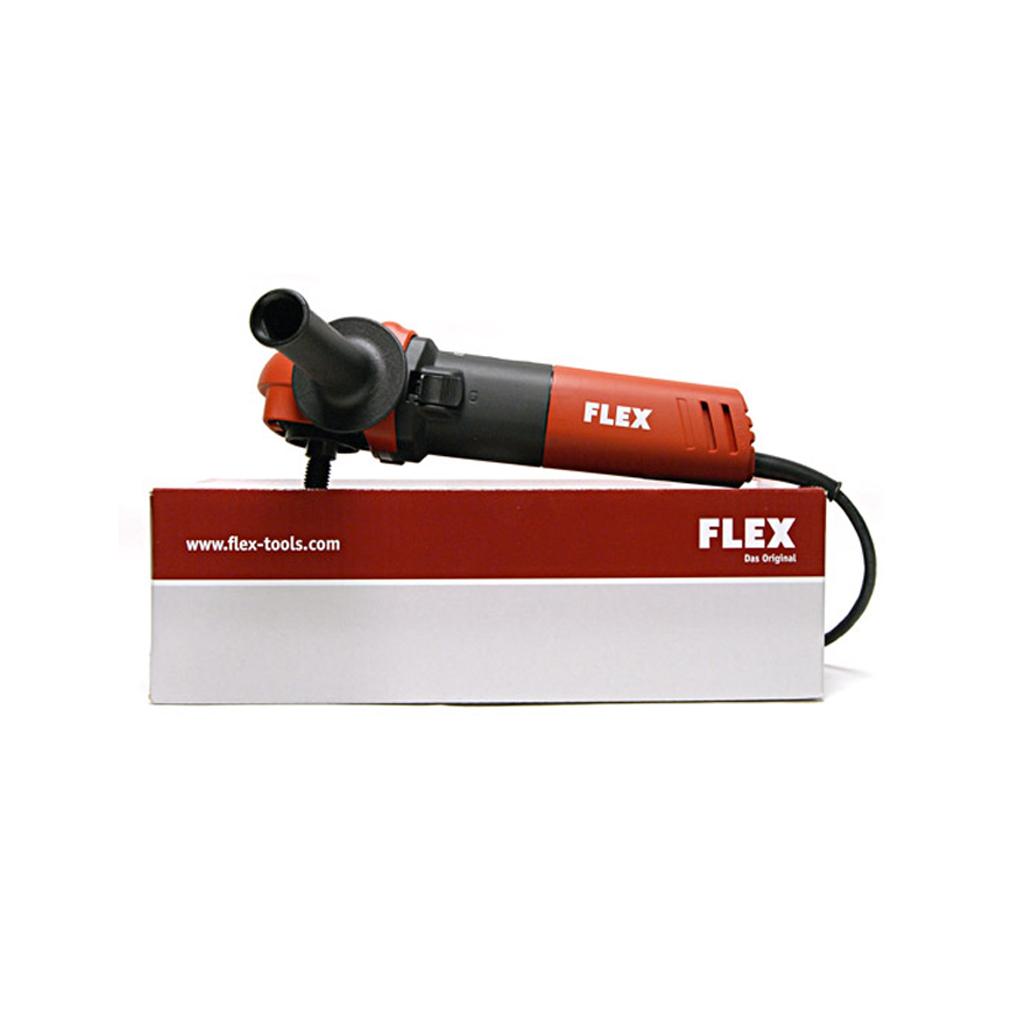
• Rotary polishers for fast cutting and professional refinishing
• Compact polishers for spot repair and small panels
• Cordless models for convenience and reduced cable management
The Flex XFE family is widely associated with smooth random orbital polishing. The Flex XC series uses forced rotation, which keeps the pad moving even when more pressure is applied. This can help on hard paint or deeper defects.
Flex polishers are often a good match for detailers who want one machine that feels powerful and highly controlled. However, some models may feel heavier or more tiring during long sessions.

Rupes vs Flex Polisher: Performance Comparison
Performance depends on the exact model, pad, compound, paint hardness, and user technique. Still, several general differences appear in daily work.
| Category | Rupes | Flex |
|---|---|---|
| Correction speed | Very strong with long-throw models | Very strong, especially with forced rotation models |
| Finishing quality | Excellent with the correct system | Excellent with proper pad and compound choice |
| Vibration control | Usually very smooth | Smooth, with a solid and controlled feel |
| Ease of learning | Friendly, but long throws need practice | Very controlled, though some models feel heavier |
| Heavy defect removal | Strong on suitable models | Excellent with forced rotation or rotary tools |
| System approach | Highly integrated pad and compound system | More flexible across products |
| Compact polishing | Good model range | Strong compact and cordless options |
| Price | Premium | Premium |
A Rupes dual action polisher can feel very fast on broad, flat panels. The long orbit moves more paint over a larger area with each pass. This makes it attractive for large vehicles, SUVs, and production detailing.
A Flex polisher may feel more direct under pressure. Forced rotation models keep the pad moving when the panel shape or pressure would slow a free-spinning machine. That extra drive can help when correcting hard clear coat.
The real winner depends on your work. A professional who values speed and a refined system may prefer Rupes. A user who wants torque, control, and strong panel feedback may prefer Flex.
Correction Power and Paint Safety
Paint correction is a balance between removing defects and preserving clear coat. No polisher can make aggressive correction risk-free.
A dual action machine is generally safer than a rotary because its pad motion is less likely to create concentrated heat and rotary holograms. Still, a dual action polisher can damage paint if used with too much pressure, a harsh compound, a dirty pad, or repeated passes over thin areas.
Rupes long-throw polishers can remove moderate defects quickly. Their wide orbit may also reduce the number of passes needed on a flat panel. This can save time and reduce unnecessary work.
Flex forced rotation machines provide consistent pad movement. That makes them useful when the pad stops spinning on curves or under pressure. The tradeoff is that forced rotation can build heat faster than a free-spinning dual action machine when used carelessly.
Use these safety habits with either brand:
• Measure paint thickness when the vehicle’s history is unknown.
• Start with the least aggressive pad and compound that may work.
• Clean the pad often to prevent dried compound and trapped grit.
• Keep the machine moving at a steady pace.
• Reduce pressure near edges, ridges, and repainted areas.
• Check panel temperature with your hand during early test passes.
A simple test spot is more reliable than guessing from the paint color. Always inspect the result under strong, direct light before treating the entire vehicle.

Ease of Use and Ergonomics
A polisher can have excellent specifications and still feel wrong in your hands. Ergonomics matter because paint correction may take several hours.
Rupes polishers often feel smooth and balanced. Their movement can seem calm, even when the machine is working hard. Many users appreciate this during long finishing stages.
Flex machines often provide a firm, planted feel. The body and grip areas can make it easy to guide the tool across a panel. Some models, especially forced rotation and rotary polishers, may feel more demanding if you work above shoulder height.
In my practical buying framework, comfort comes before small differences in advertised power. A tool that causes less hand fatigue helps you maintain even pressure and consistent passes. That directly affects the finish.
Before buying, consider:
• Your dominant hand and preferred grip
• The average size of the vehicles you polish
• Whether you work on vertical panels or roofs
• Corded versus cordless use
• The machine’s weight with a pad installed
• Trigger, speed dial, and lock switch placement
A lighter compact polisher is not a replacement for a full-size machine. It is a useful partner for bumpers, mirrors, pillars, and narrow sections.
Long Throw, Forced Rotation, or Rotary?
Understanding machine types is more useful than comparing brand names alone.
Random orbital or dual action
A free-spinning dual action polisher is a strong choice for most enthusiasts. It offers a helpful mix of correction ability, finish quality, and paint safety.
Rupes BigFoot random orbital models and Flex XFE models fit this category. They are suitable for one-step polishing, light correction, and finishing.
Forced rotation
A forced rotation polisher mechanically drives the backing plate. The pad continues to rotate even when pressure is added.
This design can improve cutting on hard paint and curved panels. It can also transmit more movement to your hands and create more heat, so technique matters.
Flex is especially well known for this category. Rupes also offers tools with forced rotation, so compare model features rather than assuming one brand owns the category.
Rotary
A rotary polisher spins the pad on one fixed axis. It can remove defects quickly, but it also creates more heat and can leave holograms when used by an inexperienced operator.
Rotary tools are useful in professional correction and body shop work. For a first machine, a dual action polisher is usually the more forgiving choice.
Pad and Compound Compatibility
The machine is only one part of the correction system. Pad choice, compound cut, working time, and paint hardness can change the result more than a small difference between brands.
Rupes has a highly matched system of microfiber, wool, foam pads, and compounds. This makes product selection easier, especially for new users. Following the recommended pairing can produce predictable results.
Flex polishers can also work with many pad and compound brands. This gives experienced detailers more freedom to customize their process. It also means you must test combinations instead of relying on one preset system.
A basic process looks like this:
-
Wash and decontaminate the vehicle.
-
Inspect the paint under proper lighting.
-
Choose a small test area.
-
Start with a medium polish and polishing pad.
-
Complete several slow passes.
-
Wipe the panel and inspect the result.
-
Increase or reduce cutting strength as needed.
-
Repeat the successful combination on similar panels.
One mistake I often see in new detailing setups is blaming the machine for a poor result. A clogged pad, excessive product, fast arm speed, or weak lighting is often the real cause.

Corded Versus Cordless Polishers
Both Rupes and Flex offer cordless options in selected product lines. Cordless polishers improve movement around the vehicle and remove the risk of dragging a cable across fresh paint.
The downside is battery management. Heavy correction can use battery power quickly, especially with larger pads or forced rotation tools.
Corded models remain useful for full-day shop work. They provide consistent power and avoid interruptions for charging. A high-quality extension cord and careful cable handling can solve most mobility problems.
Choose cordless if:
• You work outdoors or at different locations.
• You value fast setup and easy movement.
• You already own compatible batteries.
• You mainly perform small or medium correction jobs.
Choose corded if:
• You polish several vehicles in one day.
• You need uninterrupted heavy correction.
• Battery and tool cost are major concerns.
• Your workspace already has safe power access.

Price, Warranty, and Long-Term Value
Rupes vs Flex Polisher pricing varies by model and kit. A package may include pads, backing plates, compounds, batteries, or storage cases, so compare the complete kit rather than the tool price alone.
A premium machine can make sense when it saves time and reduces fatigue. For a hobbyist who polishes one vehicle twice a year, a mid-range dual action machine may provide better value.
Check these details before purchase:
• Warranty length and local service support
• Replacement backing plate availability
• Brush, battery, and cable access
• Included pad sizes
• Noise and vibration levels
• Authorized retailer status
• Cost of compatible batteries
Avoid choosing a tool only because it has the highest wattage. Polishing results depend on pad motion, torque, heat control, technique, and the condition of the paint.
A machine that lasts for years is valuable, but only if you can use it comfortably. Try to handle the tool in a store or watch detailed demonstrations of the exact model before ordering.
Which Polisher Is Best for Beginners?
For most beginners, a free-spinning dual action polisher is the safest starting point. It offers enough correction power for swirls, oxidation, water spots, and light scratches while giving the user time to improve technique.
A Rupes random orbital polisher may appeal to beginners who want a matched system and smooth operation. The pad and compound recommendations can reduce guesswork.
A Flex random orbital polisher may suit beginners who prefer a sturdy, controlled feel. It is also a good choice for users who may later move into more demanding correction work.
Choose based on your likely use:
• First machine for home detailing: Select a user-friendly dual action model.
• Large vehicles and fast correction: Consider a long-throw Rupes or powerful Flex model.
• Hard paint and deep defects: Consider a Flex forced rotation model or a suitable Rupes forced rotation tool.
• Final finish and jeweling: Choose a smooth dual action machine with a soft pad.
• Small areas and spot repair: Add a compact polisher later.
Do not begin with a rotary tool simply because it cuts fast. A controlled, safe result is more valuable than maximum speed.
Practical Mistakes to Avoid
Even an expensive Rupes vs Flex Polisher will not fix poor preparation. The following mistakes can waste time or harm the finish.
• Skipping decontamination: Iron particles and tar can clog pads and create new marks.
• Using too much compound: Excess product reduces pad movement and creates a messy wipe-off.
• Working a dirty pad: Clean or change pads before residue becomes hard and abrasive.
• Moving too quickly: Slow, controlled passes give the abrasives time to work.
• Applying constant heavy pressure: Pressure can stop a free-spinning pad and increase heat.
• Ignoring panel edges: Edges have less paint and need lighter pressure.
• Using one pad for the whole car: Have several clean pads ready.
• Inspecting only in shade: Bright inspection lighting reveals defects that sunlight may hide.
A good working rhythm is simple: clean the panel, test a small area, polish, inspect, and adjust. This method prevents you from repeating the same mistake across the entire vehicle.
Rupes vs Flex Polisher: Final Buying Guide
Choose Rupes if you value a smooth, refined system with matched compounds and pads. Its long-throw dual action polishers are excellent for broad panels, efficient correction, and high-quality finishing.
Choose Flex if you prefer strong control, a solid build, and a wide selection of machine types. Flex is especially attractive to detailers who want forced rotation power or a tool that feels firm under pressure.
Consider these final questions:
• Do you need maximum comfort for long sessions?
• Will you correct light defects or deep defects?
• Do you prefer a guided product system?
• Do you need forced rotation?
• Will you work corded or cordless?
• Can you access warranty service in your area?
The best Rupes vs Flex Polisher is the one that matches your technique and workload. Brand loyalty matters less than correct pad selection, safe pressure, clean tools, and careful inspection.
Frequently Asked Questions About Rupes vs Flex Polisher
Is Rupes better than Flex for beginners?
Neither brand is always better for every beginner. A free-spinning dual action model from either brand is usually easier and safer to learn than a rotary or aggressive forced rotation tool.
Which polisher has more power, Rupes or Flex?
Power depends on the exact model, not only the brand. Flex forced rotation models often feel stronger under pressure, while Rupes long-throw models can correct quickly through efficient pad movement.
Is a Rupes polisher safer than a Flex polisher?
A free-spinning dual action Rupes or Flex polisher is generally safer than a rotary machine. Safe use still requires proper pad choice, moderate pressure, clean pads, and care around edges.
Can I use Rupes pads and compounds with a Flex polisher?
Yes, Rupes pads and compounds can generally be used with compatible Flex polishers. The final result depends on the backing plate size, pad type, paint hardness, compound, and technique.
Which is better for hard clear coat, Rupes or Flex?
A forced rotation Flex model can be very effective on hard clear coat because it keeps the pad moving under pressure. A powerful Rupes model can also perform well when paired with the right microfiber, wool, or foam system.
Are cordless Rupes and Flex polishers worth buying?
Cordless polishers are useful for mobile work, tight spaces, and fast setup. They may cost more and need extra batteries for long correction sessions, so corded models can offer better value for shop use.
Conclusion
Rupes and Flex both make high-quality polishers, but they serve slightly different preferences. Rupes stands out for smooth operation, matched polishing systems, and efficient long-throw correction. Flex stands out for strong control, durable construction, and impressive forced rotation and rotary options.
For most beginners, start with a free-spinning dual action model, practice on a test panel, and learn how pads and compounds affect the paint. Compare the exact model, weight, warranty, power source, and intended use before buying. Explore each brand’s current product range, and share your polishing experience or questions in the comments.