What Causes a Jeep Engine to Overheat?
What causes a Jeep engine to overheat? It usually comes down to a problem within the cooling system, preventing your Jeep from dissipating heat effectively. The main culprits often involve issues with coolant levels, leaks, or the proper functioning of key components like the thermostat or water pump.
Our research confirms that addressing these issues promptly is critical, as consistent engine overheating can lead to severe damage. For instance, manufacturer specifications often indicate that operating an engine outside its optimal temperature range, which is typically around 200-220°F (93-104°C) for many gasoline engines, can cause premature wear. Let's dive into the specifics.
Is Your Jeep Running Hot? Let's Figure Out Why.
When Did It Start? Understanding the Timeline of Your Jeep's Overheating
Pinpointing when the overheating began can offer crucial clues about the root cause. Was it a sudden event, or has it been a gradual problem? A sudden spike in engine temperature often points to an immediate failure, like a burst hose or a failed thermostat suddenly sticking shut.
These issues prevent the coolant from circulating effectively, leading to a rapid temperature rise.
Conversely, a gradual increase in temperature might indicate a slow leak developing over time, a radiator becoming progressively more clogged, or a fan clutch weakening. Aggregate reviews suggest that gradual overheating can be trickier to diagnose because the symptoms might be intermittent or only appear under specific driving conditions. Understanding this timeline helps narrow down the possibilities significantly when you're trying to diagnose what causes a Jeep engine to overheat.
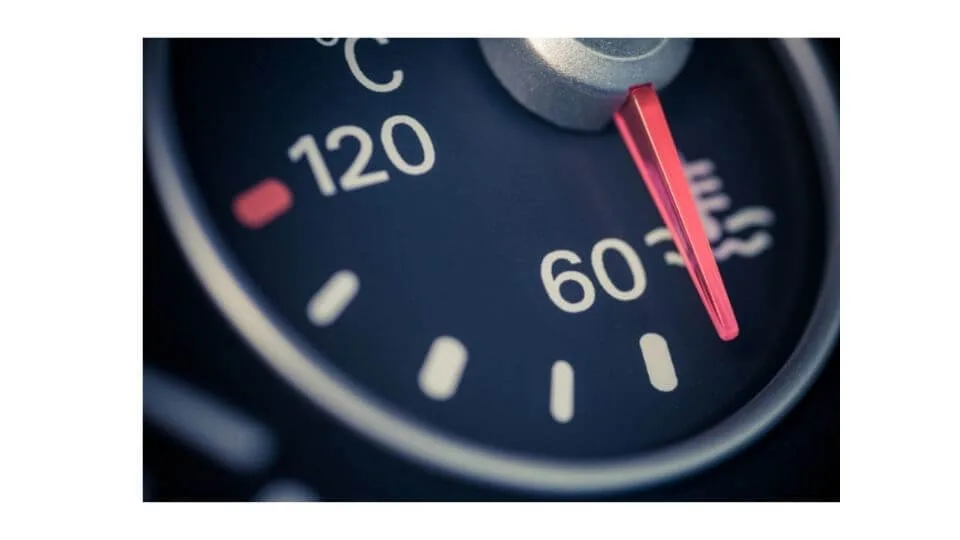
Image source: Web (Bing) / jeepmodified.com (Web image (fair-use with source credit))
Low Coolant: The Most Common Culprit for a Hot Jeep
The simplest and most frequent reason your Jeep's engine might be overheating is a low coolant level. The cooling system relies on a specific mixture of antifreeze and water to absorb heat from the engine and transfer it away via the radiator. If this fluid isn't present in sufficient quantity, the system simply can't keep up with the heat generated by combustion.
Checking Your Coolant Level and Reservoir
The coolant reservoir, often a translucent plastic tank, is your first stop for a quick check. When the engine is cool, the coolant level should sit between the "MIN" and "MAX" markings on the tank. If it's below the "MIN" line, you likely have a low coolant issue.
You can also carefully remove the radiator cap (only when the engine is completely cold to avoid burns!) to see if the coolant is right at the top.
Recognizing and Addressing Coolant Leaks
A consistently low coolant level almost always means there's a leak somewhere in the cooling system. These leaks can occur in various places:
- Hoses: Rubber hoses can degrade, crack, or loosen over time, especially older ones.
- Radiator: The radiator itself can develop pinhole leaks or corrode.
- Water Pump: The seal on the water pump is a common failure point.
- Heater Core: Leaks here can sometimes lead to a sweet smell inside the cabin.
- Thermostat Housing: The gasket or seal around the thermostat housing can fail.
If you notice puddles of green, pink, or orange fluid under your Jeep, or a distinct sweet smell when the engine is hot, you've found a leak. Topping off the coolant is a temporary fix; finding and repairing the leak is essential to preventing overheating. Per standards from organizations like the National Highway Traffic Safety Administration (NHTSA), maintaining proper fluid levels is a key aspect of vehicle safety.
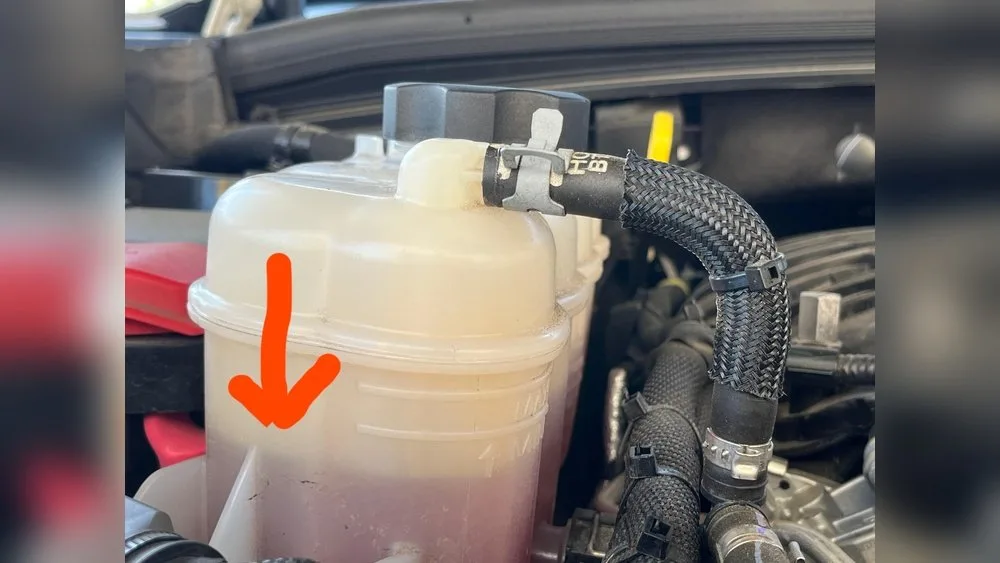
Image source: Web (Bing) / jeepcorner.com (Web image (fair-use with source credit))
The Thermostat's Role: Why It Might Be Causing the Heat
The thermostat acts as a critical gatekeeper for your Jeep's cooling system. It's a small, temperature-sensitive valve that dictates when coolant flows from the engine to the radiator. When your engine is cold, the thermostat stays closed, allowing the engine to warm up to its optimal operating temperature more quickly.
Once that target temperature is reached, the thermostat opens, enabling coolant to circulate through the radiator to be cooled.
If this thermostat gets stuck in the closed position, coolant cannot reach the radiator, and your engine will quickly begin to overheat. This is a common failure point for many vehicles. Symptoms can include the temperature gauge climbing rapidly after startup, or the engine overheating even when the coolant level appears normal.
Sometimes, you might also notice that your cabin heater blows cold air, as there's no hot coolant flowing to the heater core. Replacing a faulty thermostat is a relatively straightforward repair for many DIYers.
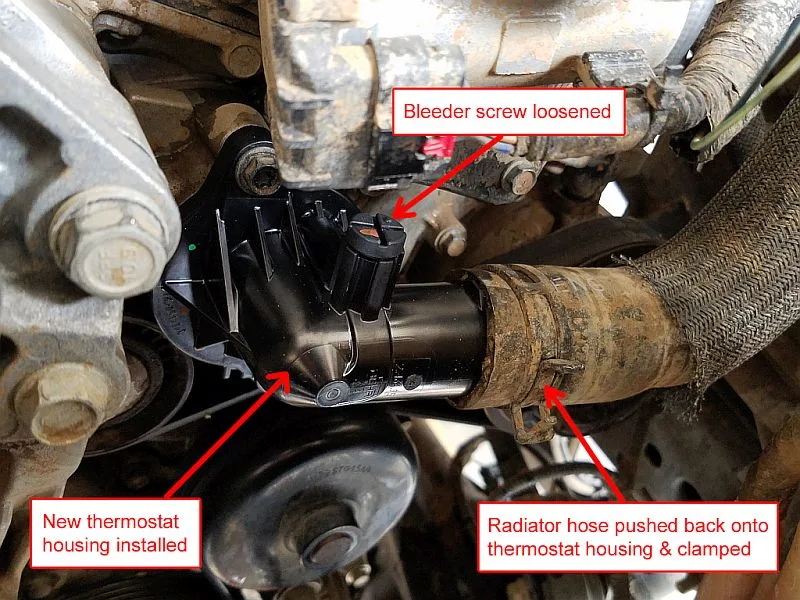
Image source: Bing (Web (fair-use with source credit))
Clogged Radiator: When Airflow and Flow Are Blocked
The radiator is the unsung hero of your cooling system, responsible for dissipating the heat absorbed by the coolant. If the radiator becomes clogged, either externally or internally, its ability to cool the engine is severely compromised, leading directly to overheating.
External Radiator Debris
Over time, the fins of your radiator can become blocked by road debris, leaves, insects, and dirt. This external buildup prevents air from flowing freely through the radiator, which is essential for cooling the coolant within its tubes. If you notice your radiator looking like a matted mess of grime, it needs cleaning.
A gentle spray from a hose or compressed air, working from the engine side outwards, can often clear this debris.
Internal Radiator Blockages
Internal clogs are more insidious. Sediment, rust, and mineral deposits can build up inside the radiator's narrow passages over years of use, restricting coolant flow. This buildup reduces the radiator's efficiency, making it struggle to cool the engine, especially under load or in hot weather.
A proper coolant flush, using a quality flush chemical, can sometimes clear minor internal blockages. However, severe internal corrosion might necessitate radiator replacement. Manufacturer guidelines typically recommend a coolant flush every 30,000 to 50,000 miles, depending on the vehicle and coolant type, to prevent such issues.
Fan and Fan Clutch Issues: Not Enough Air Moving
The radiator fan plays a crucial role in pulling air through the radiator, especially when your Jeep is moving at low speeds or is stationary. Without adequate airflow, the coolant in the radiator can't release its heat effectively, and the engine temperature will rise.
- Electric Fans: Many modern Jeeps use electric fans. If an electric fan isn't working, it could be due to a blown fuse, a faulty relay, a wiring issue, or a failed fan motor itself. You should be able to hear these fans kick on when the engine reaches a certain temperature, or when the A/C is running.
- Mechanical Fans (with Fan Clutch): Older Jeeps often use a belt-driven fan with a fan clutch. This clutch is designed to engage the fan more strongly as the engine gets hotter, causing it to spin faster. If the fan clutch wears out, it won't engage properly, meaning the fan spins too slowly to provide sufficient cooling. A simple test for a mechanical fan clutch is to see how much resistance there is when you try to spin the fan by hand with the engine off. It should have some drag; if it spins too freely or feels loose, the clutch is likely bad. Issues with the serpentine belt that drives the fan can also cause insufficient fan speed.
Water Pump Woes: When Circulation Stops
The water pump is the heart of your Jeep's cooling system. Its job is to continuously circulate coolant from the radiator, through the engine block, and back again. If the water pump fails, this vital circulation stops.
This means hot coolant can't be sent to the radiator to be cooled, and the engine will quickly overheat.
Common failure points for a water pump include a worn-out bearing, which can cause grinding or whining noises and a wobbly pulley, or a failing seal, which will lead to coolant leaks. If you notice coolant dripping from the front of the engine, especially around the pulley area, your water pump might be the culprit. Ignoring a failing water pump can lead to more severe engine damage, as the engine will be running without any effective cooling.
The Serious Stuff: When a Blown Head Gasket is the Cause
A blown head gasket is one of the more severe potential causes of engine overheating. The head gasket is a critical seal between the engine's cylinder head and the engine block. It prevents coolant and oil from mixing, and also seals the combustion chambers from the cooling and oil passages.
When this gasket fails, it can create several problems that lead to overheating.
- Coolant Loss: A blown gasket can allow coolant to leak into the combustion chambers, where it's burned off and exits as white smoke from the exhaust. This constant loss of coolant will inevitably lead to overheating.
- Exhaust Gas Contamination: Conversely, hot exhaust gases can leak from the combustion chambers into the cooling system. This introduces excessive heat and pressure into the coolant, overwhelming the radiator's capacity. You might see bubbles in the coolant reservoir or experience rapid pressure buildup.
- Oil Contamination: If the gasket fails between a coolant passage and an oil galley, it can cause coolant to enter the oil. This creates a milky, frothy appearance in the oil, which significantly reduces its lubricating properties and can lead to other engine failures. If your oil looks like a milkshake, it's a strong indicator of a head gasket issue.
Troubleshooting Your Jeep's Overheating: A Step-by-Step Guide
When your Jeep's temperature gauge starts climbing, it's natural to feel a bit of panic. However, by following a logical troubleshooting process, you can often identify and even resolve the issue yourself. Remember, safety is paramount, especially when dealing with a hot engine.
Quick Checks You Can Do Right Now
If you notice your engine running hot, the first step is to pull over safely and turn off the engine. Never open a hot radiator cap! Allow the engine to cool down completely. Once it's cool, check the coolant level in the reservoir. If it's low, carefully add the correct type of coolant.
Next, visually inspect all visible hoses for cracks or looseness. Look for any obvious signs of leaks under the vehicle. If the coolant level is fine and there are no visible leaks, check if your radiator fan is operating when the engine is running (after it has cooled down and you've restarted it cautiously).
A lack of fan operation, especially at low speeds, is a significant clue.
When to Call a Professional Mechanic
While many overheating issues can be simple fixes, some point to more complex problems. If you've checked the coolant and for obvious leaks, and the overheating persists, it's time to seek professional help. Issues like a stuck thermostat, a failing water pump, or a blown head gasket require specialized tools and knowledge for accurate diagnosis and repair.
Trying to force a repair beyond your comfort level can sometimes worsen the problem, leading to more expensive damage. For instance, a service bulletin from a major Jeep manufacturer might suggest that diagnosing internal cooling system pressure issues requires specialized equipment to prevent potential component damage during testing. If you are unsure about any step in the diagnosis or repair, it's always best to consult a qualified technician who can properly assess the situation.
Frequently Asked Questions About Jeep Engine Overheating
What should I do if my Jeep starts overheating while driving?
Pull over to a safe location immediately and turn off the engine. Do not attempt to open the radiator cap while the engine is hot, as this can cause severe burns. Allow the engine to cool down completely before checking coolant levels or looking for visible leaks.
How often should I check my Jeep's coolant?
It's a good practice to check your coolant level at least once a month, and always before a long trip or before driving in extreme conditions. Regular checks are key to catching low coolant levels before they cause overheating.
Can driving with an overheating engine cause permanent damage?
Yes, driving with an overheating engine can cause severe and expensive damage. This includes warping cylinder heads, blowing head gaskets, and seizing engine components. It's critical to address overheating issues as soon as they are detected.
How much does it typically cost to fix an overheating Jeep?
The cost can vary widely depending on the cause. Topping off coolant or replacing a hose might cost under $100. However, replacing a water pump or fixing a blown head gasket can range from several hundred to over a thousand dollars, depending on the Jeep model and labor rates.
Is it safe to drive my Jeep if the temperature gauge is slightly above normal?
It's generally not recommended. Even a slightly elevated temperature can indicate an underlying problem that could worsen quickly. It’s best to pull over, let the engine cool, and investigate or have it checked by a mechanic before continuing your journey.