Why Is My Jeep Renegade Not Starting?
When you turn the key or push the start button on your Jeep Renegade and hear nothing but silence, or just a click, it’s an instant heart-stopper. That moment of dread when your ride won't cooperate can really throw a wrench in your day, whether you're trying to get to work or head out on an adventure.
Understanding why your Jeep Renegade not starting is often about a systematic approach to diagnosing the issue. While modern vehicles are complex, many no-start problems boil down to a few common culprits that you can often identify with a bit of guidance. Our research indicates that a healthy battery, a functional starter, and adequate fuel supply are the foundational elements for any engine to fire up.
Why Is My Jeep Renegade Not Starting?
Your Jeep Renegade isn't starting primarily due to an issue with its electrical system, fuel delivery, or the ignition mechanism. Common culprits include a dead or weak battery, a faulty starter motor, problems with the fuel pump or filter, or a malfunctioning ignition switch. Less common but possible causes involve the engine control unit (ECU) or a security system lockout.
What To Do When Your Jeep Renegade Won't Crank
That sinking feeling when your Jeep Renegade won't crank is familiar to many drivers. The first step is always to stay calm and avoid unnecessary actions that could worsen the problem. Think of it like a simple diagnostic flow: start with the easiest, most common issues and work your way down the list.
Image source: Bing (Web (fair-use with source credit))
Your goal is to gather clues. What sounds does it make? Does the dashboard light up?
These details are critical. If you hear absolutely nothing, the battery or a major electrical connection is a prime suspect. If you hear a single click, it often points towards the starter motor itself or its solenoid.
If the engine attempts to crank but doesn't catch, that shifts our focus to fuel or spark.
Battery: The Usual Suspect
The battery is the heart of your Jeep Renegade's starting system. Without enough power, none of the other components can do their job. A battery that's just a few years old can start to show its age, especially in extreme temperatures.
Manufacturer specifications confirm that most automotive batteries have a lifespan of around 3 to 5 years.
Checking Battery Connections and Charge
Corroded or loose battery terminals are a surprisingly common reason for a no-start situation. Even if the battery itself is good, a poor connection prevents the necessary current from reaching the starter. You'll want to visually inspect both the positive (red) and negative (black) terminals for any white or greenish fuzzy buildup, which is corrosion.
Here’s how to check and clean them:
- Safety First: Ensure the ignition is off and the key is out of the ignition cylinder. Wear safety glasses and gloves.
- Visual Inspection: Look for any signs of corrosion on the battery terminals and the cable clamps.
- Loosen and Remove: Use a wrench (usually 10mm or 13mm) to loosen the nut on each terminal clamp. Gently twist and pull the clamps off the battery posts. If they're stuck, a battery terminal puller can be helpful.
- Clean: You can use a stiff wire brush or a dedicated battery terminal brush to clean both the posts and the inside of the clamps. A mixture of baking soda and water can help dissolve stubborn corrosion.
- Reattach: Put the negative (black) clamp back on first, then the positive (red) clamp. Tighten them securely, ensuring a snug fit.
- Test: Try starting your Jeep Renegade again.
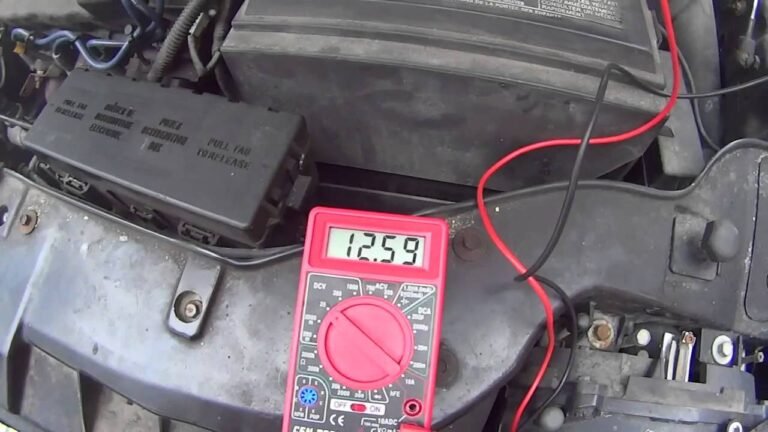
If cleaning the terminals doesn't help, the next step is to check the battery's charge. Many auto parts stores offer free battery testing. You can also use a multimeter; a healthy, fully charged battery should read around 12.6 volts or higher.
If it's below 12.0 volts, it's likely discharged and may need charging or replacement. A battery that consistently tests low or fails to hold a charge will need to be replaced.
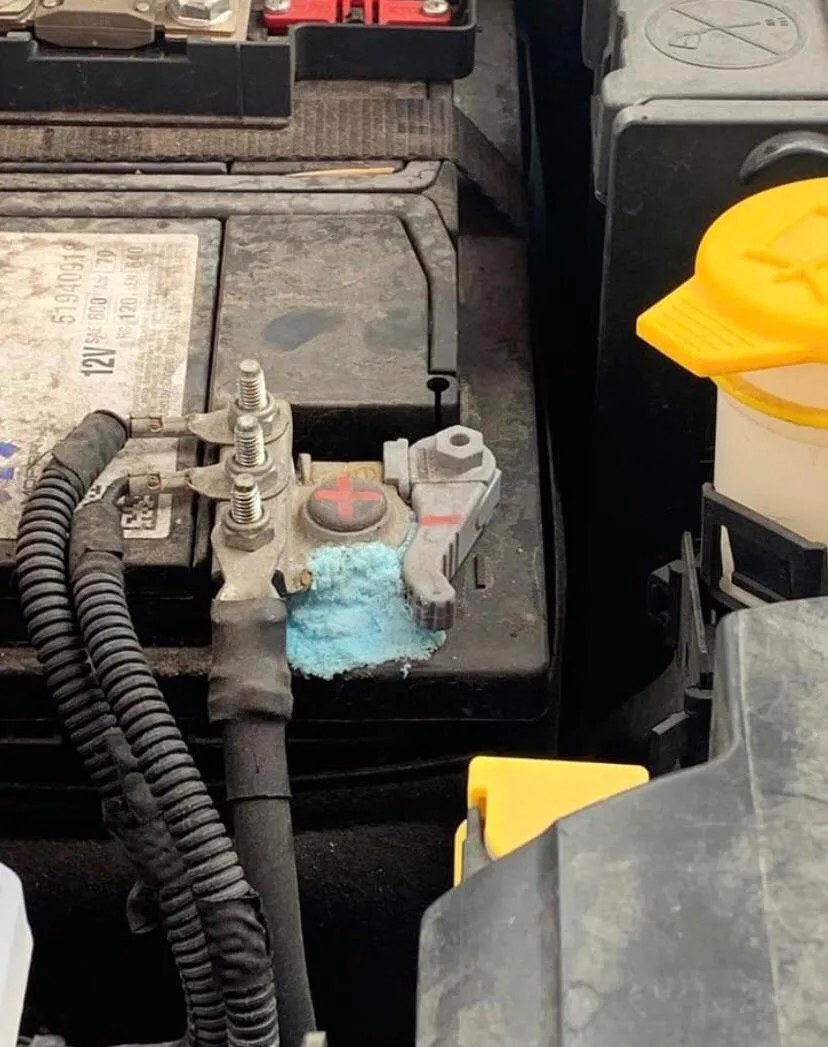
Image source: Bing (Web (fair-use with source credit))
If your battery is confirmed good and connections are clean, but you still hear no crank, the problem likely lies elsewhere in the starting circuit.
Starter Motor and Solenoid: The Next Step
If the battery checks out and your dashboard lights up bright, but you get only a faint click or no sound at all when you turn the key, the starter motor and its solenoid are the next most probable culprits. The starter motor is a powerful electric motor that engages with the engine's flywheel to get it spinning. The solenoid acts as a heavy-duty relay, sending a large surge of power from the battery to the starter motor when you turn the ignition.
When you hear a single, solid click when trying to start, it often means the solenoid is receiving power and trying to engage, but the starter motor itself might be faulty or jammed. If you hear multiple rapid clicks, it usually indicates the battery still doesn't have enough juice to turn the starter motor powerfully, even if the lights seem okay. This can be a sign of a weak battery or a bad connection somewhere in the high-amperage circuit going to the starter.
Diagnosing the starter usually involves checking for voltage at the starter solenoid. If power is reaching the solenoid, but the starter isn't engaging or spinning, the starter motor likely needs replacement. This is a common part to fail over time due to wear and tear.
Listening for the Click: Signs of Starter Issues
The sound your Jeep Renegade makes (or doesn't make) when you try to start it is a key diagnostic clue.
- No Sound at All: Lights on, but absolutely no noise when turning the key? This often points to a completely dead battery, a blown fuse in the starter circuit, a faulty ignition switch, or a problem with the park/neutral safety switch.
- Single Loud Click: You hear a distinct "clunk" or "click," but the engine doesn't crank. This typically means the starter solenoid is engaging, but the starter motor itself isn't turning or is failing to engage with the flywheel properly. It could be a bad starter motor, a seized starter, or even a damaged flywheel.
- Rapid Clicking: A fast series of clicks suggests the battery has some power, but not enough to fully engage the starter motor. This often means the battery is weak or there's a poor connection between the battery and the starter.
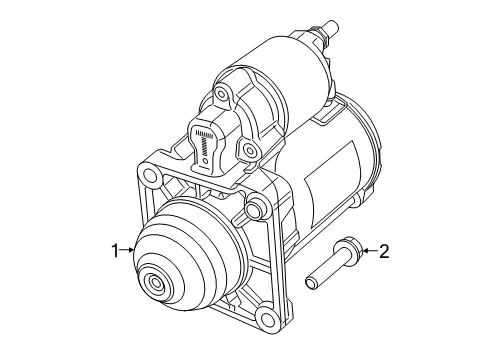
Image source: Web (Bing) / moparpartsgiant.com (Web image (fair-use with source credit))
If you suspect the starter, testing it often requires some mechanical know-how and safety precautions. For many, this is a point where bringing in a mechanic is the most sensible step, as starter replacement can be tricky and involves working under the vehicle.
Fuel System Glitches: Is it Getting Gas?
If your Jeep Renegade cranks over robustly, meaning the engine is turning, you hear that familiar whirring sound, but it simply won't "catch" and run, the problem often shifts to the fuel or ignition systems. The engine needs a precise mix of fuel and air, along with a spark, to ignite. If it's cranking but not firing up, it’s likely not getting enough fuel, or the fuel it's getting isn't being ignited properly.
A common point of failure in the fuel system is the fuel pump. This electric pump is located inside the fuel tank and is responsible for delivering gasoline to the engine under pressure. If the fuel pump fails, no fuel reaches the engine, and it won't start.
Another possibility is a clogged fuel filter, which restricts fuel flow. The fuel filter should be replaced periodically as part of routine maintenance; manufacturer specifications often recommend replacement every 30,000 to 60,000 miles, depending on driving conditions.
You can often hear the fuel pump prime when you turn the key to the "on" position (before cranking). It's a low hum or buzz that lasts for a couple of seconds, usually coming from the rear of the vehicle. If you don't hear this sound, it could indicate a problem with the pump itself, its relay, or a blown fuse.
Fuel Pump and Filter Checks
Checking the fuel system involves a few key steps. First, listen for that priming sound. If you don't hear it, check the fuel pump fuse and relay in your Jeep's fuse box.
The owner's manual will specify which ones are for the fuel pump. If those are good, and you still hear nothing, the fuel pump itself might have failed.
Another aspect to consider is fuel pressure. A mechanic can connect a fuel pressure gauge to test if the pump is delivering fuel at the correct PSI. For many modern vehicles, this can range from 30 to 60 PSI, but always refer to your specific model's service manual for exact figures.
If the pressure is too low, it indicates a weak pump or a restricted filter.
If you've recently run your fuel tank very low, especially in hot weather, you might have drawn sediment from the bottom of the tank into the fuel filter, causing a blockage. Replacing the fuel filter is a relatively straightforward task for many DIYers, but accessing the fuel pump can be more involved and often requires dropping the fuel tank, which is best left to professionals.
Ignition System and Electrical Gremlins
Assuming your Jeep Renegade is getting fuel, the next critical piece of the puzzle is the ignition system, specifically the spark. Even with a perfect fuel-air mixture, the engine won't combust without a spark from the spark plugs. If the engine cranks but doesn't start, and you've ruled out the battery, starter, and fuel pump, issues with the ignition system become a strong possibility.
This involves several components, including the spark plugs themselves, ignition coils (which generate the high voltage for the spark), and various sensors that tell the engine control unit (ECU) when to fire the plugs. The ECU is the brain of your vehicle, orchestrating everything from fuel injection to ignition timing. A faulty sensor, like the crankshaft position sensor or camshaft position sensor, can prevent the ECU from knowing when to send the signal for spark, effectively immobilizing the engine.
Fuses, Relays, and Wiring
Beyond the core ignition components, simple electrical issues can also cause a no-start. Blown fuses are incredibly common and can disable a wide range of systems, including the fuel pump, ignition system, or starter. Each fuse is designed to protect a circuit from overcurrent; if a short occurs, the fuse blows to prevent damage.
Relays are essentially electrically operated switches that control higher-power circuits using a low-power signal. A faulty relay can prevent power from reaching critical components.
Your Jeep Renegade's owner's manual is your best friend here, as it will contain diagrams of the fuse boxes and identify which fuse or relay controls which system. For example, there's often a fuse and relay for the fuel pump and another for the starter solenoid. Swapping a suspect relay with a known good one of the same type from a non-critical system (like the horn) can be a quick way to test if the relay is the issue.
Loose or corroded wiring connections can also create intermittent or complete failures. Check any accessible wiring harnesses leading to the starter, alternator, fuel pump, and ignition components for signs of damage, fraying, or loose connectors. Investigating these electrical gremlins can sometimes be tedious, requiring patience and a systematic approach to tracing circuits.
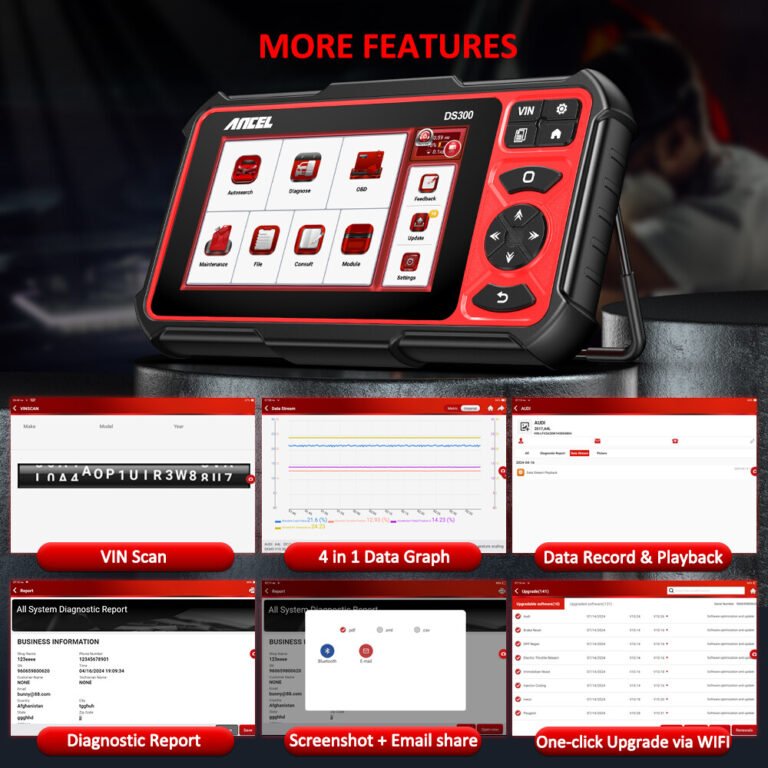
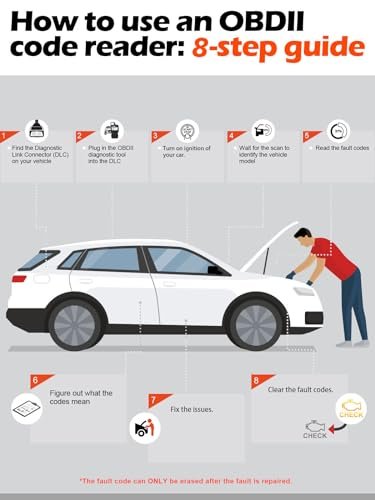
For persistent electrical faults that aren't obvious, diagnostic tools like an OBD-II scanner can often read trouble codes stored by the ECU, pointing you in the right direction. For example, a code related to the crankshaft position sensor could directly explain why your engine isn't getting spark.
Security System Lockouts and Key Fob Quirks
Modern vehicles, including your Jeep Renegade, are equipped with sophisticated anti-theft systems, often called immobilizers. These systems are designed to prevent the engine from starting unless the correct key or key fob is present and recognized by the vehicle's computer. While these systems enhance security, they can sometimes malfunction and prevent a legitimate start.
If your Jeep Renegade has a push-button start and keyless entry, the system relies on a transponder chip inside the key fob communicating wirelessly with a receiver in the car. If the key fob's battery is dead, the fob is damaged, or there's interference, the car might not recognize it. In such cases, there's usually a backup procedure to start the vehicle.
Often, this involves placing the key fob directly against a specific spot on the steering column or dashboard, or inserting it into a dedicated slot. Consult your owner's manual for the exact procedure for your specific Renegade model, as it can vary.
Beyond a dead fob battery, the immobilizer system itself can sometimes trigger a lockout without a clear reason. This might happen after a power surge, a battery disconnect, or even a software glitch in the vehicle's computer. If the dashboard displays a security warning light, or if the engine cranks but won't start and no specific component failure is evident, a security system issue is a strong contender.
Resetting the immobilizer can sometimes resolve this, which again, usually involves a specific sequence of key turns or waiting a set period with the battery disconnected. If these simple steps don't work, the dealership or a specialist automotive locksmith may be needed to reprogram the key or bypass the immobilizer.
When to Call for Professional Help
Sometimes, despite your best efforts, you'll hit a wall. If you've gone through the common checks for battery, starter, fuel, and ignition issues, and your Jeep Renegade still won't start, it’s likely time to consult a professional mechanic. Continuing to try and force a start or guess at complex electrical problems can sometimes lead to more damage, costing you more in the long run.
Calling for help isn't a sign of failure; it’s a smart decision when you’ve exhausted your DIY options. Mechanics have specialized diagnostic tools, like advanced OBD-II scanners that can read manufacturer-specific trouble codes, and the experience to interpret them. They can also safely test components that require special equipment or involve working with high-voltage systems.
For instance, diagnosing a complex ECU fault or a persistent immobilizer issue is often best left to a shop with the right software and training.
For many, the decision to call a tow truck and get their Jeep to a dealership or a trusted independent repair shop comes after eliminating the basics. If you're uncomfortable working with electrical systems or suspect a problem with fuel pressure or internal engine components, professional diagnosis is the way to go. It ensures the issue is correctly identified and repaired, getting you back on the road safely and reliably.
Making the Right Call: Next Steps for Your Renegade
Once you've identified a potential cause or decided you need professional help, the next steps are crucial for getting your Jeep Renegade back in working order. If you've found a simple fix, like a loose battery cable or a blown fuse, proceed with caution and ensure everything is reconnected properly. Always refer to your owner's manual for specific procedures, especially when dealing with electrical components.
If you've determined the issue is beyond a basic fix, such as a faulty starter motor or a fuel pump failure, you'll need to decide whether to tackle it yourself or seek professional assistance. For tasks like starter replacement, it often requires getting under the vehicle and dealing with tight spaces and heavy components. Many drivers find this a good point to outsource the repair, especially if they don't have the necessary tools or garage space.
When you do call a mechanic, be prepared to describe the symptoms accurately. What did you hear? Did the dashboard lights come on?
Did the engine crank? The more precise information you can provide, the faster they can diagnose the problem. For example, telling them you heard a single click followed by silence will lead them to check the starter circuit first, saving valuable diagnostic time.
For many owners, this methodical approach to troubleshooting and knowing when to hand over the reins is key to resolving a no-start situation efficiently.
Frequently Asked Questions About Jeep Renegade No-Starts
What's the most common reason a Jeep Renegade won't start?
The most frequent cause is a dead or weak battery. Battery issues, including corroded terminals or a battery that's simply at the end of its lifespan, prevent the starter motor from receiving enough power to turn the engine over.
My Jeep Renegade cranks but won't start. What could be wrong?
If the engine turns over but doesn't fire up, the issue is likely with the fuel system or ignition system. This could be a faulty fuel pump, a clogged fuel filter, a bad fuel injector, or a problem with spark generation, such as faulty spark plugs, ignition coils, or sensors.
How can I check if my Jeep Renegade battery is bad?
You can use a multimeter to test the battery's voltage; a healthy battery should read above 12.6 volts when the engine is off. Many auto parts stores also offer free battery testing services. If the battery consistently tests low or fails to hold a charge, it likely needs replacement.
Can a bad key fob prevent my Jeep Renegade from starting?
Yes, a malfunctioning key fob or issues with the vehicle's immobilizer system can prevent a start. If the car doesn't recognize the fob's transponder signal, it may disable the starter or fuel system. Try using the backup starting procedure outlined in your owner's manual, which often involves holding the fob against a specific point on the steering column.
How much does it typically cost to fix a Jeep Renegade that won't start?
The cost varies significantly based on the problem. A simple fix like replacing a blown fuse or cleaning battery terminals might cost under $50. However, replacing a starter motor can range from $400 to $800, and a fuel pump replacement could be $600 to $1000 or more, depending on parts and labor rates.
Troubleshooting Common Jeep Renegade No-Start Issues
When your Jeep Renegade refuses to start, a structured approach can help you pinpoint the problem efficiently. The key is to work through potential causes logically, starting with the simplest and most common. This methodical process saves time and can prevent unnecessary repairs.
Here’s a breakdown of how to approach it:
- Listen Carefully: What sounds do you hear when you turn the key or push the start button?
- No sound at all: Likely a battery issue (dead, bad connection) or a problem with the ignition switch or park/neutral safety switch.
- Single loud click: Often indicates a faulty starter motor or solenoid.
- Rapid clicking: Suggests a weak battery that can't power the starter fully.
- Engine cranks but doesn't start: Points towards fuel or ignition system issues.
- Check the Basics:
- Battery: Inspect terminals for corrosion, ensure they are tight. If possible, test voltage or have it tested.
- Fuses and Relays: Consult your owner's manual to locate the relevant fuses for the starter and fuel pump, and check if they're blown. You can sometimes swap identical relays to test them.
- Consider Environmental Factors: Extreme cold can significantly impact battery performance. If it’s very cold, a weak battery might fail to start the engine.
- Security System: Is the security light on the dash flashing unusually? This could indicate an immobilizer lockout. Try the fob's backup starting procedure.
By systematically eliminating possibilities, you can often narrow down the cause of your Jeep Renegade's no-start issue and decide whether it's a DIY fix or time to call a professional.