What Is the Difference Between Adjustable and Fixed Dumbbells
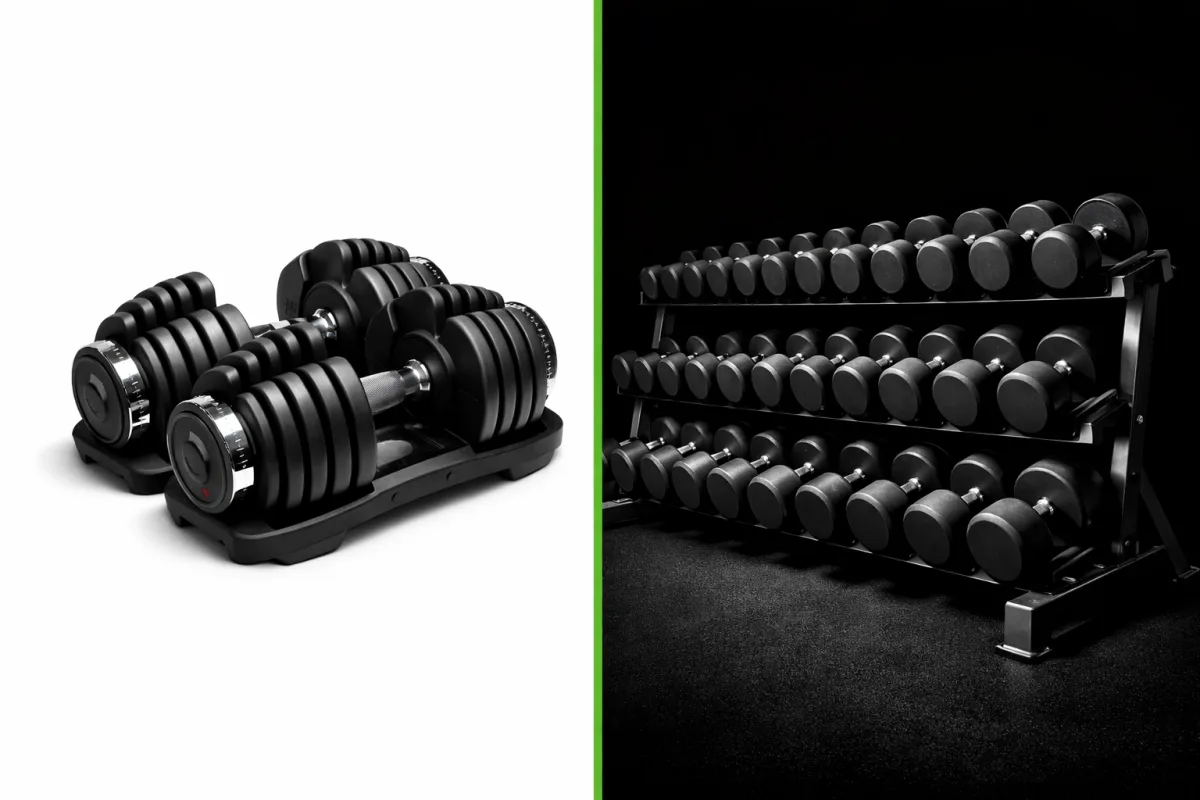
Image source: Bing (Web (fair-use with source credit))
So, you're thinking about building out your home gym, and dumbbells are high on the list, great choice! They're incredibly versatile. But then you hit that fork in the road: do you go with adjustable dumbbells or a set of fixed ones?
It's a common question, and honestly, there's no single "right" answer for everyone. It really boils down to what fits your training style, your space, and your budget best. Let's break it down, kind of like we're deciding on a new piece of gear together.
What Exactly Are We Talking About?
Before we dive in, let's make sure we're on the same page.
- Fixed Dumbbells: These are your classic, straightforward dumbbells. They come in a specific weight (like 5 lbs, 10 lbs, 25 lbs, etc.) and that's it. You buy a pair, and that's the weight you're stuck with for that particular dumbbell. Think of those shiny chrome ones you see at the gym, or the coated ones that are kinder to your floor.
- Adjustable Dumbbells: These are the clever ones. They typically have a central handle and then you can add or remove weight plates to change the total weight of the dumbbell. This means one pair can effectively replace several pairs of fixed dumbbells.
Quick Answer: The Core Difference
Fixed dumbbells offer immediate weight changes. Adjustable dumbbells allow weight customization. Fixed weights are one-piece, while adjustable ones have a handle and addable plates.
This fundamental difference impacts space, cost, and workout flow.
Fixed Dumbbells: Simplicity and Speed
Fixed dumbbells are the traditional workhorses of the weight room. They are a single, solid piece of equipment, designed for a specific weight. Think of a 10 lb dumbbell, it's always 10 lbs.
This simplicity means less can go wrong, and more importantly for training, you can transition between exercises or weights almost instantaneously. You simply put one down and grab the next. This makes them ideal for high-intensity circuits or when you need to keep the pace up without interruption.
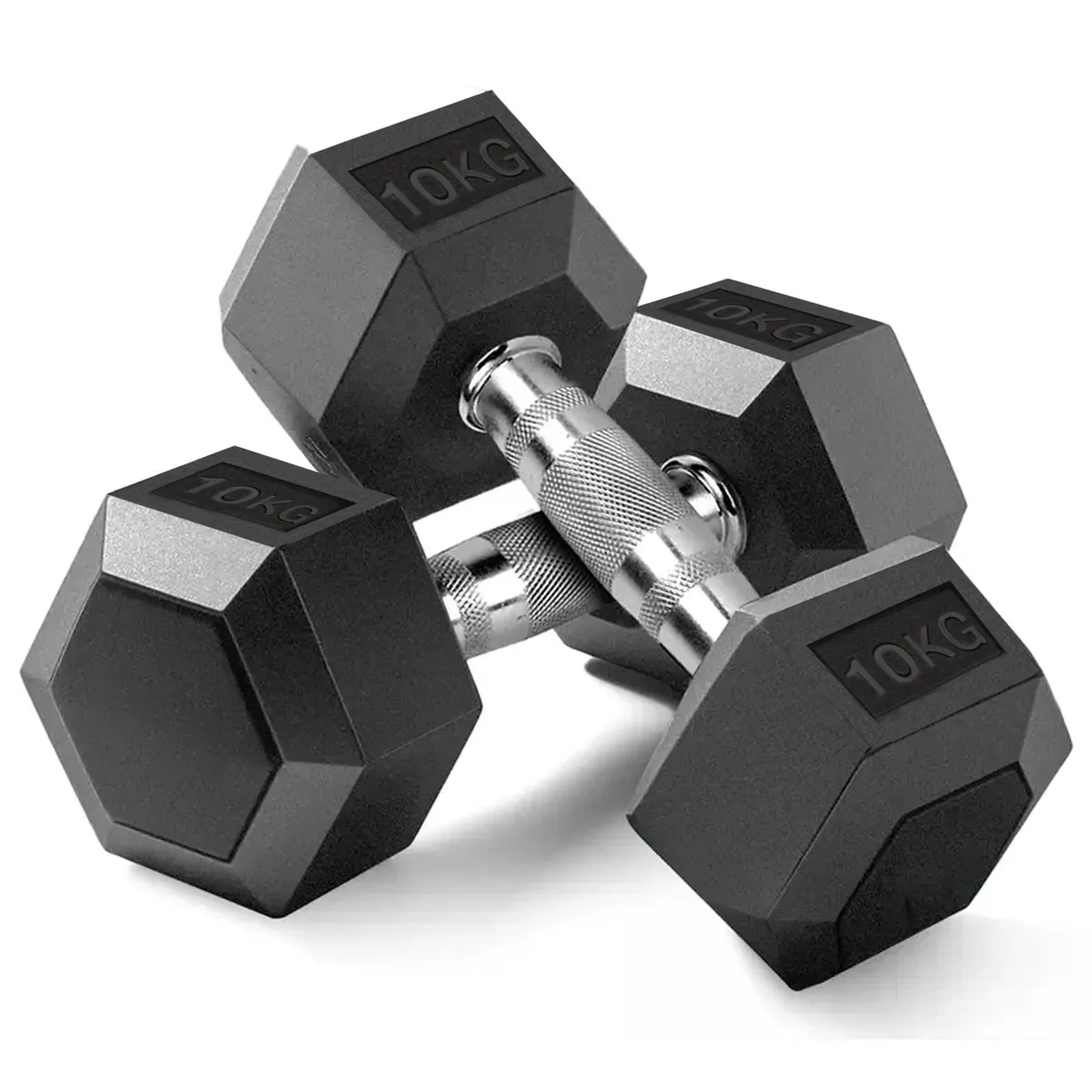
Image source: Bing (Web (fair-use with source credit))
Fixed Dumbbell Pros
- Unmatched Speed: Transitioning from a set of 15 lb dumbbells to 20 lb ones takes a split second. This is a huge advantage for circuit training, supersets, or any workout where keeping your heart rate elevated is key.
- Durability: With no moving parts, fixed dumbbells are incredibly robust. High-quality cast iron or steel, often coated with rubber or urethane, means they can withstand serious abuse. Manufacturer specifications confirm that well-made fixed dumbbells can last for decades with minimal wear.
- Ergonomic Feel: Many users report a more balanced and comfortable feel with fixed dumbbells, especially for exercises requiring fine wrist control or a strong grip. The solid construction often translates to a more predictable heft.
- No Fuss: They just work. Pick them up, use them, put them down. It’s straightforward, no-nonsense equipment.
Fixed Dumbbell Cons
- Space Hog: To build a decent range of weights for progressive overload, you'll need multiple pairs. A set from 5 lbs up to 50 lbs in 5 lb increments requires ten pairs, which can take up significant floor space or require a dedicated rack.
- Costly for a Full Set: While a single pair of fixed dumbbells might be affordable, purchasing a comprehensive range can quickly become more expensive than a single pair of adjustable dumbbells that covers a similar weight span.
- Limited Progression: You’re limited to the specific weights you own. If you’re ready to go up by 2.5 lbs but only have 5 lb increments available, you have to make the jump.
Adjustable Dumbbells: Space-Saving Versatility
Adjustable dumbbells are the modern solution for home gyms, especially for those conscious of space. They consist of a handle and a mechanism for adding or removing weight plates. This means one pair can effectively substitute for an entire rack of fixed dumbbells, offering a wide range of weights in a compact footprint.
They are designed to adapt to your strength progression, allowing for small, incremental weight increases.
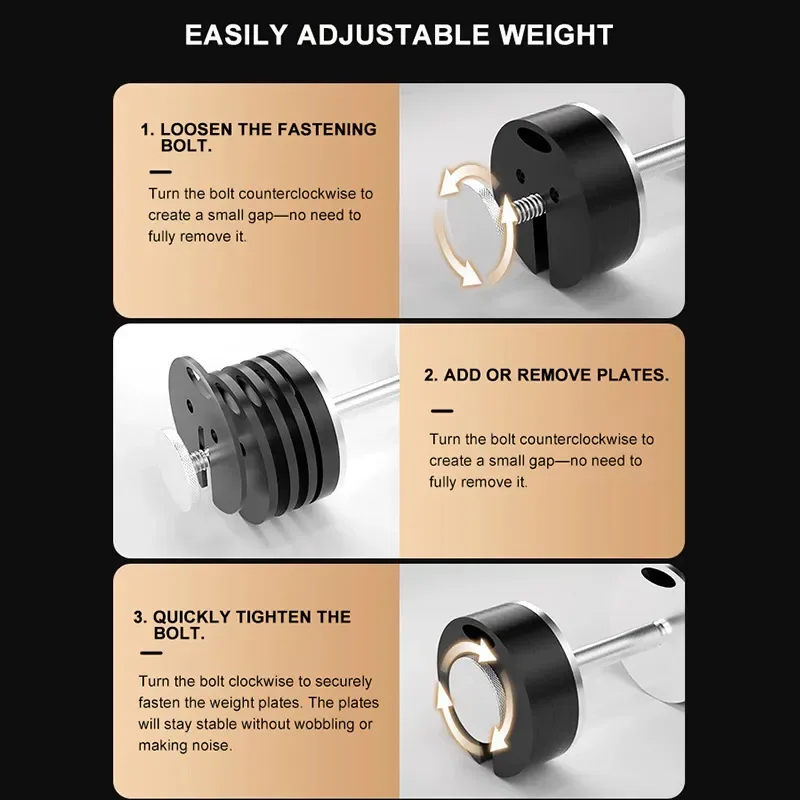
Image source: Bing (Web (fair-use with source credit))
Adjustable Dumbbell Mechanics
The core of an adjustable dumbbell is its ability to change weight. Common systems include:
- Spin-lock collars: Plates slide onto the handle, and a collar screws on to secure them. This is a reliable, traditional method.
- Selector pins: Similar to weight stacks in machines, you pull a pin to select the desired weight, and the dumbbell automatically locks the plates in place.
- Dial systems: A rotating dial on the side of the dumbbell adjusts the weight by moving internal plates. Brands like Bowflex and PowerBlock commonly use variations of this.
The type of mechanism significantly impacts the speed of weight changes. Dial systems are often the fastest, while spin-locks can take the longest.
Adjustable Dumbbell Pros
- Incredible Space Saver: This is their biggest selling point. One pair can replace 5, 10, or even more pairs of fixed dumbbells, making them perfect for apartments, small rooms, or anyone who doesn't want their living space dominated by workout gear.
- Cost-Effective for Range: While the initial purchase price is higher than a single pair of fixed weights, they are often significantly cheaper than buying a full set of fixed dumbbells that offers the same weight spectrum.
- Precise Progressive Overload: The ability to add small weight increments (e.g., 2.5 lbs or 5 lbs) makes it much easier to gradually increase your strength without making massive jumps, which can be ideal for consistent gains.
- Versatility: You can dial in the exact weight needed for a specific exercise, which is great for targeted muscle work or specialized training techniques.
Adjustable Dumbbell Cons
- Slower Weight Changes: Swapping weights, especially with spin-lock systems, can take 15-30 seconds or more per dumbbell. This can disrupt the flow of fast-paced workouts and is a drawback for circuit training.
- Durability Concerns: More moving parts mean more potential points of failure over time. While many are built tough, cheaper models can have issues with locking mechanisms or plate slippage.
- Bulkier Design: Some adjustable dumbbells can feel a bit bulkier or less balanced than their fixed counterparts, especially at higher weight settings, which might affect form on certain exercises.
- Higher Initial Investment: The upfront cost for a good quality set of adjustable dumbbells is considerably more than for a single pair of fixed weights.
Key Differences at a Glance: Fixed vs. Adjustable
Here’s a quick breakdown to see where they stack up side-by-side:
| Feature | Fixed Dumbbells | Adjustable Dumbbells |
|---|---|---|
| Weight Change | Instant (grab next weight) | Takes seconds to minutes (adjusting plates/pins/dials) |
| Space Needed | High (requires multiple pairs and potentially a rack) | Low (one pair replaces many) |
| Durability | Very high, minimal moving parts | Varies by design; potential for wear on mechanisms |
| Cost | Lower per pair, but high for a complete set | Higher initial cost, but can be more economical for a range |
| Progression | Limited to available weight increments | Easy to fine-tune with small additions |
| Ergonomics | Often perceived as more balanced and solid | Can be bulkier or less balanced at higher weights |
| Primary Use | Fast-paced workouts, dedicated space | Space-saving, home gyms, gradual strength increases |
Who Needs Fixed Dumbbells?
Fixed dumbbells are a fantastic choice if you prioritize speed and simplicity in your workouts and have the space to accommodate them. If you're doing a lot of high-intensity interval training (HIIT), circuit training, or performing exercises where you need to switch weights multiple times within a single set, the instant transition of fixed weights is invaluable. They're also great for gym owners or individuals with a dedicated home gym space who don't want to worry about adjusting weights between exercises.
For example, if you perform a superset of bench presses followed immediately by dumbbell rows, switching from a 40 lb dumbbell to a 50 lb one takes zero time. Aggregate user feedback reports that the straightforward nature of fixed weights contributes to a more fluid workout experience for these training styles.
Who Needs Adjustable Dumbbells?
Adjustable dumbbells are often the smartest investment for anyone with limited space, like apartment dwellers or those setting up a compact home gym. If you value the ability to precisely control your weight increments for progressive overload without buying a whole rack of individual weights, these are for you. They're also a more budget-friendly option if you need a wide range of weights, as a single pair can cost less than buying 10-15 pairs of fixed dumbbells.
For instance, a pair of adjustable dumbbells that go from 5 lbs to 50 lbs in 2.5 lb increments can cost around $300-$500, whereas building a comparable set of fixed dumbbells could easily run $500-$1000 or more, not including a rack. Their adaptability makes them ideal for beginners who are just starting to build strength and need to increase weight gradually.
Making Your Final Choice: Consider These Factors
Deciding between adjustable and fixed dumbbells isn't just about features; it's about how they fit into your life and training goals. Think about the practicalities. If your apartment has a strict "no excess equipment" policy, or if you need to pack away your gym gear after each session, the compact nature of adjustable dumbbells becomes paramount.
Conversely, if you have a dedicated home gym space, and your workouts involve rapid transitions like metabolic conditioning or CrossFit-style WODs, the speed of fixed dumbbells can't be beaten.
When considering cost, look beyond the initial price. A full set of fixed dumbbells might cost more upfront than a quality adjustable pair, but for some, the cumulative cost of buying fixed weights over time as they progress is manageable. Research indicates that a set of fixed dumbbells ranging from 5 to 50 lbs in 5 lb increments can easily cost $600-$1000, while a high-quality adjustable set offering a similar weight range (e.g., 5-50 lbs) might be found for $400-$700.
Your long-term training plan and budget will heavily influence which option is more economical for you.
FAQs: Your Adjustable vs. Fixed Dumbbell Questions Answered
What is the difference between adjustable and fixed dumbbells?
Fixed dumbbells are solid, single-weight units. Adjustable dumbbells allow you to change the weight using plates and a locking mechanism. This means one adjustable pair can replace multiple fixed pairs.
Which type of dumbbell is better for beginners?
Adjustable dumbbells are often recommended for beginners. They allow for precise weight increases, helping users gradually build strength without large jumps. This also makes them a space-saving option as the user progresses and needs heavier weights.
Can I do all exercises with both types of dumbbells?
Yes, you can perform most standard dumbbell exercises with both types. However, the speed of weight changes with fixed dumbbells can be beneficial for certain dynamic or circuit-style workouts, while the versatility of adjustable dumbbells shines in programs requiring fine-tuned weight progression.
How much space do I need for a set of dumbbells?
A few pairs of fixed dumbbells can quickly require significant floor space or a dedicated rack. Adjustable dumbbells are much more space-efficient, as a single pair typically replaces five to fifteen pairs of fixed weights, fitting neatly into a corner or under furniture.
Are adjustable dumbbells safe?
Quality adjustable dumbbells are safe when used correctly and maintained properly. It's crucial to ensure the weight plates are securely locked before each use, especially with spin-lock or collar systems. Always check manufacturer specifications for weight limits and recommended usage.