How Often Should You Use Dumbbells

Image source: Web (Bing) / lonelyplanetitalia.it (Web image (fair-use with source credit))
Picking up dumbbells and getting to work is a fantastic way to build strength, improve your physique, and boost your overall health. But a common question many people grapple with is just that: how often should you use dumbbells? It’s not a simple case of “more is always better.”
Our research shows that finding the sweet spot for dumbbell frequency hinges on a few key personal factors, much like determining how often you should ride an exercise bike for optimal results. Getting this right ensures you’re challenging your muscles effectively without risking burnout or injury.
Quick Answer
You should use dumbbells 2-3 times per week for most fitness goals. Beginners often start with 2 days, while intermediate and advanced lifters might use them 3-4 times weekly. Always prioritize rest between sessions.
Figuring Out Your Dumbbell Workout Frequency: It's All About You
The "how often" question for dumbbell workouts isn't a one-size-fits-all answer. Think of it less like a set rule and more like a personal recipe. What works wonders for one person might be too much or not enough for another.
This is where we start to tailor things. Your personal schedule, how your body recovers, and what you're aiming to achieve all play a massive role in deciding your ideal workout frequency. Getting this right means you’re pushing your body effectively for results, not just spinning your wheels or risking overuse.
Your Fitness Goals: The Compass for Frequency
Your primary objective when lifting dumbbells is the biggest steer on how often you should be doing it. Different goals require different training stimuli and recovery periods. It's like deciding how long you should ride an exercise bike; the duration changes based on whether you're training for a marathon or just looking for a quick calorie burn.
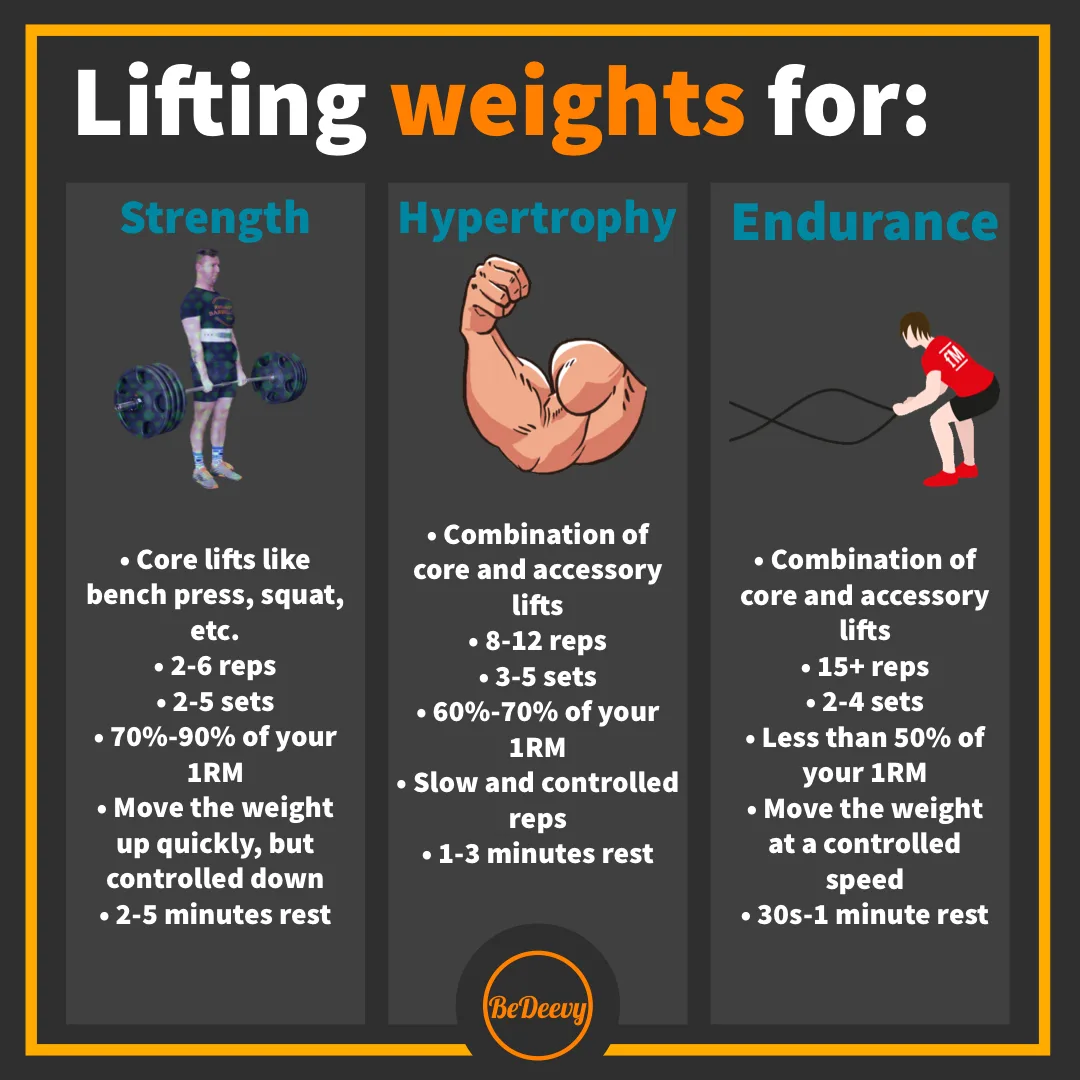
Building Muscle? Strength? Endurance? Weight Loss?
- Muscle Growth (Hypertrophy): To build bigger muscles, hitting each muscle group 2-3 times per week is often recommended. This frequency provides enough stimulus for growth while allowing adequate rest for muscle repair and rebuilding.
- Strength Increase: For pure strength gains, training each muscle group 2-3 times weekly is also beneficial. Strength training usually involves heavier weights and longer rest intervals, so recovery is paramount.
- Muscular Endurance: If your goal is to improve how long your muscles can perform work, you might train muscle groups 3-4 times a week with lighter weights and higher repetitions. The stress per session is lower, allowing for more frequent workouts.
- Weight Loss: Dumbbells are excellent tools for increasing your metabolism and burning calories. You can incorporate them into your routine frequently, perhaps 3-5 days a week, either through full-body circuits or by alternating muscle groups.
Listen to Your Body: The Ultimate Frequency Indicator
No matter what the books or trainers say, your body is the ultimate authority on when it's ready for another workout. Pushing through excessive soreness or fatigue will likely hinder your progress and can lead to injury. As reported by aggregate user feedback, ignoring early warning signs is a common mistake that slows down results.

Signs You Need More Rest
- Persistent Soreness: If you're still significantly sore from your last dumbbell session 48-72 hours later, your muscles haven't fully recovered. Pushing them again can impede growth and increase injury risk.
- Extreme Fatigue: Feeling drained, sluggish, and unmotivated for workouts is a clear sign of overtraining or insufficient rest. Your central nervous system needs recovery too.
- Decreased Performance: If your strength numbers are dropping, or you can't complete workouts you previously managed, it’s a signal that your body is not recovering properly.
- Aches and Pains: Sharp, nagging, or joint pain that doesn't go away is a major red flag. This is your body’s way of telling you to stop and assess.
Recognizing Overtraining
Overtraining syndrome is a real issue where the body can't cope with the training load. Symptoms go beyond just muscle soreness and can include sleep disturbances, mood changes, a weakened immune system, and a prolonged drop in performance. If you suspect you're overtraining, it's crucial to take extended rest periods.
Beyond Dumbbells: Integrating With Your Whole Routine
Your dumbbell workouts don't happen in a vacuum. They're part of a bigger picture that includes other forms of exercise, daily activity, and crucial rest. How you blend these elements will significantly impact your recovery and how often you can effectively use dumbbells.
If you're also running several times a week or engaging in other demanding physical activities, you’ll need to adjust your dumbbell frequency accordingly. It’s about balancing stimulus and recovery across your entire lifestyle, similar to how you'd manage your time if you were deciding how often you should use an exercise bike.
Cardio, Other Training, and Active Recovery
- Cardiovascular Exercise: High-intensity cardio can be taxing. If you're doing a lot of it, you might need to schedule more rest days between your dumbbell sessions or opt for lower-intensity cardio on your "off" days.
- Other Strength Training: If you incorporate other resistance training methods, like using barbells or machines, ensure you're not overloading the same muscle groups on consecutive days. Program splits can help manage this.
- Active Recovery: Gentle movement on rest days, such as walking, stretching, or light yoga, can actually enhance recovery by improving blood flow and reducing muscle stiffness. These activities don't count as strenuous workouts.
Putting It Together: Sample Dumbbell Schedules
Based on the goals and recovery principles we've discussed, here are some sample schedules. These are templates to get you started; you'll need to adjust them based on your personal feedback and progress. Remember, consistency and proper form are key, regardless of the exact number of days you lift.
Schedules for Different Goals
| Goal | Muscle Groups Hit Per Week | Example Schedule (Dumbbell Focus) | Notes |
|---|---|---|---|
| Muscle Growth | 2-3 times | Mon: Upper Body, Wed: Lower Body, Fri: Full Body or Upper Body | Focus on progressive overload; allow at least 48 hours rest for a muscle group. |
| Strength Increase | 2-3 times | Mon: Heavy Lower Body, Wed: Heavy Upper Body, Fri: Lighter Full | Prioritize heavier loads (85%+ of max) with longer rest periods (2-5 min) between sets. |
| Endurance | 3-4 times | Mon: Full Body, Tue: Full Body, Thu: Full Body, Sat: Full Body | Use lighter weights (40-60% of max), higher reps (15-25+). Recovery is still key. |
| General Fitness | 2-3 times | Tue: Full Body, Thu: Full Body, Sat: Full Body | Mix of strength and some cardio can be very effective for overall health. |
| Weight Loss Focus | 3-5 times | Most days, varying muscle groups or doing circuits | Combine with a healthy diet. Strength training builds muscle, which boosts metabolism. |
Common Dumbbell Workout Mistakes to Avoid
Even with the best intentions, many people fall into common traps that prevent them from seeing the results they want from their dumbbell training. Avoiding these pitfalls can make a huge difference in your progress and overall fitness journey.
As of 2026, many fitness experts emphasize that consistency and smart programming are more important than sheer volume. Here are a few common missteps to sidestep.
Pushing Too Hard, Too Soon
A very common error is trying to do too much, too soon, especially when you're just starting out or returning to training. This often stems from an eagerness to see rapid results. It can lead to intense muscle soreness that lasts for days, making subsequent workouts difficult or impossible.
This also applies to the weight you choose. Using dumbbells that are too heavy can compromise your form, increasing the risk of injury and reducing the effectiveness of the exercise for your target muscles. It’s better to start lighter and focus on controlled movements.
Neglecting Recovery
Recovery is where muscle growth and strength gains actually happen. Skipping rest days, not getting enough sleep, or not fueling your body properly are critical mistakes. Your muscles need time to repair and rebuild after being challenged by dumbbell workouts.
If you consistently skip rest, you're not allowing your body to adapt and get stronger. This can lead to plateaus, burnout, and even injury. Proper hydration and nutrition are also vital components of recovery that are often overlooked.
Frequently Asked Dumbbell Workout Questions
How much weight should I start with when using dumbbells?
Start with a weight that allows you to complete 10-15 repetitions with good form, feeling challenged by the last few reps. It should feel difficult but not impossible.
Can I use dumbbells every day?
Generally, no. Most people need at least one rest day between working the same muscle groups. Daily training without adequate recovery can lead to overtraining and injury.
Is it better to do more reps with lighter dumbbells or fewer reps with heavier dumbbells?
This depends on your goal. For muscle endurance, more reps with lighter weights are suitable. For strength and size, fewer reps with heavier weights are typically more effective.
How long should a dumbbell workout last?
A typical dumbbell workout can range from 30 to 60 minutes. This allows for warm-up, a sufficient number of sets and exercises, and a cool-down without being excessively long.
Should I feel sore after every dumbbell workout?
Some muscle soreness, especially delayed onset muscle soreness (DOMS), is normal after a new or intense workout. However, severe or persistent soreness might indicate you're doing too much.
Making the Call: Your Smart Dumbbell Frequency Plan
Deciding how often to use dumbbells boils down to a personalized assessment of your goals, your body’s signals, and your overall lifestyle. There's no single number that guarantees success for everyone. It’s about building a sustainable routine that challenges you appropriately and allows for the necessary recovery.
By listening to your body, understanding your primary fitness objectives, and integrating your dumbbell sessions thoughtfully with other activities, you can craft a frequency plan that’s effective. This informed approach helps ensure you're making consistent progress without pushing yourself into burnout or injury.