How Long Should You Ride an Exercise Bike
How long should you ride an exercise bike? The honest answer depends on three things: your current fitness, your main goal, and the intensity you can maintain. There's no single magic number that fits every person on every ride.
The general health recommendation is solid, though. The World Health Organization suggests adults aim for 150 to 300 minutes of moderate-intensity aerobic activity per week, or 75 to 150 minutes of vigorous activity. That breaks down into manageable daily or weekly chunks.
Let's find the right chunk for you, based on your schedule and comfort level.
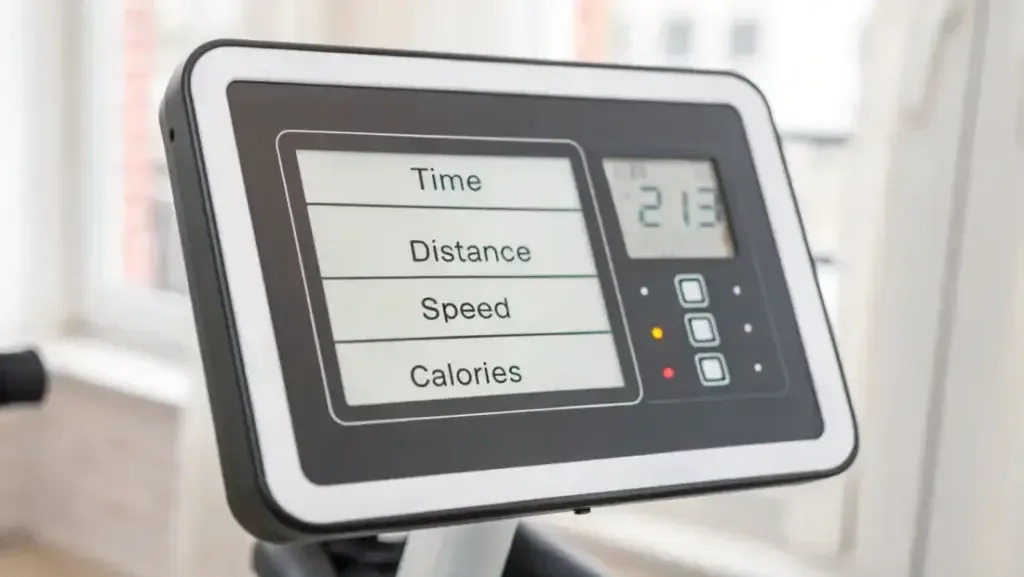
Image source: Bing (Web (fair-use with source credit))
Quick Answer
A 20 to 45 minute ride works for most people. Beginners should start at 15 minutes. HIIT sessions can be as short as 15 minutes.
Your goal and intensity set the exact number.
The Real Answer: It Depends on Your Goal and Intensity
For general health, 20 to 30 minutes of moderate pedaling, most days, is enough. If you're chasing weight loss, extend that to 30 to 45 minutes. For serious endurance building, sessions often hit 45 to 60 minutes.
Intensity changes everything. A hard 15-minute high-intensity interval session can burn as many calories as 45 minutes of easy cycling. The bike's computer tracks your time, but your heart rate tells the real story.
The CDC's guidelines reinforce that both moderate and vigorous activity count toward your weekly goal.
The First Fork: What Are You Riding For?
Your goal is the master switch. It sets your target duration before you even adjust the seat.
Fat Loss
You need to burn calories and boost your metabolism. Research indicates sessions of 30 to 45 minutes at a steady, moderate pace work well. This is where you can hold a conversation but feel warmer.
Adding two HIIT sessions per week can accelerate results.
Cardiovascular Endurance
This is about training your heart and lungs to work efficiently over time. Per ACSM guidelines, aim for 30 to 60 minutes at 60% to 80% of your maximum heart rate. Start with 20 minutes and add five minutes each week.
General Health Maintenance
Just staying active and healthy? Two to three sessions of 20 to 30 minutes are fantastic. Consistency beats length.
A quick daily ride is better than one marathon session per week.
Recovery or Active Rest
After a hard strength day or during a tough week, a 10 to 15 minute spin at very low resistance helps flush muscles without adding fatigue.
| Primary Goal | Recommended Session Duration | Intensity Level |
|---|---|---|
| Fat Loss | 30 – 45 minutes | Moderate (Zone 2-3) |
| Endurance | 30 – 60 minutes | Moderate to Vigorous (Zone 2-4) |
| General Health | 20 – 30 minutes | Light to Moderate (Zone 1-3) |
| Recovery | 10 – 15 minutes | Very Light (Zone 1) |
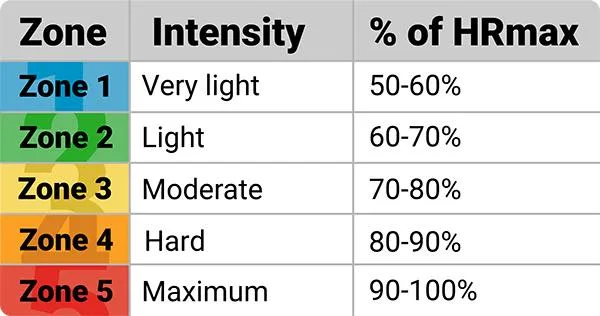
Image source: Bing (Web (fair-use with source credit))
Matching Duration to Your Fitness Level
Where you are today matters more than where you want to be next month. Pushing too long, too soon leads to burnout or injury.
The Beginner's Ramp-Up (Weeks 1-4)
If you're new, start with 10 to 15 minutes. That's it. Focus on finding a comfortable seat height and smooth pedal stroke.
In week two, try 20 minutes. By week four, 25 minutes will feel solid. If you're also curious about other low-impact machines, proper machine setup makes a big difference.
The Intermediate Push (Weeks 5-12)
You're consistent now. 20 to 30 minutes is your base. Once a week, try extending one session by 10 minutes. Or, shorten one ride to 15 minutes but crank up the resistance for intervals.
If you enjoy cross-training, you can target different muscle groups on a rower to complement your cycling.
Advanced & Long-Term Riders
You've got a solid base. Now you can play with structure. Try a 45-minute endurance ride one day, and a 20-minute HIIT session another.
The key is having a reason for each session's length. If you're curious about another efficient cardio option, we explain how the two resistance systems differ.
The Smart Structure for Any Ride
Every good workout has three parts. Skipping any one of them reduces your gains and increases soreness.
1. The Warm-Up (5 Minutes)
Start with no resistance, just easy spinning. Gradually add a little resistance over two minutes. This raises your core temperature and lubricates your joints.
Don't skip it.
2. The Main Event
This is the timed part based on your goal above. Keep your focus on maintaining the right effort level for your chosen duration.
3. The Cooldown (5 Minutes)
Never just stop. Drop the resistance and spin gently for five minutes. Let your heart rate come down gradually.
Follow this with light stretches for your quads, hamstrings, and calves.
Common Mistakes That Steal Your Progress
Avoiding these will get you better results in less time.
- Watching the clock, not the intensity. Pedaling easy for 60 minutes is less effective than 30 minutes of focused work.
- Skipping the warm-up. Cold muscles under load are injury magnets.
- Sticking to the same routine. Your body adapts. Change your duration or intensity every two weeks.
- Forgetting recovery. Your muscles build strength on rest days. Include at least one full rest day from cycling.
Image source: Bing (Web (fair-use with source credit))
Short & Intense vs. Long & Steady: Which Fits Your Week?
This is the core choice. Both work, but for different people and schedules.
High-Intensity Interval Training (HIIT)
HIIT means short bursts of all-out effort followed by rest. A full session is often only 15 to 20 minutes. It's brilliant for calorie burn and time efficiency.
The downside: it's demanding and requires full recovery between sessions.
Sample HIIT Session (20 mins):
- 5 min warm-up
- 30 seconds max effort, 90 seconds easy spin (repeat 8 times)
- 5 min cooldown
Steady-State Cardio
This is riding at a consistent, moderate effort for a longer block, say 40 minutes. It's lower stress, great for building a base, and easier to recover from. It's perfect for beginners or active recovery days.
| Feature | HIIT | Steady-State |
|---|---|---|
| Session Time | 15 – 25 minutes | 30 – 60 minutes |
| Primary Benefit | Time efficiency, calorie burn | Endurance, active recovery |
| Mental Effort | High (focus required) | Lower (can listen to podcasts) |
| Best For | Busy schedules, fat loss goals | Beginners, endurance building |
For a deeper look at efficient calorie burning, our analysis of this steady-state cardio comparison has useful insights. If you have limited room for equipment, check how much floor space you really need.
Frequently Asked Questions
How many minutes on an exercise bike should a beginner start with?
Start with 10 to 15 minutes at low resistance. Your body needs time to adapt to the saddle and the pedaling motion. Add five minutes each week.
By month two, 25 minutes should feel comfortable. Consistency matters more than a long first ride.
Is 20 minutes on an exercise bike enough to lose weight?
Yes, if you make it count. Twenty minutes of sustained moderate pedaling burns roughly 150 to 250 calories. For better results, add two short HIIT sessions per week or extend one ride to 35 minutes.
You don't need an hour every day, but short rides work best when the effort level stays honest.
Should I ride an exercise bike every day?
Riding every day is safe if you keep the intensity light on some days. Your legs, knees, and lower back need recovery. A strong plan includes three to four focused sessions per week, plus one or two easy recovery rides.
If your energy or sleep dips, take a break.
What is better: 20 minutes of HIIT or 40 minutes of steady cycling?
That depends on your schedule and recovery. HIIT burns more calories per minute and improves your conditioning faster. Steady cycling is easier on the body and builds endurance with less stress.
Use HIIT when time is short and steady rides when you want a sustainable weekly habit.
How can I tell if I'm overdoing it on the exercise bike?
Watch for persistent joint pain, extreme fatigue, or a resting heart rate that runs high. Feeling breathless outside your workout is another red flag. Lower your duration and intensity for a week.
If symptoms continue, check in with your doctor before the next ride.