How to Descale an Ice Maker
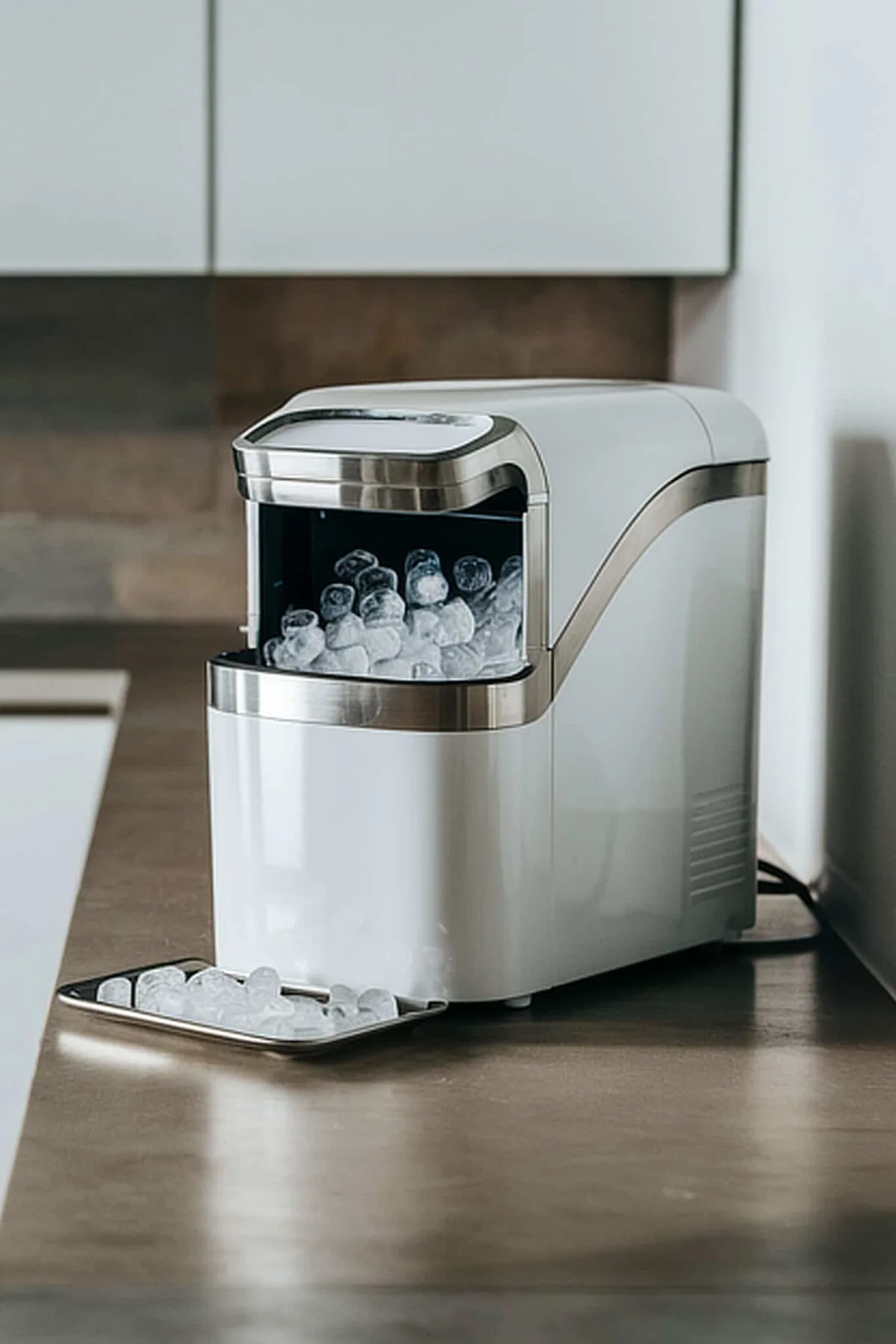
Image source: Bing (Web (fair-use with source credit))
Why Your Ice Maker Needs a Deep Clean
Is your ice maker suddenly producing cloudy cubes, or is there an odd smell lingering around your ice bin? Over time, minerals from your tap water can build up inside, affecting both the quality of your ice and the efficiency of the machine. Learning how to descale an ice maker is a crucial step in keeping it running smoothly and ensuring your drinks are always refreshing.
This process is essential for any ice maker owner, especially if you have hard water. According to standards set by the Association of Home Appliance Manufacturers (AHAM), regular cleaning and descaling can significantly extend the lifespan of your appliance. We've compiled the most effective methods to tackle this common issue, guiding you through each step.
Quick Answer
To descale an ice maker, turn it off and unplug it. Empty the ice bin and drain the water reservoir. Fill the reservoir with a cleaning solution, typically a 1:1 mixture of white vinegar and water, or a commercial ice maker cleaner, following its specific instructions.
Run the machine through a full ice-making cycle. Discard the ice, then rinse the reservoir and run several more cycles with fresh water to flush out any residue.
Common Signs Your Ice Maker Needs Descaling
Your ice maker is usually pretty quiet about its needs, but it gives off signals when it’s time for a cleaning. Ignoring these signs can lead to bigger problems down the road.
Cloudy Ice and Odd Smells
This is often the first and most noticeable sign. If your ice cubes are consistently cloudy, or if they have a chalky appearance, it's a strong indicator of mineral buildup, also known as limescale. This scale forms on the internal surfaces where water is present, affecting how the ice freezes and its final clarity.
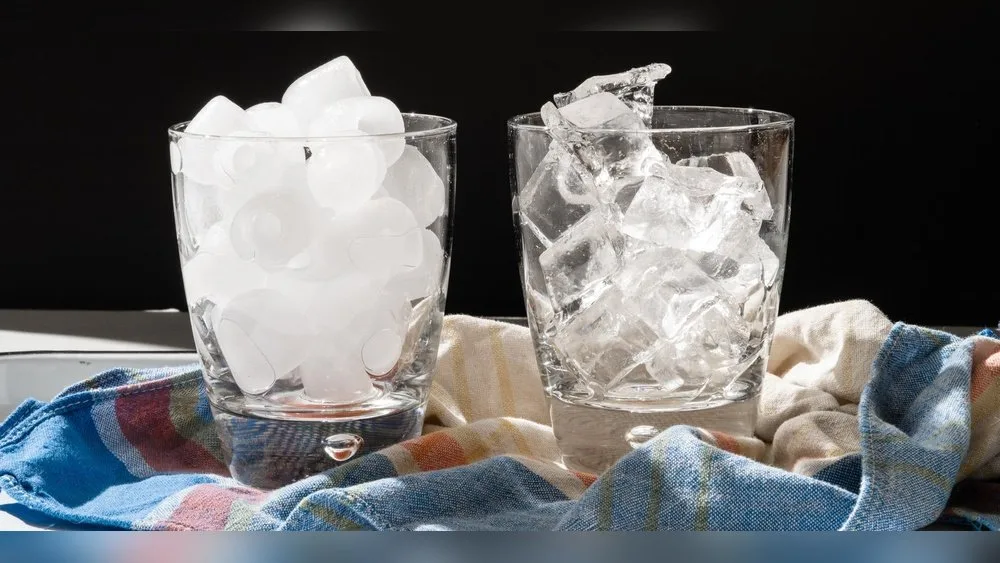
Image source: Bing (Web (fair-use with source credit))
Beyond appearance, a musty, stale, or even metallic odor can develop. This happens as minerals and sometimes bacteria can accumulate in the water system. If you notice your ice doesn't smell or taste quite right, even if it looks okay, it's definitely time for a descaling session.
Slow or Inconsistent Ice Production
When mineral deposits begin to form on the ice maker's components, it can impede their function. This buildup can insulate heating elements, clog water lines, or interfere with sensors, all of which can slow down the ice-making process. You might notice that your ice bin isn't filling up as quickly as it used to, or that the machine cycles on and off more frequently without producing ice.
This is a clear sign that internal parts are being compromised and require attention.
Understanding Mineral Buildup: The Science of Scale
Mineral buildup, or scale, is the primary culprit behind most ice maker performance issues. It's a natural consequence of using water, but its accumulation can significantly impact your appliance.
What is Scale and Where Does It Come From?
Scale is essentially a hard, chalky deposit that forms when dissolved minerals in water, primarily calcium and magnesium, precipitate out of solution. This typically happens when water is heated or evaporates, concentrating the minerals. Your tap water, even if it tastes fine, contains these dissolved solids.
Over time, as water cycles through your ice maker for freezing and thawing, these minerals are left behind on internal surfaces like the water lines, the freezing plates, and within the water reservoir.
How Scale Affects Your Ice Maker's Performance
The impact of scale ranges from cosmetic to critical. Firstly, the crystalline structure of the scale can interfere with the smooth freezing process, leading to the cloudy appearance of ice. As scale thickens, it acts as an insulator.
This means your ice maker has to work harder and longer to freeze water, decreasing the rate at which it produces ice. In severe cases, scale can clog water tubes completely, stopping ice production altogether. It can also contribute to premature wear on pumps and other mechanical parts.
This is why a regular descaling, ideally every 3 to 6 months depending on water hardness, is recommended by most manufacturers to keep the internal components functioning efficiently.
Your Descaling Toolkit: What You'll Need
Gathering the right supplies before you start makes the whole process smoother and more effective. You won't need anything too specialized, and most items are likely already in your home.
Cleaning Solutions: Vinegar vs. Commercial Cleaners
Your primary cleaning agent will be either a readily available household staple or a product specifically designed for ice maker descaling.
- White Distilled Vinegar: This is a fantastic, natural, and cost-effective descaler. Its acetic acid content is effective at breaking down mineral deposits without being overly harsh on most appliance components. A common ratio used in our research is one part white vinegar to one part water.
- Commercial Ice Maker Cleaners: These are formulated specifically for the task and can be very efficient. They often come in liquid or powder form. If you opt for a commercial cleaner, always read and strictly follow the manufacturer's instructions for dilution, application, and run time. These products can sometimes be more potent, so adhering to the directions is crucial for both safety and effectiveness.
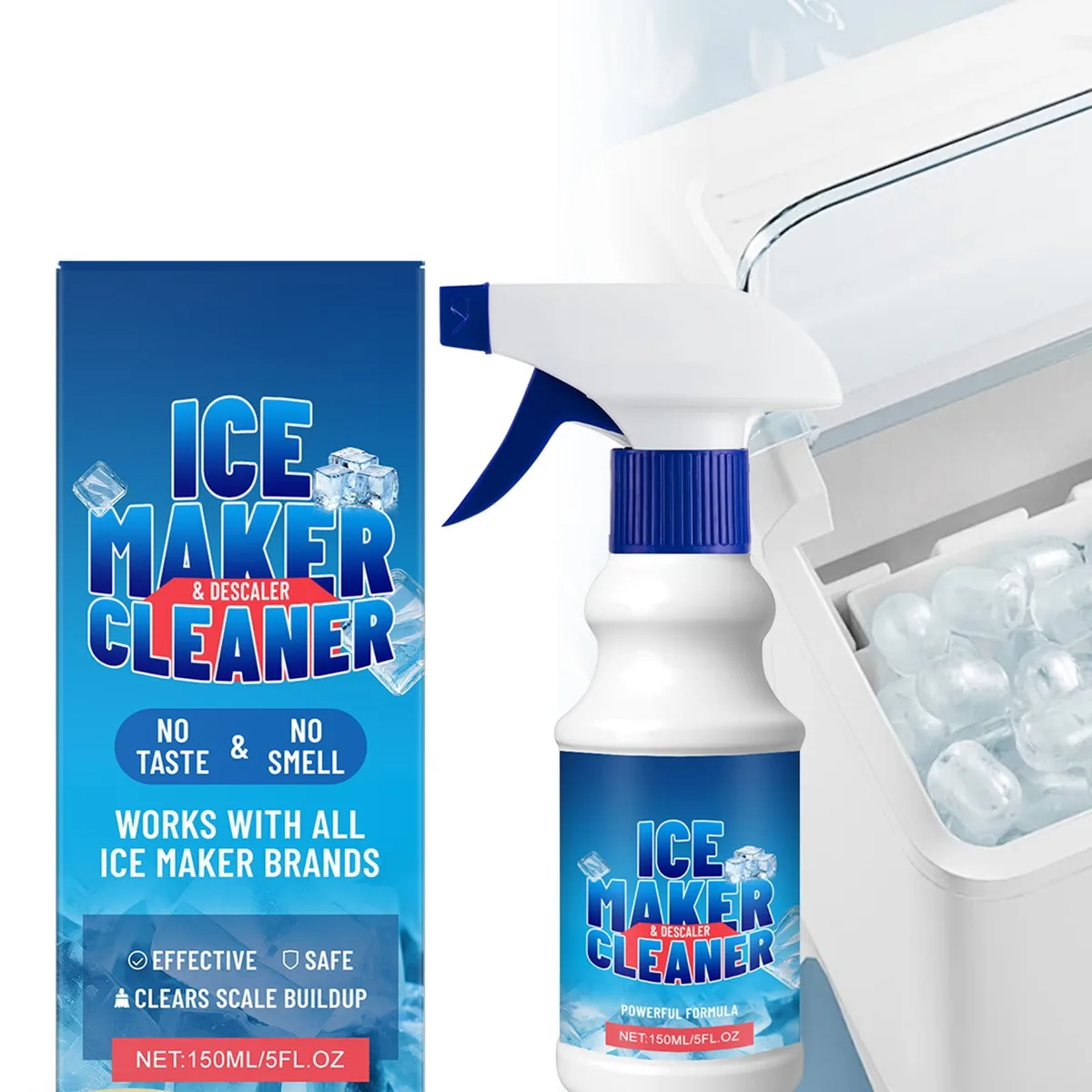
Image source: Bing (Web (fair-use with source credit))
In addition to your cleaning solution, you'll need plenty of fresh water for rinsing, a few clean cloths or sponges for wiping down surfaces, and optionally, gloves if you're using a strong commercial cleaner or prefer an extra layer of protection.
Step-by-Step Guide to Descaling Your Ice Maker
Tackling the descaling process is straightforward when broken down into manageable stages. Following these steps ensures you clean effectively and safely, leaving your ice maker in top condition.
Stage 1: Prep and Drain
Before you introduce any cleaning solutions, it’s vital to prepare the ice maker and remove any existing water or ice.
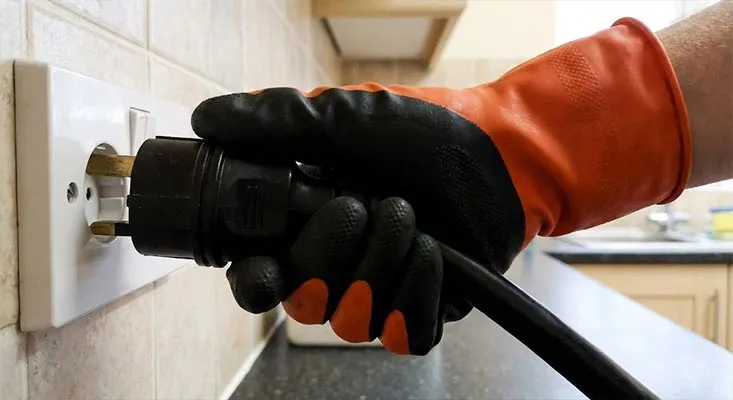
- Power Down: First, turn off your ice maker. If it’s a standalone unit, unplug it from the electrical outlet. If it’s integrated into your refrigerator, locate the ice maker shut-off switch or turn off the ice function via your refrigerator's control panel. Safety is paramount; never work on an appliance that is still powered on.
- Clear Out Ice: Open the ice bin and remove all existing ice. Discard this ice, as it may have been affected by mineral buildup or any residual cleaning agents from previous cycles.
- Drain the System: Locate the water reservoir or drain port. Consult your ice maker's owner's manual if you're unsure how to access this on your specific model. Most units have a way to drain the remaining water from the reservoir. Ensure as much water as possible is emptied to start with a clean slate.
Stage 2: Running the Cleaning Cycle
This is where the descaling solution goes to work, breaking down the mineral deposits.
- Vinegar Method: Mix equal parts white distilled vinegar and fresh water in a clean container. For instance, if your ice maker's reservoir capacity is 4 cups, use 2 cups of vinegar and 2 cups of water. Pour this mixture directly into the water reservoir.
- Commercial Cleaner Method: If you are using a specialized ice maker cleaner, carefully measure the amount recommended by the product’s manufacturer. Add it to the reservoir according to their instructions.
Once your chosen solution is in the reservoir, turn the ice maker back on (plug it in if you unplugged it). Allow the machine to run through at least one full ice-making cycle. The goal is for the cleaning solution to circulate through the internal water lines and the ice-making mechanism.
Do not consume or use the ice produced during this cleaning phase.
Stage 3: Rinsing and Sanitizing
After the cleaning solution has done its work, it's crucial to thoroughly rinse the system to remove all traces of the cleaning agent and any loosened scale.
- Discard Cleaning Ice: Turn the ice maker off again and discard all the ice that was produced during the cleaning cycle.
- Rinse the Reservoir: Empty any remaining cleaning solution from the reservoir. Fill the reservoir with fresh, clean water and rinse it thoroughly. You may need to do this two or three times to ensure no residual vinegar smell or cleaner residue remains.
- Flush with Fresh Water: Fill the reservoir with fresh, clean water. Turn the ice maker back on and let it go through at least two to three full ice-making cycles. This process flushes out any remaining cleaning solution and loosened mineral particles from the internal tubing and components. Again, discard all ice produced during these rinse cycles.
- Wipe Down: While the machine is running through its rinse cycles, take a clean, damp cloth to wipe down accessible interior surfaces of the ice bin and the ice maker itself. This helps remove any external grime or residue.
How Often Should You Be Descaling?
Knowing how frequently to descale your ice maker is key to consistent performance and longevity. This isn't a one-size-fits-all answer and depends on a few factors.
Factors Influencing Descaling Frequency
The general recommendation from many appliance manufacturers is to descale your ice maker every three to six months. However, this is a guideline, and the actual frequency needed can vary significantly. The primary driver is the hardness of your water.
If your tap water is considered "hard," meaning it has a high concentration of dissolved minerals like calcium and magnesium, you'll likely need to descale more often, perhaps as frequently as every two to three months. You can often determine your water hardness by checking your local water utility's annual report or using a home water testing kit.
Additionally, how much you use your ice maker plays a role. A machine that's constantly in use, churning out ice daily, will experience more water flow and mineral deposition than one used only occasionally. Regularly inspecting your ice for cloudiness or taste changes will give you the best indication of when it's time for another descaling.
If you start noticing these signs sooner than the typical six-month interval, it’s best to clean it then rather than waiting. As of 2026, these usage and water quality factors remain the most critical determinants for descaling schedules.
Common Descaling Mistakes to Avoid
Even with the best intentions, there are a few common missteps that can hinder your descaling efforts or even damage your ice maker. Being aware of these can save you time and potential repairs.
Over-Reliance on Harsh Chemicals
While commercial cleaners are effective, using them incorrectly or choosing an overly aggressive product can be problematic. Some cleaners might be too strong for certain materials inside your ice maker, leading to corrosion or degradation of seals and plastic components. Always use a cleaner specifically designed for ice makers and follow the manufacturer's instructions precisely.
If you're unsure, the milder, yet effective, option of white vinegar is generally a safer bet, though it may require slightly longer run times or a second application for very heavy buildup.
Skipping Rinse Cycles
This is perhaps the most critical mistake. After running a cleaning solution, it’s absolutely essential to thoroughly rinse the system with fresh water. Failing to do so means residual cleaning agents, whether vinegar or a commercial cleaner, can contaminate your ice, affecting its taste and potentially posing health concerns.
Moreover, lingering cleaning solution can contribute to unwanted odors and flavors in future ice production. Always complete at least two to three full fresh water cycles to ensure all cleaning residue is flushed out of the internal tubing and reservoir.
How Often Should You Be Descaling?
Knowing how frequently to descale your ice maker is key to consistent performance and longevity. This isn't a one-size-fits-all answer and depends on a few factors.
Factors Influencing Descaling Frequency
The general recommendation from many appliance manufacturers is to descale your ice maker every three to six months. However, this is a guideline, and the actual frequency needed can vary significantly. The primary driver is the hardness of your water.
If your tap water is considered "hard," meaning it has a high concentration of dissolved minerals like calcium and magnesium, you'll likely need to descale more often, perhaps as frequently as every two to three months. You can often determine your water hardness by checking your local water utility's annual report or using a home water testing kit.
Additionally, how much you use your ice maker plays a role. A machine that's constantly in use, churning out ice daily, will experience more water flow and mineral deposition than one used only occasionally. Regularly inspecting your ice for cloudiness or taste changes will give you the best indication of when it's time for another descaling.
If you start noticing these signs sooner than the typical six-month interval, it’s best to clean it then rather than waiting. As of 2026, these usage and water quality factors remain the most critical determinants for descaling schedules.
Common Descaling Mistakes to Avoid
Even with the best intentions, there are a few common missteps that can hinder your descaling efforts or even damage your ice maker. Being aware of these can save you time and potential repairs.
Over-Reliance on Harsh Chemicals
While commercial cleaners are effective, using them incorrectly or choosing an overly aggressive product can be problematic. Some cleaners might be too strong for certain materials inside your ice maker, leading to corrosion or degradation of seals and plastic components. Always use a cleaner specifically designed for ice makers and follow the manufacturer's instructions precisely.
If you're unsure, the milder, yet effective, option of white vinegar is generally a safer bet, though it may require slightly longer run times or a second application for very heavy buildup.
Skipping Rinse Cycles
This is perhaps the most critical mistake. After running a cleaning solution, it’s absolutely essential to thoroughly rinse the system with fresh water. Failing to do so means residual cleaning agents, whether vinegar or a commercial cleaner, can contaminate your ice, affecting its taste and potentially posing health concerns.
Moreover, lingering cleaning solution can contribute to unwanted odors and flavors in future ice production. Always complete at least two to three full fresh water cycles to ensure all cleaning residue is flushed out of the internal tubing and reservoir.
How Often Should You Be Descaling?
Knowing how frequently to descale your ice maker is key to consistent performance and longevity. This isn't a one-size-fits-all answer and depends on a few factors.
Factors Influencing Descaling Frequency
The general recommendation from many appliance manufacturers is to descale your ice maker every three to six months. However, this is a guideline, and the actual frequency needed can vary significantly. The primary driver is the hardness of your water.
If your tap water is considered "hard," meaning it has a high concentration of dissolved minerals like calcium and magnesium, you'll likely need to descale more often, perhaps as frequently as every two to three months. You can often determine your water hardness by checking your local water utility's annual report or using a home water testing kit.
Additionally, how much you use your ice maker plays a role. A machine that's constantly in use, churning out ice daily, will experience more water flow and mineral deposition than one used only occasionally. Regularly inspecting your ice for cloudiness or taste changes will give you the best indication of when it's time for another descaling.
If you start noticing these signs sooner than the typical six-month interval, it’s best to clean it then rather than waiting. As of 2026, these usage and water quality factors remain the most critical determinants for descaling schedules.
Common Descaling Mistakes to Avoid
Even with the best intentions, there are a few common missteps that can hinder your descaling efforts or even damage your ice maker. Being aware of these can save you time and potential repairs.
Over-Reliance on Harsh Chemicals
While commercial cleaners are effective, using them incorrectly or choosing an overly aggressive product can be problematic. Some cleaners might be too strong for certain materials inside your ice maker, leading to corrosion or degradation of seals and plastic components. Always use a cleaner specifically designed for ice makers and follow the manufacturer's instructions precisely.
If you're unsure, the milder, yet effective, option of white vinegar is generally a safer bet, though it may require slightly longer run times or a second application for very heavy buildup.
Skipping Rinse Cycles
This is perhaps the most critical mistake. After running a cleaning solution, it’s absolutely essential to thoroughly rinse the system with fresh water. Failing to do so means residual cleaning agents, whether vinegar or a commercial cleaner, can contaminate your ice, affecting its taste and potentially posing health concerns.
Moreover, lingering cleaning solution can contribute to unwanted odors and flavors in future ice production. Always complete at least two to three full fresh water cycles to ensure all cleaning residue is flushed out of the internal tubing and reservoir.
Frequently Asked Questions About Ice Maker Descaling
How long does it take to descale an ice maker?
The entire descaling process, from start to finish, typically takes about 1 to 2 hours, depending on your ice maker model and how many rinse cycles you run. This includes the time for the cleaning cycle itself and the subsequent fresh water cycles.
Can I use bleach to clean my ice maker?
No, it is strongly advised against using bleach or any other harsh abrasive cleaners in your ice maker. Bleach can be corrosive to internal components and can leave behind harmful residues. Stick to vinegar or designated ice maker cleaners.
My ice maker still has cloudy ice after descaling. What should I do?
If cloudiness persists, it might indicate that the mineral buildup was very severe and requires another descaling cycle. Ensure you used a sufficient amount of cleaning solution and that it circulated properly. If the problem continues, there could be a deeper issue with your water supply or the ice maker itself, and you may need to consult the manufacturer.
Can I descale my refrigerator's built-in ice maker?
Yes, most built-in refrigerator ice makers can be descaled following similar steps. Always refer to your refrigerator's specific user manual for detailed instructions on how to access and clean the ice maker component, as the process can vary between models.