How to Prevent Wooden Utensils From Cracking
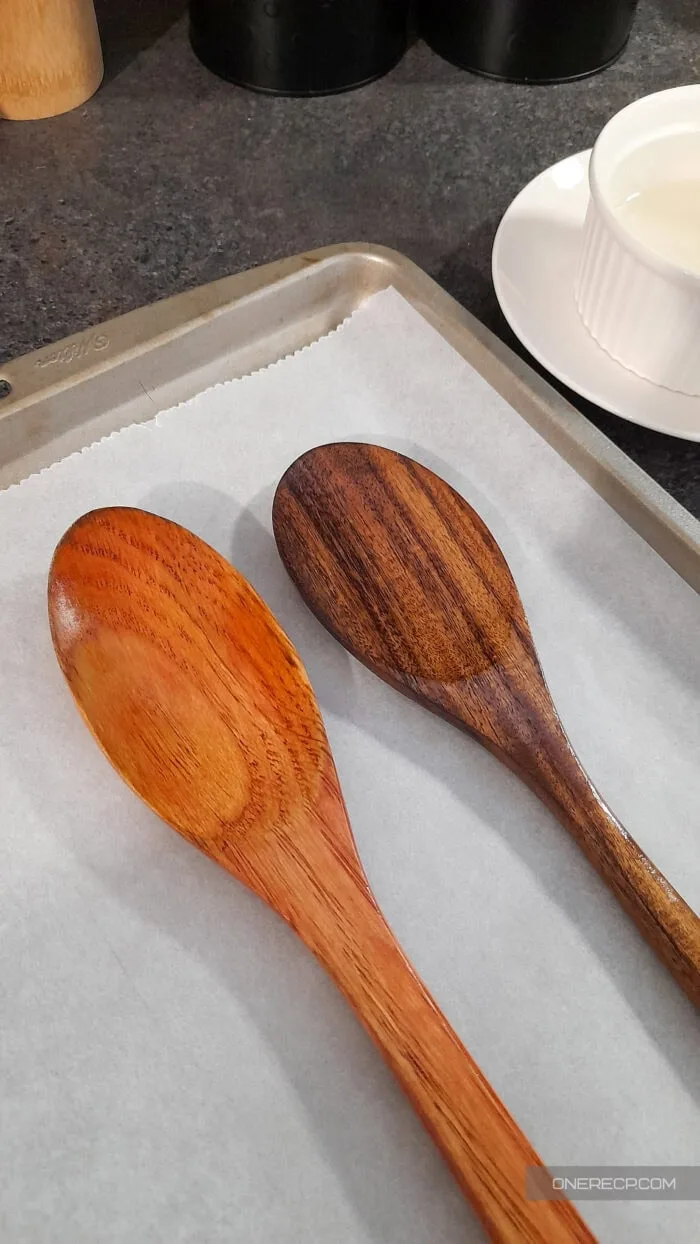
Image source: Bing (Web (fair-use with source credit))
You love your wooden spoons, spatulas, and cutting boards, but you've seen them develop those unsightly cracks. Learning how to prevent wooden utensils from cracking is key to keeping them beautiful and functional for years. It’s all about understanding how wood responds to its environment and giving it the right kind of care.
The good news is that protecting your wood kitchenware isn’t complicated. It primarily involves a few consistent habits that combat the natural expansion and contraction of wood. As of 2026, manufacturer specifications for many wood-based kitchen tools emphasize manual cleaning and regular conditioning to maintain structural integrity, often recommending oiling at least once a month.
Quick Answer
To prevent wooden utensils from cracking, hand wash them promptly after use and towel dry them thoroughly. Regularly oil them with food-grade mineral oil to seal the wood and maintain its moisture balance. Avoid dishwashers and prolonged soaking, as these drastically alter moisture levels and weaken wood fibers.
Why Do Wooden Utensils Crack? It's All About Moisture.
Wood, being a natural organic material, is constantly interacting with its surroundings, especially moisture. This interaction is the root cause of most cracking issues. Understanding this basic principle is the first step to proper wood care.
Wood Fibers Under Stress
Think of wood like a bundle of tiny straws or fibers. When these fibers absorb water, they swell. When they dry out, they shrink.
This cycle isn't usually a problem in nature where wood has a consistent environment.
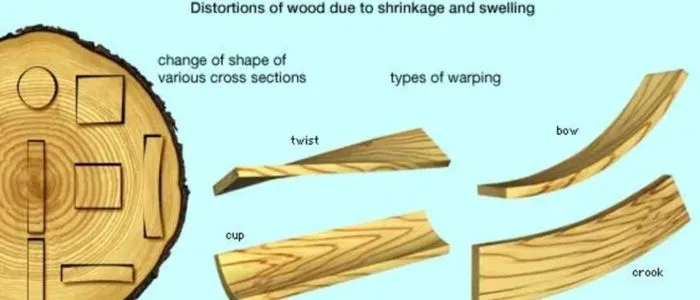
Image source: Bing (Web (fair-use with source credit))
However, in our kitchens, this cycle can be extreme. A utensil goes from being wet to bone dry in a matter of hours. This rapid and often uneven change puts immense stress on the wood fibers.
Over time, this repeated stretching and compressing can cause the fibers to pull apart, leading to visible cracks.
Preventing Extreme Moisture Swings
The goal in preventing cracks is to minimize these drastic moisture fluctuations. This means controlling how much water the wood absorbs and how quickly it dries. It’s not about keeping the wood perpetually wet, but rather about a stable, balanced moisture content.
Our research indicates that rapid drying, often from high heat in dishwashers or direct sunlight, is a primary catalyst for cracking. This is why specific cleaning methods are so crucial for preserving the integrity of wood.
The Cycle of Swelling and Shrinking: How Wood Reacts
Wood is hygroscopic, meaning it readily absorbs and releases moisture from the air around it. This characteristic is fundamental to its behavior and directly impacts its longevity, especially when used in the dynamic environment of a kitchen.
Wood Fibers Under Stress
Imagine a piece of lumber. If you soak one end in water for a day and leave the other end dry, you'll likely see it start to warp. That's because the wet end has swollen, while the dry end hasn't.
This differential expansion is what puts stress on the wood's internal structure.
In a wooden spoon, this might not be as dramatic as a whole plank, but the principle is the same. When you wash it, the outer layers absorb water and swell. If it then dries too quickly, those outer layers shrink back down, pulling on the less-dried inner core.
This constant tug-of-war eventually weakens the wood's structure.
Preventing Extreme Moisture Swings
The key to longevity for wooden utensils is maintaining a relatively stable moisture content. This means avoiding situations that cause rapid swelling or excessively rapid drying. Consistent, gentle care is far more effective than sporadic, harsh treatments.
According to general woodworking principles, wood should ideally be kept in an environment with relative humidity between 40% and 60%. While we can't control the humidity of our entire kitchen, we can control how our utensils are treated. This understanding guides the best practices for their care.
Your Step-by-Step Guide to Preventing Wooden Utensil Cracks
Taking care of your wooden kitchen tools doesn't require a lot of time, but it does require consistency. These steps are simple, effective, and will make a world of difference in how long your utensils last.
The Daily Defense: Washing and Drying Properly
This is arguably the most critical part of preventing cracks. How you clean your utensils after each use sets the stage for their long-term health.
Hand Washing is Non-Negotiable
You should never put wooden utensils in the dishwasher. The high heat, prolonged exposure to water, and harsh detergents are a recipe for disaster. They can cause deep cracks, warp the wood, and strip away any protective oils.
- Use warm water.
- Add a small amount of mild dish soap.
- Gently scrub with a sponge or soft brush.
- Rinse thoroughly.
Prompt Towel Drying
After washing, don't just let your utensils drip dry on the counter or in the sink. Grab a clean, absorbent kitchen towel and dry them immediately. Get as much surface moisture off as possible.
This step is vital because it significantly reduces the amount of water the wood has to release as it dries. This minimizes the shrinking that leads to cracks.
Letting Them Breathe to Dry
Once towel-dried, stand the utensils up or lay them in a way that allows for good air circulation all around them. Avoid stacking them or placing them in a dish rack where they might pool water. Proper airflow ensures even drying.
The Essential Treatment: Regular Oiling
Oiling is to wood what moisturizing is to skin. It keeps it supple, protects it from the elements, and prevents it from drying out too quickly.
Why Oil is Your Utensils' Best Friend
Oiling seals the wood's pores. This barrier prevents water from penetrating too deeply and too quickly during washing. It also slows down the evaporation of moisture, leading to more gradual and less stressful drying.
- Seals pores to prevent rapid water absorption.
- Slows down moisture loss during drying.
- Keeps wood supple and prevents brittleness.
- Enhances the natural beauty of the wood.
Choosing the Right Kind of Oil
For kitchen utensils, you must use a food-safe oil. The absolute best option is food-grade mineral oil. You can find this at most pharmacies, grocery stores, or online.
It’s inexpensive, odorless, colorless, and won't go rancid.
Avoid using cooking oils like olive oil, vegetable oil, or canola oil. While they are food-safe, they can eventually go rancid, leaving your utensils with an unpleasant smell and taste. Specialized wood conditioners that contain beeswax are also excellent for adding extra protection.
How Often Should You Oil?
This depends on how frequently you use your utensils and the climate you live in. A good general guideline is to oil them whenever they start to look or feel dry, or at least once a month. If you notice water no longer beads up on the surface and starts to soak in quickly, it’s time for an oiling.
The Oiling Ritual: A Simple Process
This is where the magic happens. A little bit of effort here makes a huge difference in the lifespan of your wooden tools.
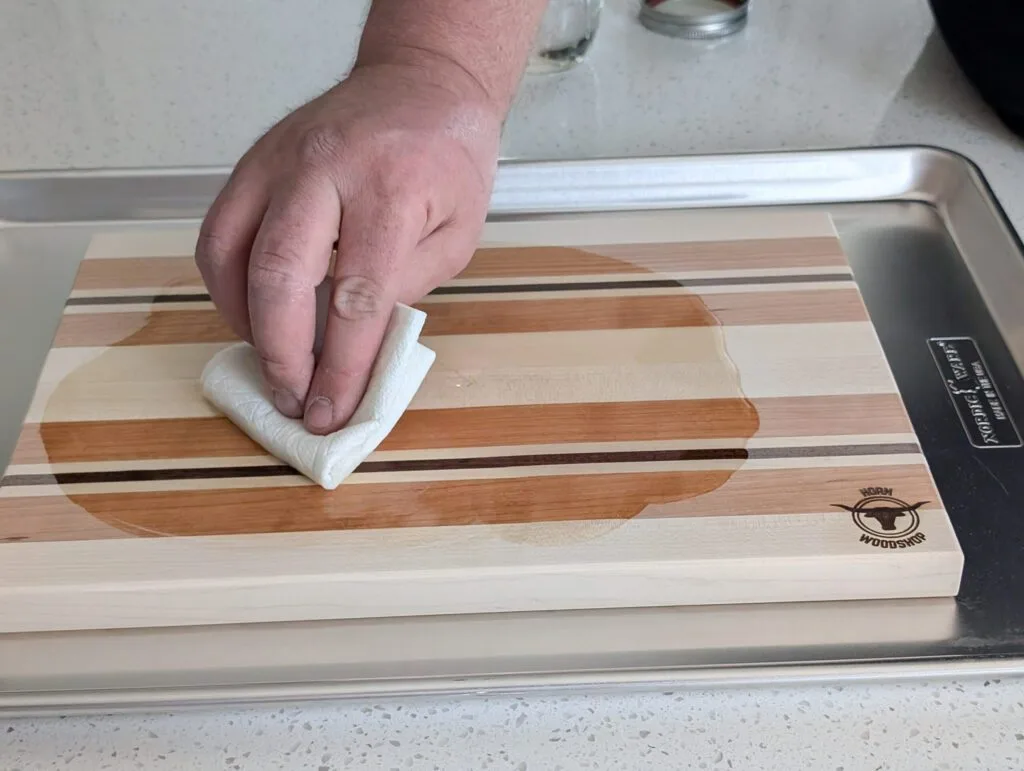
Image source: Bing (Web (fair-use with source credit))
- Clean and Dry: Make sure your utensils are thoroughly washed and completely dry. Never oil wet wood; you'll just trap moisture.
- Apply Generously: Pour a generous amount of food-grade mineral oil directly onto the wood, or apply it with a clean, lint-free cloth.
- Rub and Soak: Use the cloth or your hands to rub the oil into the entire surface of the utensil. Ensure all sides, handles, and any carved areas are covered. Let the oiled utensils sit for at least a few hours, or ideally, overnight, to allow the wood to deeply absorb the oil.
- Wipe and Buff: Use a clean, dry cloth to wipe away any excess oil that hasn't been absorbed. Buff the surface to a smooth finish.
Common Mistakes That Lead to Cracks
Sometimes, the easiest ways to damage our wooden kitchen tools are the ones we do without thinking. Knowing these common pitfalls can help you avoid them entirely.
The Dishwasher Debacle
This is the number one mistake people make. As mentioned, dishwashers are wood's worst enemy. The intense heat and prolonged soaking cause rapid swelling and then severe drying, leading to unavoidable cracks and warping.
Think of it as a high-stress spa treatment that’s too rough for delicate wood.
Some manufacturers even explicitly state that dishwasher use will void warranties on wooden items. It’s a hard pass, every single time.
Neglecting the Oil Treatment
Skipping the regular oiling is like never moisturizing your skin. The wood dries out, becomes brittle, and loses its natural protective barrier. When wood is dry, it's far more susceptible to damage from even minor impacts or sudden changes in humidity.
- Dry wood becomes brittle.
- Lack of oil leaves it vulnerable to moisture.
- It loses its natural sheen and can look dull.
Storing Them While Damp
Leaving wet utensils in a drawer or a pile on the counter encourages uneven drying. If water pools around the base of a spoon handle, that part will swell and then dry differently than the rest of the utensil, creating internal stresses. Always ensure they are dry before storing.
Real-Life Scenarios: What Happens When Things Go Wrong
It's helpful to see how these principles play out in everyday kitchen life. These are situations many home cooks encounter, and understanding them offers practical lessons.
The Case of the Cracked Spatula
Imagine Sarah, who loved her new cherry wood spatula. She'd toss it in the dishwasher after every meal because it was quick. After about six months, she noticed a fine line running down the handle.
A few weeks later, it had deepened into a visible crack, making it uncomfortable to hold and a place where food could get trapped.
This happened because the extreme heat and water in the dishwasher repeatedly caused the wood to swell and shrink rapidly. The fibers couldn't withstand the constant stress, and the spatula eventually cracked. Had Sarah hand-washed and towel-dried it, followed by occasional oiling, it would likely still be in perfect condition.
The Slightly Warped Spoon
Then there's Mark, who had a set of wooden mixing spoons. He’d often leave them in a glass on the counter, with the wet ends submerged in water for hours. While this prevented them from drying out completely, it caused uneven moisture absorption.
One spoon started to bend, taking on a permanent curve. The wood on the submerged side swelled more than the air-exposed handle, causing it to warp. This illustrates that even consistent moisture can be detrimental if it's not balanced.
Proper air drying after washing is key to preventing such distortions.
FAQ: Your Burning Questions About Wood Care
How often should I oil my wooden utensils?
You should oil your wooden utensils whenever they start to look or feel dry, usually at least once a month. If water stops beading on the surface and starts soaking in, it’s time to reapply.
Can I use olive oil on my wooden spoons?
No, it's best to avoid cooking oils like olive oil. They can go rancid over time, causing an unpleasant smell and potentially making your utensils taste off. Stick to food-grade mineral oil or beeswax-based conditioners.
What if my wooden utensil gets a small crack?
For minor surface cracks, try oiling the utensil generously and letting it soak. Sometimes, the wood will swell and help close small fissures. For larger cracks, you might need food-safe wood glue and clamping, followed by sanding and re-oiling.
Why are my wooden utensils always damp after washing?
This usually happens if they aren't towel-dried properly or if they're stored in a way that prevents airflow. Ensure you wipe them down thoroughly and then let them stand or lie flat where air can circulate around them to dry completely.
Keeping Your Wooden Tools Beautiful for Years to Come
By consistently following simple maintenance steps, hand washing, thorough drying, and regular oiling, you create an environment where wood thrives. This prevents the stresses that lead to cracking, ensuring your favorite wooden spoons, spatulas, and cutting boards remain reliable, beautiful, and safe kitchen companions for years to come.