How to Clean Stainless Steel Utensils
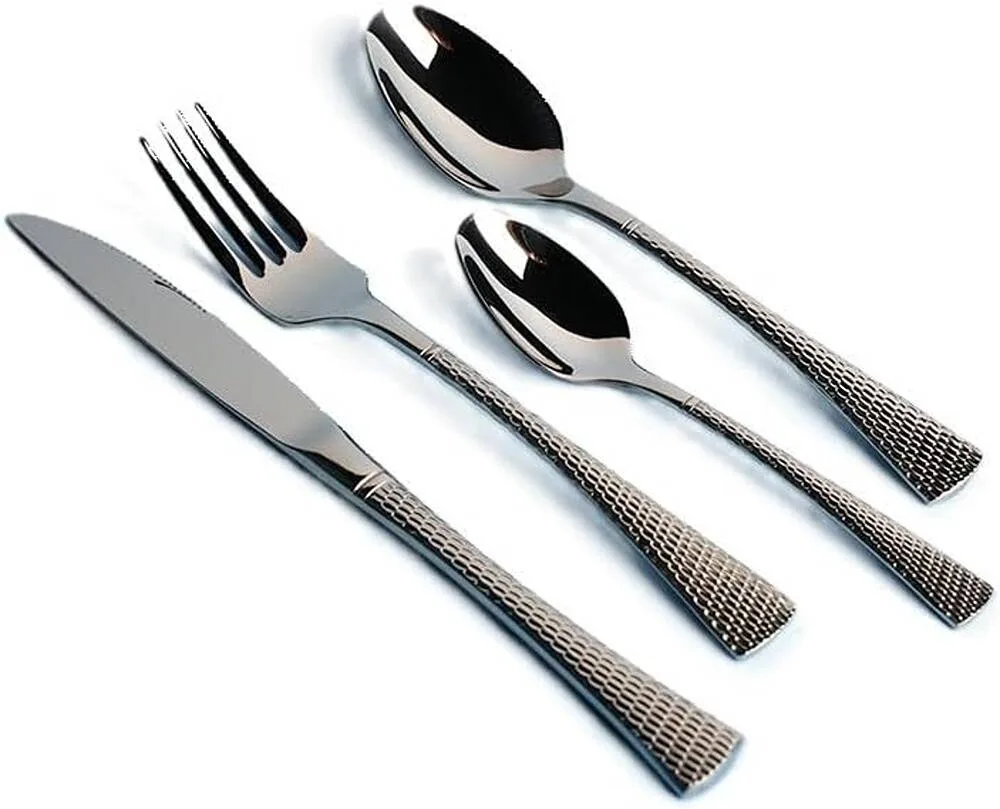
Image source: Bing (Web (fair-use with source credit))
How to Clean Stainless Steel Utensils
Keeping your stainless steel utensils looking their best is simpler than you might think. Those everyday forks, spoons, and knives can easily get dull or develop water spots if not cared for properly. Thankfully, you don't need a special arsenal of cleaners to restore their shine.
Our research confirms that with a few common household ingredients and mindful practices, you can easily tackle common issues like water spots and residue. This guide breaks down the most effective methods to keep your kitchenware gleaming, ensuring they're ready for your next meal.
Quick Answer
To clean stainless steel utensils, use regular dish soap and hot water for daily washing. For water spots, wipe with white vinegar and dry immediately. For minor scuffs, a paste of baking soda and water can help.
Always rinse thoroughly and dry with a soft cloth, working in the direction of the utensil's grain.
The Daily Rinse and Wash
For most day-to-day cleaning, your regular dish soap and hot water will do the trick. Think of this as a simple, refreshing bath for your cutlery. The key is to address food particles before they have a chance to dry and become stubborn.
- Address Residue Promptly: As soon as you're done using your utensils, give them a quick rinse under running water. This prevents food from hardening, which makes subsequent washing much easier.
- Hot Water and Mild Soap: Fill your sink with hot water and add a few drops of your go-to dish soap. Hot water helps to break down grease and grime more effectively.
- Gentle Scrubbing: Use a soft sponge or a microfiber cloth to gently scrub each utensil. Avoid abrasive scouring pads, as these can scratch the stainless steel surface.
- Thorough Rinsing: After washing, rinse each utensil thoroughly under clean running water. This ensures no soap residue is left behind, which could lead to dullness or streaks.
Tackling Stubborn Spots and Dullness
Sometimes, even with regular washing, your stainless steel utensils might show signs of dullness or annoying water spots. These are often caused by mineral deposits left behind by hard water or dried-on food. Fortunately, common household staples can come to the rescue.
Unleashing Vinegar's Power
White vinegar is a fantastic, natural solution for dissolving the mineral buildup that causes water spots. It's acidic enough to break down these deposits without damaging the stainless steel itself.
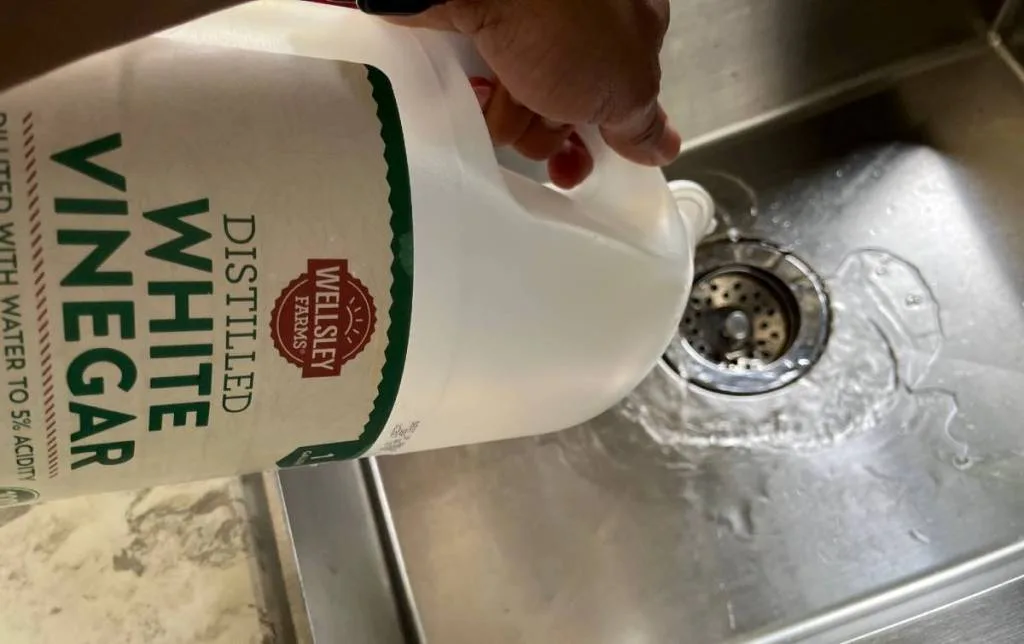
Image source: Bing (Web (fair-use with source credit))
- Prepare a Vinegar Soak: For a batch of utensils, fill your sink with hot water and add about one cup of white vinegar.
- Soak Time: Let the utensils soak in this solution for approximately 15 to 20 minutes. This gives the vinegar time to work on the mineral deposits.
- Spot Treatment: If you only have a few specific spots, you can dampen a soft cloth or paper towel with undiluted white vinegar and gently wipe the affected areas.
- Rinse and Dry: After soaking or wiping, rinse the utensils thoroughly under plain water. The crucial next step is to immediately dry them with a clean, soft towel to prevent new water spots from forming as the water evaporates.
Restoring Shine: Baking Soda and Polishing Tricks
Beyond just cleaning, you might want to restore that original gleam or address minor surface imperfections. Baking soda, with its mild abrasive properties, and a touch of polish can bring your utensils back to life.
Using Baking Soda for Minor Scratches
Fine scratches are a common occurrence with regular use. While deep scratches are permanent, baking soda can help buff out very light surface marks and restore a more uniform appearance.
Image source: Bing (Web (fair-use with source credit))
- Create a Paste: Mix baking soda with a small amount of water until you form a thick paste. You're aiming for a consistency similar to toothpaste.
- Gentle Application: Apply the paste to the scratched area using a soft cloth or sponge.
- Polish with the Grain: Rub the paste gently over the scratch, always moving in the direction of the stainless steel's grain. This is critical; rubbing against the grain can create more visible scratches.
- Rinse and Dry: Thoroughly rinse the utensil with clean water to remove all baking soda residue. Immediately dry it with a soft towel to prevent water spots. Remember, baking soda is mildly abrasive, so use it sparingly and with care.
Achieving a Streak-Free Polish
Once clean, a final polish can make your stainless steel utensils truly gleam and even help repel future water spots for a short time. This step elevates them from merely clean to looking almost new.
- Microfiber is Best: Use a clean, dry microfiber cloth for polishing. These cloths are designed to pick up smudges and buff surfaces without leaving lint behind.
- A Drop of Oil: For an extra boost of shine, you can add a minuscule amount of food-grade mineral oil or a light olive oil to your polishing cloth. You only need a tiny drop; the goal is a subtle sheen, not an oily residue.
- Buff in the Direction of the Grain: Apply the oil (if using) to the cloth, then gently buff the utensil. Always move the cloth in the direction of the stainless steel's grain.
- Final Buff: Use a clean, dry section of the microfiber cloth to buff away any excess oil and bring out the shine. This leaves a smooth, lustrous finish that's resistant to fingerprints for a while.
What to Absolutely Avoid
Just as important as knowing the right cleaning methods is understanding what can cause damage. Stainless steel is durable, but it's not indestructible. Steer clear of certain products and tools that can harm its finish.
Harsh Scrubbers and Chemicals
Aggressive cleaning can quickly turn gleaming utensils into dull, scratched-up disappointments. Many common kitchen cleaning tools and agents are too harsh for stainless steel.
- Abrasive Pads: Steel wool, scouring pads made of rough materials, and even the abrasive side of some sponges can easily create permanent scratches on the stainless steel surface. These scratches not only look bad but can also trap food particles, making cleaning harder in the future.
- Harsh Chemical Cleaners: Bleach or chlorine-containing cleaners are a strict no-go for stainless steel. Bleach can cause pitting, staining, and corrosion, weakening the metal over time. Other strong chemical cleaners not specifically designed for stainless steel can also strip away protective layers or leave damaging residues.
- Oven Cleaners: These are extremely potent and can severely damage the finish of your utensils, leading to discoloration and pitting. Always opt for milder, purpose-specific cleaning solutions.
Pro Tips for a Lasting Shine
To truly maintain that fresh-from-the-store look on your stainless steel utensils, a few expert techniques can make all the difference. These aren't complicated, but they require a bit of mindful attention during the cleaning process.
Working with the Grain
This is perhaps the most crucial tip for maintaining the appearance of stainless steel. Stainless steel has a subtle "grain" or directionality to its finish, much like wood.
- Locate the Grain: Look closely at your utensils under good light. You'll usually see faint parallel lines running along the length of the metal.
- Wipe and Polish Accordingly: Always wipe, scrub, or polish in the same direction as these lines. Rubbing across the grain can create visible scratches and swirl marks that dull the finish.
- Dishwasher Placement: Even in the dishwasher, try to arrange items so they don't rub harshly against each other, which can cause micro-scratches over time and disrupt the intended grain effect.
The Magic of Microfiber
When it comes to drying and polishing stainless steel, microfiber cloths are unparalleled. Their unique fiber structure makes them highly effective for achieving a spotless finish.
- Lint-Free Cleaning: Unlike cotton towels, microfiber cloths don't leave behind lint or fuzzy residue. This is essential for a streak-free shine on highly reflective surfaces like stainless steel.
- Absorption Power: Microfiber is excellent at absorbing moisture, which is key for preventing water spots. They dry surfaces quickly and thoroughly.
- Gentle Buffing: The softness of microfiber also ensures you're not scratching the metal while you work, making it the perfect tool for that final buffing stage to bring out maximum shine.
Frequently Asked Questions
How often should I clean my stainless steel utensils?
You should clean your stainless steel utensils after each use, just like any other cutlery, to prevent food from drying on. For a deeper clean or to tackle spots, a vinegar or baking soda treatment can be done as needed, perhaps weekly or monthly depending on your water hardness and usage.
Can I put stainless steel utensils in the dishwasher?
Yes, most stainless steel utensils are dishwasher-safe. However, it's best to place them with the handles down to avoid pooling water and ensure thorough cleaning. Avoid overcrowding the dishwasher, as utensils rubbing against each other can cause scratches.
What's the best way to remove tough food stains?
For tough, dried-on food stains, try soaking the utensil in hot, soapy water for about 30 minutes before washing. If that doesn't work, a paste of baking soda and water, gently scrubbed with the grain, can help lift stubborn residue. Always rinse and dry immediately afterward.
Why do my stainless steel utensils look dull even after washing?
Dullness is often caused by soap residue or mineral deposits from hard water. Ensure you're rinsing thoroughly after washing. If dullness persists, try a vinegar soak as described in the article, followed by immediate drying with a microfiber cloth.
Are there any special stainless steel cleaners I should use?
While specialized stainless steel cleaners exist, they are often unnecessary for routine cleaning. Mild dish soap, white vinegar, and baking soda are effective for most common issues. If you choose a commercial cleaner, ensure it's specifically formulated for stainless steel and always test it on an inconspicuous area first.