How to Sanitize Kitchen Utensils
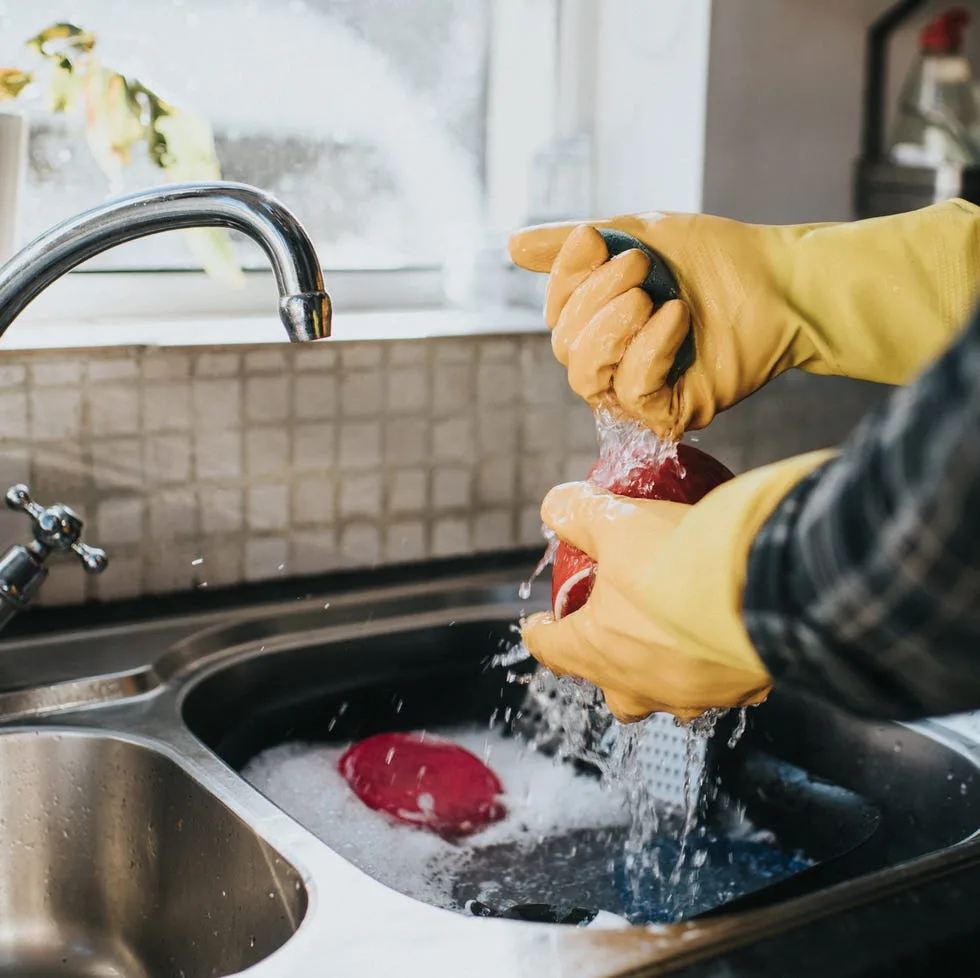
Image source: Bing (Web (fair-use with source credit))
When and How to Sanitize Kitchen Utensils
Ensuring your kitchen utensils are truly clean goes beyond a quick wash. Effective sanitization is key to preventing the spread of germs and keeping your food safe. This guide walks you through how to sanitize kitchen utensils, making sure your cooking environment is as healthy as possible.
From everyday spatulas to chopping boards, each item needs attention. According to guidelines from the Food and Drug Administration (FDA), proper cleaning and sanitization are critical steps in food safety, particularly when dealing with raw meats or preventing cross-contamination. We'll break down the best methods for your specific needs.
Quick Answer
Sanitize kitchen utensils by cleaning them thoroughly first, then using hot water (165°F / 74°C) or a dishwasher on a sanitize cycle. For manual sanitization, immerse utensils in boiling water for at least 30 seconds. Chemical sanitizers like diluted bleach or commercial solutions also work if used correctly and rinsed thoroughly.
Always ensure utensils are completely dry before storing to prevent bacterial growth.
Your Utensil Sanitization Decision Guide
Deciding on the best sanitization method isn't a one-size-fits-all situation. It really comes down to a few key questions about the utensil itself and the circumstances. Think of this as your personal roadmap to a cleaner kitchen.
What Did the Utensil Touch?
This is probably the most crucial factor. If a utensil came into contact with raw meat, poultry, seafood, or eggs, sanitization is non-negotiable. These foods can carry harmful bacteria like Salmonella and E. coli.
Utensils used for cooked foods or produce generally require less rigorous sanitization but should still be cleaned well.
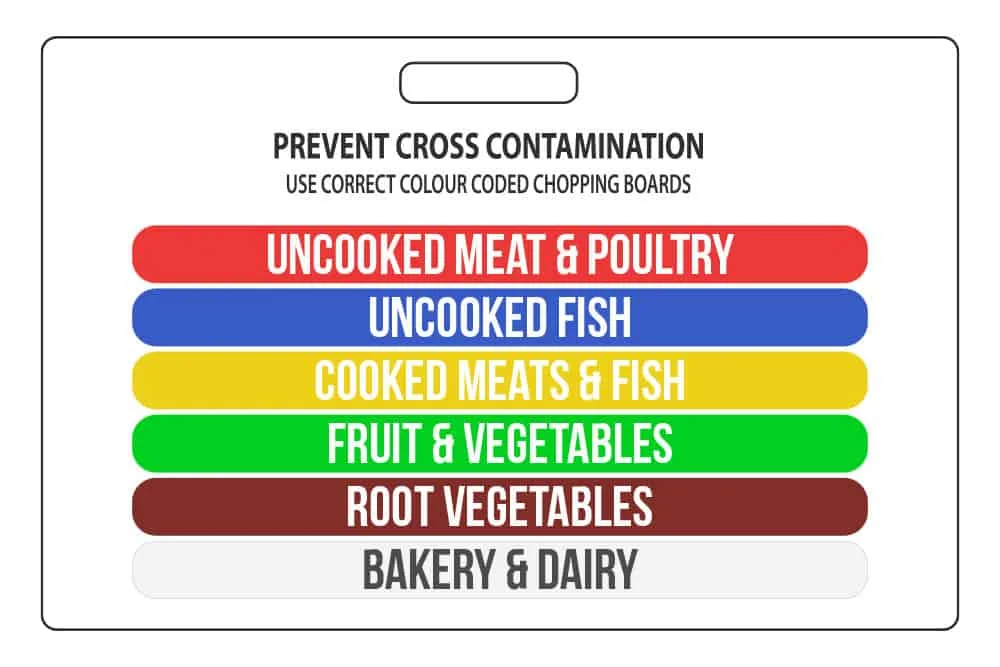
Image source: Bing (Web (fair-use with source credit))
- Raw Meats, Poultry, Seafood, Eggs: Immediate and thorough sanitization is a must.
- Cooked Foods or Produce: Standard cleaning is often sufficient, but sanitizing offers an extra layer of safety.
- Non-Food Contact Items: Utensils that only touch packaging or serving dishes might not need full sanitization.
What Is the Utensil Made Of?
The material of your kitchen tools dictates how they can be sanitized without damage. Metal utensils like stainless steel spatulas and knives can handle high heat, while wooden or bamboo items can warp or crack if submerged for too long. Plastic and silicone are generally durable but can melt or degrade with excessive heat.
- Stainless Steel, Glass, Ceramic: Can withstand boiling and high dishwasher heat.
- Plastic, Silicone: Often dishwasher safe, but check manufacturer guidelines for heat limits.
- Wood, Bamboo: Porous materials that can absorb moisture and crack with prolonged heat or submersion. Air drying is best.
Do You Have Time for Boiling?
Boiling is a highly effective way to sanitize heat-resistant utensils. It kills most harmful microorganisms, including bacteria and viruses, within a short time. If you have the time and your utensils can handle it, this is a fantastic method.
- Process: Bring a pot of water to a rolling boil. Submerge clean utensils for at least 30 seconds.
- Best For: Metal tongs, whisks, knives, and heat-safe spatulas.
- Not For: Wood, bamboo, or some plastics that could melt or warp.
Do You Have a Dishwasher?
Modern dishwashers are powerful cleaning and sanitizing tools. Many have a specific "sanitize" cycle that uses higher water temperatures to kill germs. This is a convenient option for busy households and can handle a wide range of utensils.
- How it Works: Dishwashers use hot water (often above 160°F / 71°C) and strong detergent to clean. Sanitize cycles push the water temperature even higher, typically to around 165°F (74°C).
- Best For: Most kitchen utensils, provided they are labeled as dishwasher-safe.
- Check Settings: Ensure your dishwasher has a sanitize option and select it for maximum germ-killing power.
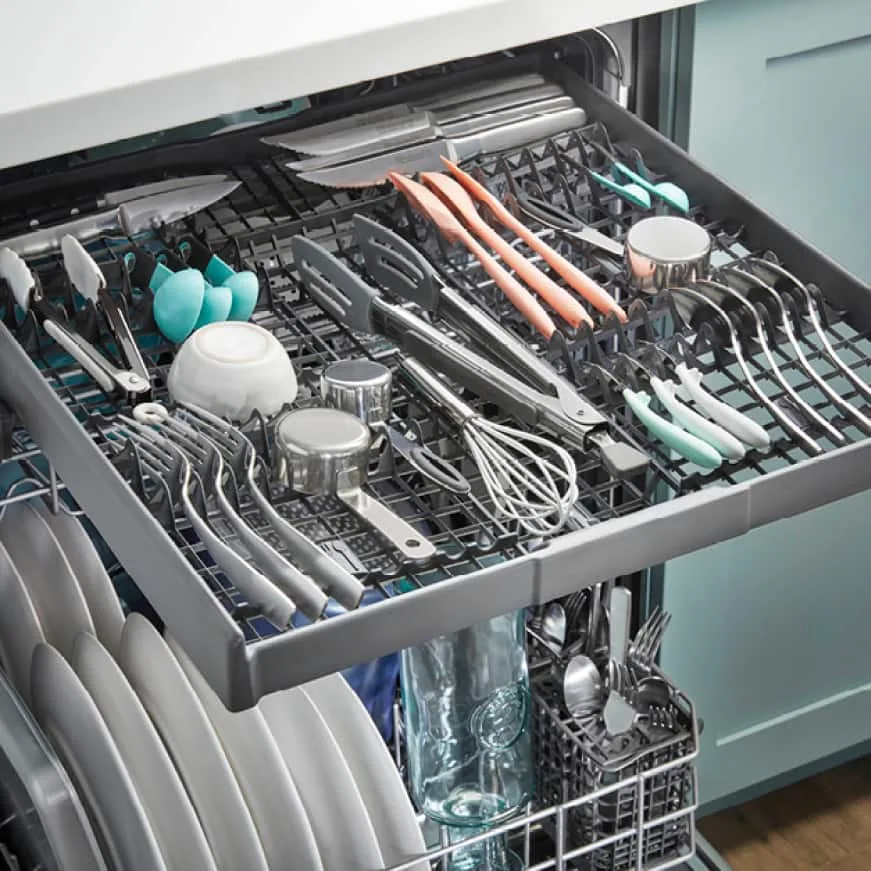
Image source: Bing (Web (fair-use with source credit))
Do You Have a Dishwasher? (Continued)
For a dishwasher to effectively sanitize, it needs to reach specific temperatures. The NSF International standard for home dishwashers requires them to reach at least 165°F (74°C) on their sanitizing rinse cycle to reduce bacteria. Not all dishwashers have a dedicated sanitize cycle, so check your appliance manual.
If your dishwasher lacks this setting, using the hottest water setting available and a good detergent offers strong cleaning. However, for true sanitization to reduce microbial load to safe levels, a dedicated hot water wash and rinse, or a separate sanitizing step, is necessary. Understanding your appliance's capabilities is crucial for food safety.
The Right Way to Clean Before Sanitizing
Sanitization isn't magic; it's an extra step that works best on already clean surfaces. You can't effectively sanitize a utensil that still has food particles clinging to it. Think of cleaning as removing the visible dirt and grime, while sanitizing tackles the invisible germs that remain.
First, scrape off any large food debris into the trash. Then, wash your utensils thoroughly with hot, soapy water. Use a clean sponge or brush to scrub all surfaces, getting into nooks and crannies.
Rinse them well under running water to remove all soap residue. Only after this cleaning step are your utensils ready for sanitization. This two-step process is fundamental to good kitchen hygiene, minimizing the risk of foodborne illness.
Effective Sanitization Methods for Every Utensil
Now that you know the basics, let's dive into the actual sanitization methods. The best choice often depends on the utensil's material, your available equipment, and how much time you have. We'll cover the most common and effective approaches.
Hot Water & Dishwasher Power
Using hot water is one of the simplest and most effective ways to sanitize many kitchen tools, especially if you have a dishwasher with a sanitize cycle. As mentioned, the NSF International standard requires dishwashers to reach at least 165°F (74°C) on their sanitizing rinse cycle to effectively reduce bacteria. If your dishwasher lacks this setting, a high-temperature wash cycle still offers a good level of cleaning, but might not achieve full sanitization.
For items not suitable for the dishwasher, you can sanitize them manually with hot water. This usually involves immersing them in water heated to at least 170°F (77°C) for a minimum of 30 seconds, though specific guidelines can vary. It's important to note that maintaining such a high temperature manually can be tricky and requires careful handling to avoid burns.
Boiling: The Old Reliable
Boiling is a tried-and-true method for sanitizing heat-resistant kitchen utensils. It uses the power of extreme heat to kill off bacteria, viruses, and other pathogens. This method is particularly effective because it doesn't rely on chemicals and is generally safe for most metal and some heat-resistant plastic items.
What you'll need: A pot large enough to fully submerge your utensils, water, and a heat source.
The Process:
- Clean your utensils thoroughly first.
- Fill a pot with enough water to completely cover the utensils.
- Bring the water to a rolling boil over medium-high heat.
- Carefully place the clean utensils into the boiling water.
- Boil for at least 30 seconds. Some sources recommend up to a minute for maximum assurance.
- Using tongs, carefully remove the utensils from the boiling water.
- Allow them to air dry completely on a clean rack or towel. Avoid wiping them dry with a cloth, as this can reintroduce germs.
Best for: Knives, metal tongs, whisks, ladles, metal measuring cups, and spoons.
Avoid for: Wood, bamboo, or plastics that can melt or warp at boiling temperatures.
Chemical Sanitizers: When and How to Use
When boiling isn't an option or for larger batches of items, chemical sanitizers are a practical choice. These solutions work by breaking down or disrupting the cell structures of microorganisms. It's crucial to use them correctly, as improper concentration or insufficient contact time can render them ineffective.
Common chemical sanitizers include diluted bleach solutions and commercial sanitizing products designed for kitchens. For instance, a common household bleach solution for sanitizing food-contact surfaces is typically made by mixing 1 tablespoon of unscented bleach with 1 gallon of cool water, creating a solution of about 50 parts per million (ppm) of sodium hypochlorite. Always use unscented bleach, as fragrances can contaminate food.
General Steps for Chemical Sanitization:
- Clean utensils thoroughly.
- Prepare the sanitizer solution according to product instructions or established guidelines. For bleach, use the 1 tbsp per gallon ratio.
- Submerge the clean utensils in the solution, ensuring they are fully covered.
- Allow them to soak for the recommended contact time, which is typically at least 30 seconds to one minute, depending on the specific sanitizer.
- Remove utensils and let them air dry completely. Crucially, rinse thoroughly with clean potable water if the sanitizer is not intended for food-contact surfaces without rinsing, or if you are concerned about residual taste. Always follow the specific product's instructions regarding rinsing.
Considerations:
- Bleach: Effective and inexpensive, but can be harsh and requires careful handling and thorough rinsing. Ensure it's unscented.
- Commercial Sanitizers: Often designed for specific uses and may offer easier application or faster results, but can be more costly.
- Vinegar: While often touted as a natural cleaner, its effectiveness as a sanitizer is limited against many common foodborne pathogens. It's better for cleaning and deodorizing than true sanitization.
Sanitizing Non-Heat-Tolerant Utensils
Not everything in your kitchen can handle boiling water or a hot dishwasher cycle. Utensils made from wood, bamboo, certain plastics, or those with delicate components require a gentler approach to sanitization. The key here is to use methods that kill germs without damaging the material.
- Wooden and Bamboo Utensils: These porous materials can harbor bacteria if not cleaned and dried properly. After washing, it's best to air dry them completely. For sanitization, a quick wipe-down with a food-safe sanitizer (like a dilute quaternary ammonium solution, often found in commercial kitchen sanitizers, used according to label directions) and thorough air drying is recommended. Avoid soaking, as this can lead to warping and cracking.
- Plastic and Silicone Utensils: Many are dishwasher safe, but if yours aren't or you want to sanitize them separately, you can use a food-safe chemical sanitizer. Prepare a solution as per product instructions or the diluted bleach ratio (1 tbsp unscented bleach per gallon of cool water). Submerge the cleaned utensils for at least 30 seconds, then rinse thoroughly with potable water and air dry.
- Utensils with Electronic Components: Items like electric whisks or certain gadgets cannot be submerged. Clean these by wiping them down with a damp cloth and a mild detergent. For sanitizing, use a disinfectant wipe or a cloth lightly dampened with a food-safe sanitizer, making sure not to let liquid seep into the electronic parts. Always ensure they are completely dry before next use.
Common Sanitization Mistakes to Dodge
Even with the best intentions, a few common slip-ups can turn your sanitization efforts ineffective. Avoiding these pitfalls ensures you're actually getting rid of germs, not just going through the motions. It’s crucial to remember that sanitization isn't a substitute for cleaning; it’s an additional step.
- Skipping the Cleaning Step: This is the most frequent error. Sanitizers work on clean surfaces. If food particles are still present, bacteria can hide underneath them, making sanitization incomplete. Always wash thoroughly first with hot, soapy water.
- Incorrect Sanitizer Concentration: Too weak, and it won't kill germs. Too strong, and it might leave a residue or damage the utensil. Always follow dilution instructions precisely for bleach or commercial products. For example, a bleach solution for sanitizing usually requires 1 tablespoon of unscented bleach per gallon of cool water.
- Insufficient Contact Time: Sanitizing solutions need time to work. Leaving utensils in for only a few seconds usually isn't enough. Adhere to the recommended soak times (often 30 seconds to one minute) for effective germ killing.
- Not Drying Properly: Damp utensils are a breeding ground for new bacteria. After sanitizing and rinsing, ensure items are completely air-dried. Avoid using a dish towel, which can transfer germs. Lay them on a clean rack or let them stand upright.
- Using the Wrong Sanitizer: Not all cleaning products are sanitizers. For instance, dish soap cleans but doesn't kill germs effectively. Similarly, vinegar has limited sanitizing power against many common pathogens. Stick to proven methods like heat or approved chemical solutions.
Expert Tips for Top-Notch Utensil Sanitization
To truly elevate your kitchen hygiene, a few pro-level tips can make a big difference. These go beyond the basic steps and focus on efficiency, effectiveness, and preventing future problems. Think of these as the little extras that make a big impact.
- Air Dry Whenever Possible: Even after sanitizing, residual moisture can encourage bacterial growth. Always allow utensils to air dry completely on a clean rack or drying mat before storing them. If you must use a towel, ensure it’s freshly laundered and free of contaminants.
- Sanitize Cutting Boards After Raw Meat: This is non-negotiable. Wooden, bamboo, and plastic cutting boards must be sanitized after contact with raw meat, poultry, or seafood. Boiling is out for most boards, so chemical sanitizers or a very hot dishwasher cycle are your best bets.
- Don't Forget the Handles: It's easy to focus on the parts of the utensil that touch food, but handles can also harbor germs. Ensure you clean and sanitize the entire utensil, including the handle, especially if your hands have touched it during food preparation.
- Regularly Inspect and Replace: Over time, utensils can develop scratches, cracks, or porous surfaces that are difficult to clean and sanitize effectively. Regularly check your tools for wear and tear, and replace them when they become damaged. This is particularly important for cutting boards and wooden spoons.
- Consider a Separate "Raw Meat" Set: For the highest level of food safety, especially if you're frequently preparing raw meats, consider having a dedicated set of utensils solely for raw meat preparation. These should be thoroughly cleaned and sanitized immediately after each use.
When to Deep Clean vs. When to Sanitize
It's easy to mix up cleaning, disinfecting, and sanitizing, but they're not quite the same. Understanding the difference helps you choose the right approach for your kitchen hygiene goals. This distinction is crucial for preventing foodborne illnesses.
- Cleaning: This is the basic removal of dirt, food particles, and grime using soap and water. It makes things look and feel clean but doesn't significantly reduce germ count. Think of it as making the utensil visibly free of debris.
- Sanitizing: This process reduces the number of harmful microorganisms to safe levels, according to public health standards. For example, it can lower bacterial counts by 99.999% in 30 seconds, according to FDA guidelines. It's essential for food-contact surfaces.
- Disinfecting: This is a stronger process that kills all microorganisms (except perhaps highly resistant bacterial spores). Disinfectants are typically used on non-food-contact surfaces like countertops or sinks to prevent disease transmission.
For most kitchen utensils, sanitizing after cleaning is the goal for food safety. Deep cleaning might involve scrubbing harder, using a stronger detergent, or getting into crevices more thoroughly, but it's still about removing visible debris. Sanitizing is the deliberate step to kill germs.
When in doubt, especially after preparing raw meat, always opt for sanitizing. For instance, after making chicken salad, not only should your cutting board be washed, but it should also be sanitized.
Kitchen Utensil Sanitization: By the Numbers
Understanding the specific temperatures and times involved can help you feel more confident in your sanitization efforts. These figures are based on widely accepted food safety standards and manufacturer recommendations. They aren't just arbitrary numbers; they represent proven thresholds for germ reduction.
- Dishwasher Sanitize Cycle: Typically reaches 165°F (74°C) for the final rinse. This high heat is what kills most bacteria.
- Boiling Water: Water boils at 212°F (100°C). Immersing utensils in actively boiling water for at least 30 seconds is generally considered sufficient for sanitization.
- Hot Water Manual Sanitization: For methods like washing by hand with very hot water, a temperature of at least 170°F (77°C) for 30 seconds is recommended. Maintaining this heat manually can be challenging.
- Bleach Solution (Common Household): A standard solution of 1 tablespoon of unscented bleach per gallon of cool water creates a concentration of approximately 50 ppm active ingredient. This requires a contact time of at least 30 seconds to 1 minute for effective sanitization. Always use fresh solutions and rinse thoroughly.
These metrics are important to keep in mind. For example, if your dishwasher's hottest setting only reaches 150°F (65°C), it might be great for cleaning but not for sanitizing. You’d then need to supplement with another method for items that touched raw meat.
Best For: Choosing the Right Sanitization Method
The "best" way to sanitize your kitchen utensils isn't about one superior technique, but rather selecting the right method for the tool and the situation. What works perfectly for a stainless steel whisk might damage a wooden spoon. We've seen that heat-based methods like boiling and dishwashing are excellent for heat-tolerant items, while chemical sanitizers offer versatility.
Here's a quick breakdown of who each method is best for, helping you make the right choice every time. This helps ensure your tools last longer and your kitchen stays safer.
| Method | Best For: | Considerations |
|---|---|---|
| Dishwasher (Sanitize Cycle) | Most everyday utensils (metal, durable plastic, silicone); busy households | Requires a dishwasher with a sanitize cycle; check manufacturer's "dishwasher safe" label for utensils. |
| Boiling | Heat-resistant metal utensils (knives, tongs, whisks) | Effective germ-killer; requires careful handling to avoid burns; not suitable for wood, bamboo, or heat-sensitive plastics. |
| Chemical Sanitizers | Non-heat-tolerant items (wood, plastic, silicone); large batches; when heat isn't feasible | Requires precise dilution and contact time; rinse thoroughly if needed; use unscented bleach or approved food-grade products. |
| Hot Water (Manual) | Items too large for dishwasher or boiling; good for general sanitization | Needs water at least 170°F (77°C) for 30 seconds; difficult to maintain temperature manually; requires care to avoid burns. |
Frequent Questions About Kitchen Utensil Sanitization
How long does it take to sanitize kitchen utensils?
Sanitization time varies by method. Boiling usually requires at least 30 seconds. Chemical sanitizers typically need 30 seconds to one minute of contact time, depending on the product.
Dishwasher sanitize cycles are part of the full wash and rinse process, which can take 1-2 hours.
Can I use dish soap to sanitize?
No, dish soap is a detergent designed for cleaning, not sanitizing. It removes grease and food particles but doesn't effectively kill the vast majority of harmful bacteria and viruses. You need hot water, boiling, or a specific sanitizer for germ reduction.
Is vinegar a good sanitizer?
Vinegar can kill some types of bacteria, but its effectiveness is limited against many common foodborne pathogens like Salmonella and E. coli. While it's a good cleaner and deodorizer, it's not considered a reliable sanitizer for food-contact surfaces when compared to heat or approved chemical solutions.
What is the safest way to sanitize wooden utensils?
For wooden or bamboo utensils, avoid prolonged soaking or high heat that can cause cracking or warping. After cleaning thoroughly, air dry them completely. You can use a food-safe chemical sanitizer wipe or solution, following label instructions, and ensure they are fully air-dried afterward.
Do I need to sanitize every time I wash utensils?
You should sanitize any utensil that has come into contact with raw meat, poultry, seafood, or eggs every time after washing it. For utensils used with produce or cooked foods, thorough cleaning with hot, soapy water is often sufficient for daily use, but sanitizing offers an added layer of protection.