How to Choose a Toaster
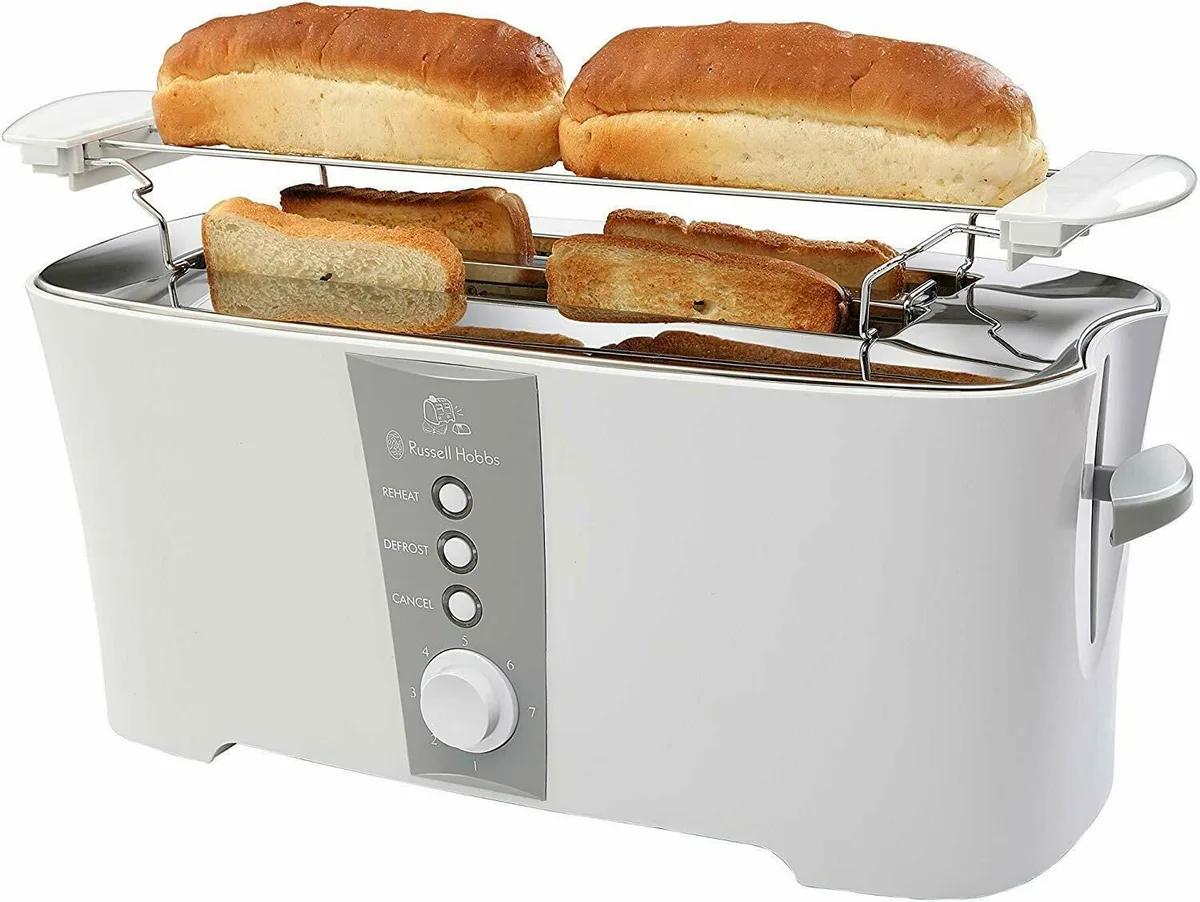
Image source: Bing (Web (fair-use with source credit))
Picking the right toaster can feel surprisingly complicated, but it doesn't have to be a headache. If you've ever ended up with unevenly browned bread or struggled to fit a thick slice, you know the frustration. Understanding a few key features and your own needs is all it takes to make a smart choice.
In our research, we found that most common issues, like uneven toasting or burning, stem from not matching the toaster's capabilities to your daily routine. For instance, a toaster with a 1200-watt heating element, as is common in many mid-range models, can provide consistent browning when used correctly. Let's break down exactly how to choose a toaster that works for you.
Quick Answer
To choose a toaster, consider your needs for slice capacity, slot width for different breads, and essential settings like bagel or defrost. Prioritize a reliable browning control and an easy-to-clean crumb tray for everyday use.
What's Really Different Between Toasters?
Toasters are pretty straightforward appliances, but the differences between them can impact your morning toast significantly. At their core, they all use heating elements to toast bread, but the design, features, and sheer number of slices they can handle vary widely. This means that what looks like a minor spec difference can translate into a big change in your daily breakfast experience.
Think about it: do you often find yourself toasting more than a couple of slices at once? Or perhaps you're a dedicated bagel enthusiast who needs a specific toasting profile. These aren't just minor preferences; they point towards needing a different type or feature set in your next toaster.
Understanding these core distinctions is the first step to avoiding buyer's remorse.
Slices or Servings? How Many Do You Need?
This is often the most immediate decision point when looking at toasters. The number of slices a toaster can accommodate directly impacts its size, speed, and sometimes its functionality, especially if you're toasting for more than one person or trying to manage different bread types simultaneously.
Two-Slice vs. Four-Slice: The Basics
The classic choice for individuals or couples is the two-slice toaster. They're generally more compact, saving precious counter space, and are perfectly adequate if you only need toast for one or two people at a time. However, if your household regularly needs toast, or you entertain guests who enjoy it, a four-slice toaster can be a real time-saver.
Many four-slice models offer independent controls for each pair of slots, allowing you to toast two different types of bread at once.
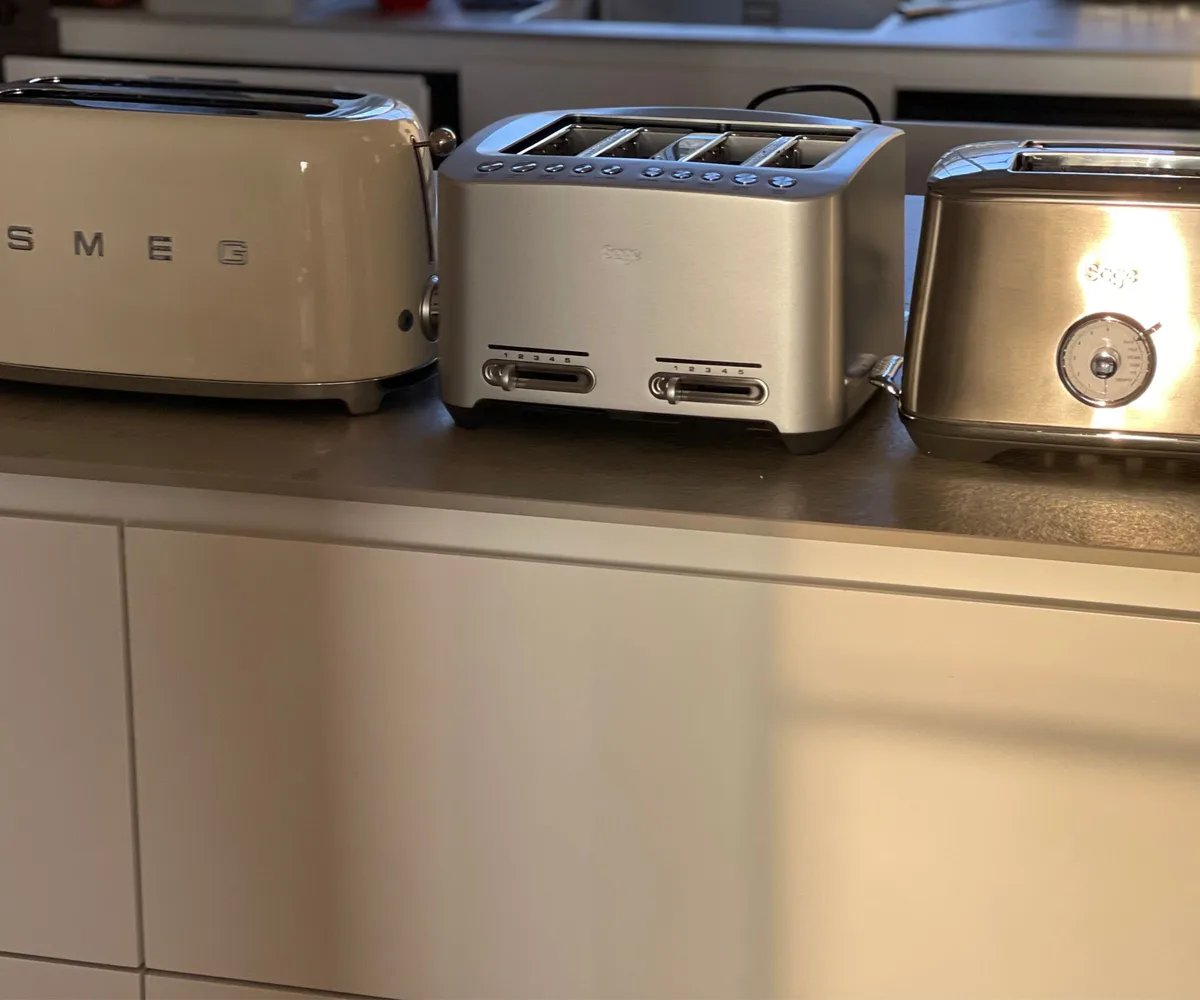
Image source: Bing (Web (fair-use with source credit))
For instance, you might want to toast one pair of slices lightly while giving another pair a darker finish, or even toast bagels on one side and regular bread on the other. This dual-zone capability significantly boosts efficiency on busy mornings. When considering a four-slice model, always check if the controls are truly independent; some simply have more slots but operate as a single unit, which defeats much of the purpose.
When a Toaster Oven Makes More Sense
If your kitchen counter space allows, and you're looking for an appliance that can do more than just toast bread, like broiling small items, baking a personal pizza, or reheating leftovers without making them soggy, a toaster oven might be a better fit. They typically have wider slots and are more versatile but also come with a larger footprint and a higher price point than standard pop-up toasters.
Beyond Browning: Key Features That Matter
Once you've decided on the slice count, the real details emerge in the specific features a toaster offers. These are the elements that go beyond just making bread warm and crunchy, and they can significantly elevate your toasting experience from mediocre to excellent.
Slot Width: Bagels, Bread, and Beyond
This is a critical feature, especially if your toasting repertoire extends beyond standard sandwich bread. Standard toaster slots are usually around 1 to 1.25 inches wide, which is fine for most sliced bread. However, if you frequently toast bagels, thicker artisan loaves, or pastries like Pop-Tarts, you'll need wider slots.
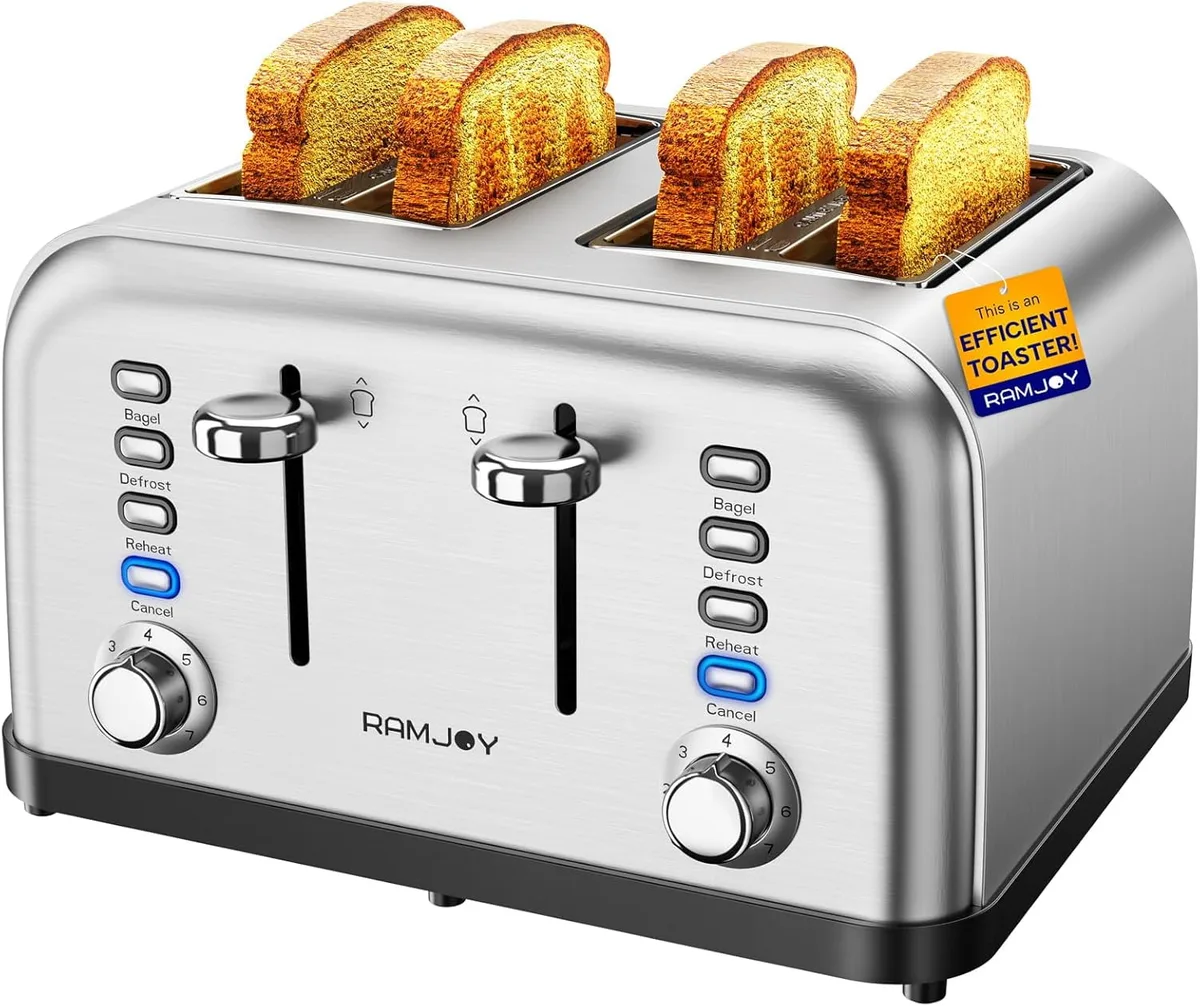
Image source: Bing (Web (fair-use with source credit))
Many toasters now advertise "wide slots" or "extra-wide slots," often measuring 1.5 inches or more. Some even feature "long slots" designed to accommodate longer slices of bread, like those from a Pullman loaf. Always check the slot width specification if you plan to toast anything other than thin, standard bread.
Manufacturer specifications typically list slot dimensions, and aggregate reviews often highlight if a toaster struggles with thicker items.
Essential Settings: Defrost, Reheat, and More
Modern toasters come with a variety of settings that can make them more versatile and convenient.
- Bagel Setting: This is a must-have for bagel lovers. It usually toasts the cut side of the bagel more intensely while gently warming the rounded exterior, preventing the outside from becoming hard.
- Defrost Setting: If you often use frozen waffles, frozen pastries, or even frozen bread slices, a defrost setting is incredibly useful. It thaws the item before toasting, ensuring it heats through without burning.
- Reheat Setting: This is handy for warming up toast that has gone cold without toasting it further. It uses lower heat for a shorter period.
The Little Things: Crumb Trays and High-Lift
Don't underestimate the importance of practical design elements. A removable crumb tray is essential for easy cleaning. It collects all the little bits of bread that fall during toasting, preventing them from accumulating at the bottom of the appliance and potentially causing smoke or a fire hazard.
A tray that slides out completely makes emptying and cleaning much simpler.
Additionally, a high-lift feature is a small but significant convenience. This allows you to raise the toast carriage higher than usual, making it easier and safer to retrieve smaller items like English muffins or thin slices of toast without burning your fingers.
What Toasting Problems Can a Good Toaster Solve?
A well-chosen toaster doesn't just make toast; it solves common frustrations that can plague your breakfast routine. If you've ever ended up with toast that's burnt on the edges and pale in the middle, or found your appliance struggling to handle anything thicker than a standard slice, you've experienced these problems firsthand. Aggregate buyer feedback reports that uneven browning is one of the most common complaints with lower-quality toasters.
A toaster with good browning controls and even heating elements can ensure consistent results every time, regardless of the bread type. For example, models that utilize a 1200-watt heating element, common in many mid-range pop-up toasters, are designed to provide efficient and even heat distribution across the bread. Furthermore, features like wide slots and dedicated bagel settings directly address the issue of toasting items that don't fit standard dimensions or require specialized heat application.
By selecting a toaster with these features, you can avoid the disappointment of ruined toast and streamline your morning preparation.
Who Needs What Kind of Toaster?
The "best" toaster isn't a one-size-fits-all answer. It truly depends on who you are, what you eat, and how you use your kitchen. Thinking about your personal toasting habits will point you toward the right features and configurations.
Best Toasters for Bagel Lovers
If bagels are your go-to breakfast staple, you absolutely need a toaster with a dedicated bagel setting. Standard toasting cycles can often burn the exterior of a bagel while leaving the inside barely warm. The bagel setting typically directs more heat to the cut side of the bagel while gently warming the rounded side, giving you that perfect combination of crispy interior and soft exterior.
Wide slots are also non-negotiable here, ensuring your bagels fit comfortably without getting stuck.
Smart Picks for Families
For families, especially those with multiple children or adults who all want toast around the same time, a four-slice toaster is a game-changer. Look for models with independent controls for each pair of slots. This allows you to toast different bread types or browning levels simultaneously, for example, one side for the kids' lightly toasted white bread and the other for adult whole wheat toast.
This efficiency can be a lifesaver on busy mornings.
Simple Solutions for Solo Toasting
If you're usually toasting for one or two people, a two-slice toaster is likely sufficient and a great space-saver. Focus on models with reliable browning controls that offer a good range, from light golden to dark brown. Even for simple toast, having precise control ensures you get your toast exactly how you like it every time.
A removable crumb tray is still a crucial feature for easy cleanup, even for a single user.
Common Toaster Pitfalls to Sidestep
Choosing the wrong toaster can lead to a host of daily frustrations. One of the most common problems we see reported is uneven browning. This happens when heating elements aren't distributed evenly or when the toaster simply doesn't get hot enough to toast consistently.
The result? Bread that's burnt on the edges but still pale in the middle, or a piece that's warm but not truly toasted.
Another frequent misstep is overlooking the importance of slot width. Many people discover too late that their beautiful artisan bread or thick bagels simply won't fit, forcing them to cut them down or, worse, not toast them at all. Similarly, failing to check for a removable crumb tray turns a simple cleaning task into a dusty chore, potentially leading to smoke or even fire hazards over time as crumbs accumulate.
Manufacturer specifications often list slot dimensions, so always check before you buy if you plan on toasting non-standard items.
When Does a Toaster Oven Make More Sense?
If your kitchen counter space allows for it, and your needs extend beyond just bread, a toaster oven often becomes the more practical choice. They can handle toasting, yes, but also baking small items like cookies or muffins, broiling, and reheating leftovers without making them soggy. This versatility means a toaster oven can potentially replace other appliances, saving space in the long run.
For example, you might use it for a quick quesadilla or to warm up a slice of pizza. Most toaster ovens feature wider slots than their pop-up counterparts, easily accommodating bagels and thicker bread slices. However, they do consume more power, typically ranging from 1200 to 1800 watts, and their initial cost is higher.
Frequently Asked Questions
What does the 'bagel' setting do on a toaster?
The bagel setting typically toasts the cut side of the bagel more intensely while gently warming the rounded side. This prevents the exterior from becoming too hard while ensuring the interior is toasted to perfection.
How do I know if a toaster has wide enough slots?
Look for specifications mentioning "wide," "extra-wide," or "long" slots, often around 1.5 inches or more in width. User reviews often confirm if thicker items fit well without getting stuck.
Is a four-slice toaster worth the extra counter space?
A four-slice toaster is valuable for families or when toasting for multiple people, saving time. Check if it offers independent controls for each pair of slots to maximize flexibility.
Should I worry about toaster wattage?
Higher wattage, often around 1200-1500 watts for pop-up toasters, generally indicates faster and more even toasting. However, design and element quality are also key factors in performance.
How often should I clean my toaster's crumb tray?
It's best to empty the crumb tray after every few uses, or whenever it appears full, to prevent smoke and maintain optimal performance. Regular cleaning also reduces fire risk.