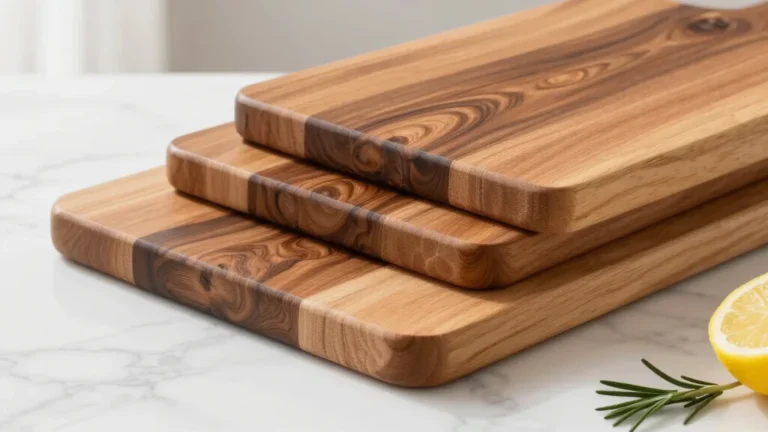
How to Store a Cutting Board
Your cutting boards are essential tools, but how you store them can impact their lifespan and your kitchen's hygiene. Storing them incorrectly can lead to warped wood, cracked plastic, and even the growth of harmful bacteria. It’s not just about neatness; it’s about food safety and maintaining your kitchen tools.
Proper storage ensures your cutting boards dry thoroughly, preventing moisture buildup that encourages mold and bacteria. It also protects them from damage. In our research, aggregate reviews report that boards stored vertically often last longer and stay cleaner.
Let's explore the best ways to keep your cutting boards in top condition.
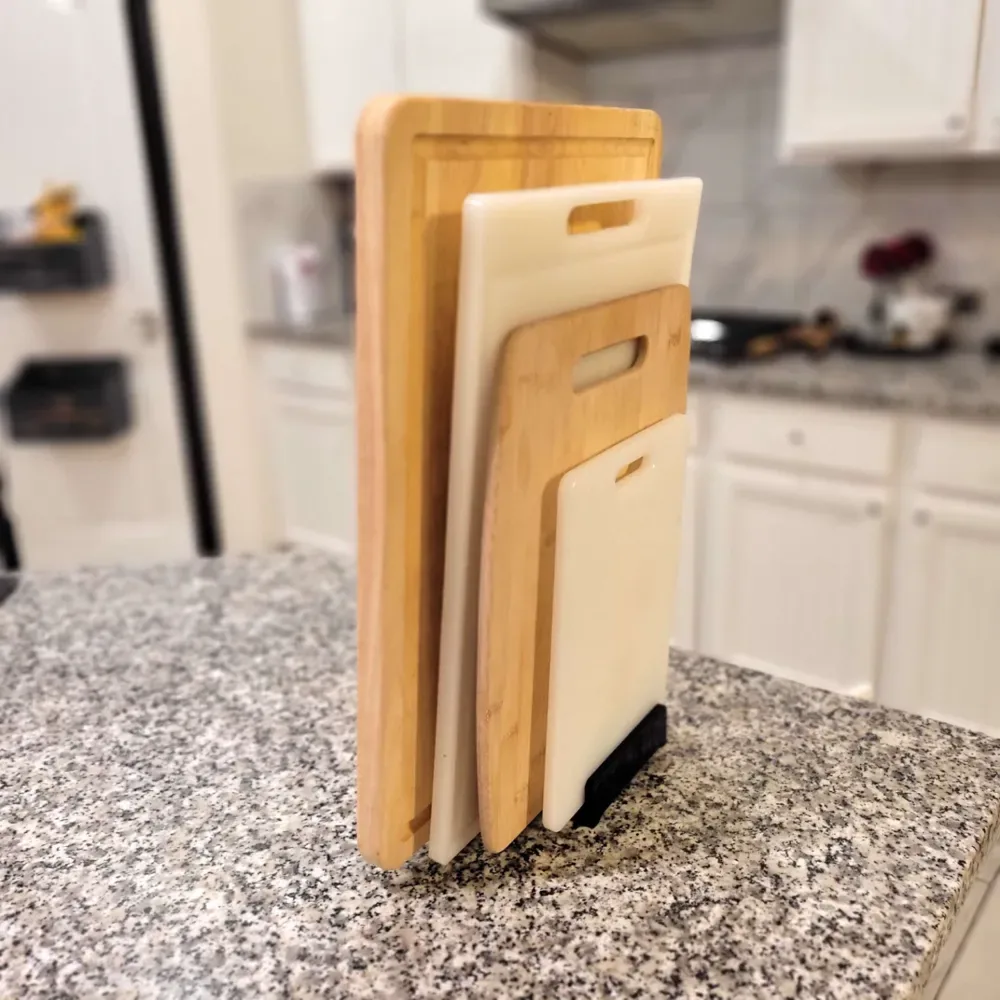
Image source: Bing (Web (fair-use with source credit))
Quick Answer: How to Store a Cutting Board
Store cutting boards upright or on edge to promote air circulation and complete drying. Avoid stacking them flat or placing them in damp environments. Clean them thoroughly after each use and ensure they are completely dry before storing them vertically, in a rack, or on a wall-mounted holder.
This prevents mold, bacteria growth, and warping.
The Big Picture: How Different Storage Types Affect Your Boards
The way you store your cutting boards has a direct impact on their longevity and the cleanliness of your kitchen. Imagine a board left flat, perhaps after being rinsed but not fully dried. Moisture gets trapped underneath, creating a perfect breeding ground for bacteria.
Similarly, if a wooden board is constantly leaning against a damp backsplash or stored near a sink with constant drips, its wood can absorb excess moisture, leading to warping, cracking, or even mildew. For plastic boards, improper storage can mean they scratch easily or retain odors.
Understanding these risks helps us appreciate why different storage methods exist and why one might be better than another for your specific needs and kitchen layout. It's about more than just making space; it's about making informed choices for the health of your tools and your food.
Vertical Storage: The Space Saver's Secret
Storing cutting boards vertically is often hailed as one of the most efficient methods, especially for kitchens where space is a premium. This approach allows air to circulate freely around both sides of the board, which is crucial for quick and complete drying. When a board stands on its edge, water can drain away easily, minimizing the chances of mold or mildew developing.
This is particularly important for wooden cutting boards, as prolonged exposure to moisture can cause the wood to swell, warp, and eventually crack.
For those with multiple boards, a vertical cutting board holder or rack can keep them neatly organized and easily accessible. This prevents the "cutting board pile-up" that can lead to boards being damaged or simply forgotten. Many holders are designed to accommodate boards of varying thicknesses, making them a versatile kitchen accessory.
If you're looking to maximize your counter or cabinet space, vertical storage is a strong contender.
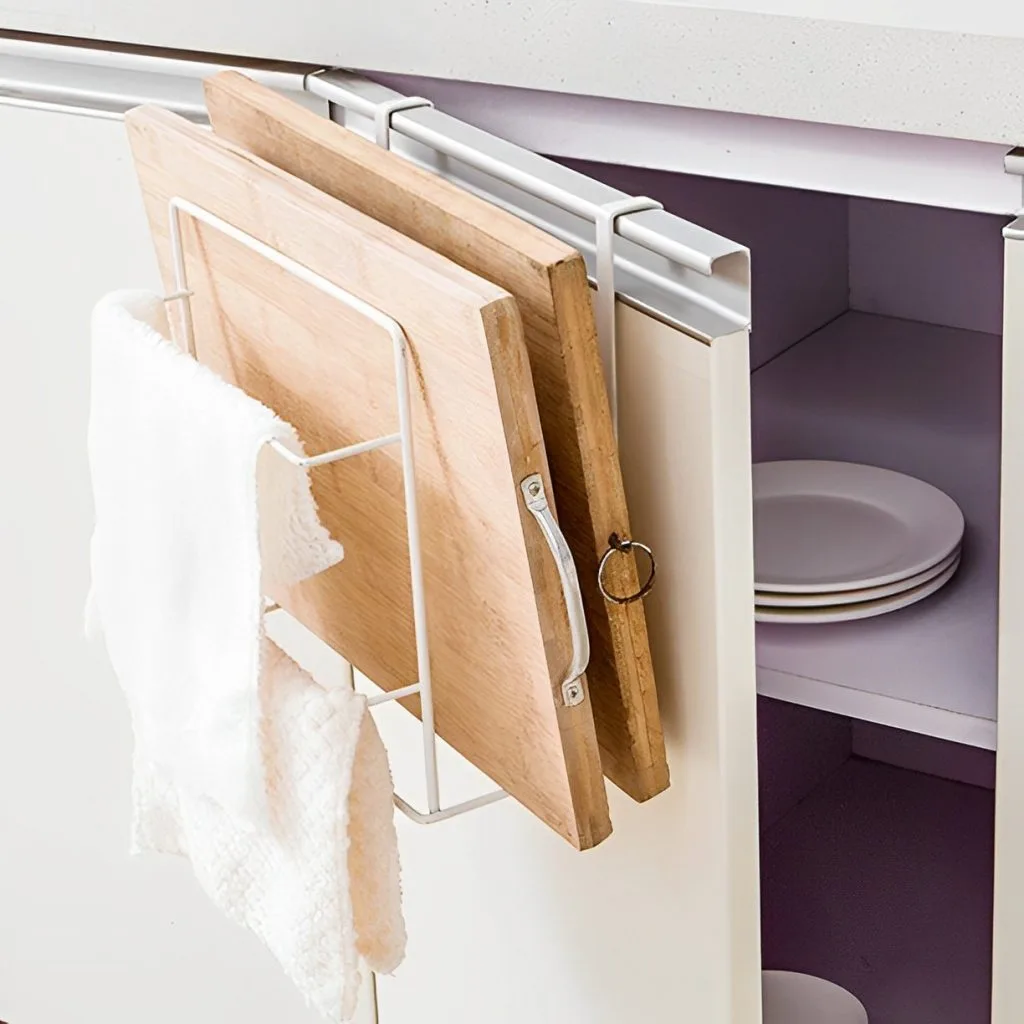
Image source: Bing (Web (fair-use with source credit))
If you're dealing with a tight kitchen and often find yourself juggling appliances, you might want to explore options for space-saving dishwashers, as smart storage solutions extend beyond just your cutting boards.
Horizontal Storage: For When Space Isn't Tight
Storing cutting boards horizontally, meaning laying them flat, is a common practice but often leads to the most problems if not managed correctly. When multiple boards are stacked on top of each other, the surfaces that are in contact can trap moisture. This lack of airflow creates an environment where bacteria can thrive and moisture can warp wooden boards over time.
It’s a bit like leaving a wet towel balled up in a corner, it’s going to stay damp and potentially get musty.
However, horizontal storage can work if it’s done with care. If you have a dedicated drawer or a large, open shelf where boards can lie flat without being pressed together, and if you ensure each board is perfectly dry before it’s placed there, it can be an option. Some people use a simple dish drying rack on the counter for horizontal storage, which allows for better air circulation underneath.
The key is ensuring no surface is left damp and that there's always some way for air to get around the board. For most home cooks, however, other methods offer better long-term benefits.
Wall-Mounted & Under-Cabinet Options: Getting Boards Out of the Way
Wall-mounted racks and under-cabinet holders offer excellent solutions for maximizing kitchen real estate while keeping cutting boards readily accessible. These systems get boards off the counter and out of drawers, which can be a game-changer for small kitchens or for anyone who values a clutter-free workspace. Wall racks, often made of metal or wood, can be installed on any available wall space, turning an unused surface into functional storage.
Under-cabinet options typically involve hooks or small shelves that attach discreetly beneath your upper cabinets. This keeps boards hidden but still within easy reach. Both methods promote good air circulation because the boards are usually held on their edges, preventing moisture from pooling.
This type of storage is particularly effective for keeping wooden boards in excellent condition, reducing the risk of warping and microbial growth. If you're looking for a way to declutter your countertops, consider these clever storage ideas.
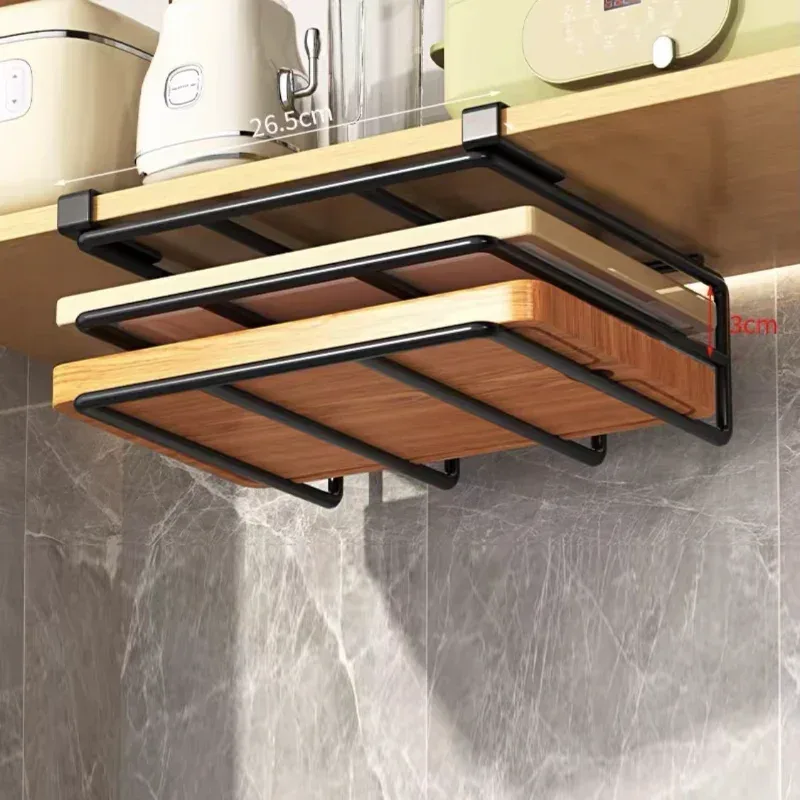
Image source: Bing (Web (fair-use with source credit))
For kitchens that feel consistently cramped, exploring compact freezers or refrigerators designed for small kitchens might offer additional space-saving benefits.
Spotting Trouble: Common Cutting Board Storage Mistakes
One of the most frequent mistakes people make is storing a cutting board while it's still wet. Whether it's wood or plastic, any residual moisture left after washing is a breeding ground for bacteria. Imagine a damp board sitting flat in a drawer; the trapped moisture has nowhere to go, promoting mold and mildew growth, especially on wooden boards.
This can lead to unpleasant odors and compromise food safety.
Another common error is stacking boards too tightly, particularly if they are still slightly damp or have been used for raw meats without proper sanitization. This tight stacking prevents proper airflow, similar to how a damp towel stays damp when balled up. For wooden boards, this can cause warping over time.
Many also neglect to store boards on their edge, opting instead to lay them flat, which, as we've discussed, significantly reduces drying efficiency and increases the risk of damage.
Keeping It Clean: Best Practices for Board Hygiene and Longevity
To get the most life out of your cutting boards and ensure they're safe for food preparation, a few key practices are essential, starting with immediate post-use care. As per general food safety guidelines, it's crucial to clean and sanitize your cutting boards thoroughly after every use, especially after cutting raw meat, poultry, or fish. For wooden boards, avoid soaking them in water or putting them in the dishwasher, as this can cause them to warp and crack.
Instead, wash them with hot, soapy water, rinse, and then dry them completely.
Once completely dry, proper storage becomes the next critical step. Always store boards upright or on their edge. This allows air to circulate, ensuring they stay dry and preventing the growth of bacteria or mold.
Manufacturer specifications for wood cutting boards often recommend storing them in a way that allows maximum air exposure, such as in a rack or propped against a backsplash. For plastic boards, while slightly more forgiving, the same principles of thorough drying and upright storage apply to prevent lingering odors and potential warping. By following these simple steps, you significantly extend the lifespan of your cutting boards and maintain a hygienic kitchen environment.
Choosing Your Setup: Finding the Right Storage for Your Kitchen
When selecting a storage solution for your cutting boards, consider your kitchen's unique layout and your cooking habits. If you have limited counter or drawer space, vertical storage in a rack or a wall-mounted system is often the most practical choice. These options keep boards upright, ensuring good air circulation and easy access.
For example, a simple metal rack that holds several boards can fit neatly inside a cabinet or even stand on a counter, using minimal footprint.
Conversely, if you have ample counter space or a large, accessible drawer, horizontal storage might seem appealing. However, even here, it’s vital to ensure boards are never stacked directly on top of each other when wet. Using a stand within a wide drawer or a designated tray can help, but the potential for trapped moisture remains higher than with vertical options.
Ultimately, the best setup is one that guarantees your boards can dry completely and quickly after each use.
Storing Boards by Material: What's Best for Wood vs. Plastic?
The material of your cutting board significantly influences the best storage approach. For wooden cutting boards, which are porous and susceptible to moisture damage, vertical storage is strongly recommended. This allows the natural wood grain to breathe and dry out evenly, preventing warping, cracking, and the development of mildew.
Manufacturer specifications for high-quality wood boards often emphasize keeping them dry and well-ventilated. Avoid storing them horizontally in stacks, as this traps moisture and can compromise the wood's integrity over time.
Plastic cutting boards are generally more durable and less prone to water damage than wood. They can often tolerate horizontal storage better, provided they are thoroughly dried after washing. However, even plastic boards benefit from being stored on their edge when possible.
This ensures complete drying and prevents the accumulation of food particles or odors that can occur if a damp board sits flat for extended periods. While plastic is less likely to warp, good airflow is still key to maintaining hygiene.
What About Cutting Boards Used for Raw Meats?
When a cutting board has been used for raw meats, poultry, or fish, proper storage is even more critical due to the risk of cross-contamination. After washing and sanitizing the board thoroughly, it's imperative that it dries completely before being stored. If you're using a vertical holder, ensure there's no residual moisture that could drip onto other items or surfaces below.
If you must store it horizontally, make sure it's elevated on something like a small dish rack to allow air to circulate underneath.
Manufacturer guidelines and food safety experts stress that any board used for raw animal products should ideally be dedicated solely to that purpose and cleaned separately from boards used for produce. Proper storage, after this rigorous cleaning, prevents any lingering bacteria from multiplying. This might mean having a designated spot for these boards, perhaps in a separate area of the kitchen or on a specific rack, to avoid any potential spread of pathogens to other foods.
Extending Board Lifespan: Tips for Durability
To ensure your cutting boards last for years, beyond just proper storage, a few maintenance habits make a big difference. For wooden cutting boards, regular conditioning with food-grade mineral oil or a specialized board cream is vital. This helps seal the wood, preventing it from drying out, cracking, or absorbing odors and stains.
Our research indicates that oiling your wood boards at least once a month, or whenever they look dry, is a good practice.
For both wood and plastic, avoid using abrasive cleaners or steel wool, which can scratch surfaces and create areas where bacteria can hide. If your wooden board develops deep knife marks or becomes difficult to clean, it might be time for light sanding to refresh its surface. Always ensure boards are completely dry before storing them, and consider segregating different types of boards, one for raw meats, another for produce, to enhance kitchen hygiene and prevent cross-contamination.
Following these steps, alongside correct storage, preserves the integrity and usability of your cutting boards.
Cutting Board Storage: Your Questions Answered (FAQs)
Why do cutting boards need to dry completely before storage?
Storing cutting boards while still damp creates an ideal environment for bacteria, mold, and mildew to grow. This is especially true for wooden boards, where trapped moisture can lead to warping, cracking, and the development of unpleasant odors. Thorough drying before storage ensures better hygiene and extends the board's lifespan.
Can I store my cutting boards in a dishwasher?
No, it's generally not recommended to store cutting boards in a dishwasher, and for wooden boards, dishwashing is highly discouraged. The high heat and prolonged exposure to water in a dishwasher can cause wooden boards to warp, crack, and lose their integrity. While some plastic boards might be dishwasher-safe for cleaning, long-term storage should always be done outside the appliance to ensure proper drying.
Is it okay to store cutting boards flat in a drawer?
Storing cutting boards flat in a drawer can be problematic if they aren't completely dry, as moisture can become trapped. This lack of airflow can lead to bacteria growth and, for wooden boards, warping. If you must store them flat, ensure they are bone dry and ideally placed with some form of separation or on a rack within the drawer to allow for air circulation.
Vertical storage is almost always the preferred method.