How to Use a Blender for Protein Shakes
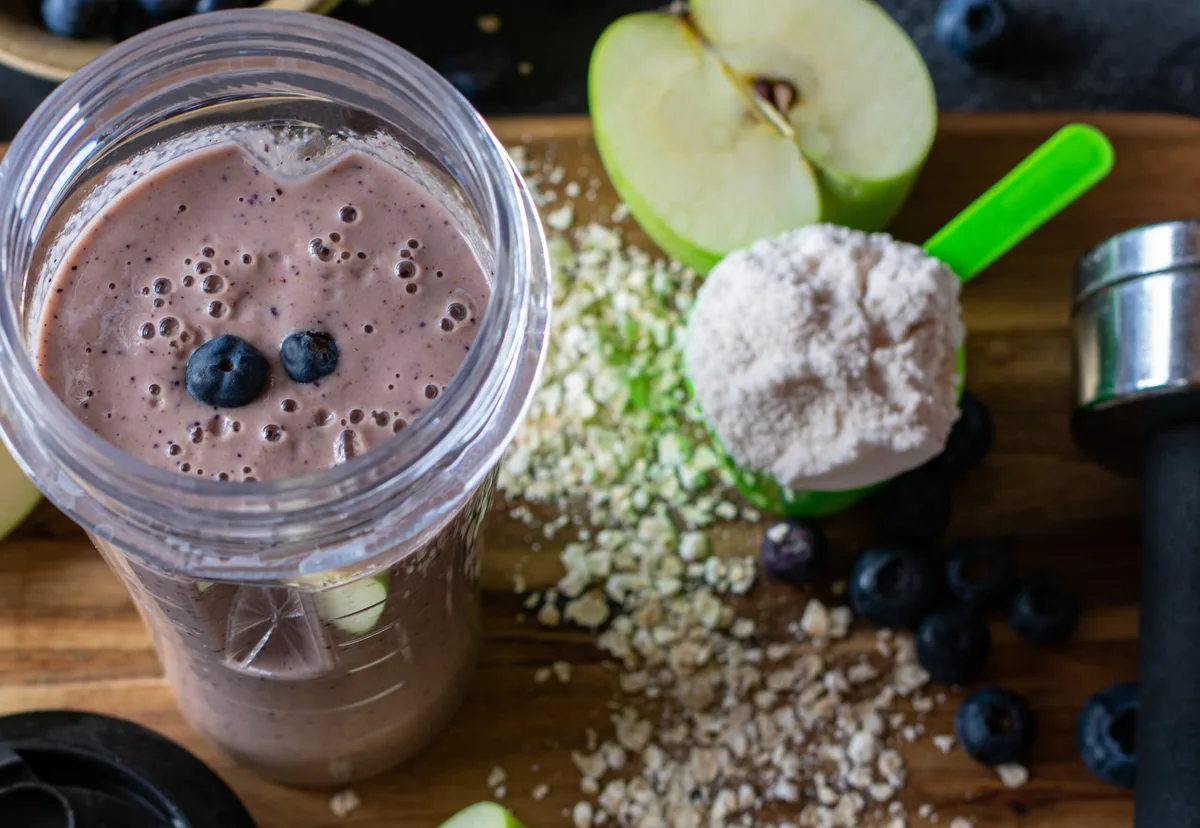
Image source: Bing (Web (fair-use with source credit))
Making a protein shake with a blender is a straightforward way to get your nutrients. It’s a skill that pays off with perfectly blended, smooth drinks every time. You’ll be able to whip up your post-workout recovery or quick breakfast in just a few minutes.
This guide breaks down the process, covering everything from choosing your liquid base to avoiding common blending blunders. We'll look at the factors that contribute to a great shake, ensuring you get the best texture and flavor. You'll learn how to handle different ingredients and get the most out of your blender.
Quick Answer
To use a blender for protein shakes, add your liquid base first, then protein powder, followed by other solid ingredients. Secure the lid tightly and start blending on a low speed, gradually increasing. Check consistency and adjust liquid or powder as needed.
Rinse the blender immediately after use for easy cleaning.
The Best Liquid Base for Your Protein Shake
Choosing the right liquid base is crucial for a smooth and tasty protein shake. Your choice affects not only the flavor but also the overall texture and how well the protein powder dissolves. Most blenders can handle a variety of liquids, but some work better than others.
Water is the simplest option, keeping the shake calorie-free and letting the protein powder's flavor shine. However, it can sometimes lead to a thinner shake. Milk, whether dairy or non-dairy, adds creaminess and a bit of extra protein or flavor.
For dairy, whole milk or 2% milk offers a richer taste. Non-dairy options like almond milk, soy milk, or oat milk provide different flavor profiles and cater to dietary needs. Coconut milk can add a tropical note and extra richness.
Manufacturer specifications for most blenders indicate they are designed to handle liquids up to their fill line, typically around 48 to 64 ounces depending on the model. Always ensure your liquid level doesn't exceed the maximum fill marker to prevent leaks and ensure proper blending.
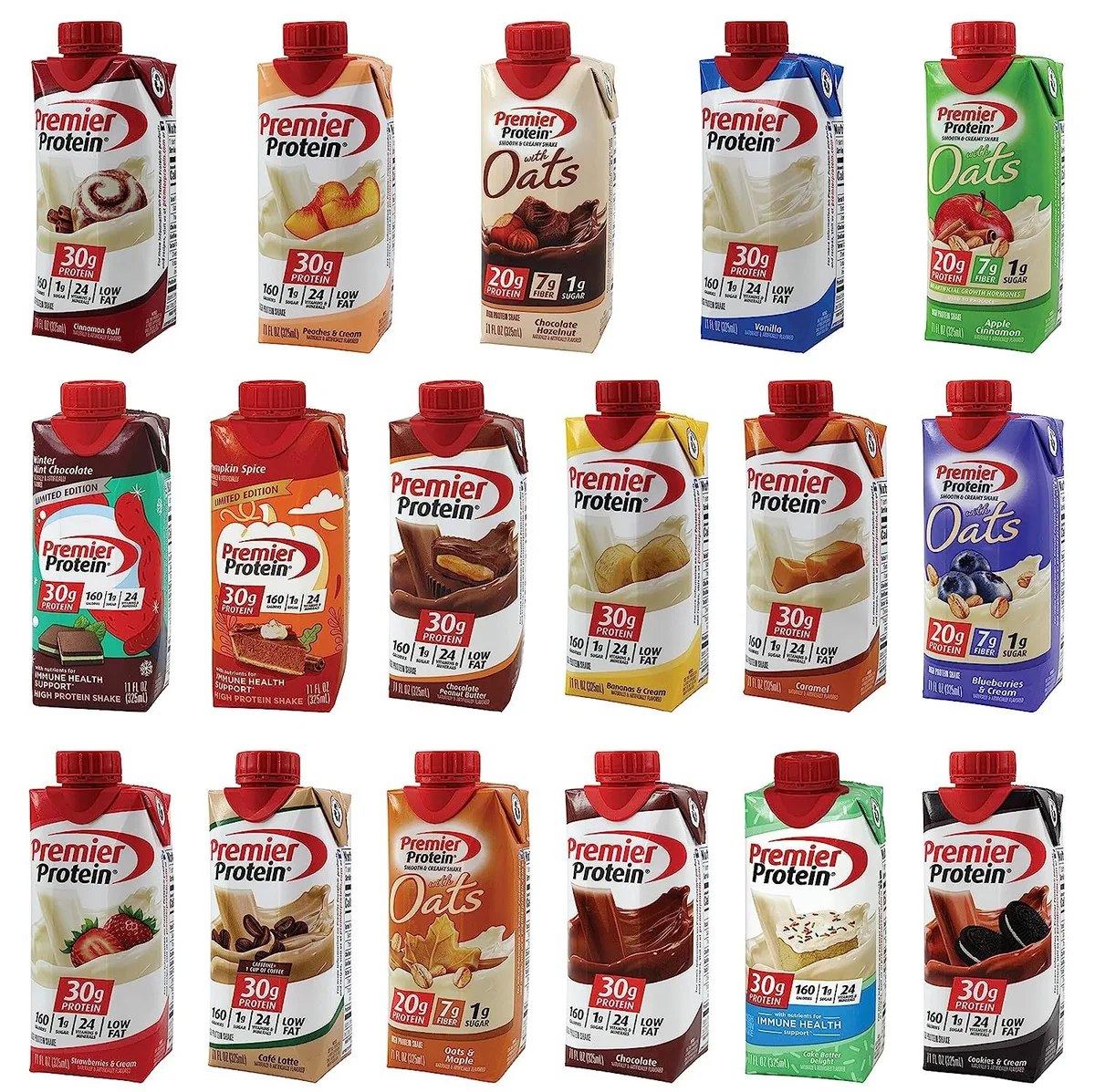
Image source: Bing (Web (fair-use with source credit))
Here's a quick look at common liquid bases:
- Water: Neutral flavor, zero calories, thins the shake.
- Dairy Milk: Adds creaminess, protein, and calcium.
- Almond Milk: Low calorie, slightly nutty flavor.
- Soy Milk: Good protein source, creamy texture.
- Oat Milk: Naturally sweet, creamy, and smooth.
- Coconut Milk: Rich, tropical flavor, adds healthy fats.
Why Add Liquid First?
Adding your liquid base before the protein powder is a key step our research confirms is vital for smooth blending. It creates a vortex that helps pull the solid ingredients down into the blades. If you add powder first, it tends to stick to the sides or bottom of the blender jar, leading to clumps.
Adding Protein Powder Without the Clumps
Getting your protein powder to blend seamlessly is often the biggest hurdle. Clumpy protein shakes are not only unappetizing, but they can also mean you're not getting all the protein you paid for. The good news is that with a blender, this is usually a solvable problem.
The type of protein powder itself can play a role. Whey protein generally dissolves well. Casein protein can be a bit thicker.
Plant-based proteins vary widely; some are very fine, while others have a more granular texture. Blenders, especially those with powerful motors (often 500 watts or more), are much better at breaking down these textures than a simple shaker bottle.
Aggregate reviews report that the order of ingredients is paramount. After your liquid base, add the protein powder. This allows the liquid to start integrating with the powder as soon as blending begins.

Image source: Web (Bing) / youtube.com (Web image (fair-use with source credit))
How Much Powder to Use?
Most protein powder containers provide a recommended serving size, usually one scoop. This typically equates to about 20-30 grams of protein. Always refer to your specific product's label.
For context, the FDA recommends a daily protein intake for adults ranging from 50 grams, based on a 2,000-calorie diet, but individual needs vary significantly based on activity level and goals.
- Standard Serving: 1 scoop (check your product label)
- Typical Protein per Serving: 20-30 grams
- Adjusting: Add a little more powder for higher protein goals, or a little less if you're sensitive to protein taste.
Blender Settings: Navigating Speed and Pulse
Blenders come with various speed settings and functions, and knowing how to use them can elevate your protein shake game. Not all blenders are created equal; some have simple low/high settings, while others offer multiple speeds and pre-programmed smoothie cycles.
For most protein shakes, you’ll start by adding your liquid, then your protein powder and other solid ingredients. Then, secure the lid firmly. Begin blending on the lowest speed setting.
This helps incorporate the ingredients gradually without splashing or creating too much air. Once things start moving smoothly, you can increase the speed to high.
The "Pulse" function is incredibly useful. It allows you to give short bursts of power. This is great for breaking down larger chunks of ice or frozen fruit at the beginning, or for giving your shake a final quick mix if it looks like it needs it.
Many blenders with pre-programmed cycles offer a "Smoothie" or "Blend" option that automatically adjusts speed and duration for optimal results.
What About Motor Power?
Blender motor power, measured in watts, is a key indicator of its capability. For protein shakes, especially those with ice or frozen fruit, a blender with at least 500 watts is generally recommended for efficient blending. Higher wattage blenders can handle tougher ingredients more easily and reduce blending time, leading to a smoother texture.
Models designed for smoothies often exceed 1000 watts.
Getting the Perfect Protein Shake Consistency
Achieving your ideal protein shake consistency, whether you like it thick and spoonable or thin and drinkable, is all about the ratios and the blending process. It's less about magic and more about understanding how your ingredients interact.
The primary factor is the liquid-to-solid ratio. If your shake is too thick, you’ve likely added too many solids (protein powder, fruit, ice) or not enough liquid. If it’s too thin, you need more solids or less liquid.
Most recipes suggest a starting point of about 8-12 ounces of liquid for one scoop of protein powder. From there, you can adjust.
For a thicker shake:
- Start with less liquid than usual.
- Add frozen fruit or ice cubes.
- Consider adding ingredients like Greek yogurt, avocado, or chia seeds.
For a thinner shake:
- Add more liquid, a little at a time.
- Ensure you’re not over-blending, which can sometimes break down ingredients too much.
Why Does Texture Matter?
Personal preference is key, but a well-blended shake also impacts how your body processes the nutrients. Aggregate user feedback indicates that when protein powder is not fully incorporated, it can lead to an unpleasant gritty mouthfeel. Some manufacturers, like Vitamix, cite their blender blade design and motor power as critical for creating a vortex that ensures uniform blending.
Blender Settings: Navigating Speed and Pulse
Blenders come with various speed settings and functions, and knowing how to use them can elevate your protein shake game. Not all blenders are created equal; some have simple low/high settings, while others offer multiple speeds and pre-programmed smoothie cycles.
For most protein shakes, you’ll start by adding your liquid, then your protein powder and other solid ingredients. Then, secure the lid firmly. Begin blending on the lowest speed setting.
This helps incorporate the ingredients gradually without splashing or creating too much air. Once things start moving smoothly, you can increase the speed to high.
The "Pulse" function is incredibly useful. It allows you to give short bursts of power. This is great for breaking down larger chunks of ice or frozen fruit at the beginning, or for giving your shake a final quick mix if it looks like it needs it.
Many blenders with pre-programmed cycles offer a "Smoothie" or "Blend" option that automatically adjusts speed and duration for optimal results.
What About Motor Power?
Blender motor power, measured in watts, is a key indicator of its capability. For protein shakes, especially those with ice or frozen fruit, a blender with at least 500 watts is generally recommended for efficient blending. Higher wattage blenders can handle tougher ingredients more easily and reduce blending time, leading to a smoother texture.
Models designed for smoothies often exceed 1000 watts.
Common Protein Shake Blender Mistakes to Dodge
Even with a good blender, a few common missteps can turn your delicious protein shake into a lumpy, gritty mess. Understanding these pitfalls can save you time, ingredients, and frustration. Our research into user feedback highlights several recurring issues that are easily avoidable.
One of the most frequent mistakes is adding ingredients in the wrong order. Putting dry powder in first, especially if it’s fine and dusty, can cause it to stick to the sides of the blender jar and clump. As mentioned, always start with your liquid base.
Another common error is overfilling the blender. Most blender jars have a maximum fill line. Exceeding this can lead to leaks, poor blending, and potential damage to the motor or lid seal.
Always stay below the marked limit for best results.
- Wrong Ingredient Order: Leads to clumps.
- Overfilling: Causes leaks and poor blending.
- Not Enough Liquid: Results in a thick, unblendable mixture or strains the motor.
- Too Much Liquid: Creates a watery shake.
- Not Securing the Lid: A recipe for a messy kitchen.
What Happens If You Blend Too Long?
While you want to ensure all ingredients are fully mixed, over-blending can sometimes be an issue. For many protein shakes, especially those with delicate ingredients like certain fruits or greens, over-blending can break them down too much, leading to a foamy or overly aerated texture. It can also slightly warm the shake, which some people dislike.
Most protein shakes are perfectly blended in 30-60 seconds on high speed.
FAQs About Blender Protein Shakes
Can I use a personal blender for protein shakes?
Yes, personal blenders, often called bullet blenders, are excellent for single-serving protein shakes. They are designed for quick tasks like this and are easy to clean, usually coming with a travel cup that doubles as the blending jar. Their smaller size is perfect for individual portions.
How do I clean my blender after making a protein shake?
The best method is to rinse the blender jar immediately after use. Add a little warm water and a drop of dish soap, then put the lid back on and blend for about 20-30 seconds. This usually removes most residue.
For tougher stuck-on bits, you might need a soft brush or sponge. Always unplug the blender before manual cleaning of blades or the jar base.
Should I add ice to my protein shake?
Adding ice is optional and depends on your preference for shake temperature and thickness. Ice can make the shake colder and thicker, but it can also dilute the flavor if too much is used. Frozen fruit can achieve a similar effect without dilution.
If using ice, add it after the liquid and powder to help prevent it from getting stuck at the bottom.
What’s the best wattage for a blender for protein shakes?
For consistent results, especially with frozen ingredients, a blender with at least 500 watts is recommended. Higher wattage blenders, like those in the 1000-1500 watt range, offer more power and can handle tougher ingredients more easily, leading to a smoother texture and less strain on the motor over time.
Can I make my protein shake ahead of time?
While you can prepare a protein shake ahead of time, it's generally best consumed fresh. If you must make it in advance, store it in an airtight container in the refrigerator. Blending too far ahead might cause separation or a change in texture, as ingredients can settle.
Give it a good shake or a quick blend if it separates before drinking.
Why does my protein shake taste gritty?
A gritty texture typically comes from the protein powder not being fully dissolved or broken down. This can happen if you don't use enough liquid, add the powder before the liquid, or if your blender isn't powerful enough to fully pulverize the powder's particles. Ensure you're following the correct order of ingredients and using adequate blending time and power.
Some protein powders are also naturally more granular than others.
- Check Ingredient Ratios: Ensure you're using the right amount of liquid for the amount of powder.
- Consider Blender Power: A higher wattage blender (500W+) generally pulverizes powder better.
- Protein Powder Type: Some powders are naturally less smooth.
This concludes our look at using a blender for protein shakes. By following these simple steps and avoiding common mistakes, you'll be well on your way to enjoying perfectly blended, delicious shakes every time.
Beyond Powder: What Else Goes in Your Blender
While protein powder is the star, a protein shake can be so much more. Adding other ingredients allows you to boost nutrition, improve flavor, and enhance texture. Your blender is your best friend here, capable of transforming simple additions into a delicious, well-mixed beverage.
Fruits are a popular choice. Berries like strawberries, blueberries, and raspberries add sweetness, antioxidants, and fiber. Bananas lend creaminess and natural sweetness, while mangoes or pineapple offer a tropical twist.
For an extra nutritional punch, consider adding vegetables. Spinach is a common addition; its flavor is easily masked by fruit, but it packs vitamins and minerals. Kale can also be used, though its flavor is stronger.
Other beneficial additions include healthy fats and seeds. Nut butters, like peanut or almond butter, add flavor, protein, and healthy fats. Chia seeds or flax seeds contribute fiber and omega-3 fatty acids.
A small amount of oats can add thickness and sustained energy.
How Much is Too Much?
It's easy to get carried away with add-ins, but remember to maintain a good liquid-to-solid ratio for optimal blending. Adding too many dense ingredients like frozen fruit or nut butter without enough liquid can strain your blender's motor or result in a shake that's too thick to blend properly. As a general guideline, aim for your solid ingredients to fill the blender jar no more than halfway, leaving ample room for your liquid base to circulate.
Many blenders have a fill line around the 4-cup mark for a standard 64-ounce jar, which is a good indicator for single servings.
Getting the Perfect Protein Shake Consistency
Achieving your ideal protein shake consistency, whether you like it thick and spoonable or thin and drinkable, is all about the ratios and the blending process. It's less about magic and more about understanding how your ingredients interact.
The primary factor is the liquid-to-solid ratio. If your shake is too thick, you’ve likely added too many solids (protein powder, fruit, ice) or not enough liquid. If it’s too thin, you need more solids or less liquid.
Most recipes suggest a starting point of about 8-12 ounces of liquid for one scoop of protein powder. From there, you can adjust.
For a thicker shake:
- Start with less liquid than usual.
- Add frozen fruit or ice cubes.
- Consider adding ingredients like Greek yogurt, avocado, or chia seeds.
For a thinner shake:
- Add more liquid, a little at a time.
- Ensure you’re not over-blending, which can sometimes break down ingredients too much.
Why Does Texture Matter?
Personal preference is key, but a well-blended shake also impacts how your body processes the nutrients. Aggregate user feedback indicates that when protein powder is not fully incorporated, it can lead to an unpleasant gritty mouthfeel. Some manufacturers, like Vitamix, cite their blender blade design and motor power as critical for creating a vortex that ensures uniform blending.
Blender Settings: Navigating Speed and Pulse
Blenders come with various speed settings and functions, and knowing how to use them can elevate your protein shake game. Not all blenders are created equal; some have simple low/high settings, while others offer multiple speeds and pre-programmed smoothie cycles.
For most protein shakes, you’ll start by adding your liquid, then your protein powder and other solid ingredients. Then, secure the lid firmly. Begin blending on the lowest speed setting.
This helps incorporate the ingredients gradually without splashing or creating too much air. Once things start moving smoothly, you can increase the speed to high.
The "Pulse" function is incredibly useful. It allows you to give short bursts of power. This is great for breaking down larger chunks of ice or frozen fruit at the beginning, or for giving your shake a final quick mix if it looks like it needs it.
Many blenders with pre-programmed cycles offer a "Smoothie" or "Blend" option that automatically adjusts speed and duration for optimal results.
What About Motor Power?
Blender motor power, measured in watts, is a key indicator of its capability. For protein shakes, especially those with ice or frozen fruit, a blender with at least 500 watts is generally recommended for efficient blending. Higher wattage blenders, like those in the 1000-1500 watt range, offer more power and can handle tougher ingredients more easily, leading to a smoother texture and less strain on the motor over time.
Common Protein Shake Blender Mistakes to Dodge
Even with a good blender, a few common missteps can turn your delicious protein shake into a lumpy, gritty mess. Understanding these pitfalls can save you time, ingredients, and frustration. Our research into user feedback highlights several recurring issues that are easily avoidable.
One of the most frequent mistakes is adding ingredients in the wrong order. Putting dry powder in first, especially if it’s fine and dusty, can cause it to stick to the sides of the blender jar and clump. As mentioned, always start with your liquid base.
Another common error is overfilling the blender. Most blender jars have a maximum fill line. Exceeding this can lead to leaks, poor blending, and potential damage to the motor or lid seal.
Always stay below the marked limit for best results.
- Wrong Ingredient Order: Leads to clumps.
- Overfilling: Causes leaks and poor blending.
- Not Enough Liquid: Results in a thick, unblendable mixture or strains the motor.
- Too Much Liquid: Creates a watery shake.
- Not Securing the Lid: A recipe for a messy kitchen.
What Happens If You Blend Too Long?
While you want to ensure all ingredients are fully mixed, over-blending can sometimes be an issue. For many protein shakes, especially those with delicate ingredients like certain fruits or greens, over-blending can break them down too much, leading to a foamy or overly aerated texture. It can also slightly warm the shake, which some people dislike.
Most protein shakes are perfectly blended in 30-60 seconds on high speed.
FAQs About Blender Protein Shakes
Can I use a personal blender for protein shakes?
Yes, personal blenders, often called bullet blenders, are excellent for single-serving protein shakes. They are designed for quick tasks like this and are easy to clean, usually coming with a travel cup that doubles as the blending jar. Their smaller size is perfect for individual portions.
How do I clean my blender after making a protein shake?
The best method is to rinse the blender jar immediately after use. Add a little warm water and a drop of dish soap, then put the lid back on and blend for about 20-30 seconds. This usually removes most residue.
For tougher stuck-on bits, you might need a soft brush or sponge. Always unplug the blender before manual cleaning of blades or the jar base.
Should I add ice to my protein shake?
Adding ice is optional and depends on your preference for shake temperature and thickness. Ice can make the shake colder and thicker, but it can also dilute the flavor if too much is used. Frozen fruit can achieve a similar effect without dilution.
If using ice, add it after the liquid and powder to help prevent it from getting stuck at the bottom.
Why does my protein shake taste gritty?
A gritty texture typically comes from the protein powder not being fully dissolved or broken down. This can happen if you don't use enough liquid, add the powder before the liquid, or if your blender isn't powerful enough to fully pulverize the powder's particles. Ensure you're following the correct order of ingredients and using adequate blending time and power.
Some protein powders are also naturally more granular than others.