How to Shred Cheese in a Food Processor
Tired of wrestling with a block of cheese and a grater, only to end up with uneven shreds and sore fingers? Learning how to shred cheese in a food processor is a total kitchen game-changer. It transforms a tedious chore into a quick, efficient task, letting you get to the delicious part of your cooking faster.
Our research indicates that most food processors, when equipped with the right attachment, can process a standard 8-ounce block of cheese in under 30 seconds. This guide walks you through the straightforward steps to achieve perfectly shredded cheese every time, saving you significant prep time for your favorite recipes.
Quick Answer
Shred cheese in a food processor by ensuring the cheese is cold. Cut the cheese into pieces, assemble the processor with the shredding disc, and feed the cheese through the feed tube while the machine is running. This method is fast and yields consistent results.
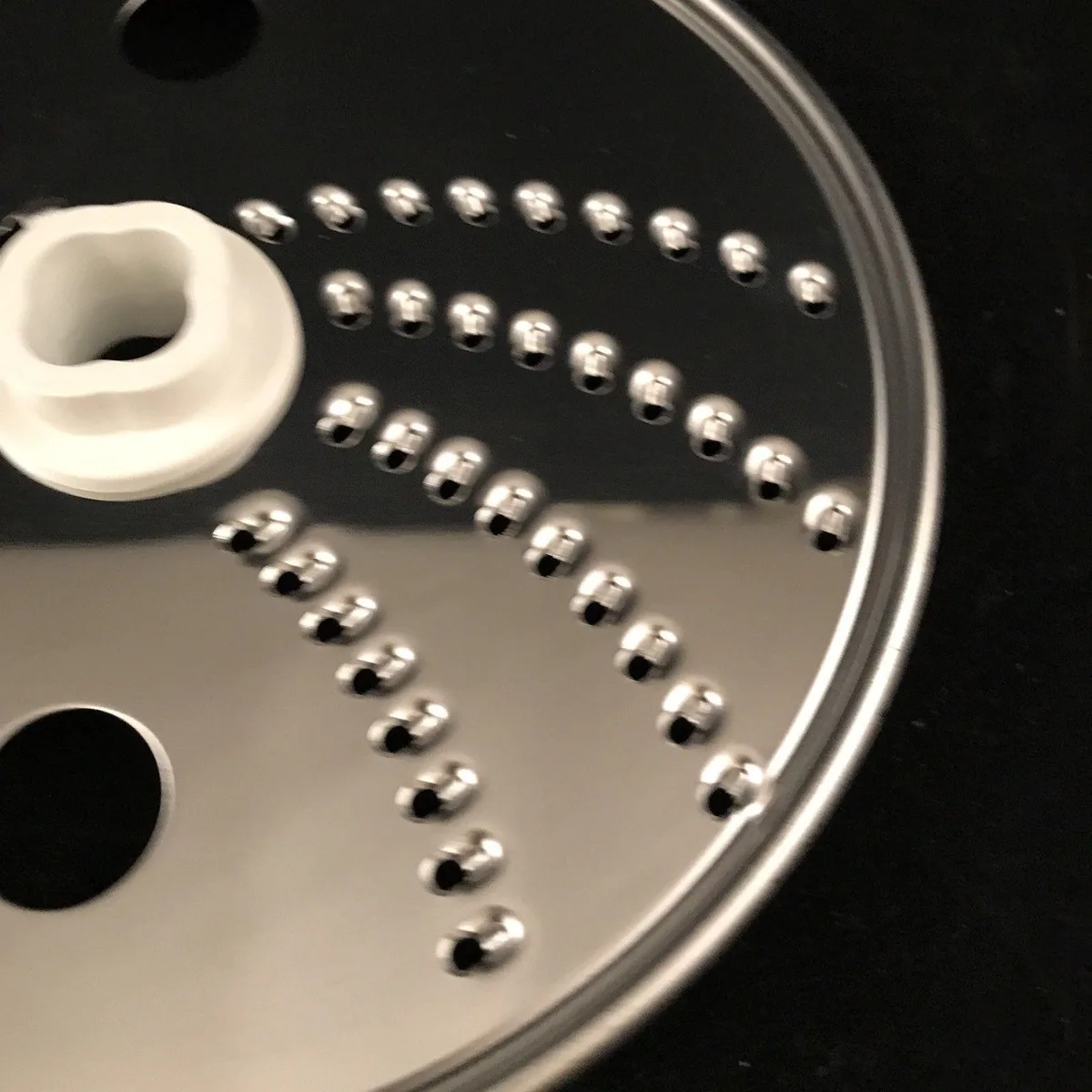
Image source: Bing (Web (fair-use with source credit))
What You'll Need
To get started, you’ll only need a few things. It’s pretty straightforward, and most items are likely already in your kitchen.
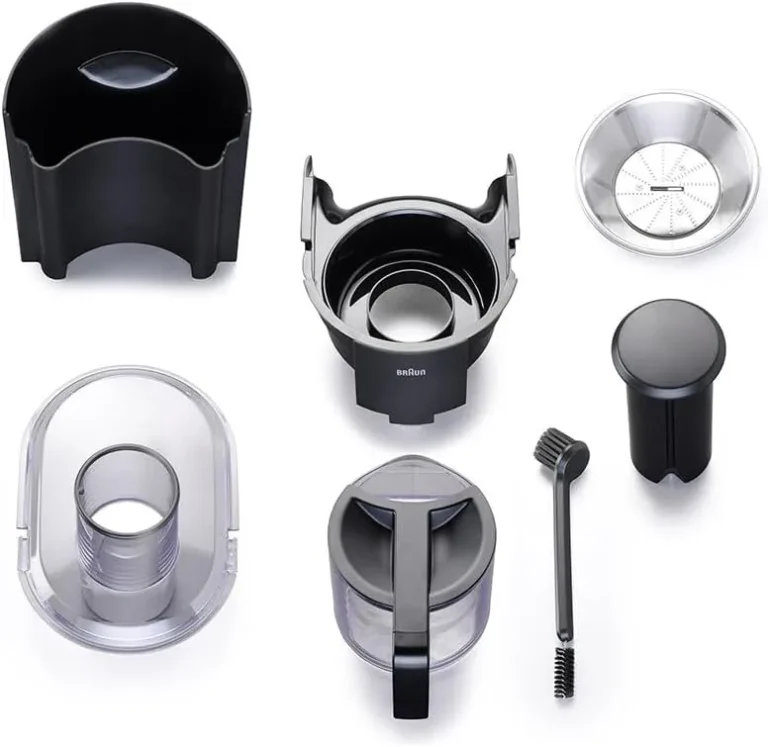
- Your Food Processor: This is your primary tool. Ensure it's clean and in good working order.
- The Shredding Disc: This is crucial. Most food processors come with a set of interchangeable discs. You’re looking for the one designed for shredding or grating, typically a flat, circular blade with small holes. It's essential to use the correct disc to avoid damaging your appliance or getting poor results. For example, manufacturer specifications often detail the appropriate disc for shredding tasks to prevent motor strain.
- Your Cheese: The star of the show! It's vital that your cheese is well-chilled.
- A Bowl or Plate: This will catch all the beautifully shredded cheese as it comes out of the processor.
Let's Get Shredding!
Getting that cheese into perfect shreds is simpler than you might think. Follow these steps, and you'll be done in minutes.
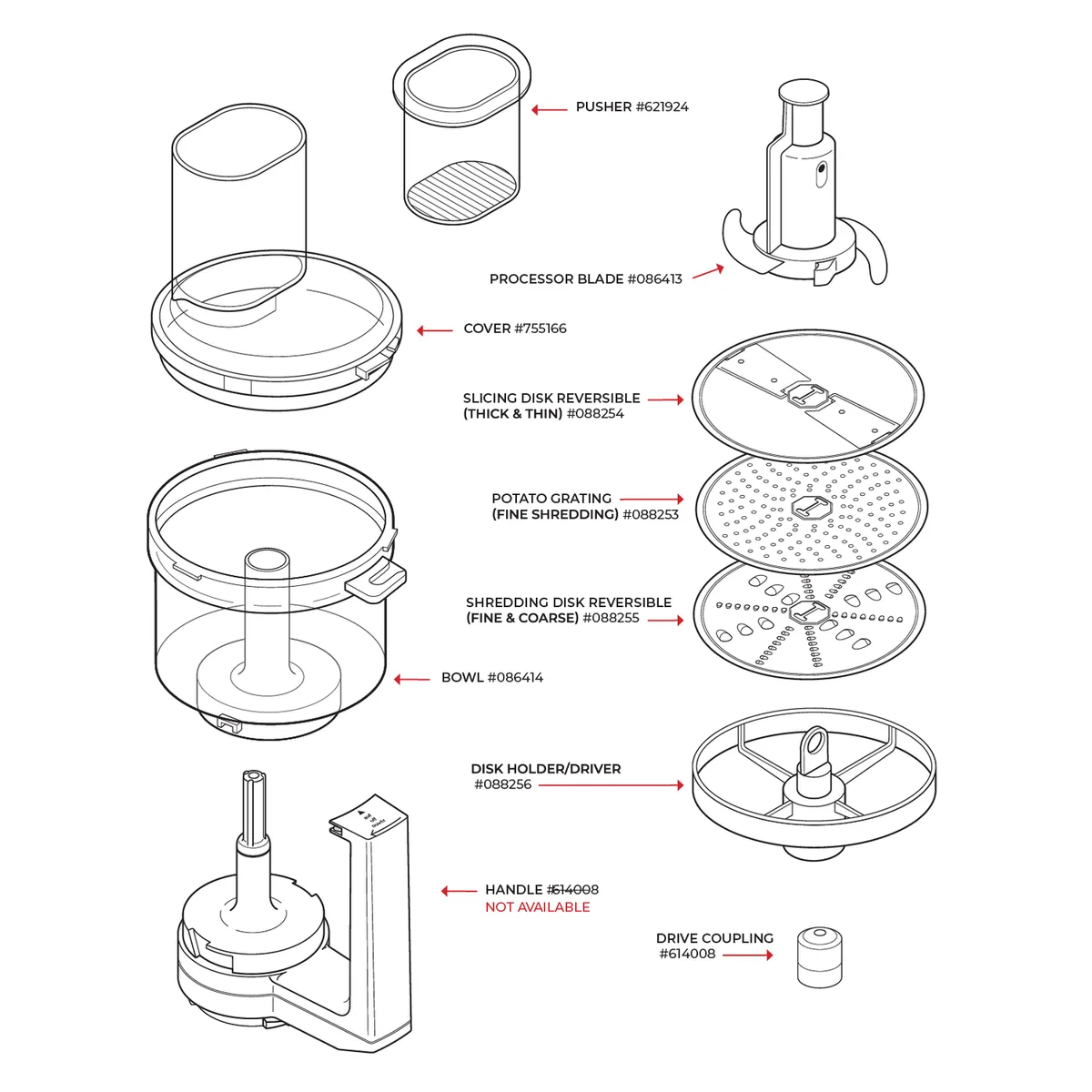
Image source: Bing (Web (fair-use with source credit))
Prep Your Cheese
The first step is all about making the cheese easy for your food processor to handle. Take your block of cheese and cut it into pieces that will fit comfortably down the feed tube of your appliance. Aim for chunks that are roughly 1-2 inches in size.
The most important part here is ensuring your cheese is cold. If it's at room temperature or feels soft, it’s prone to getting gummy or turning into a paste. For best results, chill your cheese in the refrigerator for at least 15-20 minutes before you plan to shred it.
This firmness allows the shredding disc to cut cleanly.
Assemble the Processor
Now, let's get your food processor ready. Place the shredding disc securely onto the processor's spindle. It should click or lock into place according to your model's design.
Then, attach the main bowl and fit the lid on top, making sure it’s properly sealed. A secure lid is important for preventing any bits from escaping during operation.
Feed the Cheese
With the processor assembled and running, it’s time to introduce the cheese. Start feeding your cold cheese pieces down the feed tube. Use the pusher that came with your food processor to gently guide the cheese into the shredding disc.
Don't try to force large amounts at once; let the machine's motor and the sharp disc do the work.
Watch It Go
As the cheese is fed through, you’ll see it transform into consistent shreds, falling neatly into the bowl below. Continue this process, adding more cheese pieces as needed, until you have the desired amount. The speed at which it happens is often a pleasant surprise for those used to manual grating.
Clean Up
Once you've finished shredding, turn off the food processor and carefully remove the lid and the shredding disc. It’s best to wash these parts promptly. Cheese can become quite sticky once it dries, making cleanup much harder later on.
A quick rinse or wash will keep your processor in great condition for future use.
Why This Works So Well
Using a food processor for shredding cheese is a smart move for several reasons. The most obvious benefit is the sheer speed; what used to take minutes of elbow grease can now be done in seconds. This efficiency is invaluable, especially when you're prepping multiple ingredients for a meal or need a large amount of cheese for a party.
The consistency of the shred is another major plus. The shredding disc produces uniform strands, which means your cheese will melt more evenly across a dish. This consistency can impact the final texture and appearance of your dishes.
Plus, it saves your hands and wrists from the strain of manual grating, which can be a significant advantage for anyone with joint issues or who simply dislikes the physical effort involved. It’s also fantastic for harder cheeses like Parmesan or aged cheddars that can be quite tough to grate by hand.
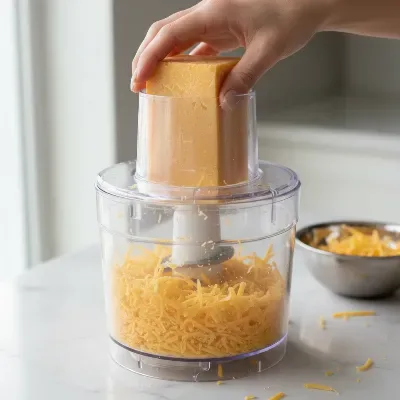
Image source: Bing (Web (fair-use with source credit))
A Few Things to Keep in Mind
Even with a straightforward process like shredding cheese, a few common mistakes can lead to less-than-ideal results or even appliance issues. The most frequent error is failing to chill the cheese properly. As mentioned, warm cheese becomes mushy and clogs the shredding disc, making it difficult to process and resulting in sticky clumps instead of fluffy shreds.
This can also put unnecessary strain on your food processor's motor.
Another mistake is using the wrong disc. Food processors often come with multiple attachments, and confusing the slicing disc for the shredding disc is a common oversight. The slicing disc will simply create flat slices, not shreds, and could potentially damage the appliance if used improperly.
Finally, overloading the feed tube or forcing cheese down too aggressively can cause the motor to overheat or jam. It's always better to process cheese in batches, letting the machine work steadily.
Benefits & Advantages
Using a food processor for shredding cheese offers some pretty sweet advantages over traditional methods. For home cooks, it dramatically cuts down prep time, which is a huge win, especially when you're in the middle of a busy cooking session. Aggregate user reviews frequently highlight the speed as a primary benefit.
The consistency of the shred is another major plus. The shredding disc produces uniform strands, which means your cheese will melt more evenly across a dish. This consistency can impact the final texture and appearance of your dishes.
Plus, it saves your hands and wrists from the strain of manual grating, which can be a significant advantage for anyone with joint issues or who simply dislikes the physical effort involved. It’s also fantastic for harder cheeses like Parmesan or aged cheddars that can be quite tough to grate by hand.
Step-by-Step Process / How to Guide
Let's break down the entire process again to make sure it's crystal clear. This is the sequence of actions you'll take from start to finish.
- Chill the Cheese: Take your block of cheese, wrap it if it isn't already, and place it in the coldest part of your refrigerator. Aim for at least 20 minutes. This step is non-negotiable for good results.
- Cut the Cheese: Once chilled, unwrap the cheese and cut it into pieces that are roughly 1-2 inches square. These should easily fit into your food processor's feed tube without forcing.
- Assemble the Machine: Insert the shredding disc into your food processor bowl. Ensure it's locked firmly in place. Attach the bowl, then place the lid on top, making sure it clicks or seals securely.
- Process the Cheese: Turn on the food processor. While it’s running, carefully feed the cheese pieces down the feed tube one by one. Use the pusher tool provided with your machine to guide the cheese gently towards the rotating disc.
- Collect and Clean: Once all the cheese is shredded and collected in the bowl, turn off the processor. Remove the lid and the shredding disc. Wash all parts promptly to prevent cheese residue from hardening.
Comparison / Alternatives / Options
When it comes to shredding cheese, you've got a few choices, each with its own set of pros and cons. The most common alternative is the traditional box grater. It's simple, requires no electricity, and is easy to clean.
However, it demands significant manual effort, can be slow for large quantities, and often results in less uniform shreds. For those with arthritis or carpal tunnel syndrome, the physical strain of hand-grating can be a serious drawback.
Another option is a manual rotary grater, which uses a crank mechanism. These can be faster than a box grater and require less direct hand strain, but they still involve manual labor and can produce inconsistent results depending on the cheese's firmness. Your food processor, on the other hand, excels in speed and consistency, making it ideal for larger batches or frequent use.
While it requires electricity and a bit more cleanup, the time and effort saved often make it the superior choice for many home cooks.
Use Cases / Best For / Who It's Right For
Shredding cheese in a food processor is a fantastic method for a variety of situations and individuals. If you often cook dishes that call for large amounts of shredded cheese, like lasagna, casseroles, or homemade pizza, this method will save you a ton of time. It's also perfect for meal prepping; shredding several blocks of cheese at once can make weeknight cooking significantly easier.
This technique is particularly well-suited for those who find manual grating physically challenging. Individuals with limited hand strength, arthritis, or other mobility issues will find the food processor a much more accessible option. It’s also a great choice for busy parents or anyone who simply wants to streamline their kitchen tasks and dedicate more time to other aspects of meal preparation or spending time with family.
If you find yourself reaching for pre-shredded cheese from the store, switching to shredding your own blocks can often be more cost-effective and yields a fresher product.
FAQs
How long does it take to shred cheese in a food processor?
Shredding a standard 8-ounce block of cheese typically takes less than a minute once the food processor is assembled and running. The actual processing time is very fast.
Can I shred hard cheeses like Parmesan in a food processor?
Yes, food processors are excellent for shredding hard cheeses like Parmesan. Ensure the cheese is well-chilled, and it should shred effectively without issue.
What should I do if the cheese is clogging the shredding disc?
If the cheese is clogging the disc, it's likely too warm. Stop the processor, remove the cheese from the disc, and chill the cheese further before trying again. Ensure you're using the correct shredding disc.
Is it cheaper to shred cheese myself with a food processor than to buy pre-shredded?
Generally, yes. Buying blocks of cheese and shredding them yourself is often more cost-effective per ounce than purchasing pre-shredded cheese. You also avoid anti-caking agents found in some pre-shredded varieties.